Fresh Coriander (Cilantro): Calories, Nutrition and Health Benefits
Nature's nutrient powerhouse herb with potent antioxidants, exceptional vitamin K, and nearly zero calories for every health goal.
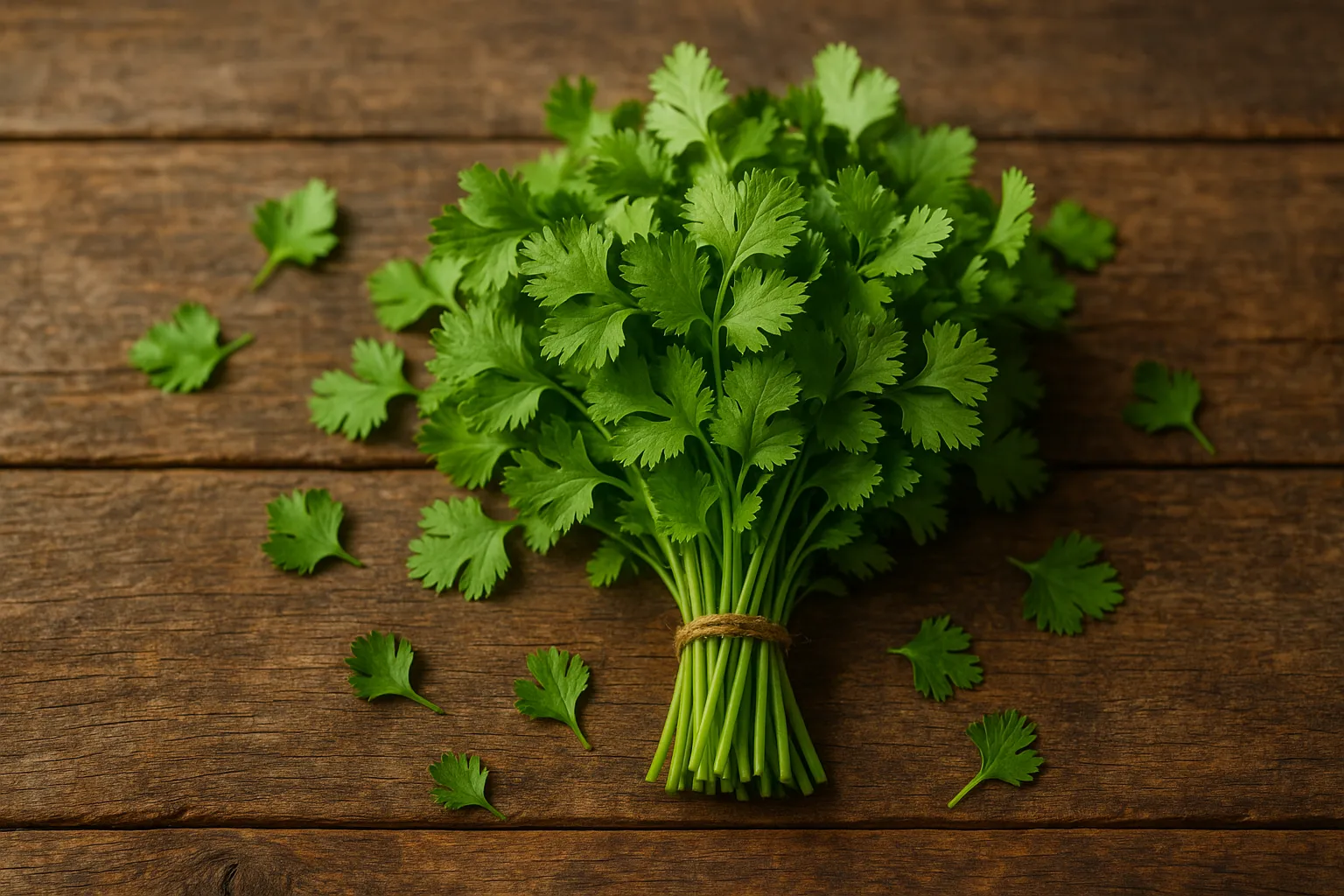
Quick Nutrition Facts
Per 100g Fresh Coriander Leaves
| Nutrient | Amount |
|---|---|
| Calories | 23 kcal |
| Protein | 2.1g |
| Carbohydrates | 3.7g |
| Fiber | 2.8g |
| Sugars | 0.9g |
| Fat | 0.5g |
| Vitamin K | 310µg |
| Vitamin A | 6748 IU |
| Vitamin C | 27mg |
| Potassium | 521mg |
| Iron | 1.8mg |
Macronutrient Breakdown
 ChatGPT
  Claude
  AI Mode
  Perplexity
NUTRITIONIST INSIGHT
Coriander delivers 258% of daily vitamin K needs in just 100g, crucial for bone health and blood clotting. Rich in polyphenols and antioxidants that support metabolic health and reduce inflammation.
Myth Busters
MYTH #1: Coriander Has No Real Nutritional Value
TRUTH: Despite being 92% water, coriander is exceptionally nutrient-dense. 100g provides 258% vitamin K, 225% vitamin A, and 45% vitamin C of daily needs, plus powerful antioxidants.
MYTH #2: Coriander Is Just a Garnish With No Health Benefits
TRUTH: Coriander demonstrates antioxidant, anti-inflammatory, antidiabetic, and cardiovascular protective properties. Its polyphenols support metabolic health and may help regulate blood sugar.
MYTH #3: You Need Large Amounts to Get Benefits
TRUTH: Even 10-20g (a small handful) provides significant vitamin K, vitamin A, and antioxidants. The concentrated nutrient density means small amounts deliver substantial health benefits.
MYTH #4: Coriander Causes Detox Reactions
TRUTH: While coriander does support natural detoxification pathways, it doesn't cause "detox symptoms." Any reactions are typically due to food sensitivities or overconsumption; moderate use is safe for most people.
MYTH #5: Dried Coriander Is As Nutritious As Fresh
TRUTH: Fresh coriander contains significantly more vitamin C, vitamin A, and volatile antioxidant compounds. Dried coriander (cilantro) loses most vitamin C and many beneficial compounds during processing.
NutriScore by Health Goals
| Health Goal | NutriScore | Why This Score? |
|---|---|---|
| Weight Loss |  | Only 23 calories per 100g, high fiber aids satiety, diuretic properties reduce water retention. |
| Muscle Gain |  | Provides 2.1g protein per 100g, rich in iron for oxygen transport, vitamin K supports bone health during training. |
| Diabetes Management | | May improve insulin sensitivity and blood sugar control, only 3.7g carbs with minimal glycemic impact. |
| PCOS Management | | Anti-inflammatory properties support hormone balance, antioxidants combat oxidative stress. |
| Pregnancy Nutrition | | Rich in folate (62µg per 100g) for fetal development, iron prevents anemia, vitamin K supports maternal bone health. Safe in normal food amounts. |
| Viral/Flu Recovery | | High vitamin C (27mg) boosts immunity, antioxidants combat inflammation, easy to digest, supports hydration. |
PERSONALIZED NUTRITION
Track your meals with NutriScan for personalized NutriScores based on your specific health goals!
Blood Sugar Response to Coriander
Understanding how coriander affects blood glucose helps you maximize its benefits for metabolic health.
Typical Glucose Response Curve
Coriander has minimal impact on blood glucose. Chart shows negligible response typical of low-carb herbs. Individual responses may vary. Not medical advice.
How to Maximize Blood Sugar Benefits
Research suggests coriander may help regulate blood sugar through its polyphenol content:
- 🥗 Add to meals - Use fresh leaves as garnish to enhance insulin sensitivity
- 🍹 Coriander water - Soak overnight, drink in morning for metabolic support
- 🥄 Green chutney - Combine with mint, yogurt for protein-rich condiment
- 🌿 Fresh juice - Blend with cucumber, lemon for low-calorie nutrient boost
This herb adds virtually no carbs while potentially improving glucose metabolism and providing antioxidant protection.
Cultural Significance
Coriander is one of humanity's oldest herbs, with evidence of use dating back 7,000 years across Mediterranean, Asian, and Middle Eastern cultures.
In India:
- Essential herb in Ayurvedic medicine for digestive and cooling properties
- Used in every regional cuisine from chutneys to curries
- Called "dhania" in Hindi; both leaves and seeds are culinary staples
- Traditional remedy for digestion, fever reduction, and skin health
- Seeds offered in religious ceremonies and used in traditional remedies
Global Impact:
- One of the most widely used culinary herbs globally
- Mentioned in ancient Egyptian texts and Bible references
- Used in traditional Chinese medicine for thousands of years
- Both leaves (cilantro) and seeds (coriander) used in global cuisines
Compare & Substitute
Coriander vs Similar Herbs (Per 100g)
| Nutrient | 🌿 Coriander | 🌿 Parsley | 🌿 Mint | 🌿 Basil |
|---|---|---|---|---|
| Calories | 23 kcal | 36 kcal | 70 kcal | 23 kcal |
| Carbs | 3.7g | 6.3g | 14.9g | 2.7g |
| Fiber | 2.8g | 3.3g | 8g | 1.6g |
| Protein | 2.1g | 3g | 3.8g | 3.2g |
| Fat | 0.5g | 0.8g | 0.9g | 0.6g |
| Vitamin K | 310µg (258%) | 1640µg (1367%) | 540µg (450%) | 415µg (346%) |
| Vitamin A | 6748 IU | 8424 IU | 4248 IU | 5275 IU |
| Vitamin C | 27mg | 133mg | 32mg | 18mg |
| Best For | Indian cuisine, chutneys, antioxidants | Highest vitamin C, Middle Eastern dishes | Digestive health, teas | Italian cuisine, anti-inflammatory |
Frequently Asked Questions
Is coriander good for weight loss?
Yes, fresh coriander is excellent for weight loss. With only 23 calories per 100g and 2.8g fiber, it adds flavor and nutrients without calories. Its diuretic properties help reduce water retention.
Best practices: Use as garnish on all meals; make green chutney with yogurt; add to smoothies; use in salads. No need to limit quantity.
Can diabetics eat coriander?
Absolutely. Coriander is ideal for diabetics with minimal carbs (3.7g per 100g) and near-zero glycemic impact. Studies show it may help regulate blood sugar and improve insulin sensitivity.
Tips for diabetics:
- Add fresh leaves to every meal
- Make coriander water (soak overnight, drink in morning)
- Use in chutneys with protein-rich yogurt
- Combine with other blood-sugar friendly herbs
The antioxidant polyphenols may support better glucose metabolism. Always monitor blood sugar and consult your healthcare provider.
What vitamins are in fresh coriander?
Fresh coriander is exceptionally rich in multiple vitamins per 100g:
Top Vitamins:
- Vitamin K: 310µg (258% DV) - Bone health, blood clotting
- Vitamin A: 6748 IU (225% DV) - Eye health, immunity
- Vitamin C: 27mg (45% DV) - Immune support, antioxidant
- Folate: 62µg (15.5% DV) - Cell growth, pregnancy
- Vitamin B6: 0.15mg (11% DV) - Metabolism, brain function
Plus iron, potassium, and manganese. One of the most nutrient-dense herbs available.
What are the main health benefits of coriander?
Key Benefits:
- Powerful Antioxidants: Polyphenols combat oxidative stress and inflammation
- Bone Health: Exceptional vitamin K supports bone density
- Immune Support: High vitamin A and C boost immunity
- Digestive Health: Traditional use for bloating, gas, indigestion
- Blood Sugar Regulation: May improve insulin sensitivity
- Heart Health: Antioxidants and diuretic properties support cardiovascular function
- Anti-inflammatory: May reduce chronic inflammation
How much coriander should I eat daily?
Daily Recommendations:
- 10-20g (small handful) - Minimum for vitamin benefits
- 50-100g - Optimal for health benefits in curries, chutneys, salads
- No upper limit - Extremely safe; you can use liberally as garnish
Unlike many foods, coriander has no practical upper limit for food amounts. The more you use, the more antioxidants and vitamins you get with negligible calories.
Track your meals with NutriScan app to see how coriander boosts your nutrition profile.
Is coriander safe during pregnancy?
Generally safe and beneficial during pregnancy in normal food amounts.
Pregnancy Benefits:
- Folate: 62µg per 100g supports fetal neural development
- Iron: 1.8mg helps prevent pregnancy anemia
- Vitamin K: Supports maternal bone health
- Digestive Aid: Helps with pregnancy-related bloating
Important Note: Use fresh coriander in cooking and garnishes freely. Avoid concentrated supplements or large medicinal doses without consulting your healthcare provider. Normal culinary use is safe and recommended.
Can I eat coriander every day?
Yes, daily consumption is safe and beneficial. As a fresh herb with no known toxicity in food amounts, you can eat coriander daily without concerns.
Daily Use Ideas:
- Morning: Coriander water or green smoothie
- Lunch: Fresh garnish on rice, daal, curries
- Dinner: Coriander chutney or mixed in salads
- Snacks: Fresh juice or in raita
The only concern is individual taste preference (genetic variation affects taste perception for some people) or rare food allergies.


Similar Nutritious Foods
4505 Chicharrones Classic Chili Salt
7 Eleven Japan Crispy Corn Cheese
Explore More Nutrition Tools & Resources
AI Calorie Counter App - Snap a Photo, Get Macros
AI Nutritionist App That Reads Your Logged Meals
Best Protein Supplements for Women
Bulking Meal Plan App That Sets Your Surplus
ChatGPT Calorie Counter Alternative That Keeps the Total
ChatGPT Diet Plan Alternative That Tracks What You Eat
ChatGPT Weight Loss Coach Alternative With a Food Log
Fast Food Calorie Counter App That Reads the Tray
Free Calorie Tracker App with AI Photo Scans | NutriScan
Indian Diet Plan App With Veg and Non Veg Meals
Indian Food Calorie Calculator - Get Instant Nutrition Facts for Desi Meals — 2026
Intermittent Fasting for Women, Timer and Meal Log App
Intermittent Fasting Tracker App - Free Fasting Timer
Macro Tracker App That Fills the Numbers From a Photo
Mediterranean Diet Meal Plan App That Counts the Oil
Micronutrient Tracker App for Vitamins and Minerals
MyFitnessPal Alternative That Stays Free | NutriScan
NutriScore App: A Free Grade on Every Meal | NutriScan
Nutrition Label Scanner App for the Amount You Ate
Second Trimester Protein Guide
Vegetarian Meal Plan App With a Protein Target
Voice Calorie Counter - Speak to Track Meals Hands-Free
Water and Calorie Tracker App - Free Water Log