Fried Potatoes: Calories, Nutrition and Health Benefits
Crispy golden comfort food—potatoes are nutritious roots, but frying dramatically increases calories and changes nutritional profile through oil absorption.
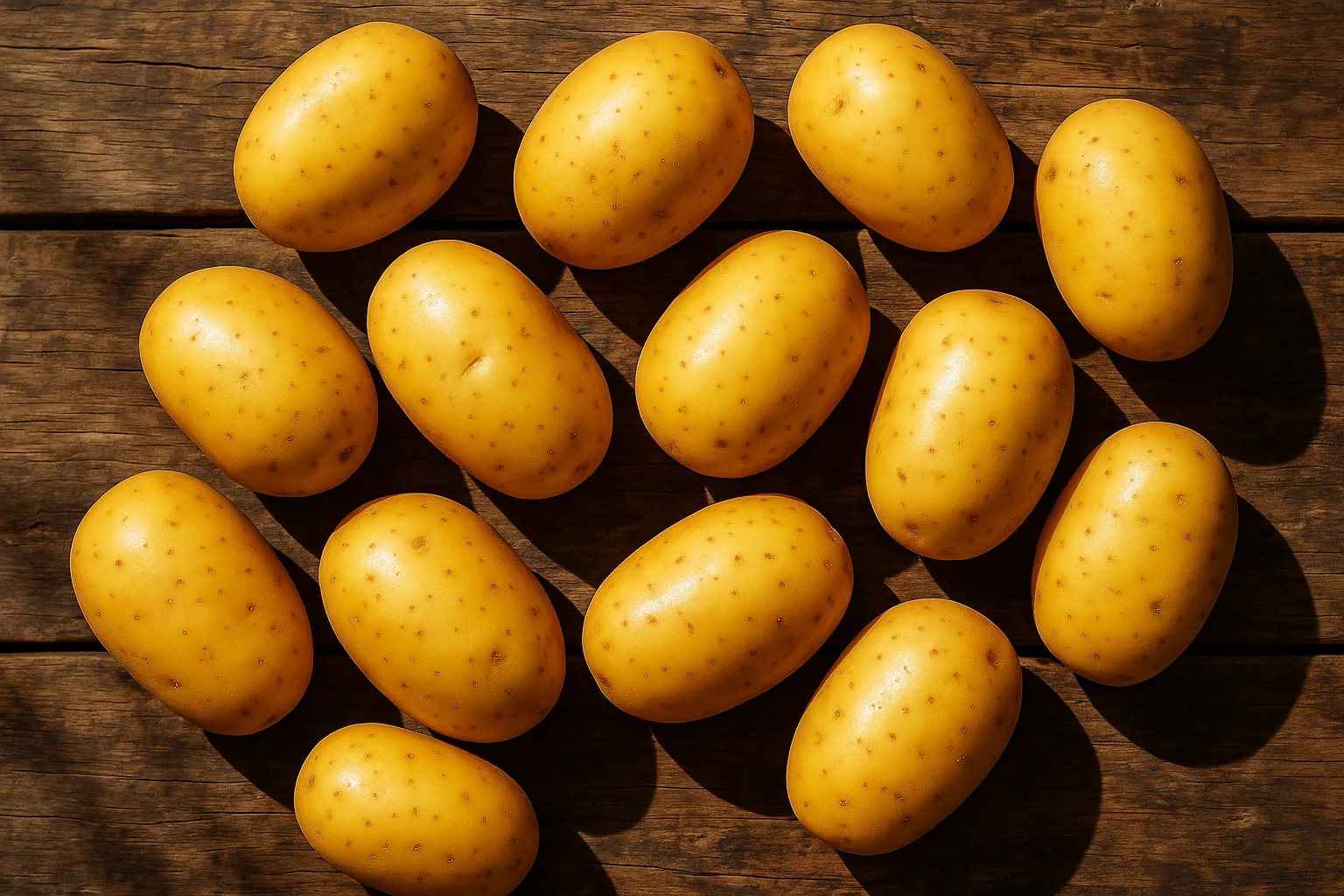
Quick Nutrition Facts
Per 1 Serving Fried Potatoes (100g)
| Nutrient | Amount |
|---|---|
| Calories | 280 kcal |
| Protein | 3g |
| Carbohydrates | 36g |
| Fiber | 3.2g |
| Sugars | 0.3g |
| Fat | 14g |
| Potassium | 897mg |
| Vitamin C | 8.5mg |
| Vitamin B6 | 0.25mg |
| Manganese | 0.18mg |
Macronutrient Breakdown
 ChatGPT
  Claude
  AI Mode
  Perplexity
NUTRITIONIST INSIGHT
The issue with fried potatoes isn't the potato—it's the oil. Potatoes naturally contain potassium, vitamin B6, and resistant starch when cooled. Deep frying absorbs oil, tripling calories from ~110 kcal (boiled) to ~280 kcal (fried). Choosing air-fried or baked potatoes preserves nutrients while dramatically reducing fat and calories.
Myth Busters
MYTH #1: Potatoes Are Inherently Bad and Fattening
TRUTH: Potatoes ranked highest in satiety among common foods. Plain boiled potatoes contain only 77 calories per 100g and support weight loss. The problem isn't potatoes—it's frying in excess oil, adding butter, sour cream, or cheese toppings.
MYTH #2: All Fried Potatoes Are Equally Unhealthy
TRUTH: Cooking method dramatically impacts nutrition. Deep-fried fries absorb 50-60% of their weight in oil (~14g fat per 100g); air-fried potatoes contain only 5-7g fat. Air-frying provides potato benefits with 50% fewer calories.
MYTH #3: Fried Potatoes Have No Nutritional Value
TRUTH: Despite frying, potatoes retain potassium (897mg per 100g), vitamin B6, vitamin C, and fiber. Cooled and reheated fried potatoes contain increased resistant starch—a prebiotic fiber supporting gut health and satiety. Fiber content: 3.2g per serving.
MYTH #4: Cold Fried Potatoes Are Worse Than Hot
TRUTH: Cooling fried potatoes actually improves nutrient profile. Starch undergoes retrogradation during cooling, forming resistant starch that resists digestion like fiber, slowing glucose absorption and increasing satiety. Cold potato salad is metabolically superior to hot fries.
MYTH #5: Avoiding Fried Potatoes Means Never Enjoying Crispy Potatoes
TRUTH: Air-fryers and ovens produce equally crispy potatoes using just 1 tablespoon oil per 300g potatoes vs. 30+ tablespoons in deep-frying. Modern alternatives like air-frying, baking, and pan-roasting deliver the texture people love with 60-75% fewer calories. Taste and health aren't mutually exclusive.
NutriScore by Health Goals
| Health Goal | NutriScore | Why This Score? |
|---|---|---|
| Weight Loss |  | 280 calories per 100g is high. 14g fat from oil absorption. Limit portions to 50g, choose air-fried alternatives (140 cal), pair with protein. Regular consumption not recommended. |
| Muscle Gain | | Only 3g protein per serving—inadequate for muscle growth. High calories (280) without sufficient protein. Choose potato + egg combination or baked potatoes with Greek yogurt instead. |
| Diabetes Management |  | High glycemic index (~72) combined with 14g fat impairs blood sugar control. Cooled and reheated versions have lower GI due to resistant starch. Best practice: avoid; choose boiled potatoes instead. |
| PCOS Management | | High carbs (36g) combined with high fat (14g) worsens insulin sensitivity. Not suitable for PCOS. Choose boiled or baked potatoes with cinnamon to moderate glycemic response. |
| Pregnancy Nutrition | | Potassium (897mg) supports healthy blood pressure; vitamin B6 reduces nausea. However, high fat and calories make boiled potatoes a better choice during pregnancy. |
| Viral/Flu Recovery |  | Easy to digest when cooled, gentle on stomach, provides quick carbs (36g) for energy recovery, vitamin C (8.5mg) for immunity, potassium for electrolyte balance. |
PERSONALIZED NUTRITION
Track your fried potato consumption with NutriScan to monitor calorie and fat intake within your health goals!
Blood Sugar Response to Fried Potatoes
Understanding glucose impact helps you make informed decisions about portion size and frequency of consumption.
Typical Glucose Response Curve
This chart shows typical blood glucose response for general healthy individuals. Individual responses may vary. Not medical advice.
How to Minimize the Impact
If consuming fried potatoes, these strategies reduce blood sugar spike and calorie absorption:
- 🥒 Vinegar or lemon - Acetic acid reduces starch digestion and glucose absorption by 20-30%
- 🧂 Salt with cooling - Cooling creates resistant starch; sprinkle salt to maintain minerals
- 🥬 Vegetable side - Fiber from greens slows glucose peak by 25-35%
- 🚶 Post-meal movement - 15 minutes walking after eating reduces blood sugar spike by 30% vs. sitting
This combination won't eliminate glucose spikes from frying, but strategically decreases impact. Better option: choose air-fried potatoes (60% fewer calories, similar taste).
Cultural Significance
Fried potatoes are beloved across cultures, with variations reflecting regional food traditions and ingredient availability.
In India:
- Aloo fries and chips are popular street foods and accompaniments
- Traditional potato fries prepared with curry leaves, mustard seeds, and spices
- Served alongside South Indian snacks like dosa and samosa
- Growing awareness of healthier preparation methods (air-frying, baking)
- McDonald's and fast food popularized deep-fried potato consumption
Global Impact:
- French fries among most consumed foods worldwide
- Belgium, France, Spain, and Netherlands have distinct preparation traditions
- Fish and chips culture in UK and English-speaking countries
- Growing trend toward home cooking and air-fried alternatives
- McDonald's single-handedly normalized deep-fried potato consumption globally
Compare & Substitute
Fried Potatoes vs Potato Preparations (Per 100g)
| Nutrient | 🍟 Fried | 🥔 Boiled | 🍠 Baked | 🌽 Roasted |
|---|---|---|---|---|
| Calories | 280 kcal | 77 kcal | 95 kcal | 150 kcal |
| Carbs | 36g | 17g | 21g | 31g |
| Fiber | 3.2g | 1.6g | 2.1g | 3g |
| Protein | 3g | 1.7g | 2.1g | 2.5g |
| Fat | 14g | 0.1g | 0.1g | 5.4g |
| Potassium | 897mg | 349mg | 391mg | 750mg |
| Vitamin C | 8.5mg | 16mg | 5.2mg | 12mg |
| R. Starch | High (cooled) | Low | Low | Medium (cooled) |
| Best For | Occasional treat | Daily use | Weight loss, diabetes | Balanced option |
Frequently Asked Questions
Are fried potatoes bad for weight loss?
Fried potatoes are calorie-dense (280 cal per 100g vs. 77 cal for boiled), making weight loss difficult. The issue is oil absorption—deep frying triples potato calories. For weight loss: choose boiled potatoes instead, or limit fried portions to 50g; pair with protein; use air-fried alternatives (140 cal). Regular fried potato consumption typically leads to weight gain, not loss.
Can diabetics eat fried potatoes?
Diabetics should limit fried potatoes due to high glycemic index (~72) and high fat content that impairs insulin sensitivity. Cooled and reheated versions contain more resistant starch, lowering glycemic impact somewhat. Best practice: eat in small portions (50g), pair with protein and vegetables, choose air-fried alternatives when possible, and monitor individual blood sugar response. Boiled potatoes are a superior choice.
How much fat is in fried potatoes?
A 100g serving of deep-fried potatoes contains 14g fat—the result of oil absorption during frying. Cooking method dramatically impacts fat content: air-fried (5-7g fat, 140 cal), pan-fried (8-10g fat, 160 cal), deep-fried (14-16g fat, 280 cal). Saturated fat content depends on oil type used.
What are the health benefits of potatoes?
Raw potatoes contain potassium (897mg) for heart health, vitamin B6 (0.25mg) for brain development, vitamin C (8.5mg) for immunity, and fiber (3.2g) for digestion. Cooled potatoes develop resistant starch behaving like prebiotic fiber. The benefits aren't problematic—frying in excess oil is. Boiled or baked potatoes deliver the same nutrients with 60-75% fewer calories.
When is the best time to eat fried potatoes?
Best consumed occasionally rather than regularly. If eating: early lunch or afternoon when activity levels allow calorie burn. Pair with lean protein and vegetables to improve nutrient balance. Avoid dinner or late-night eating when digestion is slower and activity ends soon. For regular consumption, choose boiled or air-fried versions instead.
Are cooled fried potatoes healthier than hot?
Yes, significantly. Cooling allows starch retrogradation, creating resistant starch—a prebiotic fiber that slows glucose absorption and increases satiety comparable to added fiber. Studies show cooled potato salad causes 25-30% lower glucose spikes than hot fries. Reheating doesn't reverse this benefit. Cold potato salad with vinegar dressing provides additional acid-based glucose modulation.
How much oil is used in frying potatoes?
Professional deep-frying typically uses 25-35 tablespoons oil per 1kg potatoes. A single 100g serving absorbs approximately 14g oil (2 tablespoons). Home cooking can reduce this: pan-frying uses 5 tablespoons per 500g (10g per 100g); air-frying uses 1 tablespoon per 300g (3.3g per 100g). Oil choice affects saturation fat; avocado and olive oil are healthier options than palm oil.
Can I make healthier fried potatoes at home?
Yes. Air-fryer: 1 tablespoon oil per 300g potatoes yields 140 calories, 60% reduction vs. deep-frying. Oven-roasting: 1 tablespoon oil per 500g, 150 calories. Pan-frying: minimal oil with frequent turning reduces absorption. All methods preserve taste while dramatically reducing calories and fat. Starting a potatoes habit with healthier preparation methods prevents high-calorie cravings.


Similar Nutritious Foods
4505 Chicharrones Classic Chili Salt
7 Eleven Japan Crispy Corn Cheese
Explore More Nutrition Tools & Resources
AI Calorie Counter App - Snap a Photo, Get Macros
AI Nutritionist App That Reads Your Logged Meals
Best Protein Supplements for Women
Bulking Meal Plan App That Sets Your Surplus
ChatGPT Calorie Counter Alternative That Keeps the Total
ChatGPT Diet Plan Alternative That Tracks What You Eat
ChatGPT Weight Loss Coach Alternative With a Food Log
Fast Food Calorie Counter App That Reads the Tray
Free Calorie Tracker App with AI Photo Scans | NutriScan
Indian Diet Plan App With Veg and Non Veg Meals
Indian Food Calorie Calculator - Get Instant Nutrition Facts for Desi Meals — 2026
Intermittent Fasting for Women, Timer and Meal Log App
Intermittent Fasting Tracker App - Free Fasting Timer
Macro Tracker App That Fills the Numbers From a Photo
Mediterranean Diet Meal Plan App That Counts the Oil
Micronutrient Tracker App for Vitamins and Minerals
MyFitnessPal Alternative That Stays Free | NutriScan
NutriScore App: A Free Grade on Every Meal | NutriScan
Nutrition Label Scanner App for the Amount You Ate
Second Trimester Protein Guide
Vegetarian Meal Plan App With a Protein Target
Voice Calorie Counter - Speak to Track Meals Hands-Free
Water and Calorie Tracker App - Free Water Log