Fried Rice: Calories, Nutrition and Health Benefits
Popular high-energy carb dish providing quick fuel, B vitamins, and customizable nutrition with vegetables and protein.
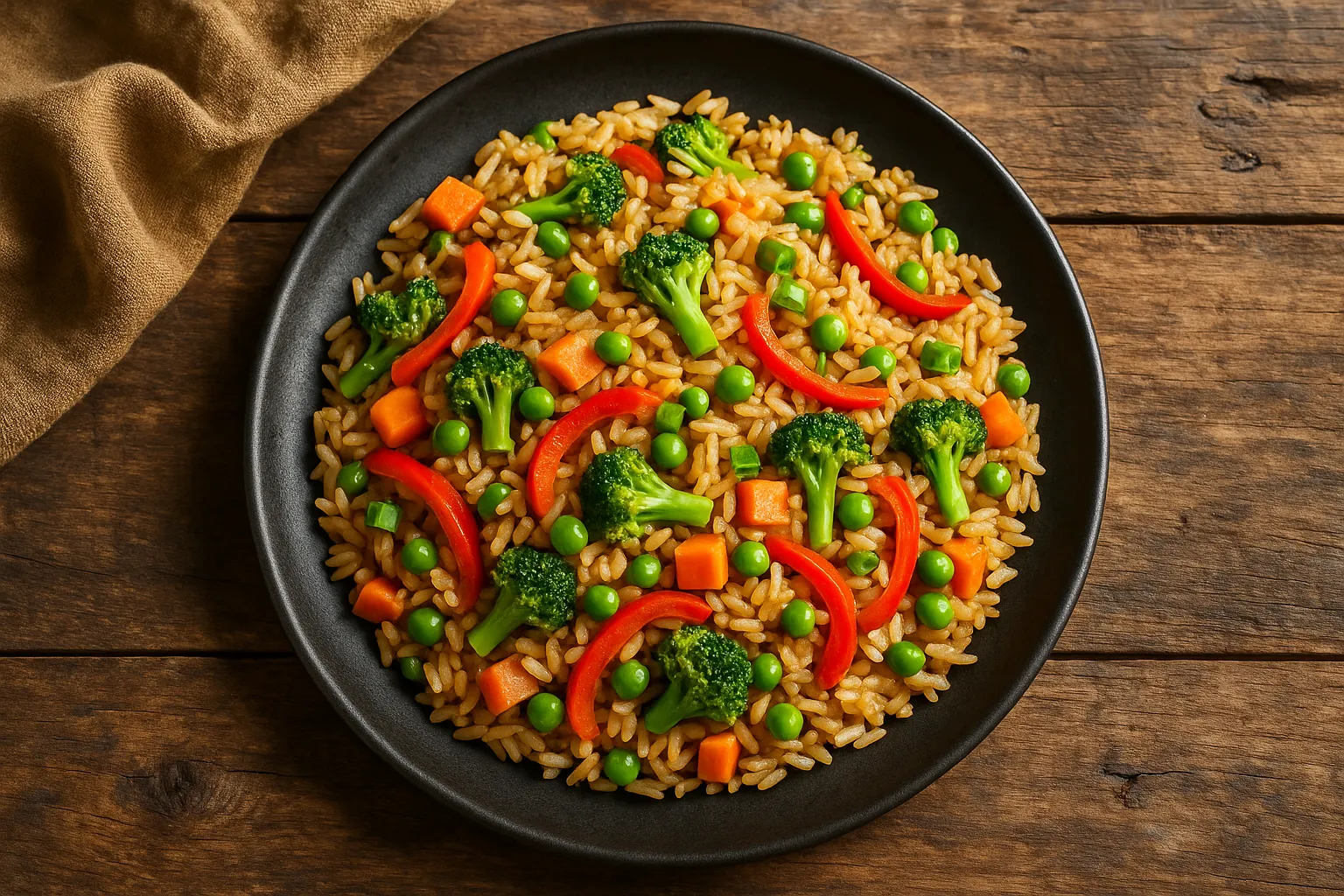
Quick Nutrition Facts
Per 1 Cup (137g serving)
| Nutrient | Amount |
|---|---|
| Calories | 238 kcal |
| Protein | 5.6g |
| Carbohydrates | 45g |
| Fiber | 1.5g |
| Sugars | 0.8g |
| Fat | 4.1g |
| Sodium | 530mg |
| Iron | 0.9mg |
| Manganese | 0.6mg |
| Selenium | 11.4mcg |
Macronutrient Breakdown
 ChatGPT
  Claude
  AI Mode
  Perplexity
NUTRITIONIST INSIGHT
Fried rice is best consumed post-workout when your body needs quick carbs for glycogen replenishment. Add vegetables and protein to transform it into a balanced meal with better satiety.
Myth Busters
MYTH #1: Fried Rice Is Always Unhealthy
TRUTH: Fried rice can be nutritious when made with brown rice, vegetables, lean protein, and minimal oil. Restaurant versions are higher in sodium and fat, but homemade versions offer control over ingredients and calories.
MYTH #2: All Fried Rice Has MSG
TRUTH: Not all fried rice contains MSG. Many restaurants and home cooks skip MSG entirely. You can make delicious fried rice using soy sauce, garlic, ginger, and sesame oil without any MSG.
MYTH #3: Fried Rice Makes You Gain Weight
TRUTH: Weight gain comes from excess calories, not fried rice itself. One cup has 238 calories—manageable within a balanced diet. Portion control and ingredient quality matter more than avoiding it completely.
MYTH #4: White Rice Is Better Than Fried Rice
TRUTH: Fried rice often contains more protein, vegetables, and micronutrients than plain white rice. While it has more sodium (387mg vs 1mg), it provides better satiety and nutritional variety when made with healthy additions.
MYTH #5: Fried Rice Should Only Be a Side Dish
TRUTH: When made with vegetables, protein (eggs, chicken, shrimp), and brown rice, fried rice becomes a complete balanced meal providing carbs, protein, fiber, vitamins, and minerals in one dish.
MYTH #6: Day-Old Rice Is Unsafe for Fried Rice
TRUTH: Day-old refrigerated rice is actually ideal for fried rice. Cold rice has lower moisture content, preventing mushiness. Store properly at 40°F or below and use within 3-4 days.
NutriScore by Health Goals
| Health Goal | NutriScore | Why This Score? |
|---|---|---|
| Weight Loss |  | 238 calories per cup, high GI (80). Better for maintenance than loss. Limit to 1 cup, add vegetables, use brown rice. |
| Muscle Gain |  | Excellent post-workout carbs (45g) for glycogen replenishment. Add eggs or chicken for protein boost (15-20g total). |
| Diabetes Management |  | High GI (80) causes rapid blood sugar spike. Limit to 1/2 cup, pair with protein, use brown rice, monitor glucose. |
| PCOS Management | | High glycemic load affects insulin resistance. Better alternatives: cauliflower rice, quinoa. If eating, limit portion and add protein/fiber. |
| Pregnancy Nutrition | | Provides energy and B vitamins but high in sodium (530mg per cup). Choose low-sodium versions, add vegetables for folate and fiber. |
| Viral/Flu Recovery | | Easy to digest, quick energy, customizable with immunity-boosting vegetables (carrots, peas). Good comfort food during recovery. |
PERSONALIZED NUTRITION
Track your meals with NutriScan for personalized NutriScores based on your specific health goals!
Blood Sugar Response to Fried Rice
Understanding how fried rice affects blood glucose is crucial for diabetes management and metabolic health.
Typical Glucose Response Curve
This chart shows typical blood glucose response for high-GI rice dish. Individual responses may vary. Not medical advice.
How to Flatten the Spike
Pairing fried rice with protein, fiber, and healthy fats slows glucose absorption and reduces peak blood sugar:
- 🥚 Add Eggs or Tofu - Protein slows carb digestion by 30-40%
- 🥦 Double the Vegetables - Fiber reduces glycemic impact significantly
- 🥜 Include Nuts or Seeds - Healthy fats moderate glucose rise
- 🍚 Use Brown Rice - Lower GI (55 vs 80), more fiber, better control
This combination reduces the glucose spike while extending energy release for 2-3 hours instead of 45 minutes.
Cultural Significance
Fried rice has a 1,500-year history, originating in China during the Sui Dynasty (589-618 AD) as a way to use leftover rice.
In Asia:
- China: Yangzhou fried rice with shrimp, ham, eggs—the gold standard
- Thailand: Khao pad with fish sauce, lime, and Thai basil
- Indonesia: Nasi goreng with kecap manis (sweet soy) and sambal
- Japan: Yakimeshi or chahan with minimal seasoning, highlighting ingredients
Global Impact:
- Found in every country with Chinese diaspora
- Adapted to local ingredients: Hawaiian pineapple, Indian spices, Mexican chorizo
- Quick, economical meal feeding millions daily
- Street food staple across Southeast Asia
Compare & Substitute
Fried Rice vs Similar Dishes (Per 100g)
| Nutrient | 🍚 Fried Rice | 🍚 White Rice | 🍚 Brown Rice | 🥦 Cauliflower Rice |
|---|---|---|---|---|
| Calories | 174 kcal | 130 kcal | 112 kcal | 31 kcal |
| Carbs | 33g | 28g | 24g | 5g |
| Fiber | 1.1g | 0.4g | 1.8g | 2.5g |
| Protein | 4.1g | 2.7g | 2.3g | 2.3g |
| Fat | 3g | 0.3g | 0.9g | 0.6g |
| Sodium | 387mg | 1mg | 5mg | 19mg |
| Iron | 0.66mg | 0.2mg | 0.4mg | 0.4mg |
| GI | 80 (high) | 73 (high) | 55 (medium) | 15 (low) |
| Best For | Quick energy, post-workout | Pure carbs, easy digestion | Sustained energy, fiber | Weight loss, low-carb |
Frequently Asked Questions
Is fried rice good for weight loss?
Fried rice can fit into a weight loss plan with careful portion control. At 174 calories per 100g (238 per cup), it's moderate in calories but high in carbs.
Weight loss tips: Limit to 1 cup per meal; use brown rice for more fiber (increases satiety); add 100g vegetables to increase volume without calories; include lean protein (chicken, shrimp, egg whites); use cooking spray instead of oil; measure portions to avoid overeating.
Better alternative: Cauliflower rice fried rice cuts calories by 80% while maintaining flavor and texture.
Can diabetics eat fried rice?
Diabetics should approach fried rice cautiously due to its high glycemic index (GI 80), which causes rapid blood sugar spikes.
Tips for diabetics: Limit portion to 1/2 cup (120 cal); always pair with 100g protein and vegetables; use brown rice (GI 55) instead of white; eat mid-day when insulin sensitivity is higher; monitor blood sugar 2 hours after eating; consider cauliflower rice alternative (GI 15).
The high glycemic load (35) makes fried rice challenging for blood sugar control. Always consult your healthcare provider before making dietary changes.
How much protein is in fried rice?
Basic fried rice contains 4.1g of protein per 100g (5.6g per cup)—relatively low for a main dish. This comes primarily from eggs and small amounts from rice itself.
Boost protein content: Add 100g scrambled eggs (+12g protein); include 100g chicken breast (+31g protein); mix in 100g shrimp (+24g protein); add firm tofu cubes (+8g protein per 100g).
With protein additions, fried rice becomes a balanced meal providing 15-25g protein per serving, supporting muscle maintenance and satiety.
What are the main health benefits of fried rice?
Key Benefits:
- Quick Energy: 33g carbs provide immediate fuel for physical activity
- B Vitamins: Thiamin, niacin support metabolism and energy production
- Minerals: Iron (0.66mg), zinc (0.72mg), selenium (8.3mcg) support immunity
- Manganese: 0.43mg (19% DV) for bone health and metabolism
- Versatile Nutrition: Customizable with vegetables and protein for balanced meal
- Satiety: Combination of carbs, protein, and fat provides 2-3 hours fullness
Best consumed post-workout or when high energy expenditure is expected.
Is fried rice better than white rice?
Fried rice offers different benefits than plain white rice:
Fried Rice Advantages: More protein (4.1g vs 2.7g); added vegetables increase micronutrients; better flavor and satiety; includes healthy fats from oil/eggs.
White Rice Advantages: Fewer calories (130 vs 174); much lower sodium (1mg vs 387mg); neutral flavor for any meal; easier to control portions.
Verdict: Neither is "better"—choose based on goals. White rice for calorie control and low sodium. Fried rice for more complete nutrition and satiety. Use brown rice base for healthiest version.
What's the healthiest way to make fried rice?
Healthy Fried Rice Formula:
Base: Use 2 cups cooked brown rice (day-old, refrigerated) for lower GI and more fiber.
Vegetables: Add 2 cups mixed vegetables—carrots, peas, bell peppers, broccoli—for vitamins, fiber, and volume.
Protein: Include 150g lean protein—scrambled egg whites (2-3), chicken breast, shrimp, or firm tofu.
Fat: Use only 1 tablespoon oil (sesame or avocado) or cooking spray to reduce calories by 100-150.
Seasoning: 2 tablespoons low-sodium soy sauce, garlic, ginger, green onions—skip MSG.
This reduces calories by 30-40%, doubles fiber, and increases protein to 15-20g per serving.
How many cups of fried rice should I eat per meal?
General Guidelines:
- 1 cup (238 cal) - Weight loss, sedentary lifestyle, diabetes management
- 1.5 cups (357 cal) - Maintenance, moderate activity, balanced diet
- 2 cups (476 cal) - Muscle gain, high activity, post-workout meal
Consider your goals: Weight loss requires strict portion control; athletes and active individuals can consume larger portions. Always balance with vegetables and protein.
Track your meals with NutriScan app to understand how fried rice fits your personal calorie and macro goals.


Similar Nutritious Foods
4505 Chicharrones Classic Chili Salt
7 Eleven Japan Crispy Corn Cheese
Explore More Nutrition Tools & Resources
AI Calorie Counter App - Snap a Photo, Get Macros
AI Nutritionist App That Reads Your Logged Meals
Best Protein Supplements for Women
Bulking Meal Plan App That Sets Your Surplus
ChatGPT Calorie Counter Alternative That Keeps the Total
ChatGPT Diet Plan Alternative That Tracks What You Eat
ChatGPT Weight Loss Coach Alternative With a Food Log
Fast Food Calorie Counter App That Reads the Tray
Free Calorie Tracker App with AI Photo Scans | NutriScan
Indian Diet Plan App With Veg and Non Veg Meals
Indian Food Calorie Calculator - Get Instant Nutrition Facts for Desi Meals — 2026
Intermittent Fasting for Women, Timer and Meal Log App
Intermittent Fasting Tracker App - Free Fasting Timer
Macro Tracker App That Fills the Numbers From a Photo
Mediterranean Diet Meal Plan App That Counts the Oil
Micronutrient Tracker App for Vitamins and Minerals
MyFitnessPal Alternative That Stays Free | NutriScan
NutriScore App: A Free Grade on Every Meal | NutriScan
Nutrition Label Scanner App for the Amount You Ate
Second Trimester Protein Guide
Vegetarian Meal Plan App With a Protein Target
Voice Calorie Counter - Speak to Track Meals Hands-Free
Water and Calorie Tracker App - Free Water Log