Frozen Yogurt: Calories, Nutrition and Health Benefits
A healthier frozen dessert with probiotics, lower calories than ice cream, and a creamy texture for guilt-free indulgence.
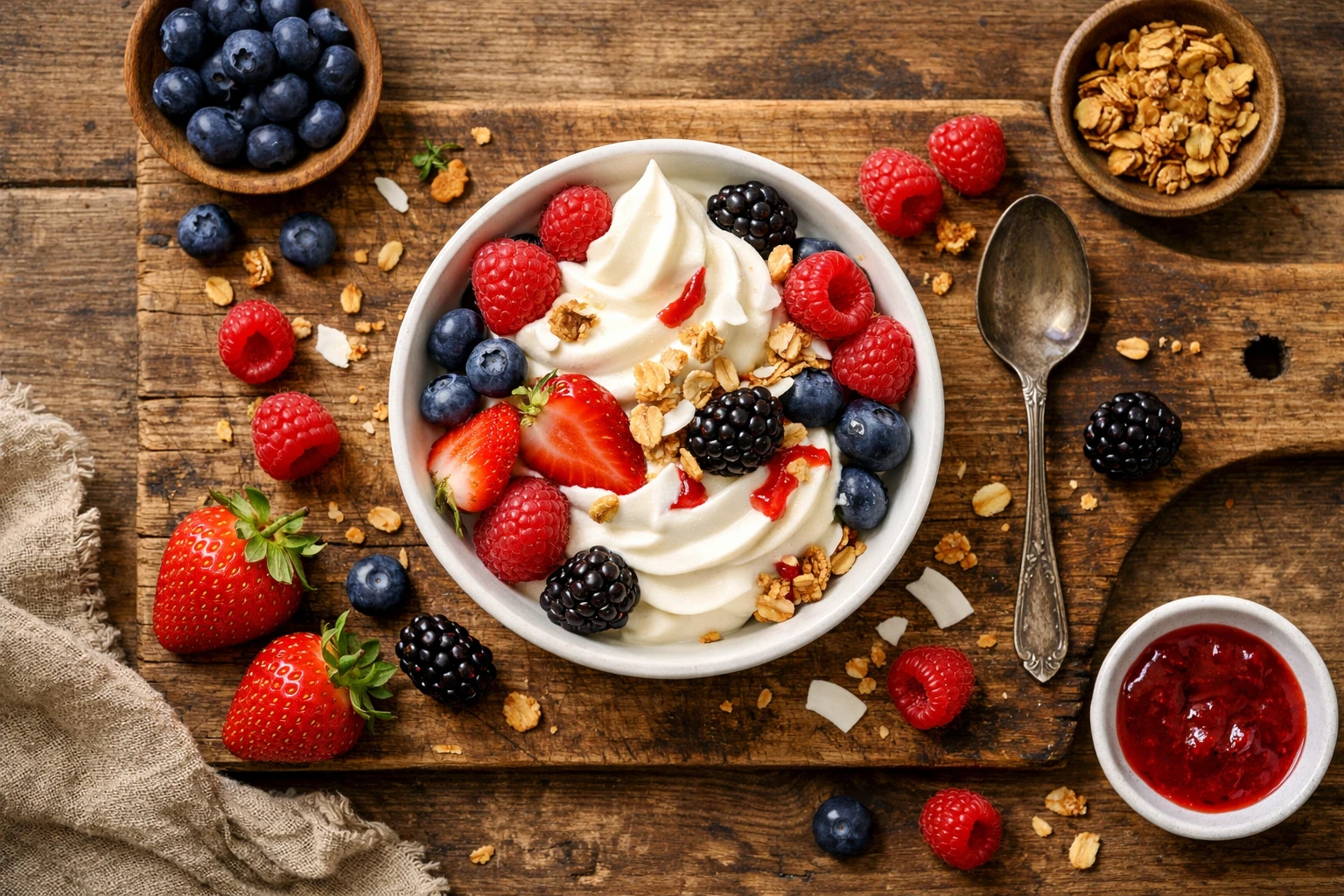
Quick Nutrition Facts
Per 100g Serving
| Nutrient | Amount |
|---|---|
| Calories | 127 kcal |
| Protein | 3.5g |
| Carbohydrates | 22g |
| Fiber | 0g |
| Sugars | 20g |
| Fat | 3.6g |
| Calcium | 100mg |
| Phosphorus | 89mg |
| Potassium | 156mg |
| Vitamin B2 | 0.18mg |
| Probiotics | 6.0-7.6 log CFU/g (fortified) |
Macronutrient Breakdown
 ChatGPT
  Claude
  AI Mode
  Perplexity
NUTRITIONIST INSIGHT
Frozen yogurt provides a lower-calorie alternative to ice cream with potential probiotic benefits. Fortified varieties maintain viable Bifidobacterium cultures (6.0+ log CFU/g) even after 60 days at -20°C. Choose sugar-free versions to maximize health benefits.
Myth Busters
MYTH #1: Frozen Yogurt Is Always Healthier Than Ice Cream
TRUTH: While frozen yogurt has fewer calories (127 vs 200-250 per 100g) and less fat (3.6g vs 10-15g), sugar content is often similar at 20g per 100g. Many commercial varieties add extra sugar to improve texture. Choose probiotic-fortified, sugar-free options for genuine health benefits.
MYTH #2: All Frozen Yogurt Contains Probiotics
TRUTH: Not all frozen yogurt contains live probiotics. Standard yogurt cultures (Lactobacillus bulgaricus) lose viability during freezing, but fortified varieties with Bifidobacterium strains maintain 6.0-7.6 log CFU/g for 60 days at -20°C. Check labels for "live active cultures."
MYTH #3: Frozen Yogurt Prevents Type 2 Diabetes
TRUTH: Evidence is mixed. Early meta-analyses showed 14-18% risk reduction, but a large 18-year study of 8,061 Black women found no significant benefit (HR 0.99). Benefits may be confounded by overall healthy dietary patterns rather than yogurt alone.
MYTH #4: Frozen Yogurt Is a Weight Loss Food
TRUTH: Limited RCT evidence supports weight loss claims; observational studies show association but may reflect reverse causation (health-conscious people choose yogurt). At 20g sugar per 100g, standard frozen yogurt can sabotage weight loss. Protein (3.5g) and calcium may increase satiety, but portion control is critical.
MYTH #5: Toppings Don't Add Many Calories
TRUTH: Toppings can double or triple calorie content. 30g chocolate chips add 150 calories; 30g granola adds 130 calories; 30g gummy bears add 90 calories. A 100g serving with toppings can easily exceed 300-400 calories, matching or surpassing ice cream.
MYTH #6: Frozen Yogurt Is Dairy-Free
TRUTH: Traditional frozen yogurt is made from dairy milk and contains lactose. Dairy-free versions use almond, coconut, or soy milk but typically lack probiotics and calcium unless fortified. Check labels if lactose-intolerant or vegan.
NutriScore by Health Goals
| Health Goal | NutriScore | Why This Score? |
|---|---|---|
| Weight Loss |  | 127 calories, 3.5g protein provide moderate satiety but 20g sugar limits benefits. Choose sugar-free varieties and limit to 75g portions. |
| Muscle Gain | | Low protein (3.5g per 100g) insufficient for muscle recovery. Better as a carb source post-workout (22g carbs). Add protein powder for better results. |
| Diabetes Management | | Glycemic index 51 (low) but high sugar content (20g). Choose sugar-free stevia/sucralose versions; pair with nuts; limit to 50g portions. |
| PCOS Management |  | High sugar affects insulin sensitivity. If consumed, choose sugar-free varieties, limit to occasional treat (50g max), pair with protein/healthy fat. |
| Pregnancy Nutrition |  | Studies show probiotic yogurt improved bowel function in pregnancy with no adverse outcomes. Provides calcium (100mg) and protein. Choose pasteurized, probiotic-fortified varieties. |
| Viral/Flu Recovery | | Easy to digest, probiotics support gut immunity, calcium and B vitamins aid recovery. Cold temperature soothes sore throat. Choose probiotic-fortified varieties. |
PERSONALIZED NUTRITION
Track your meals with NutriScan for personalized NutriScores based on your specific health goals! Use our Online Macro Calculator to find your daily nutrition targets.
Blood Sugar Response to Frozen Yogurt
Understanding how frozen yogurt affects your blood glucose helps you make informed decisions about portions and pairings.
Typical Glucose Response Curve
This chart shows typical blood glucose response for general healthy individuals. Individual responses may vary. Not medical advice.
How to Flatten the Spike
Pairing frozen yogurt with protein or healthy fat slows glucose absorption and reduces the peak blood sugar level:
- 🌰 Chopped almonds or walnuts - Adds healthy fats and fiber
- 🥜 Natural peanut butter or almond butter - Provides protein and healthy fats
- 🥥 Chia seeds or flaxseeds - Omega-3s and fiber slow digestion
- 🍫 Dark chocolate chips (70%+ cacao) - Lower sugar, adds antioxidants
This combination reduces the glucose spike and extends energy release, keeping you fuller longer while maximizing probiotic benefits.
Cultural Significance
Frozen yogurt represents the modern evolution of one of humanity's oldest fermented foods, dating back 5,000-10,000 years to Middle Eastern shepherds.
Historical Milestones:
- Ancient Era: Hippocrates recognized fermented milk as medicinal
- 1909: Ilya Metchnikoff proposed yogurt's lactobacilli linked to Bulgarian longevity
- 1919: First commercial yogurt production (Danone, Barcelona)
- 1970s-1980s: Frozen yogurt emerged as "healthier ice cream" in USA
- 1990s-2000s: Global frozen dessert boom; health-conscious consumers sought low-fat alternatives
- 2020s: Revival driven by probiotic awareness, gut health trends, sugar-free innovations
In India:
- Traditional dahi (yogurt) central to Ayurveda for digestive health
- Frozen variants gaining popularity in metro cities as healthy desserts
- Mediterranean diet adoption (2-3 dairy servings/day) drives demand
Global Impact:
- Probiotic market growth fueled by frozen yogurt's "functional food" positioning
- Sugar-free movement: Stevia and sucralose replacements maintain probiotic viability
- Sustainability: Lower fat content reduces dairy farming environmental impact vs ice cream
Compare & Substitute
Frozen Yogurt vs Similar Desserts (Per 100g)
| Nutrient | 🍦 Frozen Yogurt | 🍨 Ice Cream | 🥤 Greek Yogurt (Plain) | 🍌 Banana Ice Cream (Nice Cream) |
|---|---|---|---|---|
| Calories | 127 kcal | 207 kcal | 97 kcal | 89 kcal |
| Carbs | 22g | 24g | 3.6g | 23g |
| Fiber | 0g | 0.5g | 0g | 2.6g |
| Protein | 3.5g | 3.5g | 10g | 1.1g |
| Fat | 3.6g | 11g | 5g | 0.3g |
| Sugar | 20g | 21g | 4g | 12g |
| Calcium | 100mg | 128mg | 110mg | 5mg |
| Probiotics | 6.0-7.6 log CFU/g (fortified) | None | 10^6-10^9 CFU/g | None |
| Best For | Probiotic dessert, lower-fat treat | Indulgence, high-fat needs | High protein, gut health | Vegan, whole food, low-calorie |
Frequently Asked Questions
Is frozen yogurt good for weight loss?
Frozen yogurt can support weight loss when chosen carefully. At 127 calories per 100g, it's lower than regular ice cream (207 calories). However, standard versions contain 20g sugar per 100g, which can sabotage weight goals.
Best practices: Choose sugar-free varieties using stevia or sucralose; limit portions to 75g; avoid high-calorie toppings (granola, chocolate); pair with protein (nuts, seeds). Evidence for weight loss is limited; one RCT showed benefit but was confounded by calcium differences.
Can diabetics eat frozen yogurt?
Diabetics can eat frozen yogurt in moderation. With a glycemic index of 51 (low), it has moderate blood sugar impact. However, 20g sugar per 100g requires careful portion control.
Tips for diabetics:
- Choose sugar-free varieties with stevia, sucralose, or erythritol
- Limit portions to 50-75g (half cup)
- Pair with nuts, seeds, or nut butter to slow glucose absorption
- Monitor blood sugar 2 hours after eating
- Best timing: after a balanced meal, not on empty stomach
Large cohort studies show mixed evidence for diabetes prevention; consult your healthcare provider.
Does frozen yogurt contain live probiotics?
Fortified frozen yogurt can contain live probiotics, but not all brands do. Studies show Bifidobacterium strains maintain viability at 6.0-7.6 log CFU/g for 60 days at -20°C, while standard Lactobacillus bulgaricus cultures lose viability during freezing.
How to identify probiotic frozen yogurt: Check labels for "live active cultures," "contains probiotics," or specific strains (Bifidobacterium lactis, L. acidophilus); look for CFU counts (minimum 10^6 CFU/g); consume within recommended periods (60 days for frozen storage). Probiotics improve gut health, reduce pathogenic bacteria, and support immune function.
Is frozen yogurt healthier than ice cream?
Frozen yogurt is moderately healthier than ice cream but not a health food. It contains less fat (3.6g vs 10-15g per 100g), fewer calories (127 vs 200-250), and may provide probiotics. However, sugar content is often similar (20g per 100g in both).
Key differences: Frozen yogurt may contain probiotics (check labels); lower saturated fat (2.3g vs 7-10g); similar calcium content (100mg vs 128mg); often marketed as "guilt-free" but toppings and portions negate benefits. Choose probiotic-fortified, sugar-free varieties to maximize health advantages over ice cream.
Can pregnant women eat frozen yogurt?
Pregnant women can safely eat frozen yogurt. Studies show probiotic yogurt (300g daily for 4 weeks) improved bowel function in pregnancy with no adverse outcomes. Provides calcium (100mg per 100g) for fetal bone development and protein for tissue growth.
Pregnancy tips: Choose pasteurized varieties (all commercial frozen yogurt is pasteurized); select probiotic-fortified options for constipation relief; limit sugar intake (choose sugar-free or low-sugar); avoid excessive portions (75-100g servings); consult healthcare provider if gestational diabetes. Beneficial for managing pregnancy constipation naturally.
What are the main health benefits of frozen yogurt?
Key Benefits:
- Gut Health: Probiotics (6.0-7.6 log CFU/g in fortified varieties) displace pathogenic bacteria and improve digestive function
- Bone Health: Provides calcium (100mg) and phosphorus (89mg) for bone density
- Lower Calorie Dessert: 127 calories vs 200+ for ice cream; satisfies sweet cravings
- Stable Blood Sugar: Glycemic index 51 (low); moderate impact on glucose levels
- Protein Source: 3.5g protein aids satiety and muscle maintenance
- Vitamin B2: 0.18mg (14% DV) supports energy metabolism
Choose probiotic-fortified, sugar-free varieties for maximum benefits.
How much frozen yogurt should I eat per day?
General Guidelines:
- 75-100g daily - Most people (95-127 calories, moderate sugar)
- 50g daily - Diabetes, PCOS, or strict low-carb diets
- 100-150g daily - Athletes, active individuals, pregnancy (choose probiotic-fortified)
Avoid excess: More than 150g per day provides too much sugar (30g+), which can spike blood sugar and contribute to weight gain. Toppings dramatically increase calories; 100g with granola and chocolate can reach 350-400 calories.
Track your meals with NutriScan app to see how frozen yogurt fits your personal nutrition goals.
Should I choose sugar-free frozen yogurt?
Sugar-free frozen yogurt is generally healthier for most people. Research shows stevia, sucralose, and erythritol replacements maintain probiotic viability (6.0+ log CFU/g) without compromising texture.
Sugar-free benefits: Zero added sugars; lower glycemic impact; better for diabetes and weight loss; preserves probiotic cultures. Potential drawbacks: Some sugar alcohols (sorbitol) cause digestive discomfort in sensitive individuals; artificial sweeteners may affect gut microbiome (limited evidence). Best for diabetes, PCOS, weight loss, and metabolic health; choose varieties with natural sweeteners (stevia, monk fruit) when possible.


Similar Nutritious Foods
4505 Chicharrones Classic Chili Salt
7 Eleven Japan Crispy Corn Cheese
Explore More Nutrition Tools & Resources
AI Calorie Counter App - Snap a Photo, Get Macros
AI Nutritionist App That Reads Your Logged Meals
Best Protein Supplements for Women
Bulking Meal Plan App That Sets Your Surplus
ChatGPT Calorie Counter Alternative That Keeps the Total
ChatGPT Diet Plan Alternative That Tracks What You Eat
ChatGPT Weight Loss Coach Alternative With a Food Log
Fast Food Calorie Counter App That Reads the Tray
Free Calorie Tracker App with AI Photo Scans | NutriScan
Indian Diet Plan App With Veg and Non Veg Meals
Indian Food Calorie Calculator - Get Instant Nutrition Facts for Desi Meals — 2026
Intermittent Fasting for Women, Timer and Meal Log App
Intermittent Fasting Tracker App - Free Fasting Timer
Macro Tracker App That Fills the Numbers From a Photo
Mediterranean Diet Meal Plan App That Counts the Oil
Micronutrient Tracker App for Vitamins and Minerals
MyFitnessPal Alternative That Stays Free | NutriScan
NutriScore App: A Free Grade on Every Meal | NutriScan
Nutrition Label Scanner App for the Amount You Ate
Second Trimester Protein Guide
Vegetarian Meal Plan App With a Protein Target
Voice Calorie Counter - Speak to Track Meals Hands-Free
Water and Calorie Tracker App - Free Water Log