Fruit Muffin: Calories, Nutrition and Health Benefits
Convenient, naturally sweet baked treat combining fruit nutrition with whole grains for energy, snacking, and post-workout recovery across varied nutritional goals.
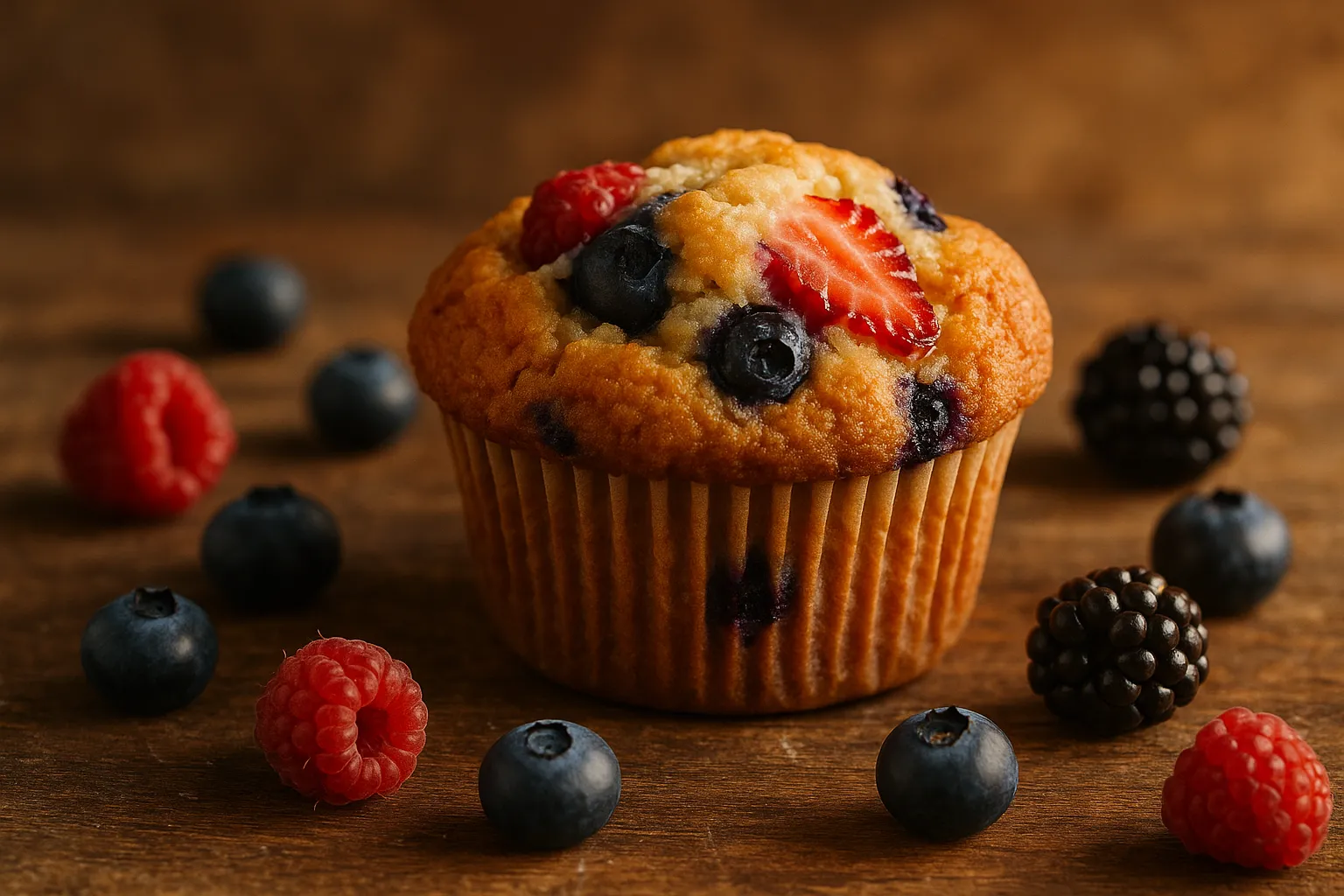
Quick Nutrition Facts
Per 1 Standard Fruit Muffin (120g)
| Nutrient | Amount |
|---|---|
| Calories | 180 kcal |
| Protein | 3g |
| Carbohydrates | 35g |
| Fiber | 2.5g |
| Sugars | 15-18g |
| Fat | 4.5g |
| Sodium | 240mg |
| Vitamin C | 8-12mg |
| Potassium | 150mg |
| Iron | 1.2mg |
Macronutrient Breakdown
 ChatGPT
  Claude
  AI Mode
  Perplexity
NUTRITIONIST INSIGHT
Store-bought fruit muffins often contain 15-18g added sugar, making them dessert-like treats. Homemade whole grain versions with natural fruit sweetness offer superior nutrition. The 35g carbs provide quick energy ideal for post-workout recovery; pair with protein to extend satiety and stabilize blood sugar.
Myth Busters
MYTH #1: Fruit Muffins Are Healthy Breakfast
TRUTH: Most commercial muffins are calorie-dense desserts with 180 calories, added sugars (15-18g), and refined flour. Studies show store-bought muffins spike blood glucose similarly to donuts. Breakfast muffins should be homemade with whole grains, no added sugar, and paired with protein (Greek yogurt, nuts) for balance.
MYTH #2: Muffins Cause Weight Gain
TRUTH: Weight gain comes from excess calories overall, not muffins specifically. One muffin has 180 calories—reasonable for a snack. Problem: frequent consumption of sugary muffins adds 250+ empty calories weekly. Best practice: homemade muffins, limit to 1 weekly, pair with whole foods. Moderation, not elimination, supports weight loss.
MYTH #3: All Fruit Muffins Have Same Nutrition
TRUTH: Store-bought vs homemade differ dramatically. Store versions (180 cal, 18g sugar, refined flour) versus homemade (150 cal, 8g natural sugar, whole wheat) offer completely different nutritional profiles. Blueberry muffins provide anthocyanins; banana muffins offer potassium. Choose based on fruit type and preparation method.
MYTH #4: Fiber in Muffins Is Sufficient
TRUTH: One muffin provides 2.5g fiber (10% DV)—modest, not sufficient. Whole grain or bran muffins offer 4-5g. To support digestive health, combine muffins with other fiber sources: berries, vegetables, legumes. Daily target: 25-30g for women; 30-38g for men.
MYTH #5: Muffins Are Better Than Donuts
TRUTH: Nutritionally comparable. Both provide 180-200 calories with 15-20g sugar, refined carbs, and minimal protein. Key difference: homemade muffins with whole grains and fresh fruit offer superior nutrition. Store-bought muffins ≈ donuts calorically and glycemically. Limit both to occasional treats.
MYTH #6: Homemade Muffins Are Always Healthier
TRUTH: Depends on ingredients. Homemade muffins with butter, sugar, white flour match commercial versions calorically. Truly healthy muffins use oat flour, applesauce instead of oil, fresh fruit, no added sugar—reducing calories to 120-140. Read recipes carefully; homemade quality depends on ingredient choices.
NutriScore by Health Goals
| Health Goal | NutriScore | Why This Score? |
|---|---|---|
| Weight Loss |  | 180 calories, 15-18g added sugar creates blood sugar spike. High for a snack (10% daily calorie intake). Homemade versions score B; store-bought scores C. |
| Muscle Gain |  | 35g carbs excellent post-workout for glycogen replenishment. 3g protein low—pair with Greek yogurt or protein shake to create 25g+ protein post-workout meal. |
| Diabetes Management | | 35g carbs + 15-18g sugar cause significant blood glucose spike. Standard muffins not recommended. Sugar-free or low-sugar versions (almond flour) score A; pair with protein. |
| PCOS Management | | High sugar content negatively impacts insulin sensitivity central to PCOS management. Avoid commercial; choose sugar-free homemade versions with almond or coconut flour. |
| Pregnancy Nutrition | | Whole grain muffins provide fiber (2.5-4g) for gestational diabetes prevention, folate for fetal development, natural fruit vitamins. Limit sugar (pregnancy diabetes risk); use unsweetened versions. |
| Viral/Flu Recovery |  | Quick energy from carbs (35g) supports immune recovery; fruit provides vitamin C (8-12mg) for immune function; easy to eat when appetite is low. Convenient, gentle digestion. |
PERSONALIZED NUTRITION
Track your meals with NutriScan for personalized NutriScores based on your specific health goals!
Blood Sugar Response to Fruit Muffin
Fruit muffins cause moderate to elevated blood glucose spikes due to 35g carbs and 15-18g added sugars, particularly in refined flour varieties.
Typical Glucose Response Curve
This chart shows typical blood glucose response for general healthy individuals. Individual responses may vary. Not medical advice.
Strategies to Minimize Blood Sugar Impact
- 🥛 Greek yogurt or milk - Adds protein and calcium; slows carb absorption
- 🥜 Peanut butter or almond butter - Healthy fats and protein extend satiety
- 🧈 A small amount of butter or nuts - Healthy fats slow sugar absorption
- 💧 Water or herbal tea - Aids digestion and blood sugar regulation
This combination creates balanced macronutrient profiles, minimizing rapid glucose spikes and extending energy release.
Cultural Significance
Muffins evolved from 18th-century tea cakes in England, becoming ubiquitous American breakfast staples by the 20th century.
In India:
- Western muffins are relatively recent additions, growing with urbanization and coffee culture
- Indian bakeries adapt muffins with regional flavors: cardamom muffins, mango muffins, jaggery variations
- Modern Indian breakfast culture increasingly incorporates fruit muffins alongside traditional items
- Online baking communities popularize homemade muffin recipes tailored to Indian tastes and ingredients
Global Impact:
- Muffins represent a major segment of the global breakfast and snack food market
- Store-bought muffins provide convenience but often contain additives and high added sugars
- Growing health consciousness drives homemade muffin popularity with whole grain alternatives
- Sustainability: packaged muffins use significant plastic; homemade reduces waste
Compare & Substitute
Fruit Muffin vs Similar Baked Goods (Per 100g)
| Nutrient | 🧁 Fruit Muffin | 🥐 Croissant | 🍞 Whole Grain Bread | 🥧 Fruit Cake |
|---|---|---|---|---|
| Calories | 150 kcal | 406 kcal | 80 kcal | 340 kcal |
| Carbs | 29g | 42g | 14g | 47g |
| Protein | 2.5g | 8g | 3.5g | 3g |
| Fat | 3.7g | 24g | 1.2g | 17g |
| Fiber | 2g | 2.2g | 2g | 1.5g |
| Sugars | 12g | 12g | 1g | 35g |
| Best For | Balanced snack, post-workout | Occasional treat, breakfast | Daily bread, sustained energy | Holiday celebrations |
Frequently Asked Questions
Are fruit muffins good for weight loss?
Store-bought muffins with 180 calories and 15-18g added sugar are not ideal for weight loss. Homemade whole grain versions using oat flour, applesauce instead of oil, and fresh fruit (120-150 calories, 6-8g sugar) support weight loss better. Limit to 1 per week maximum; pair with protein. Focus on overall calorie intake rather than demonizing muffins.
Can diabetics eat fruit muffins?
Standard fruit muffins with 35g carbs and 18g sugar create significant blood glucose spikes—not recommended. Sugar-free or low-sugar muffins using almond or coconut flour work well. Choose varieties with <8g sugar; pair with protein (Greek yogurt, cheese); test blood sugar response individually. Consult your healthcare provider.
What's the difference between homemade and store-bought muffins?
Store-bought typically contain 180 calories, 15-18g added sugar, refined flour, preservatives, and emulsifiers. Homemade versions (with conscious ingredient choices) offer 120-150 calories, 6-8g natural sugar, whole grains, and no additives. Nutrition varies dramatically. Homemade versions require effort but provide superior nutrition control.
How to make healthy fruit muffins?
Use oat flour or whole wheat flour (1.5 cups); mashed ripe banana or applesauce (½ cup) instead of oil; fresh berries or diced fruit (1 cup); honey or maple syrup (⅓ cup) instead of white sugar; Greek yogurt (½ cup) for protein; baking powder, vanilla. Bake at 375°F for 20-25 minutes. Yields 12 muffins (~120 cal each).
Is fruit muffin a good post-workout snack?
Yes, ideal for post-workout within 30 minutes. The 35g carbs replenish muscle glycogen; pair with protein source (Greek yogurt, protein shake, nuts) to create 25g+ protein intake. This combination supports muscle recovery and satiety. Store-bought or homemade both work; homemade with added protein powder is optimal.
How to store fruit muffins?
Room temperature: airtight container up to 3 days; refrigerator: up to 1 week in sealed container; freezer: up to 3 months wrapped individually. Thaw frozen muffins at room temperature (2-3 hours) or microwave (30-60 seconds). Fresh muffins taste best within 2 days; older muffins may become dry.
Can I eat muffin on an empty stomach?
Yes, generally safe but not optimal. A muffin alone provides 180 calories and 35g carbs (mostly sugars), creating a blood glucose spike without sustained energy. Better approach: pair with protein (Greek yogurt, cheese, nuts) or eat with breakfast components (eggs, oatmeal) for balanced nutrition and extended satiety.
Are blueberry muffins healthier than other varieties?
Blueberries provide anthocyanins (antioxidants) supporting heart health and cognitive function; blueberry muffins score marginally higher nutritionally. However, most benefit depends on overall muffin recipe, not fruit type. Homemade blueberry muffin with oat flour, no added sugar >> store-bought any-flavor-muffin. Fruit type matters less than preparation method.


Similar Nutritious Foods
4505 Chicharrones Classic Chili Salt
7 Eleven Japan Crispy Corn Cheese
Explore More Nutrition Tools & Resources
AI Calorie Counter App - Snap a Photo, Get Macros
AI Nutritionist App That Reads Your Logged Meals
Best Protein Supplements for Women
Bulking Meal Plan App That Sets Your Surplus
ChatGPT Calorie Counter Alternative That Keeps the Total
ChatGPT Diet Plan Alternative That Tracks What You Eat
ChatGPT Weight Loss Coach Alternative With a Food Log
Fast Food Calorie Counter App That Reads the Tray
Free Calorie Tracker App with AI Photo Scans | NutriScan
Indian Diet Plan App With Veg and Non Veg Meals
Indian Food Calorie Calculator - Get Instant Nutrition Facts for Desi Meals — 2026
Intermittent Fasting for Women, Timer and Meal Log App
Intermittent Fasting Tracker App - Free Fasting Timer
Macro Tracker App That Fills the Numbers From a Photo
Mediterranean Diet Meal Plan App That Counts the Oil
Micronutrient Tracker App for Vitamins and Minerals
MyFitnessPal Alternative That Stays Free | NutriScan
NutriScore App: A Free Grade on Every Meal | NutriScan
Nutrition Label Scanner App for the Amount You Ate
Second Trimester Protein Guide
Vegetarian Meal Plan App With a Protein Target
Voice Calorie Counter - Speak to Track Meals Hands-Free
Water and Calorie Tracker App - Free Water Log