Fusilli Pasta: Calories, Nutrition and Health Benefits
Energy-rich spiral pasta packed with complex carbohydrates, plant-based protein, and essential nutrients for active lifestyles.
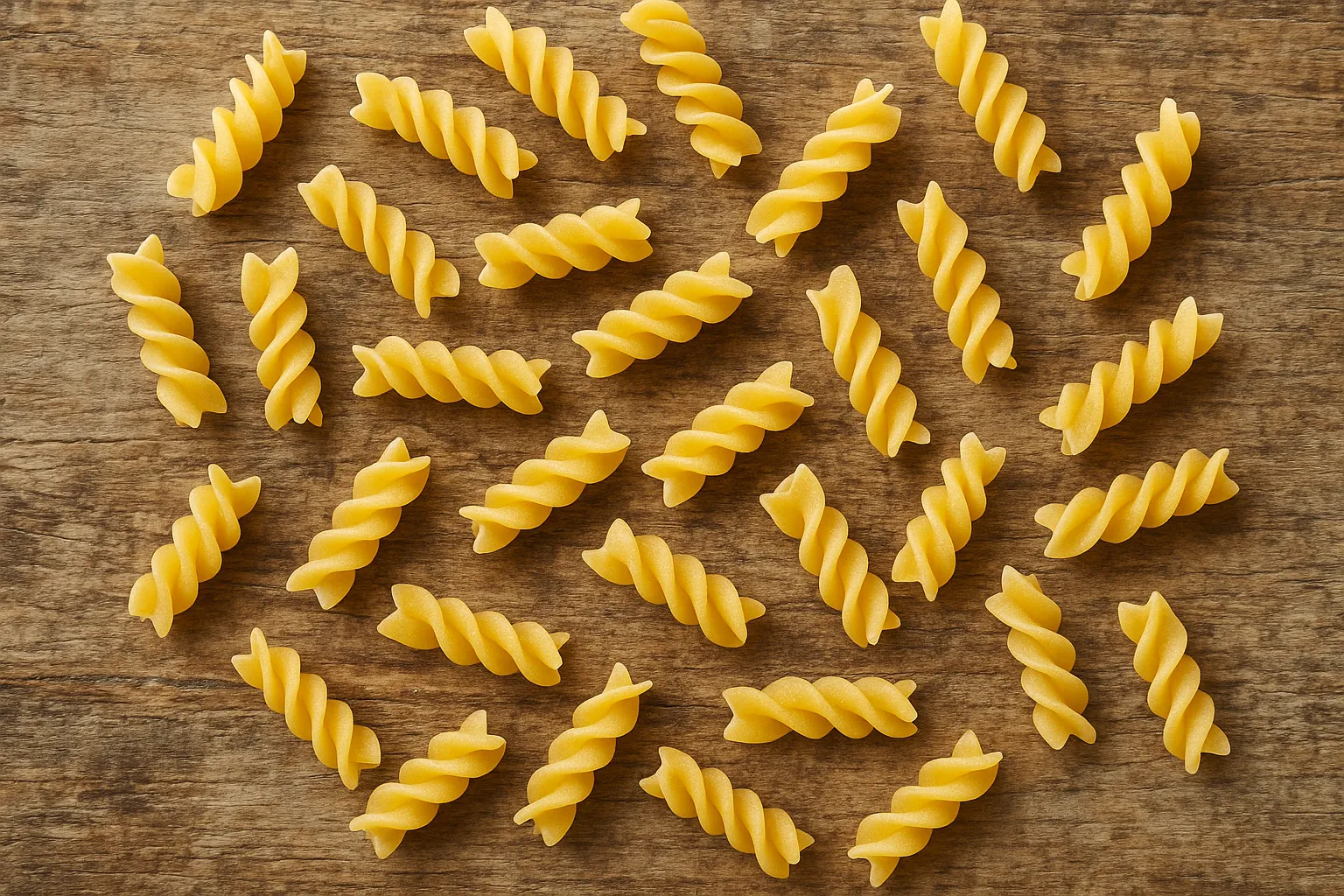
Quick Nutrition Facts
Per 100g Dry Fusilli Pasta
| Nutrient | Amount |
|---|---|
| Calories | 371 kcal |
| Protein | 13g |
| Carbohydrates | 75g |
| Fiber | 3g |
| Sugars | 2.7g |
| Fat | 1.5g |
| Iron | 3.3mg |
| Thiamin (B1) | 0.9mg |
| Folate | 237mcg |
| Magnesium | 53mg |
Macronutrient Breakdown
 ChatGPT
  Claude
  AI Mode
  Perplexity
NUTRITIONIST INSIGHT
Fusilli's spiral shape holds sauce exceptionally well, making it easy to add nutrient-rich vegetables and proteins. Choose whole wheat versions for double the fiber and sustained energy release.
Myth Busters
MYTH #1: All Pasta Causes Weight Gain
TRUTH: Pasta can fit into weight loss diets when eaten in controlled portions. The key is portion control (50-70g dry), pairing with vegetables and lean protein, and avoiding heavy cream sauces. Studies show pasta eaters have better diet quality.
MYTH #2: Pasta Is Just Empty Carbs
TRUTH: Fusilli provides 13g protein per 100g, iron (18% DV), B-vitamins for energy metabolism, and folate essential for cell growth. Enriched pasta contains essential nutrients that support overall health.
MYTH #3: Diabetics Must Avoid All Pasta
TRUTH: Whole wheat pasta has a lower glycemic index than white bread or rice. Diabetics can enjoy pasta by choosing whole wheat, cooking al dente, limiting portions to 50g dry, and pairing with protein and vegetables to minimize blood sugar spikes.
MYTH #4: Gluten-Free Pasta Is Always Healthier
TRUTH: Unless you have celiac disease or gluten sensitivity, regular pasta is nutritionally superior. Gluten-free versions often have less protein, fewer B-vitamins, and sometimes more calories. Choose based on medical necessity, not trends.
NutriScore by Health Goals
| Health Goal | NutriScore | Why This Score? |
|---|---|---|
| Weight Loss |  | Moderate calories (371 per 100g dry). Portion control essential (50-70g dry). Choose whole wheat, pair with vegetables. Satisfying but calorie-dense. |
| Muscle Gain |  | Excellent carb source (75g) for glycogen replenishment, 13g plant protein, perfect post-workout meal when combined with lean protein. |
| Diabetes Management | | Moderate GI (45-50 for whole wheat). Cook al dente, limit to 50g dry portions, always pair with protein/fiber. |
| PCOS Management | | Moderate carb impact. Choose whole wheat for lower GI, small portions (50g dry), combine with protein and healthy fats. |
| Pregnancy Nutrition | | Rich in folate (237mcg per 100g) essential for fetal development, iron for blood health, B-vitamins. |
| Viral/Flu Recovery | | Easy to digest, provides sustained energy during recovery, iron supports immune function, gentle on upset stomach when cooked soft. |
PERSONALIZED NUTRITION
Track your meals with NutriScan for personalized NutriScores based on your specific health goals!
Blood Sugar Response to Fusilli Pasta
Understanding how fusilli pasta affects your blood glucose helps you make informed portion and pairing decisions.
Typical Glucose Response Curve
This chart shows typical blood glucose response for general healthy individuals. Individual responses vary based on pasta type, cooking time, and pairings. Not medical advice.
How to Flatten the Spike
Pairing pasta with protein, fiber, and healthy fats significantly reduces blood sugar peaks:
- 🍗 Grilled chicken or lean turkey - Complete protein, slows digestion
- 🥦 Broccoli, spinach, or mixed vegetables - Fiber reduces glucose absorption
- 🫒 Olive oil or pesto - Healthy fats slow carb breakdown
- 🧀 Parmesan or cottage cheese - Protein and fat combination
Cook pasta al dente (firm to bite) for lower glycemic impact compared to soft-cooked pasta.
Cultural Significance
Fusilli originated in southern Italy, where its spiral shape was traditionally made by wrapping pasta dough around a thin rod or wire.
In Italy:
- Each region has unique fusilli variations: short spirals in Campania, long fusilli lunghi in Sicily
- Traditional pairing: simple tomato sauce, basil, and parmesan
- Symbol of artisanal pasta-making tradition dating back centuries
- Often served at family gatherings and Sunday dinners
Global Impact:
- One of the most popular pasta shapes worldwide
- Spiral design holds chunky sauces, making it versatile for countless cuisines
- Adapted globally: Indian pasta dishes, Asian fusion, American mac and cheese variations
Compare & Substitute
Fusilli vs Similar Pasta & Grains (Per 100g Dry)
| Nutrient | 🍝 Fusilli Pasta | 🍝 Whole Wheat Fusilli | 🍚 Brown Rice | 🌾 Quinoa |
|---|---|---|---|---|
| Calories | 371 kcal | 348 kcal | 370 kcal | 368 kcal |
| Carbs | 75g | 71g | 77g | 64g |
| Fiber | 3g | 6g | 3.5g | 7g |
| Protein | 13g | 13.4g | 7.9g | 14g |
| Fat | 1.5g | 2.5g | 2.9g | 6g |
| Iron | 3.3mg | 3.6mg | 1.5mg | 4.6mg |
| Folate | 237mcg | 44mcg | 20mcg | 184mcg |
| Best For | Energy, athletes | Weight loss, diabetes | Gluten-free | Complete protein |
Frequently Asked Questions
Is fusilli pasta good for weight loss?
Fusilli can fit into a weight loss diet with proper portion control. A 50-70g dry serving (about 185-260 calories cooked) provides satisfying energy.
Best practices: Choose whole wheat fusilli (double the fiber at 6g vs 3g); pair with 200g vegetables and 100g lean protein; measure dry portions before cooking; avoid cream-based sauces (use tomato or olive oil instead).
Can diabetics eat fusilli pasta?
Diabetics can enjoy fusilli pasta in moderation. Whole wheat fusilli has a lower glycemic index (42-45) compared to refined versions (50-55).
Tips for diabetics:
- Limit to 50g dry pasta (about 1/2 cup cooked)
- Always cook al dente for lower GI
- Pair with protein (chicken, fish) and fiber (vegetables)
- Best timing: lunch rather than dinner
- Monitor blood sugar 2 hours after eating
Consult your healthcare provider for personalized advice.
How much protein is in fusilli pasta?
Fusilli pasta contains 13g protein per 100g dry (about 6.5g per cooked cup). While not a complete protein, it provides substantial plant-based protein.
For muscle gain or high-protein diets, combine fusilli with protein-rich foods: grilled chicken (31g protein per 100g); cottage cheese (11g per 100g); lentils; chickpeas; or protein-rich pasta sauces.
What are the main health benefits of fusilli pasta?
Key Benefits:
- Sustained Energy: Complex carbs (75g) provide long-lasting fuel for physical and mental activity
- Plant Protein: 13g protein supports muscle maintenance and repair
- Iron-Rich: 3.3mg iron (18% DV) supports oxygen transport and prevents anemia
- B-Vitamins: Thiamin, riboflavin, niacin support energy metabolism
- Folate Source: 237mcg (59% DV) essential for cell growth, especially important during pregnancy
- Heart Health: Low in fat (1.5g), can be part of Mediterranean-style diet
When is the best time to eat fusilli pasta?
Depends on your goal:
- Weight Loss: Lunch (provides afternoon energy, less likely stored as fat than dinner). Avoid late dinner portions.
- Muscle Gain: Post-workout (within 2 hours) for glycogen replenishment; pre-workout (2-3 hours before) for sustained energy.
- Diabetes: Lunch or early dinner, always paired with protein and vegetables. Avoid as late-night meal.
- Endurance Sports: 2-3 hours before activity for energy reserves; immediately after for recovery.
Is whole wheat fusilli healthier than regular?
Whole wheat fusilli offers significant nutritional advantages:
Whole Wheat Benefits:
- Double the fiber (6g vs 3g per 100g dry)
- More B-vitamins, magnesium, zinc, and antioxidants
- Lower glycemic index (42-45 vs 50-55)
- Better for blood sugar control, weight loss, digestive health
- More satisfying due to higher fiber content
Regular Fusilli Advantages:
- Milder, more neutral taste (preferred by many)
- Softer texture when cooked
- Higher in folate due to enrichment (237mcg vs 44mcg)
- Better for picky eaters or those new to whole grains
Recommendation: Diabetes/weight loss = whole wheat. Athletes/general health = either works. Transition gradually by mixing half-and-half if taste is a concern.
How should I cook fusilli for best nutrition?
Cook al dente (firm to the bite) for:
- Lower glycemic index (better blood sugar control)
- More resistant starch (supports gut health)
- Better texture and mouthfeel
Steps:
- Boil water with 1 tsp salt per 100g pasta
- Add fusilli, stir immediately
- Cook 1-2 minutes LESS than package directions (typically 8-9 minutes instead of 10-11)
- Test: pasta should have slight resistance when bitten
- Drain immediately, don't rinse (preserves nutrients and helps sauce stick)
Track your meals with NutriScan app to see how fusilli fits your personal nutrition goals.
Can I eat fusilli pasta on a low-carb diet?
Fusilli is not suitable for strict low-carb or ketogenic diets (75g carbs per 100g dry).
Alternatives:
- Shirataki noodles: 0-3g carbs, made from konjac root
- Zucchini spirals (zoodles): 3g carbs per cup
- Edamame pasta: 24g carbs per 100g, 45g protein
- Portion-controlled regular fusilli: 50g dry (37g carbs) may fit moderate low-carb (50-100g carbs daily)


Similar Nutritious Foods
4505 Chicharrones Classic Chili Salt
7 Eleven Japan Crispy Corn Cheese
Explore More Nutrition Tools & Resources
AI Calorie Counter App - Snap a Photo, Get Macros
AI Nutritionist App That Reads Your Logged Meals
Best Protein Supplements for Women
Bulking Meal Plan App That Sets Your Surplus
ChatGPT Calorie Counter Alternative That Keeps the Total
ChatGPT Diet Plan Alternative That Tracks What You Eat
ChatGPT Weight Loss Coach Alternative With a Food Log
Fast Food Calorie Counter App That Reads the Tray
Free Calorie Tracker App with AI Photo Scans | NutriScan
Indian Diet Plan App With Veg and Non Veg Meals
Indian Food Calorie Calculator - Get Instant Nutrition Facts for Desi Meals — 2026
Intermittent Fasting for Women, Timer and Meal Log App
Intermittent Fasting Tracker App - Free Fasting Timer
Macro Tracker App That Fills the Numbers From a Photo
Mediterranean Diet Meal Plan App That Counts the Oil
Micronutrient Tracker App for Vitamins and Minerals
MyFitnessPal Alternative That Stays Free | NutriScan
NutriScore App: A Free Grade on Every Meal | NutriScan
Nutrition Label Scanner App for the Amount You Ate
Second Trimester Protein Guide
Vegetarian Meal Plan App With a Protein Target
Voice Calorie Counter - Speak to Track Meals Hands-Free
Water and Calorie Tracker App - Free Water Log