German Cheese Pretzel: Calories, Nutrition and Health Benefits
A Bavarian classic combining traditional lye-dipped soft pretzel dough with savory melted cheese filling, delivering protein-rich satisfaction with authentic German flavor.
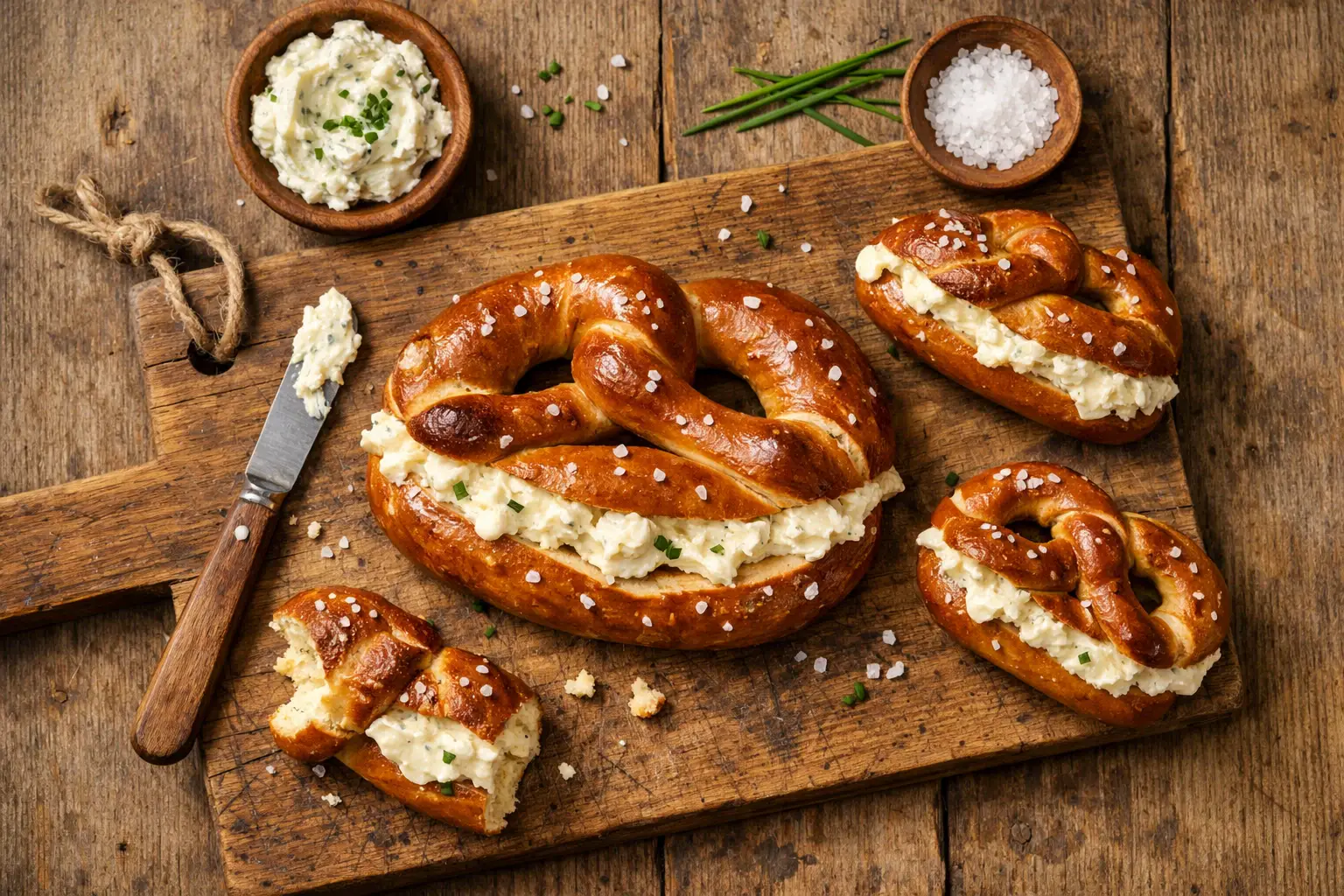
Quick Nutrition Facts
Per 1 Cheese Pretzel (80g)
| Nutrient | Amount |
|---|---|
| Calories | 280 kcal |
| Protein | 10g |
| Carbohydrates | 50g |
| Fiber | 1.5g |
| Sugars | 0.5g |
| Fat | 5g |
| Saturated Fat | 2g |
| Sodium | 310mg |
| Calcium | 109mg |
| Iron | 3.4mg |
Macronutrient Breakdown
 ChatGPT
  Claude
  AI Mode
  Perplexity
NUTRITIONIST INSIGHT
German cheese pretzels deliver 10g of protein per serving, making them more satiating than plain pretzels. The B vitamins from enriched flour support energy metabolism, while calcium from cheese contributes to bone health.
Myth Busters
MYTH #1: Cheese Pretzels Are Junk Food
TRUTH: While not a health food, cheese pretzels provide meaningful nutrition including 10g protein, 19% DV iron, and B vitamins essential for energy metabolism. They're a better choice than many processed snacks when eaten in moderation.
MYTH #2: Pretzels Are Low in Sodium
TRUTH: A cheese pretzel contains 310mg sodium (13% DV), which is moderate but adds up quickly. The American Heart Association recommends limiting sodium to 2,300mg daily, so enjoy pretzels as an occasional treat.
MYTH #3: Cheese Pretzels Are High in Fat
TRUTH: At 5g fat per serving (7% DV), cheese pretzels are actually classified as a low-fat food. The cheese filling adds only modest amounts of fat while significantly boosting protein and satisfaction.
MYTH #4: All Pretzels Have the Same Nutrition
TRUTH: German studies show soft pretzels have a GI of 80, while soy-enriched versions can drop to GI 39. Cheese filling adds protein and fat that help moderate blood sugar response compared to plain pretzels.
MYTH #5: Pretzels Should Be Avoided Completely
TRUTH: Pretzels can fit into a balanced diet. The selenium (33% DV) and iron (19% DV) contribute to thyroid health and oxygen transport. Mindful portion control is key.
NutriScore by Health Goals
| Health Goal | NutriScore | Why This Score? |
|---|---|---|
| Weight Loss |  | 280 calories with 10g protein provides satiety, but high carbs (50g) require portion control. Limit to half portion. |
| Muscle Gain |  | Good carb-to-protein ratio for post-workout. 10g protein aids recovery, carbs replenish glycogen stores. |
| Diabetes Management |  | High GI (80) causes rapid blood sugar spikes. Pair with protein-rich foods if consuming; limit portions significantly. |
| PCOS Management | | Refined carbs affect insulin sensitivity. Choose whole grain alternatives when possible. |
| Pregnancy Nutrition | | Iron (19% DV) supports increased blood volume; B vitamins aid fetal development. Watch sodium intake. |
| Viral/Flu Recovery | | Easy to digest, provides quick energy. Protein supports immune function. Sodium helps maintain electrolyte balance. |
PERSONALIZED NUTRITION
Track your meals with NutriScan for personalized NutriScores based on your specific health goals!
Blood Sugar Response to German Cheese Pretzel
Understanding how cheese pretzels affect your blood glucose can help you make informed decisions about when and how to eat them.
Typical Glucose Response Curve
This chart shows typical blood glucose response for general healthy individuals. Individual responses may vary. Not medical advice.
How to Flatten the Spike
Pairing high-GI foods with protein or healthy fat slows glucose absorption and reduces the peak blood sugar level:
- 🥗 Add a side salad - Fiber slows digestion and glucose absorption
- 🥚 Pair with boiled eggs - Additional protein moderates the response
- 🥛 Drink milk or buttermilk - Dairy protein helps stabilize blood sugar
- 🥜 Include a handful of nuts - Healthy fats slow carb absorption
The cheese filling already provides some protein and fat, giving cheese pretzels a slight advantage over plain pretzels for blood sugar control.
Cultural Significance
The German soft pretzel (Brezel or Laugenbrezel) is one of the world's most iconic baked goods, with roots stretching back to medieval Europe.
In Germany:
- Bavarian pretzels are a cornerstone of Oktoberfest celebrations
- The lye bath (Laugen) creates the distinctive brown crust and chewy texture
- Cheese-filled variants became popular in the 1990s as modern innovation
- Traditionally served with Weisswurst (white sausage) and sweet mustard
Global Spread:
- German immigrants brought pretzels to America in the 18th century
- Philadelphia became the pretzel capital of the US
- Modern variants include cheese, jalapeño, and cinnamon sugar fillings
- Annual pretzel consumption exceeds 2 billion units in the US alone
Compare & Substitute
German Cheese Pretzel vs Similar Snacks (Per 100g)
| Nutrient | 🥨 Cheese Pretzel | 🥨 Plain Soft Pretzel | 🧀 Cheese Breadstick | 🥐 Cheese Croissant |
|---|---|---|---|---|
| Calories | 340 kcal | 316 kcal | 370 kcal | 410 kcal |
| Carbs | 62g | 66g | 42g | 38g |
| Fiber | 1.5g | 1.8g | 1.2g | 1.5g |
| Protein | 10g | 8g | 12g | 9g |
| Fat | 5g | 3g | 16g | 24g |
| Sodium | 310mg | 620mg | 580mg | 450mg |
| Best For | Balanced snack, pre-workout | Low-fat option | Higher protein needs | Indulgent treat |
Frequently Asked Questions
Are cheese-filled pretzels good for weight loss?
Cheese pretzels are moderate for weight loss at 280 calories per serving. The 10g protein promotes satiety better than carb-only snacks, but 50g carbs makes portion control essential.
Best practices: Limit to half a pretzel, pair with vegetables, choose as pre-workout fuel rather than casual snack.
Can diabetics eat German cheese pretzels?
Diabetics should approach cheese pretzels cautiously. Soft pretzels have a high glycemic index (GI 80), causing rapid blood sugar spikes.
Tips for diabetics:
- Limit to quarter or half portions
- Always pair with protein-rich foods
- Best timing: with a full meal, not as standalone snack
- Monitor blood sugar 2 hours after eating
The cheese adds some protein and fat that helps moderate the response, but overall impact remains significant.
How much protein is in a cheese pretzel?
A cheese-filled pretzel (80g) contains 10g of protein, providing 20% of the daily value. This comes from both wheat gluten in the dough and the cheese filling.
For higher protein intake, pair with Greek yogurt, cottage cheese, or lean meats.
What are the main health benefits of cheese pretzels?
Key Benefits:
- B Vitamins: 30% DV thiamin, 23% riboflavin for energy metabolism
- Iron: 19% DV supports oxygen transport and prevents fatigue
- Selenium: 33% DV for thyroid function and antioxidant protection
- Calcium: 8% DV from cheese for bone health
- Protein: 10g for muscle maintenance and satiety
When is the best time to eat a cheese pretzel?
Depends on your goal:
- Pre-Workout: 1-2 hours before exercise for sustained carb energy
- Post-Workout: Within 30 minutes for glycogen replenishment
- Mid-Morning Snack: When you need energy boost between meals
- Avoid: Late evening (sodium may cause water retention)
IMPORTANT NOTE
The high sodium content (310mg) means cheese pretzels should be limited if you have hypertension or kidney concerns.
How do cheese pretzels compare to plain pretzels?
Cheese-filled pretzels offer more protein (10g vs 7-8g), more fat (5g vs 2-3g), and slightly more calories than plain soft pretzels. The cheese adds calcium and makes the snack more satisfying.
Choose cheese pretzels when: You want more protein and satiety Choose plain pretzels when: Watching fat intake or prefer lower calories
Are homemade cheese pretzels healthier?
Homemade versions can be healthier by using whole wheat flour (more fiber), reduced-fat cheese, and controlling sodium levels. You can also experiment with fillings like cottage cheese or low-fat cream cheese.


Similar Nutritious Foods
4505 Chicharrones Classic Chili Salt
7 Eleven Japan Crispy Corn Cheese
Explore More Nutrition Tools & Resources
AI Calorie Counter App - Snap a Photo, Get Macros
AI Nutritionist App That Reads Your Logged Meals
Best Protein Supplements for Women
Bulking Meal Plan App That Sets Your Surplus
ChatGPT Calorie Counter Alternative That Keeps the Total
ChatGPT Diet Plan Alternative That Tracks What You Eat
ChatGPT Weight Loss Coach Alternative With a Food Log
Fast Food Calorie Counter App That Reads the Tray
Free Calorie Tracker App with AI Photo Scans | NutriScan
Indian Diet Plan App With Veg and Non Veg Meals
Indian Food Calorie Calculator - Get Instant Nutrition Facts for Desi Meals — 2026
Intermittent Fasting for Women, Timer and Meal Log App
Intermittent Fasting Tracker App - Free Fasting Timer
Macro Tracker App That Fills the Numbers From a Photo
Mediterranean Diet Meal Plan App That Counts the Oil
Micronutrient Tracker App for Vitamins and Minerals
MyFitnessPal Alternative That Stays Free | NutriScan
NutriScore App: A Free Grade on Every Meal | NutriScan
Nutrition Label Scanner App for the Amount You Ate
Second Trimester Protein Guide
Vegetarian Meal Plan App With a Protein Target
Voice Calorie Counter - Speak to Track Meals Hands-Free
Water and Calorie Tracker App - Free Water Log