Golden Milk (Turmeric Latte) Calories & Nutrition Facts
Nature's golden elixir packed with anti-inflammatory curcumin, warming spices, and soothing comfort for every health goal.
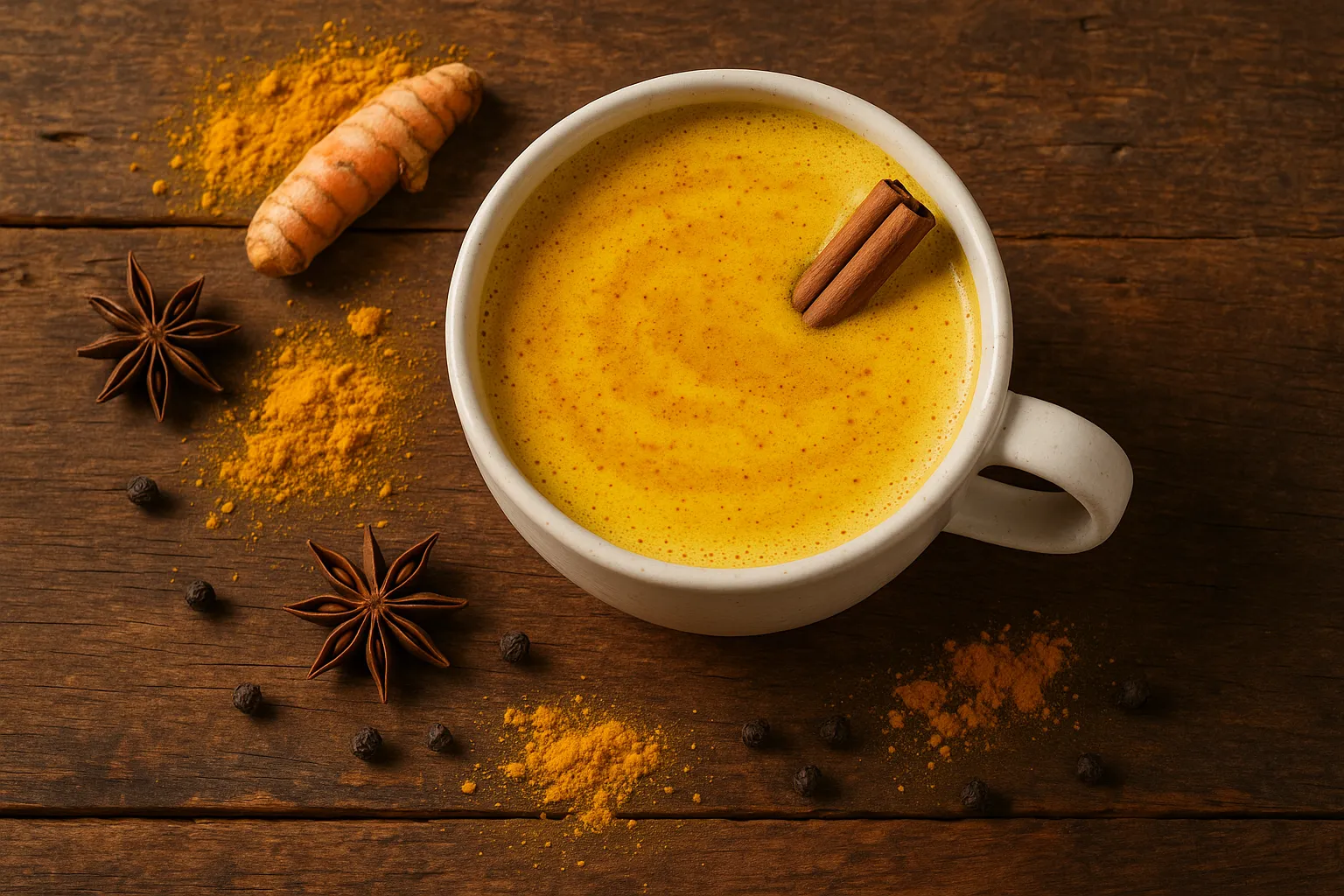
Quick Nutrition Facts
Per 1 Cup (240 mL / 8 fl oz) made with whole milk, 1 tsp turmeric, pinch of black pepper, no added sweetener
| Nutrient | Amount |
|---|---|
| Calories | 156 |
| Protein | 8 g |
| Total Fat | 8 g |
| Saturated Fat | 5 g |
| Trans Fat | 0 g |
| Total Carbohydrate | 13 g |
| Dietary Fiber | 0.5 g |
| Total Sugars | 12 g |
| Added Sugars | 0 g |
| Cholesterol | 24 mg |
| Sodium | 105 mg |
| Potassium | 366 mg |
| Calcium | 276 mg |
| Vitamin D | 2.9 mcg (120 IU) |
| Vitamin B12 | 1.1 mcg |
| Magnesium | 27 mg |
| Curcumin (from 1 tsp turmeric) | ~200 mg |
Macronutrient Breakdown
 ChatGPT
  Claude
  AI Mode
  Perplexity
⚠️ Important Note: Golden milk nutrition varies significantly based on:
- Milk type: Whole milk (156 cal), 2% milk (130 cal), almond milk (40-80 cal), oat milk (120 cal), coconut milk (80 cal)
- Sweeteners: Honey (64 cal per tbsp), maple syrup (52 cal per tbsp), dates (66 cal per date)
- Fats: Coconut oil (40 cal per tsp), ghee (45 cal per tsp)
A sweetened golden milk latte with coconut oil can reach 250-300 calories per cup.
NUTRITIONIST INSIGHT
Golden milk's true power lies in curcumin bioavailability optimization. Always combine turmeric with black pepper (increases absorption by 2000%) and healthy fats from milk or coconut oil. Best consumed before bed for anti-inflammatory and sleep benefits.
Myth Busters
MYTH #1: You Need Black Pepper or Turmeric Does Nothing
TRUTH: While black pepper increases curcumin absorption by 2000%, turmeric still provides benefits without it—just at lower bioavailability (5-20% vs. 2000% with piperine). Fats also significantly improve absorption even without pepper. Best practice: Add ⅛ tsp black pepper (or a few grinds) to your golden milk for maximum effectiveness.
MYTH #2: Golden Milk Can Replace NSAIDs Like Ibuprofen
TRUTH: Golden milk has legitimate anti-inflammatory properties by inhibiting NF-κB signaling and COX-2 enzymes, but it's not a substitute for acute pain relief. Clinical trials use 500-2000mg curcumin daily; one cup of golden milk provides only 200mg (10-20% of therapeutic dose). Curcumin is excellent for chronic low-grade inflammation, not acute pain management. Think of golden milk as long-term wellness practice, not emergency intervention.
MYTH #3: You Can Drink Unlimited Golden Milk—It's Just a Spice
TRUTH: While 1-3 cups daily is safe, excessive consumption can cause digestive upset, increase bleeding risk (curcumin inhibits platelet aggregation), and contribute to kidney stones (turmeric contains 2-10mg oxalates per tsp). Drug interactions exist with blood thinners (warfarin, aspirin), diabetes medications, and acid reducers. Safe limit: 1-3 tsp turmeric daily; consult doctor if on medications.
MYTH #4: Golden Milk Is an Ancient Ayurvedic Remedy
TRUTH: Turmeric ("haridra") has been used in Ayurveda for 4,000+ years as a medicinal herb, but modern "golden milk" is a Western invention from 2014-2016, popularized by health influencers and coffee shops. Traditional "haldi doodh" was given for specific ailments (colds, injuries), not consumed daily as a lifestyle beverage. The current trend is a modern adaptation with sweeter, more elaborate preparations than traditional use.
MYTH #5: Fresh Turmeric Root Is Always Better Than Powder
TRUTH: Both forms have similar curcumin content (3-5%). Fresh turmeric contains more volatile oils (turmerone, atlantone) with additional anti-inflammatory benefits, but powder is shelf-stable, affordable ($3-6/lb vs. $8-12/lb), and equally effective. The key is bioavailability enhancers (pepper, fats), not the turmeric form. Choose fresh for volatile oils, powder for convenience.
MYTH #6: Golden Milk Will Permanently Stain Your Teeth Yellow
TRUTH: Curcumin causes temporary surface staining, but it's easily removable with brushing—unlike coffee/tea tannins that penetrate enamel. Prevention: Drink through a straw, rinse immediately, brush within 30 minutes. Some research suggests turmeric may support gum health by reducing inflammation and inhibiting gingivitis bacteria.
NutriScore by Health Goals
Golden milk's health benefits are well-supported by research, particularly for chronic inflammation and general wellness. Ratings below reflect evidence-based assessments:
| Health Goal | NutriScore | Rationale |
|---|---|---|
| Weight Loss |  | Low-calorie base (156 calories per cup with whole milk, 80-100 with unsweetened almond milk). Research shows curcumin may support metabolic health by improving insulin sensitivity and reducing inflammation, which can indirectly support weight loss. However, it's not a fat-burning agent. Best for: Low-calorie evening ritual to replace high-calorie desserts or snacks. Caution: Sweetened versions (honey, maple syrup) add 50-130 calories. |
| Heart Health | | Strong anti-inflammatory effects help reduce cardiovascular inflammation. Research demonstrates curcumin improves endothelial function (blood vessel health) and reduces LDL oxidation. Studies show 1-4g curcumin daily improves cholesterol profiles. If made with whole milk, saturated fat (5g per cup) is a minor concern—use low-fat or plant-based milk for optimal heart health. Best for: Daily anti-inflammatory support for cardiovascular wellness. |
| Muscle Gain |  | Low protein content (8g from whole milk) is insufficient for muscle protein synthesis. Golden milk does not directly support muscle gain, though curcumin's anti-inflammatory properties may aid post-workout recovery by reducing exercise-induced inflammation and soreness. Better for muscle gain: Add protein powder (20-25g protein) or pair with a high-protein meal. Golden milk works as a recovery drink, not a muscle-building beverage. |
| Diabetes Management | | Excellent for blood sugar regulation. Research on turmeric's prevention role found curcumin improves insulin sensitivity, reduces fasting blood glucose, and lowers HbA1c (long-term blood sugar marker) in type 2 diabetes patients. Key advantage: Golden milk (unsweetened) has minimal impact on blood sugar—13g carbs (from lactose) causes a slow, modest rise. Caution: Avoid added honey or maple syrup (adds 12-17g sugar per tbsp). Use unsweetened almond milk (2g carbs) for even lower glycemic impact. |
| Athletic Performance | | Not a performance enhancer, but beneficial for recovery and reducing inflammation from intense training. Studies show curcumin reduces delayed-onset muscle soreness (DOMS) and markers of muscle damage (creatine kinase) when taken before/after exercise. Best timing: Consume 30-60 minutes post-workout. Limitation: Lacks carbs/protein for optimal recovery—combine with a meal or snack for best results. |
| Gut Health | | Strong support for gut health. Research on curcumin's anti-inflammatory effects shows it reduces gut inflammation (beneficial for IBS, Crohn's disease, ulcerative colitis) and supports gut barrier integrity. Milk provides additional benefits (calcium, vitamin D) or use fermented milk (kefir) for probiotics. Caution: Some people with IBS or lactose intolerance may not tolerate dairy—use lactose-free or plant-based milk. Turmeric itself may irritate sensitive stomachs in high doses. |
Blood Sugar Response to Golden Milk
Understanding how golden milk affects your blood glucose helps optimize timing and preparation for stable energy levels.
Typical Glucose Response Curve
This chart shows typical blood glucose response for general healthy individuals with unsweetened golden milk. Individual responses may vary. Not medical advice.
How to Minimize the Spike
Golden milk has a naturally low glycemic impact (13g carbs from lactose), but pairing with protein or choosing milk alternatives further stabilizes blood sugar:
- 🥥 Use coconut or almond milk - Lower carb content (2-8g vs 13g)
- 🥜 Add a spoonful of almond butter - Healthy fats slow absorption
- 🧀 Pair with cheese or nuts - Protein reduces glucose spike
- 🍯 Skip added sweeteners - Honey/maple syrup adds 12-17g sugar
This combination keeps blood sugar stable and extends the calming, anti-inflammatory benefits throughout the evening.
Cultural Significance
Turmeric (Curcuma longa) has been cultivated in India for over 4,000 years, revered in Ayurveda as a healing spice with "heating" properties.
In India:
- Called "haridra" in Sanskrit, prescribed for digestive disorders, skin conditions, respiratory issues, pain relief
- Traditional "haldi doodh" (turmeric milk): home remedy for colds, injuries, and inflammation—medicinal, not daily beverage
- Given to children with coughs, athletes for recovery, consumed before bed for relaxation
- Urban cafés now serve "golden milk lattes" catering to wellness-conscious consumers
Modern Golden Milk Trend (2014-Present):
- Western wellness influencers promoted turmeric as "superfood" emphasizing anti-inflammatory benefits and aesthetic appeal
- Coffee shops adapted it into elaborate lattes with cinnamon, ginger, honey, foam art—positioning as trendy coffee/matcha alternative
- Curcumin research boom (2010s) fueled mainstream interest in anti-inflammatory, antioxidant, neuroprotective properties
- Now a global café staple: US (sweetened, hot/iced), Europe (oat/almond milk), Australia (with adaptogenic mushrooms)
Commercialization: Pre-made powders, K-cups, and wellness shots ($3-5 per 2 oz) have made it accessible but often overly sweetened and expensive compared to homemade.
Compare & Substitute
Golden Milk vs Similar Wellness Drinks (Per 240mL)
| Beverage | Calories (per 240mL) | Protein | Key Benefits | Key Drawbacks | Best For |
|---|---|---|---|---|---|
| Golden Milk (whole milk, 1 tsp turmeric, black pepper) | 156 | 8g | Anti-inflammatory (curcumin), supports joint health, improves digestion, calming evening ritual. Research-backed for chronic inflammation. | Requires bioavailability enhancers (pepper, fat) for optimal absorption. Mild flavor may not appeal to everyone. | Inflammation, joint pain, gut health, evening relaxation. |
| Matcha Latte (whole milk, 1 tsp matcha) | 160 | 9g | High antioxidants (EGCG), sustained energy (caffeine + L-theanine), metabolism boost. May improve focus without jitters. | Contains caffeine (70mg)—avoid in evening. Expensive ($15-30 per 30g tin). Can cause nausea on empty stomach. | Morning energy, focus, metabolism, antioxidant boost. |
| Chai Latte (whole milk, black tea, spices) | 180 | 8g | Warming spices (cinnamon, ginger, cardamom) support digestion. Caffeine (50mg) provides moderate energy. Rich, comforting flavor. | High sugar (20-30g in commercial versions). Moderate caffeine (not ideal for evening). Less research on specific health benefits vs. turmeric/matcha. | Morning warmth, digestive comfort, moderate energy boost. |
| Hot Chocolate (whole milk, cocoa powder) | 220 | 9g | Mood boost (theobromine, phenylethylamine), magnesium (relaxation), comforting indulgence. Dark cocoa has polyphenols (antioxidants). | High sugar (20-25g) and calories if sweetened. Less functional health benefits vs. turmeric/matcha. Can be inflammatory if made with refined sugar. | Occasional treat, mood lift, comfort beverage (not daily wellness drink). |
| Warm Lemon Water (water, lemon juice) | 10 | 0g | Zero calories, hydrating, supports digestion (stimulates gastric juices), vitamin C boost (30mg). Simple and cost-effective. | No protein, fat, or substantial nutrients. Acidic (can erode tooth enamel if consumed frequently). Limited functional benefits vs. turmeric. | Hydration, morning digestion kickstart, ultra-low-calorie beverage. |
Key Takeaways:
- For inflammation/joint health: Golden milk is superior (research-backed curcumin benefits)
- For energy/focus: Matcha latte or chai latte (caffeine + antioxidants)
- For gut health: Golden milk or warm lemon water (depending on whether you want calories/nutrients)
- For low-calorie option: Lemon water (10 cal) or golden milk with almond milk (80-100 cal)
- For relaxation/sleep: Golden milk (no caffeine, calming ritual) or hot chocolate (theobromine, magnesium)
Frequently Asked Questions
How much golden milk should I drink per day for health benefits?
1-2 cups daily (240-480mL) is optimal. Clinical trials use 500-2000mg curcumin; 1-2 cups provides 200-400mg. Tips: Always add black pepper (2000% absorption boost); include healthy fats; best for long-term inflammation support, not acute pain. Maximum: 2-3 cups daily; excess increases digestive upset or medication interaction risk.
Can I use golden milk to reduce arthritis pain or joint inflammation?
Yes, but works slowly (8-12 weeks) as complementary therapy, not medical treatment replacement. Curcumin inhibits COX-2 enzymes and reduces inflammatory markers. Golden milk provides 200-400mg curcumin (lower than trial doses of 500-2000mg), so effects may be milder. Drink 1-2 cups daily with black pepper and fats; track symptoms; combine with prescribed medications.
Does golden milk help you sleep better?
Indirectly, yes—from caffeine-free warm milk ritual, evening relaxation, reduced inflammation (inflammation disrupts sleep), and blood sugar stabilization. No direct evidence curcumin increases melatonin. For sleep-specific support: Try chamomile tea (GABA receptors) or magnesium (200-400mg before bed) instead.
Should I buy golden milk powder mixes, or is homemade better?
Homemade is superior—cheaper ($0.50-1.00 vs $1.50-3.00/cup); more customizable; avoids added sugars/fillers. You control milk type, sweetness, bioavailability enhancers. Commercial mixes: convenient for travel; often contain added sugars (5-10g), fillers (maltodextrin); may lack black pepper. If buying: Choose USDA Organic; minimal ingredients (5-7 total); includes black pepper; no added sugars.
Can golden milk interact with my medications?
Yes. Key interactions: Blood thinners (warfarin, aspirin)—bleeding risk; Diabetes meds (insulin, metformin)—hypoglycemia risk; Acid reducers (PPIs)—turmeric increases stomach acid; NSAIDs (ibuprofen)—additive effects. Also: chemotherapy, immunosuppressants, iron supplements (space 2-3 hours apart). Consult doctor if on blood thinners or diabetes meds. 1-2 cups daily generally safe otherwise.
Is golden milk safe during pregnancy or breastfeeding?
Culinary amounts (1-2 tsp) are generally safe. Dietary turmeric is well-tolerated. Avoid high-dose supplements (500+ mg)—animal studies suggest uterine contraction risk. Breastfeeding: small amounts pass to milk; no adverse effects reported. Iron absorption: space supplements 2-3 hours apart. Consult doctor if miscarriage history or pregnancy complications.


Similar Nutritious Foods
4505 Chicharrones Classic Chili Salt
7 Eleven Japan Crispy Corn Cheese
Explore More Nutrition Tools & Resources
AI Calorie Counter App - Snap a Photo, Get Macros
AI Nutritionist App That Reads Your Logged Meals
Best Protein Supplements for Women
Bulking Meal Plan App That Sets Your Surplus
ChatGPT Calorie Counter Alternative That Keeps the Total
ChatGPT Diet Plan Alternative That Tracks What You Eat
ChatGPT Weight Loss Coach Alternative With a Food Log
Fast Food Calorie Counter App That Reads the Tray
Free Calorie Tracker App with AI Photo Scans | NutriScan
Indian Diet Plan App With Veg and Non Veg Meals
Indian Food Calorie Calculator - Get Instant Nutrition Facts for Desi Meals — 2026
Intermittent Fasting for Women, Timer and Meal Log App
Intermittent Fasting Tracker App - Free Fasting Timer
Macro Tracker App That Fills the Numbers From a Photo
Mediterranean Diet Meal Plan App That Counts the Oil
Micronutrient Tracker App for Vitamins and Minerals
MyFitnessPal Alternative That Stays Free | NutriScan
NutriScore App: A Free Grade on Every Meal | NutriScan
Nutrition Label Scanner App for the Amount You Ate
Second Trimester Protein Guide
Vegetarian Meal Plan App With a Protein Target
Voice Calorie Counter - Speak to Track Meals Hands-Free
Water and Calorie Tracker App - Free Water Log