Grass-Fed Lean Beef: Calories, Nutrition and Health Benefits
A premium protein powerhouse with superior omega-3s, more CLA, and higher vitamin E than grain-fed beef, ideal for muscle building and nutrient-dense diets.
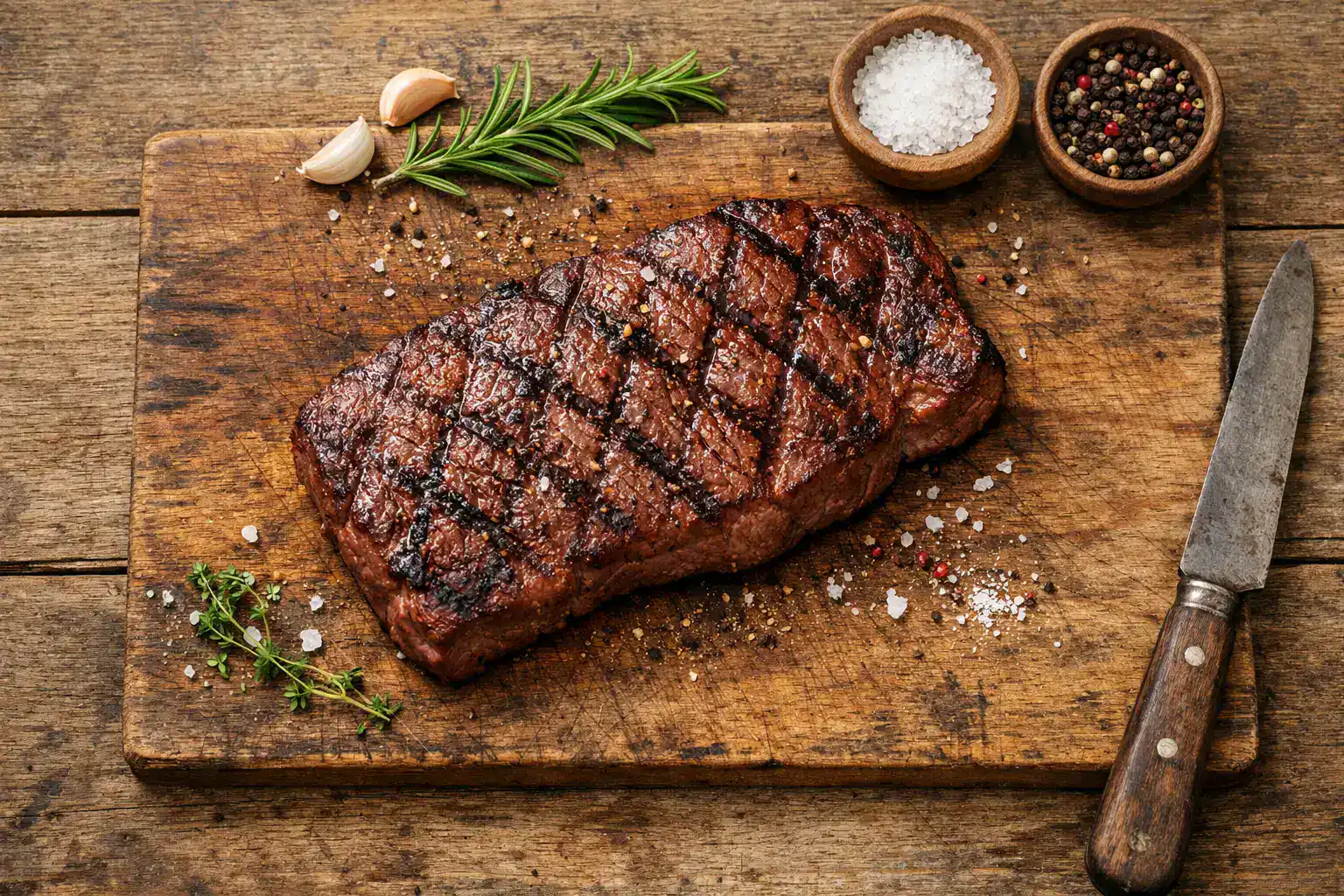
Quick Nutrition Facts
Per 100g Raw Grass-Fed Ground Beef
| Nutrient | Amount |
|---|---|
| Calories | 198 kcal |
| Protein | 19.4g |
| Carbohydrates | 0g |
| Fiber | 0g |
| Sugars | 0g |
| Fat | 12.7g |
| Iron | 2.1mg |
| Zinc | 4.8mg |
| Vitamin B12 | 2.6mcg |
| Selenium | 15mcg |
Macronutrient Breakdown
 ChatGPT
  Claude
  AI Mode
  Perplexity
NUTRITIONIST INSIGHT
Grass-fed beef delivers 2-3x more omega-3 fatty acids and conjugated linoleic acid (CLA) than grain-fed beef, with 3x more vitamin E (alpha-tocopherol). Its complete amino acid profile makes it one of the most bioavailable protein sources for muscle recovery and iron replenishment.
Myth Busters
MYTH #1: All Red Meat Is Unhealthy
TRUTH: Grass-fed lean beef provides essential nutrients like B12 (108% DV), zinc, and heme iron that are difficult to obtain from plant sources. Research shows grass-fed beef has a healthier fatty acid profile with higher omega-3s and CLA that may protect against cardiovascular disease and cancer.
MYTH #2: Grass-Fed Beef Has the Same Nutrition as Grain-Fed
TRUTH: Grass-fed beef contains up to 5x more omega-3 fatty acids, 2-3x more CLA, and significantly higher levels of vitamins A and E compared to grain-fed beef. It also has less total fat and fewer calories per serving.
MYTH #3: Beef Protein Is Hard to Digest
TRUTH: Beef protein has one of the highest digestibility scores among whole foods. Research confirms no substantial difference in protein digestibility between pasture-raised and grain-finished beef, with both providing highly bioavailable amino acids.
MYTH #4: Grass-Fed Beef Causes Blood Sugar Spikes
TRUTH: Beef has a glycemic index of 0. It contains zero carbohydrates and does not raise blood sugar. The protein and fat content actually helps slow glucose absorption when eaten with carb-containing foods.
MYTH #5: You Should Avoid Beef During Pregnancy
TRUTH: Lean beef is recommended during pregnancy for its iron and protein content. Heme iron from beef is absorbed 2-3x better than plant iron. Just ensure beef is cooked to 71C (160F) internal temperature to eliminate foodborne pathogens.
NutriScore by Health Goals
| Health Goal | NutriScore | Why This Score? |
|---|---|---|
| Weight Loss |  | High protein (26g cooked) boosts metabolism and satiety. Choose 90%+ lean cuts. Limit to 85-115g per serving. |
| Muscle Gain |  | Complete amino acid profile, 26g protein per 100g cooked, rich in zinc and B12 for testosterone and recovery. |
| Diabetes Management | | Zero carbs, GI of 0, does not spike blood sugar. High protein promotes satiety and stable glucose. Pair with non-starchy vegetables. |
| PCOS Management | | Anti-inflammatory omega-3s and CLA. High protein supports hormonal balance. Choose lean cuts, limit to 3-4 servings per week. |
| Pregnancy Nutrition | | Excellent source of heme iron and B12 critical for fetal development. Cook thoroughly to 71C (160F). 2-3 servings per week recommended. |
| Viral/Flu Recovery | | Zinc (44% DV) supports immune function, B12 aids energy recovery, easily digestible protein rebuilds strength. |
PERSONALIZED NUTRITION
Track your meals with NutriScan for personalized NutriScores based on your specific health goals!
Blood Sugar Response to Grass-Fed Lean Beef
Understanding how grass-fed beef affects your blood glucose helps you plan balanced, stable-energy meals.
Typical Glucose Response Curve
This chart shows typical blood glucose response for general healthy individuals. Individual responses may vary. Not medical advice.
How to Optimize Your Meal
Pairing beef with fiber-rich vegetables further slows any glucose response from accompanying carbs:
- 🥦 Broccoli or leafy greens - Fiber slows carb absorption from side dishes
- 🫒 Extra virgin olive oil drizzle - Healthy fats complement the meal
- 🥑 Avocado slices - Adds fiber, potassium, and healthy monounsaturated fats
- 🍠 Small portion sweet potato - Low-GI carb for sustained energy without spikes
This combination provides a complete macronutrient profile for stable energy throughout the day.
Cultural Significance
Grass-fed beef represents the traditional way cattle were raised for thousands of years before industrial feedlot systems emerged in the mid-20th century.
In India:
- Beef consumption varies widely by region and community
- States like Kerala, Goa, and Northeast India have rich beef culinary traditions
- Buffalo meat (carabeef) is widely consumed and exported; India is a leading buffalo meat exporter
- Ayurvedic texts reference different meats for their medicinal properties
Global Impact:
- Grass-fed and pasture-raised beef is a growing market segment worldwide
- Countries like Argentina, Uruguay, Australia, and New Zealand are known for premium grass-fed beef
- Regenerative grazing practices can improve soil health and sequester carbon
- Growing consumer demand for ethical, sustainable, and antibiotic-free meat sources
Compare & Substitute
Grass-Fed Lean Beef vs Similar Proteins (Per 100g Raw)
| Nutrient | 🥩 Grass-Fed Beef | 🍗 Chicken Breast | 🐟 Salmon | 🫘 Lentils (Cooked) |
|---|---|---|---|---|
| Calories | 198 kcal | 120 kcal | 208 kcal | 116 kcal |
| Carbs | 0g | 0g | 0g | 20g |
| Fiber | 0g | 0g | 0g | 8g |
| Protein | 19.4g | 23g | 20g | 9g |
| Fat | 12.7g | 1.5g | 13g | 0.4g |
| Iron | 2.1mg (heme) | 0.4mg | 0.8mg | 3.3mg (non-heme) |
| Zinc | 4.8mg | 0.7mg | 0.6mg | 1.3mg |
| B12 | 2.6mcg | 0.3mcg | 3.2mcg | 0mcg |
| Best For | Muscle gain, iron needs | Low-fat high protein | Omega-3s, heart health | Plant-based protein, fiber |
Frequently Asked Questions
Is grass-fed beef healthier than grain-fed?
Yes, grass-fed beef has a measurably superior nutritional profile. It contains 2-3x more omega-3 fatty acids, 2-3x more conjugated linoleic acid (CLA), and 3x more vitamin E than grain-fed beef. It also has less total saturated fat, with approximately 2,773mg less per 100g serving.
Key advantages: Better omega-6 to omega-3 ratio (closer to 2:1 vs 6:1 in grain-fed), higher antioxidant content, no antibiotics or added hormones in most grass-fed operations.
How much protein is in grass-fed beef?
Raw grass-fed ground beef provides 19.4g protein per 100g. When cooked, moisture loss concentrates this to approximately 26g protein per 100g. Beef protein is considered "complete" with all 9 essential amino acids in optimal ratios for human absorption.
For reference, a typical 170g (6 oz) cooked grass-fed beef patty delivers about 44g of highly bioavailable protein.
Can diabetics eat grass-fed beef?
Yes. Grass-fed beef has a glycemic index of 0 and contains zero carbohydrates, meaning it does not raise blood sugar levels.
Tips for diabetics:
- Pair with non-starchy vegetables (broccoli, spinach, peppers)
- Choose lean cuts (90%+ lean ground, sirloin, tenderloin)
- Limit portions to 85-115g cooked per meal
- Avoid breaded or heavily sauced preparations that add carbs
The high protein content promotes satiety and can help with overall blood sugar management. Consult your healthcare provider about your red meat intake.
Is grass-fed beef good for weight loss?
Grass-fed lean beef supports weight loss through high protein content that boosts thermogenesis and satiety. Protein requires 20-30% of its calories for digestion (thermic effect), compared to 5-10% for carbs and 0-3% for fat.
Best practices:
- Choose 90%+ lean ground or lean cuts (sirloin, tenderloin, eye of round)
- Stick to 85-115g cooked portions (about the size of a deck of cards)
- Grill, broil, or bake instead of frying
- Pair with high-fiber vegetables for maximum fullness
How much grass-fed beef should I eat per week?
General guidelines:
- 3-4 servings per week (85-170g cooked each) for most adults
- Up to 5-6 servings per week for athletes and muscle gain goals
- 2-3 servings per week during pregnancy (cooked to 71C/160F)
- Limit to 500g cooked red meat per week per WHO guidelines
Track your intake with NutriScan app to see how grass-fed beef fits your personal nutrition plan.
What makes grass-fed beef more nutritious?
Superior nutrient profile comes from the diet:
- Omega-3 Fatty Acids: Grass provides alpha-linolenic acid, which cattle convert to EPA and DHA
- CLA (Conjugated Linoleic Acid): 2-3x higher, linked to reduced body fat and improved immunity
- Vitamin E: 3x more alpha-tocopherol, a powerful antioxidant
- Vitamin A: Beta-carotene from grass gives the fat a slightly yellow tint
- Antioxidants: Higher glutathione and superoxide dismutase levels
The pasture-based lifestyle also means no routine antibiotics or growth hormones.


Similar Nutritious Foods
4505 Chicharrones Classic Chili Salt
7 Eleven Japan Crispy Corn Cheese
Explore More Nutrition Tools & Resources
AI Calorie Counter App - Snap a Photo, Get Macros
AI Nutritionist App That Reads Your Logged Meals
Best Protein Supplements for Women
Bulking Meal Plan App That Sets Your Surplus
ChatGPT Calorie Counter Alternative That Keeps the Total
ChatGPT Diet Plan Alternative That Tracks What You Eat
ChatGPT Weight Loss Coach Alternative With a Food Log
Fast Food Calorie Counter App That Reads the Tray
Free Calorie Tracker App with AI Photo Scans | NutriScan
Indian Diet Plan App With Veg and Non Veg Meals
Indian Food Calorie Calculator - Get Instant Nutrition Facts for Desi Meals — 2026
Intermittent Fasting for Women, Timer and Meal Log App
Intermittent Fasting Tracker App - Free Fasting Timer
Macro Tracker App That Fills the Numbers From a Photo
Mediterranean Diet Meal Plan App That Counts the Oil
Micronutrient Tracker App for Vitamins and Minerals
MyFitnessPal Alternative That Stays Free | NutriScan
NutriScore App: A Free Grade on Every Meal | NutriScan
Nutrition Label Scanner App for the Amount You Ate
Second Trimester Protein Guide
Vegetarian Meal Plan App With a Protein Target
Voice Calorie Counter - Speak to Track Meals Hands-Free
Water and Calorie Tracker App - Free Water Log