Gravy: Calories, Nutrition and Health Information
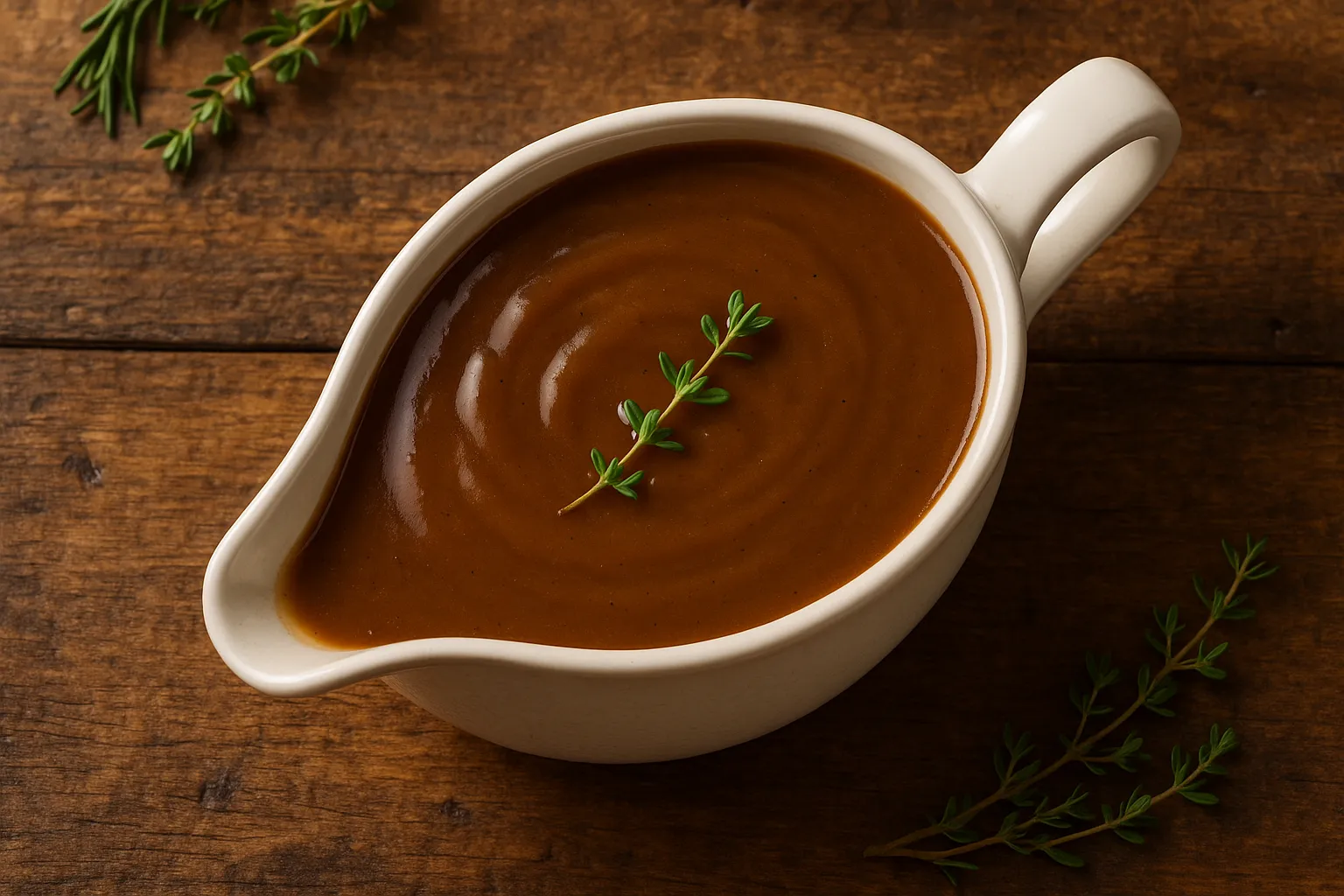
A savory sauce made from meat drippings or broth, commonly used to enhance flavor of mashed potatoes, meat, and vegetables.
Quick Nutrition Facts
Per 1/4 Cup (60ml)
| Nutrient | Amount |
|---|---|
| Calories | 32 kcal |
| Protein | 1.6g |
| Carbohydrates | 8.2g |
| Fiber | 0.2g |
| Sugars | 0.4g |
| Fat | 1.4g |
| Sodium | 269mg |
| Potassium | 50mg |
| Iron | 0.3mg |
| Phosphorus | 14mg |
Macronutrient Breakdown
 ChatGPT
  Claude
  AI Mode
  Perplexity
NUTRITIONIST INSIGHT
Gravy's primary health concern is sodium content (269mg per 1/4 cup serving). Choosing low-sodium versions or making homemade gravy allows you to control salt levels while enjoying the flavor enhancement this condiment provides.
Myth Busters
MYTH #1: All Gravy Is Extremely High in Calories
TRUTH: At 32 calories per 1/4 cup serving, gravy is relatively low in calories. The main health concern is sodium, not calories. When used in moderation (1-2 tablespoons), gravy adds minimal calories to meals while enhancing flavor and satisfaction.
MYTH #2: Gravy Has No Nutritional Value
TRUTH: While not nutrient-dense, gravy provides small amounts of protein, iron, and B vitamins from meat drippings or broth base. Homemade gravy made with quality ingredients offers more nutrients than store-bought varieties with added thickeners and preservatives.
MYTH #3: People with High Blood Pressure Must Avoid Gravy Completely
TRUTH: Those with hypertension don't need to eliminate gravy entirely. Reducing sodium intake helps lower blood pressure, but using low-sodium gravy (50-100mg per serving) or limiting portion to 1-2 tablespoons allows safe enjoyment without significant health impact.
MYTH #4: Homemade and Store-Bought Gravy Are Equally Healthy
TRUTH: Homemade gravy is significantly healthier. Store-bought varieties can contain very high sodium levels (up to 800mg per serving), preservatives, and artificial flavors. Making gravy at home allows control over salt, fat quality, and ingredients.
MYTH #5: Gravy Makes You Gain Weight
TRUTH: Gravy itself doesn't cause weight gain. At 32 calories per 1/4 cup, it's the overall calorie intake and what you pour gravy on (mashed potatoes with butter, fried foods) that affects weight. Used moderately on lean proteins and vegetables, gravy won't sabotage weight management.
MYTH #6: All Gravy Contains Meat
TRUTH: Many gravies are vegetarian or vegan. Mushroom gravy, vegetable gravy, and onion gravy use vegetable broth bases. These plant-based versions can be equally flavorful and often lower in fat than traditional meat-based gravies.
NutriScore by Health Goals
| Health Goal | NutriScore | Why This Score? |
|---|---|---|
| Weight Loss |  | Low calories (32 per serving) but high sodium. Use 1-2 tbsp only, choose low-sodium versions. |
| Muscle Gain | | Minimal protein (1.6g). Not a significant contributor. Use to enhance lean meat meals. |
| Diabetes Management |  | Low glycemic impact, minimal carbs (8.2g per serving). Safe in moderation, but watch sodium. |
| PCOS Management | | Low carbs, but sodium can affect bloating and inflammation. Limit to 1-2 tbsp, choose low-sodium. |
| Pregnancy Nutrition | | Excessive sodium during pregnancy increases blood pressure risk. Use low-sodium versions sparingly. |
| Hypertension |  | High sodium (269mg per serving) problematic for blood pressure. WHO recommends limiting sodium. Choose low-sodium gravy. |
PERSONALIZED NUTRITION
Track your meals with NutriScan for personalized NutriScores based on your specific health goals!
Blood Sugar Response to Gravy
Gravy has minimal impact on blood sugar due to low carbohydrate content per typical serving size.
Typical Glucose Response Curve
This chart shows minimal blood glucose response due to low carb content. Individual responses may vary. Not medical advice.
Blood Sugar Considerations
Gravy contains 8.2g carbohydrates per 1/4 cup, primarily from thickeners (flour, cornstarch). The blood sugar impact is minimal when used as a condiment:
- 🥩 Pour on lean protein - No additional blood sugar impact
- 🥔 Combine with mashed potatoes - Monitor total carb count (potato + gravy)
- 🥦 Use on vegetables - Enhances flavor without significant glucose spike
- 🍗 Pair with roasted chicken/turkey - Balanced meal maintains stable blood sugar
For diabetics, account for gravy carbs in total meal calculation but the impact is minor compared to main dishes.
Cultural Significance
Gravy is a fundamental element of comfort food across many cultures, serving as the bridge between simple ingredients and satisfying meals.
In India:
- Dal (lentil gravy) is a staple in every household
- Curry gravies form the base of most Indian main dishes
- Regional variations: North Indian cream-based, South Indian coconut-based, East Indian mustard-based
- Gravies traditionally made from spices, onions, tomatoes, and yogurt
- Every festival meal features multiple gravy-based dishes
Global Impact:
- French cuisine elevated gravies to fine dining ("mother sauces")
- British Sunday roast incomplete without gravy
- American Thanksgiving tradition centers around turkey and gravy
- Italian ragù sauces and gravies define regional identities
- Gravy culture reflects ingredient availability and culinary history
Compare & Substitute
Gravy vs Similar Sauces (Per 100g)
| Nutrient | 🍖 Brown Gravy | 🥫 Beef Broth | 🍄 Mushroom Sauce | 🧈 White Sauce (Béchamel) |
|---|---|---|---|---|
| Calories | 53 kcal | 5 kcal | 68 kcal | 140 kcal |
| Carbs | 13.7g | 0.5g | 7.8g | 10.2g |
| Fiber | 0.3g | 0g | 0.7g | 0.2g |
| Protein | 2.6g | 1g | 2.1g | 4.2g |
| Fat | 2.4g | 0.2g | 4.5g | 10.5g |
| Sodium | 449mg | 343mg | 390mg | 350mg |
| Best For | Flavor, low cal | Low cal, low sodium | Rich flavor, moderate | High fat, creamy richness |
Frequently Asked Questions
Is gravy bad for you?
Gravy isn't inherently bad but requires moderation due to sodium content. A 1/4 cup serving contains 269mg sodium (12% daily value), and many people use 2-3 servings per meal.
Health concerns:
- High sodium can raise blood pressure
- Store-bought versions contain preservatives
- Excessive consumption linked to cardiovascular stress
Healthier approach: Make homemade low-sodium gravy, limit to 1-2 tablespoons per serving, choose versions with <150mg sodium per serving.
Can diabetics eat gravy?
Yes, diabetics can eat gravy in moderation. With 8.2g carbs per 1/4 cup, the glycemic impact is minimal when used as a condiment.
Best practices for diabetics:
- Limit to 1-2 tablespoons (4-8g carbs)
- Account for carbs in total meal planning
- Avoid gravies thickened with excessive flour or cornstarch
- Choose broth-based gravies over cream-based
- Pair with lean proteins and non-starchy vegetables
The sodium content is a bigger concern than blood sugar for most diabetics.
How many calories are in gravy?
Calorie Content:
- 1 tablespoon (15ml): 8 calories
- 1/4 cup (60ml): 32 calories
- 1/2 cup (120ml): 64 calories
- Per 100g: 53 calories
Gravy is relatively low in calories. The health concerns center around sodium rather than calorie density. Using gravy to make bland healthy foods more palatable can actually support weight loss by increasing meal satisfaction.
Is homemade gravy healthier than store-bought?
Yes, homemade gravy is significantly healthier:
Homemade Benefits:
- Control sodium levels (can reduce by 60-70%)
- Use quality fats (olive oil, grass-fed butter)
- Avoid preservatives and artificial flavors
- Customize thickness without excessive thickeners
- Fresh ingredients provide better flavor and nutrients
Store-Bought Concerns:
- 2-3 times more sodium (up to 800mg per serving)
- Contains modified food starch, MSG, caramel coloring
- Preservatives for shelf stability
- Often includes trans fats or hydrogenated oils
Recommendation: Make gravy at home using pan drippings, low-sodium broth, and minimal salt. Refrigerate leftovers for 3-4 days.
Does gravy raise blood pressure?
Yes, regular consumption of high-sodium gravy can contribute to elevated blood pressure. Each 1/4 cup serving contains 269mg sodium.
Blood Pressure Impact:
- Excessive sodium causes water retention and increased blood volume
- Elevated blood volume strains cardiovascular system
- Regular high-sodium intake associated with hypertension development
- Effect is more pronounced in salt-sensitive individuals
For Hypertension:
- Choose low-sodium gravy (<100mg per serving)
- Limit portion to 1-2 tablespoons
- Make homemade versions with herbs for flavor instead of salt
- Read labels carefully (some gravies have 800mg+ per serving)
If you have high blood pressure, discuss gravy consumption with your healthcare provider.
What is a healthy portion size for gravy?
Recommended Portions:
- Standard serving: 1-2 tablespoons (15-30ml) - 8-16 calories, 90-180mg sodium
- Maximum: 1/4 cup (60ml) - 32 calories, 269mg sodium
- For hypertension: 1 tablespoon max (90mg sodium)
- For weight loss: 1-2 tablespoons (enhance flavor without excess calories)
Visual Guide:
- 1 tablespoon = size of poker chip
- 2 tablespoons = ping pong ball
- 1/4 cup = golf ball
Track your gravy intake with NutriScan app to monitor sodium consumption and stay within healthy limits.
Are there low-sodium gravy alternatives?
Yes, several low-sodium alternatives exist:
Store-Bought Options:
- Heinz Homestyle Low Sodium Gravy (75mg per serving)
- Pacific Foods Organic Low Sodium Gravy (140mg per serving)
- Check labels for <150mg sodium per serving
Homemade Low-Sodium Gravy:
- Use low-sodium broth as base (20-50mg per cup)
- Enhance flavor with herbs (thyme, rosemary, sage), not salt
- Add umami with mushrooms, tomato paste, or soy sauce alternative
- Use pan drippings for natural flavor depth
- Thicken with cornstarch or arrowroot instead of flour roux
Flavor Boosters Without Salt:
- Roasted garlic; caramelized onions; balsamic vinegar; nutritional yeast; black pepper; smoked paprika


Similar Nutritious Foods
4505 Chicharrones Classic Chili Salt
7 Eleven Japan Crispy Corn Cheese
Explore More Nutrition Tools & Resources
AI Calorie Counter App - Snap a Photo, Get Macros
AI Nutritionist App That Reads Your Logged Meals
Best Protein Supplements for Women
Bulking Meal Plan App That Sets Your Surplus
ChatGPT Calorie Counter Alternative That Keeps the Total
ChatGPT Diet Plan Alternative That Tracks What You Eat
ChatGPT Weight Loss Coach Alternative With a Food Log
Fast Food Calorie Counter App That Reads the Tray
Free Calorie Tracker App with AI Photo Scans | NutriScan
Indian Diet Plan App With Veg and Non Veg Meals
Indian Food Calorie Calculator - Get Instant Nutrition Facts for Desi Meals — 2026
Intermittent Fasting for Women, Timer and Meal Log App
Intermittent Fasting Tracker App - Free Fasting Timer
Macro Tracker App That Fills the Numbers From a Photo
Mediterranean Diet Meal Plan App That Counts the Oil
Micronutrient Tracker App for Vitamins and Minerals
MyFitnessPal Alternative That Stays Free | NutriScan
NutriScore App: A Free Grade on Every Meal | NutriScan
Nutrition Label Scanner App for the Amount You Ate
Second Trimester Protein Guide
Vegetarian Meal Plan App With a Protein Target
Voice Calorie Counter - Speak to Track Meals Hands-Free
Water and Calorie Tracker App - Free Water Log