Green Gram (Moong Dal): Calories, Nutrition and Health Benefits
A nutritional powerhouse legume packed with protein, fiber, and essential minerals for weight management, diabetes control, and digestive wellness.
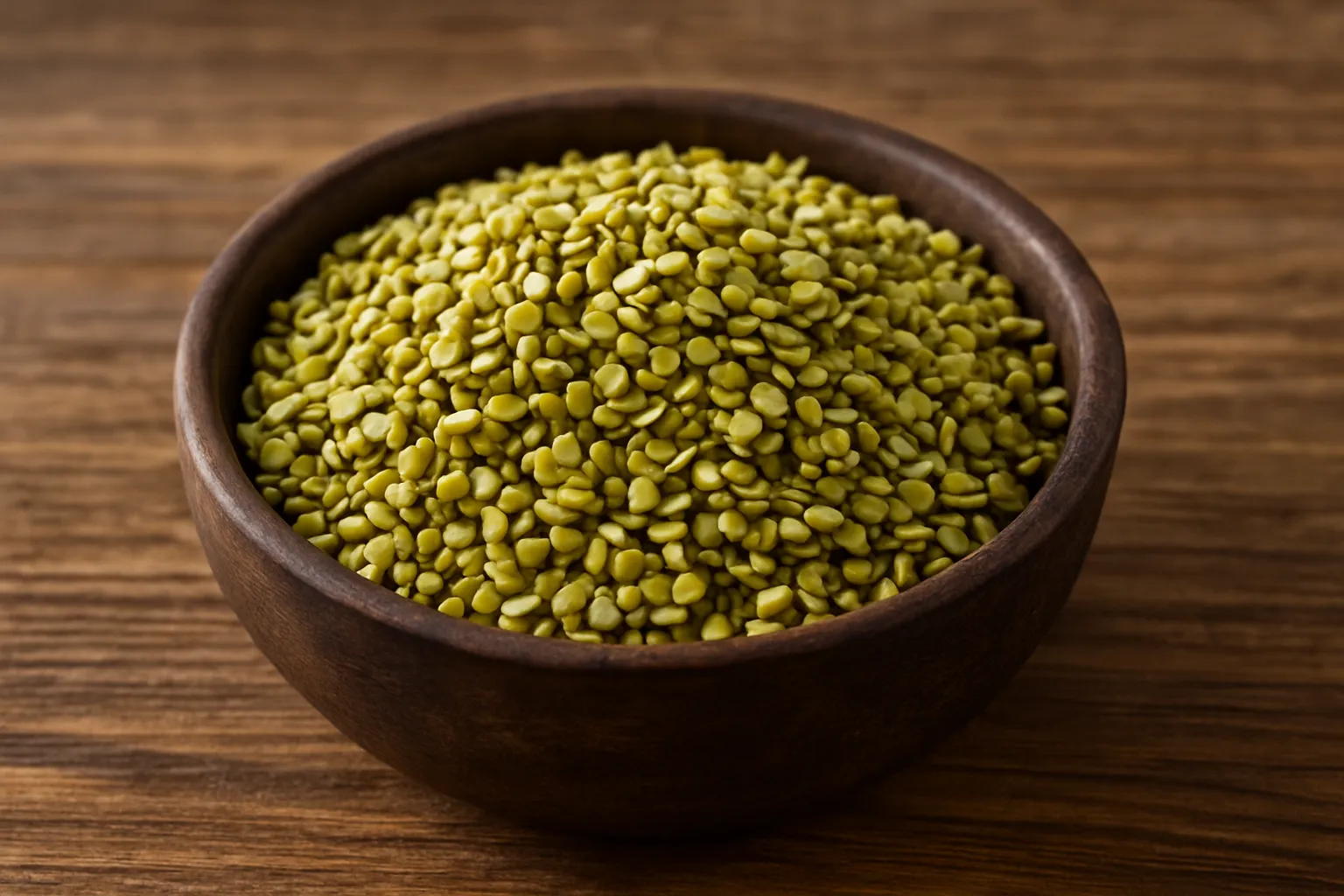
Quick Nutrition Facts
Per 100g Cooked Green Gram
| Nutrient | Amount |
|---|---|
| Calories | 105 kcal |
| Protein | 7g |
| Carbohydrates | 19g |
| Fiber | 7.6g |
| Sugars | 2g |
| Fat | 0.4g |
| Iron | 1.4mg |
| Folate | 159mcg |
| Magnesium | 48mg |
| Potassium | 266mg |
Macronutrient Breakdown
 ChatGPT
  Claude
  AI Mode
  Perplexity
NUTRITIONIST INSIGHT
Green gram provides 7.6g fiber per 100g—nearly 30% of your daily needs. The combination of protein and fiber creates sustained fullness, making it ideal for weight management. Sprouted moong increases vitamin C by 500% and enhances nutrient bioavailability.
Myth Busters
MYTH #1: Dal Makes You Gain Weight
TRUTH: Green gram has only 105 calories per 100g with high protein (7g) and fiber (7.6g). Studies show legumes support weight loss by increasing satiety and reducing overall calorie intake. Weight gain comes from excess calories and unhealthy cooking methods (excessive oil or ghee), not the dal itself.
MYTH #2: Diabetics Should Avoid Dal
TRUTH: Green gram is one of the best foods for diabetes with a low glycemic index (GI 25-31). The high fiber content slows glucose absorption, preventing blood sugar spikes. Research shows legumes improve insulin sensitivity and glycemic control in type 2 diabetes.
MYTH #3: Moong Dal Causes Gas and Bloating
TRUTH: While legumes can cause gas, proper preparation minimizes this: soak overnight before cooking; add ginger, cumin, or asafoetida during cooking; start with small portions and gradually increase. Sprouted moong is easier to digest than whole or split dal. Gas is often from improper soaking or rapid dietary fiber increase.
MYTH #4: Plant Proteins Are Inferior to Animal Proteins
TRUTH: Combining moong dal with rice creates complete protein with all essential amino acids. While moong alone lacks some amino acids, eating varied plant proteins throughout the day meets all needs. Indian dal-rice combination has sustained populations for centuries.
MYTH #5: Dal Has Too Many Carbs for Weight Loss
TRUTH: The 19g carbs in moong dal are complex carbohydrates with high fiber (7.6g), creating slow glucose release and lasting energy. These nutrient-dense carbs differ from refined carbs (white bread, sugar). The protein-fiber combination actually accelerates fat loss while preserving muscle.
MYTH #6: Only Whole Moong Is Healthy; Split Dal Is Nutritionally Empty
TRUTH: Both forms offer nutrition. Whole moong (with skin) has slightly more fiber and vitamins; split moong dal (yellow) is easier to digest and still provides 7g protein, significant fiber, and minerals. Choose based on digestive tolerance—both support health goals.
NutriScore by Health Goals
| Health Goal | NutriScore | Why This Score? |
|---|---|---|
| Weight Loss |  | Low calorie (105/100g), high fiber (7.6g) creates fullness, plant protein boosts metabolism, low GI prevents hunger spikes. |
| Muscle Gain |  | Provides 7g plant protein per 100g; combine with rice for complete amino acid profile. Good carbs for energy but needs additional protein sources for optimal muscle building. |
| Diabetes Management | | Excellent low GI (25-31), high fiber improves insulin sensitivity, stabilizes blood sugar, reduces HbA1c levels. |
| PCOS Management | | Low GI improves insulin resistance, high fiber regulates hormones, plant protein supports weight management, anti-inflammatory properties. |
| Pregnancy Nutrition | | Rich in folate (159mcg per 100g) crucial for fetal development, iron prevents anemia, easily digestible protein source. |
| Viral/Flu Recovery | | Easy to digest, provides plant protein for immune function, folate supports cell repair, light on stomach during illness. |
PERSONALIZED NUTRITION
Track your meals with NutriScan for personalized NutriScores based on your specific health goals!
Blood Sugar Response to Green Gram
Green gram's low glycemic index (25-31) creates minimal blood sugar impact, making it ideal for diabetes and weight management.
Typical Glucose Response Curve
*This chart shows typical blood glucose response for cooked green gram. Individual responses may vary. Not medical advice.*
How to Optimize Blood Sugar Control
Combining green gram with complementary foods creates balanced nutrition and steady energy:
- 🍚 Dal + Rice - Complete protein with slow-release carbs for sustained energy
- 🥬 Dal + Vegetables - Extra fiber and nutrients for maximum fullness
- 🍋 Add Lemon - Vitamin C enhances iron absorption from dal
- 🧈 Small Amount of Ghee - Healthy fat slows digestion further, improves vitamin absorption
This combination not only maintains stable blood sugar but also provides complete nutrition for various health goals.
Cultural Significance
Green gram (moong dal) is one of India's most ancient and revered legumes, cultivated for over 4,000 years.
In India:
- Staple protein source in vegetarian diets across all regions
- Ayurveda considers moong the most sattvic (pure) and easily digestible legume
- Used in religious ceremonies and temple prasad
- Sprouted moong eaten during fasting periods (Navratri, Ekadashi)
- Regional specialties: Maharashtra's misal pav, Gujarat's moong dal dhokla, South Indian pesarattu (dosa)
Ayurvedic Properties:
- Balances all three doshas (Vata, Pitta, Kapha)
- Cooling effect on body, ideal for summers
- Detoxifying properties for digestive system
- Traditional remedy for fever and digestive issues
Global Impact:
- Grown in India, China, Southeast Asia, East Africa
- India produces 3+ million tons annually (world leader)
- Sustainable crop: nitrogen-fixing improves soil health
- Affordable protein source combating malnutrition
Compare & Substitute
Green Gram vs Other Legumes (Per 100g Cooked)
| Nutrient | 🌿 Green Gram | 🟡 Chickpeas | 🟤 Black Lentils | 🔴 Kidney Beans |
|---|---|---|---|---|
| Calories | 105 kcal | 164 kcal | 116 kcal | 127 kcal |
| Protein | 7g | 8.9g | 9g | 8.7g |
| Carbs | 19g | 27g | 20g | 23g |
| Fiber | 7.6g | 7.6g | 7.9g | 6.4g |
| Fat | 0.4g | 2.6g | 0.4g | 0.5g |
| Iron | 1.4mg | 2.9mg | 3.3mg | 2.9mg |
| Folate | 159mcg | 172mcg | 181mcg | 130mcg |
| GI | 25-31 (Low) | 28 (Low) | 30 (Low) | 24 (Low) |
| Best For | Weight loss, easy digest | Protein, iron | Iron, complete meals | Blood sugar, heart health |
Frequently Asked Questions
Is green gram good for weight loss?
Yes, green gram is one of the best foods for weight loss. With 105 calories per 100g, it provides 7g protein and 7.6g fiber that create strong satiety signals; low glycemic index (25-31) prevents hunger spikes; high fiber content slows digestion and reduces overall calorie absorption.
Best practices: Eat as dal (cooked), khichdi (with rice), or sprouted moong salad; avoid excessive oil or ghee; consume for lunch or dinner to reduce evening cravings. One cup cooked moong daily supports sustainable fat loss while maintaining energy.
Can diabetics eat moong dal?
Yes, moong dal is highly recommended for diabetics. It has one of the lowest GI among carb-rich foods (25-31); 7.6g fiber per 100g slows glucose absorption; improves insulin sensitivity with regular consumption; provides sustained energy without blood sugar spikes.
Tips for diabetics: Eat with vegetables for extra fiber; avoid adding excess ghee or oil; pair with brown rice instead of white rice; monitor blood sugar 2 hours after meals. Studies show daily legume consumption reduces HbA1c in type 2 diabetes.
How much protein is in green gram?
Cooked green gram contains 7 grams of protein per 100g. Raw/dry moong dal provides approximately 24g protein per 100g. When combined with rice in traditional dal-rice meals, it forms complete protein with all essential amino acids.
For adequate protein intake: vegetarians need 150-200g cooked moong daily; combine with other protein sources (paneer, yogurt, nuts) for muscle building; sprouting increases protein bioavailability by 20%.
What are the main health benefits of moong dal?
Key Benefits:
- Digestive Health: 7.6g fiber supports gut bacteria, regular bowel movements
- Blood Sugar Control: Low GI (25-31) ideal for diabetes management
- Weight Management: High satiety with low calories aids fat loss
- Heart Health: Lowers cholesterol, reduces heart disease risk
- Pregnancy Support: 159mcg folate prevents neural tube defects
- Detoxification: Ayurvedic cleanser removes toxins from digestive system
Should I eat green gram with or without skin?
Both forms offer unique benefits—choose based on your needs:
Whole Green Gram (with skin):
- Higher fiber (8-9g per 100g cooked)
- More vitamins and minerals
- Better for weight loss and constipation
- Requires longer cooking and soaking
Split Moong Dal (yellow, without skin):
- Easier to digest (ideal for elderly, children, illness recovery)
- Less gas and bloating
- Faster cooking time
- Still provides 7g protein and significant fiber
Recommendation: Digestive issues = split dal; weight loss/maximum nutrition = whole moong. Both support health goals effectively.
Is moong dal good for PCOS?
Yes, moong dal is excellent for PCOS management. Low GI (25-31) improves insulin resistance, the primary PCOS driver; high fiber regulates hormones and reduces testosterone; plant protein supports weight loss critical for PCOS symptoms; anti-inflammatory properties reduce chronic inflammation.
PCOS-specific tips: Eat daily as khichdi or dal; combine with vegetables for fiber; avoid excessive carbs (rice); add flaxseeds for omega-3s. Studies show legume-rich diets improve ovulation and reduce PCOS symptoms by 40%.




Similar Nutritious Foods
4505 Chicharrones Classic Chili Salt
7 Eleven Japan Crispy Corn Cheese
Explore More Nutrition Tools & Resources
AI Calorie Counter App - Snap a Photo, Get Macros
AI Nutritionist App That Reads Your Logged Meals
Best Protein Supplements for Women
Bulking Meal Plan App That Sets Your Surplus
ChatGPT Calorie Counter Alternative That Keeps the Total
ChatGPT Diet Plan Alternative That Tracks What You Eat
ChatGPT Weight Loss Coach Alternative With a Food Log
Fast Food Calorie Counter App That Reads the Tray
Free Calorie Tracker App with AI Photo Scans | NutriScan
Indian Diet Plan App With Veg and Non Veg Meals
Indian Food Calorie Calculator - Get Instant Nutrition Facts for Desi Meals — 2026
Intermittent Fasting for Women, Timer and Meal Log App
Intermittent Fasting Tracker App - Free Fasting Timer
Macro Tracker App That Fills the Numbers From a Photo
Mediterranean Diet Meal Plan App That Counts the Oil
Micronutrient Tracker App for Vitamins and Minerals
MyFitnessPal Alternative That Stays Free | NutriScan
NutriScore App: A Free Grade on Every Meal | NutriScan
Nutrition Label Scanner App for the Amount You Ate
Second Trimester Protein Guide
Vegetarian Meal Plan App With a Protein Target
Voice Calorie Counter - Speak to Track Meals Hands-Free
Water and Calorie Tracker App - Free Water Log