Green Tea: Calories, Benefits and Health Effects
The antioxidant-rich beverage with EGCG catechins, proven modest benefits for blood sugar control, but concentrated extracts carry liver toxicity risks.
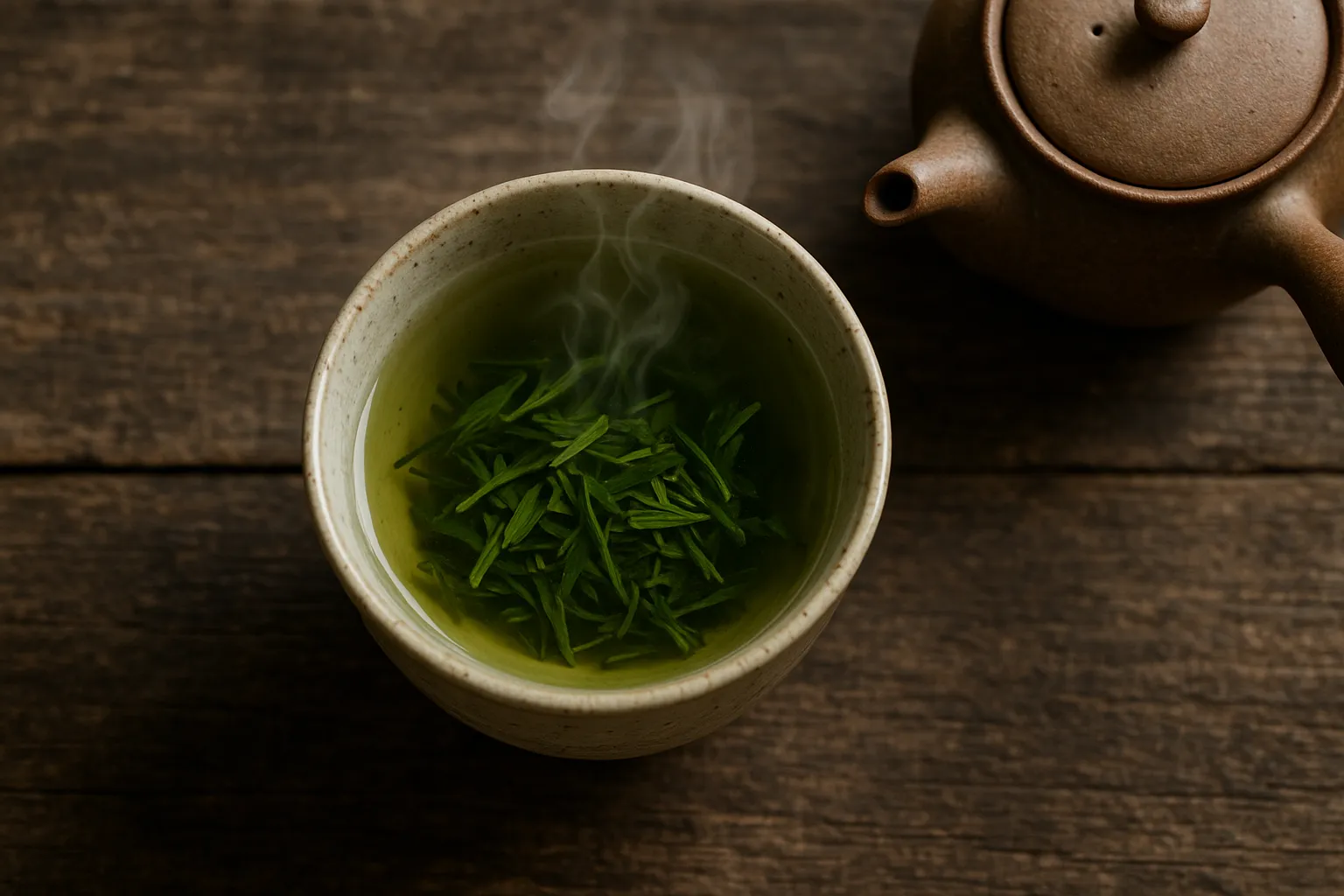
Quick Nutrition Facts
Per 100ml (about 1/2 cup brewed green tea)
| Nutrient | Amount |
|---|---|
| Calories | 1 kcal |
| Protein | 0g |
| Carbohydrates | 0g |
| Fiber | 0g |
| Fat | 0g |
| EGCG | 25-86mg* |
| Total Catechins | 50-150mg* |
| Caffeine | 20-45mg |
| L-Theanine | 6-8mg |
| Polyphenols | 100-300mg* |
*Varies by brewing time, temperature, and tea quality
Active Compound Breakdown
 ChatGPT
  Claude
  AI Mode
  Perplexity
NUTRITIONIST INSIGHT
Green tea provides powerful antioxidants with virtually zero calories. The combination of EGCG and L-theanine offers unique benefits: metabolism support without the jitters of coffee. However, avoid concentrated extracts - stick to brewed tea for safety.
Myth Busters
MYTH #1: Green Tea Burns Significant Fat
TRUTH: Effects are modest. Meta-analysis shows average 1.31 kg weight loss over 12 weeks, requiring high doses (400-500mg EGCG daily). Green tea supports weight loss but isn't a magic solution. Calorie deficit remains essential.
MYTH #2: Green Tea Dramatically Lowers Blood Sugar
TRUTH: Meta-analysis of 17 trials shows modest -1.44 mg/dL fasting glucose reduction. Benefits are real but small. Green tea complements diabetes management but doesn't replace medication or diet control.
MYTH #3: All Green Tea Supplements Are Safe
TRUTH: This is dangerous misinformation. Green tea extracts cause hepatotoxicity with over 100 documented cases. EGCG doses above 800mg daily increase liver enzymes. Brewed tea is safe; concentrated extracts carry serious risks.
MYTH #4: More Green Tea = More Benefits
TRUTH: Benefits plateau at 4-6 cups daily. Excessive consumption (10+ cups) can cause caffeine side effects (insomnia, anxiety, rapid heart rate), iron absorption issues, and potential liver stress with high-dose extracts.
MYTH #5: Green Tea on Empty Stomach Is Best
TRUTH: Green tea on empty stomach can cause nausea, stomach irritation, and reduce iron absorption. Best consumed 30-60 minutes after meals for optimal tolerance and nutrient interaction.
MYTH #6: All Green Teas Are Equal
TRUTH: EGCG content varies 10-fold based on quality, origin, and preparation. Matcha (whole leaf powder) provides 3x more EGCG than regular green tea. Water temperature and steep time dramatically affect catechin extraction.
NutriScore by Health Goals
| Health Goal | NutriScore | Why This Score? |
|---|---|---|
| Weight Loss |  | Zero calories, modest metabolism boost (1.31 kg over 12 weeks), appetite suppression. Requires 4-6 cups daily for effects. Not a magic solution but helpful support. |
| Muscle Gain |  | No protein or calories, but EGCG may reduce exercise-induced oxidative stress. Caffeine can enhance workout performance. Hydration benefit. |
| Diabetes Management | | Modest fasting glucose reduction (-1.44 mg/dL), improved insulin sensitivity. Zero carbs won't spike blood sugar. Complements medication. |
| PCOS Management | | Antioxidants reduce inflammation linked to PCOS; EGCG may improve insulin resistance. Zero calories support weight management critical for PCOS. Limit to 3 cups to avoid excess caffeine. |
| Pregnancy Nutrition | | Limit to 1-2 cups daily due to caffeine (20-45mg per cup). Total caffeine should stay under 200mg daily. Excess may affect iron absorption. Consult healthcare provider. |
| Viral/Flu Recovery | | Rich in antioxidants (polyphenols, EGCG) support immune function. Hydration aids recovery. Anti-inflammatory properties help. Avoid if fever causes caffeine sensitivity. |
PERSONALIZED NUTRITION
Track your meals with NutriScan for personalized NutriScores based on your specific health goals!
Blood Sugar Response to Green Tea
Green tea has minimal impact on blood glucose but shows modest improvements in glycemic control over time with regular consumption.
Typical Glucose Response Curve
This chart shows typical blood glucose response after green tea consumption. Green tea itself doesn't raise blood sugar. Individual responses may vary. Not medical advice.
How Green Tea Supports Blood Sugar Control
Green tea's effects are cumulative rather than immediate. Research shows consistent consumption improves glucose metabolism:
- ☕ Drink with meals - Catechins may slow carbohydrate digestion and glucose absorption
- ⏰ Consistent timing - Regular consumption (3-5 cups daily) shows better results than sporadic intake
- 🚫 Avoid added sugar - Sweeteners negate blood sugar benefits; use stevia or drink unsweetened
- 💊 Complement medication - Green tea supports but doesn't replace diabetes medication
Meta-analysis shows fasting glucose reduced by -1.44 mg/dL with regular green tea consumption. Effects are modest but consistent across studies.
Cultural Significance
Green tea originated in China around 2737 BCE and has shaped Asian culture, medicine, and spirituality for millennia.
Historical Origins:
- Legend: Chinese Emperor Shen Nung discovered tea when leaves fell into boiling water
- Tang Dynasty (618-907 CE): Tea became popular beverage; Lu Yu wrote "The Classic of Tea"
- Zen Buddhism: Japanese monks used tea for meditation focus; developed Japanese tea ceremony (chanoyu)
- Traditional Chinese Medicine: Prescribed for headaches, body aches, digestion, and detoxification
Japanese Tea Culture:
- Matcha ceremony (chanoyu): Ritualized preparation emphasizing mindfulness, harmony, respect, tranquility
- Sencha: Most common daily green tea in Japan (steamed leaves)
- Ceremonial grade vs. culinary grade matcha distinctions
- Tea houses (ochaya) remain cultural gathering spaces
Modern Global Impact:
- World's second most consumed beverage after water
- China and Japan produce 70% of global green tea
- Scientific research explosion (10,000+ studies on health effects)
- Functional food industry driven by EGCG research
In Traditional Medicine:
- TCM: Cooling properties; clears heat, improves mental clarity
- Ayurveda: Bitter and astringent; balances Kapha dosha
- Korean traditional medicine: Used for digestion and longevity
Compare & Substitute
Green Tea vs Other Teas and Beverages (Per 100ml)
| Nutrient | 🍵 Green Tea | ⚫ Black Tea | 🌸 White Tea | 🍵 Matcha (1g powder) |
|---|---|---|---|---|
| Calories | 1 kcal | 1 kcal | 1 kcal | 3 kcal |
| Caffeine | 20-45mg | 40-70mg | 15-30mg | 70mg |
| EGCG | 25-86mg | 5-20mg | 10-30mg | 130-250mg |
| L-Theanine | 6-8mg | 2-4mg | 4-6mg | 20-40mg |
| Polyphenols | 100-300mg | 80-200mg | 120-400mg | 300-600mg |
| Processing | Steamed/pan-fired | Fully oxidized | Minimal processing | Shade-grown, ground |
| Flavor | Grassy, vegetal | Bold, malty | Delicate, sweet | Rich, umami |
| Best For | Daily antioxidant intake; weight support | Morning energy; heart health | Highest antioxidants; gentle caffeine | Ceremonial use; maximum EGCG |
Frequently Asked Questions
Is green tea good for weight loss?
Green tea provides modest weight loss support. Meta-analysis shows average weight reduction of 1.31 kg over 12 weeks with catechins or EGCG-caffeine mixtures. Effects are dose-dependent, requiring 400-500mg EGCG daily (4-6 cups green tea or high-quality matcha).
Mechanisms: EGCG boosts metabolism through thermogenesis; inhibits COMT enzyme, increasing norepinephrine for fat breakdown; activates AMPK in liver and muscle tissue.
Reality check: Green tea supports weight loss but isn't a magic solution. Calorie deficit, exercise, and diet quality matter far more. Green tea is a helpful adjunct, not a replacement for lifestyle changes.
Can diabetics drink green tea?
Yes, diabetics benefit from green tea. Meta-analysis of 17 randomized controlled trials shows modest but consistent improvements: fasting glucose reduced by -1.44 mg/dL; HbA1c reduced by -0.30%.
Tips for diabetics: Drink 3-5 cups daily; consume with or after meals; avoid adding sugar (use stevia if needed); monitor blood sugar response; continue prescribed medications. Green tea complements diabetes management but doesn't replace medication or carbohydrate control.
Important: Effects are modest. Green tea is a supportive intervention, not a diabetes cure.
Are green tea extracts safe?
No, green tea extracts carry significant safety concerns. Brewed green tea is safe, but concentrated extracts in supplements are linked to hepatotoxicity (liver damage).
Key facts: Over 100 documented cases of green tea extract-induced liver injury; EGCG doses above 800mg daily increase liver enzymes (ALT, AST); some cases progressed to acute liver failure requiring transplantation.
Safe practices: Stick to brewed green tea (3-5 cups daily); avoid supplements with EGCG above 800mg; never take extracts on empty stomach; discontinue if you develop jaundice, dark urine, or fatigue. The FDA has issued warnings about green tea extract supplements.
How much green tea should I drink per day?
General health: 3-5 cups (720-1200ml) daily provides optimal antioxidant benefits without excessive caffeine.
Therapeutic effects: 4-6 cups for weight loss, blood sugar management, or heart health benefits.
Maximum safe intake: 8-10 cups; beyond this risks caffeine side effects (insomnia, anxiety, rapid heartbeat) and potential iron absorption issues.
Timing: Drink 30-60 minutes after meals to avoid nausea and maximize nutrient absorption. Limit evening consumption if caffeine-sensitive.
Track with NutriScan app to optimize green tea timing within your overall nutrition plan.
What are the main health benefits of green tea?
Evidence-Based Benefits:
- Antioxidant Power: Polyphenols and EGCG fight oxidative stress and inflammation
- Modest Blood Sugar Control: -1.44 mg/dL fasting glucose; -0.30% HbA1c reduction
- Weight Loss Support: 1.31 kg average reduction over 12 weeks (high doses required)
- Heart Health: May improve cholesterol profile, reduce LDL oxidation, support blood pressure
- Brain Function: L-theanine + caffeine combination improves focus and calm alertness
- Cancer Research: Laboratory studies show anti-cancer properties; human evidence mixed and ongoing
Important context: Benefits are modest, not dramatic. Green tea is a healthy beverage choice but not a miracle cure.
Does green tea contain caffeine?
Yes, green tea contains 20-45mg caffeine per cup (240ml), about one-third of coffee's 95mg. The combination of caffeine and L-theanine provides unique effects: improved focus and alertness without the jitters or crash associated with coffee.
Comparison per 240ml: Green tea 20-45mg; Black tea 40-70mg; Coffee 95mg; Espresso (30ml) 63mg.
Factors affecting caffeine: Brewing time (longer = more caffeine), water temperature (hotter = more extraction), tea quality (younger leaves have more), tea type (matcha highest at 70mg per gram powder).
For caffeine-sensitive individuals: Choose white tea (15-30mg) or limit to 1-2 cups green tea daily, consumed before 2 PM to avoid sleep disruption.


Similar Nutritious Foods
4505 Chicharrones Classic Chili Salt
7 Eleven Japan Crispy Corn Cheese
Explore More Nutrition Tools & Resources
AI Calorie Counter App - Snap a Photo, Get Macros
AI Nutritionist App That Reads Your Logged Meals
Best Protein Supplements for Women
Bulking Meal Plan App That Sets Your Surplus
ChatGPT Calorie Counter Alternative That Keeps the Total
ChatGPT Diet Plan Alternative That Tracks What You Eat
ChatGPT Weight Loss Coach Alternative With a Food Log
Fast Food Calorie Counter App That Reads the Tray
Free Calorie Tracker App with AI Photo Scans | NutriScan
Indian Diet Plan App With Veg and Non Veg Meals
Indian Food Calorie Calculator - Get Instant Nutrition Facts for Desi Meals — 2026
Intermittent Fasting for Women, Timer and Meal Log App
Intermittent Fasting Tracker App - Free Fasting Timer
Macro Tracker App That Fills the Numbers From a Photo
Mediterranean Diet Meal Plan App That Counts the Oil
Micronutrient Tracker App for Vitamins and Minerals
MyFitnessPal Alternative That Stays Free | NutriScan
NutriScore App: A Free Grade on Every Meal | NutriScan
Nutrition Label Scanner App for the Amount You Ate
Second Trimester Protein Guide
Vegetarian Meal Plan App With a Protein Target
Voice Calorie Counter - Speak to Track Meals Hands-Free
Water and Calorie Tracker App - Free Water Log