Grilled Chicken: Calories, Nutrition and Health Benefits
The ultimate lean protein source packed with essential amino acids, minimal fat, and zero carbs for optimal health and fitness goals.
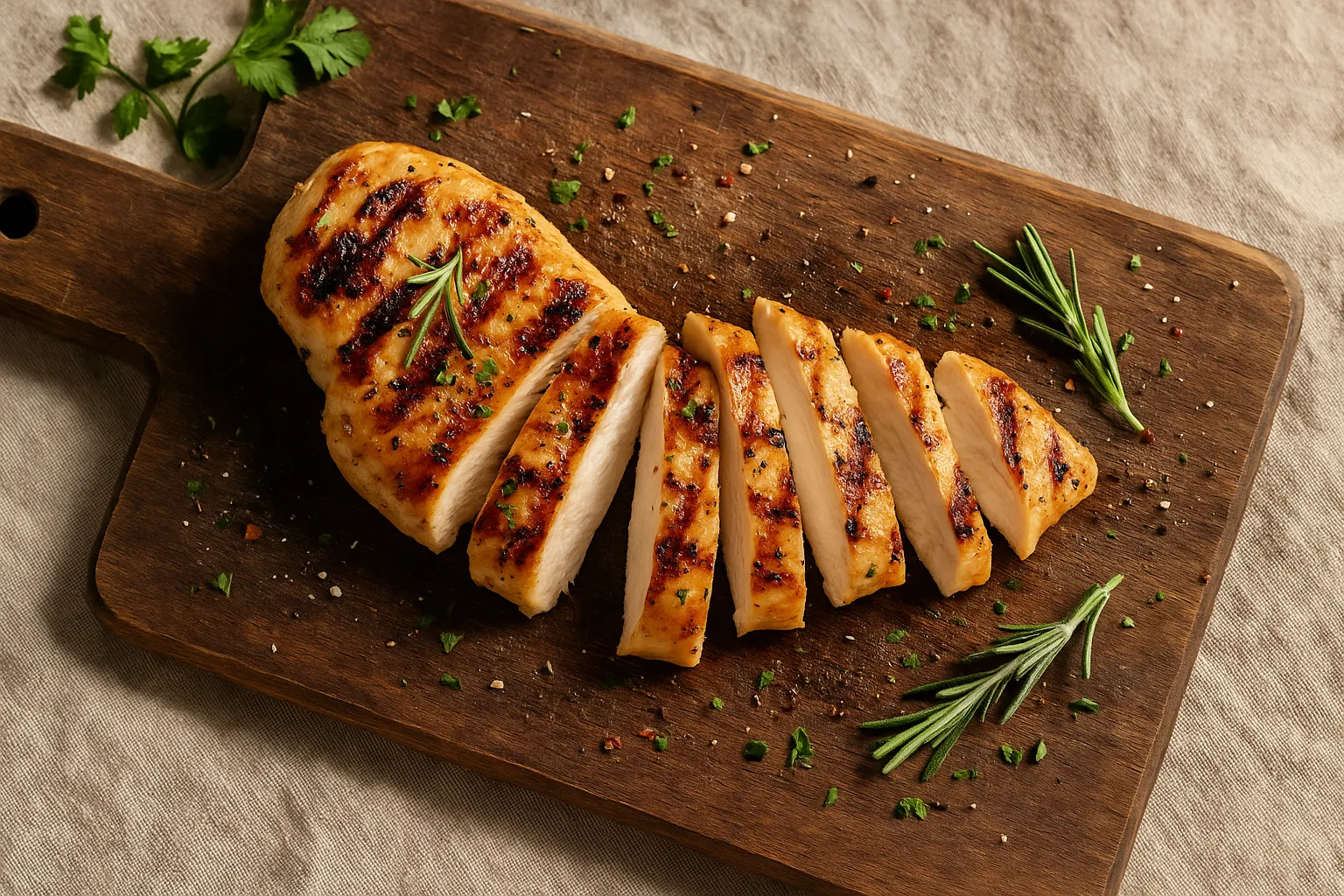
Quick Nutrition Facts
Per 100g Grilled Chicken Breast
| Nutrient | Amount |
|---|---|
| Calories | 165 kcal |
| Protein | 31g |
| Carbohydrates | 0g |
| Fiber | 0g |
| Sugars | 0g |
| Fat | 3.6g |
| Saturated Fat | 1g |
| Cholesterol | 85mg |
| Sodium | 74mg |
| Phosphorus | 228mg |
| Selenium | 27.6mcg |
| Vitamin B3 | 14.8mg |
| Vitamin B6 | 0.6mg |
Macronutrient Breakdown
 ChatGPT
  Claude
  AI Mode
  Perplexity
NUTRITIONIST INSIGHT
Grilled chicken provides the highest protein-to-calorie ratio among common meats. The 31g complete protein per 100g includes all essential amino acids critical for muscle repair, immune function, and hormone production.
Myth Busters
MYTH #1: Chicken Breast is Too Dry and Flavorless
TRUTH: Proper grilling technique yields juicy chicken. Marinate for 2-4 hours, grill at medium-high heat (375-450°F), and rest 5 minutes post-cooking. Use herbs, lemon, garlic instead of high-calorie sauces.
MYTH #2: All Chicken Has the Same Nutritional Value
TRUTH: Grilled chicken breast has 165 calories and 3.6g fat per 100g, while fried chicken has 300+ calories and 15g fat. Cooking method dramatically impacts nutrition; grilling preserves protein while minimizing added fats.
MYTH #3: Too Much Protein from Chicken Damages Kidneys
TRUTH: High protein intake from chicken is safe for healthy individuals. Only those with pre-existing kidney disease need protein restriction. Athletes safely consume 2-2.5g protein per kg body weight daily.
MYTH #4: Chicken is Hormone-Filled and Unsafe
TRUTH: In the US, EU, and India, hormone use in poultry has been banned since 1950s-1960s. Choose organic or free-range for fewer antibiotics, but conventional grilled chicken is nutritionally sound and safe.
MYTH #5: You Should Only Eat White Meat, Never Dark Meat
TRUTH: While breast meat (white) has 165 calories and 3.6g fat, thigh meat (dark) has 209 calories and 10.9g fat per 100g. Both provide complete protein; choose breast for fat loss, thighs for sustained energy and iron.
MYTH #6: Eating Chicken Every Day is Unhealthy
TRUTH: Daily chicken consumption is safe when part of a balanced diet. Vary protein sources weekly (fish, legumes, eggs), but chicken's amino acid profile supports muscle maintenance and satiety.
NutriScore by Health Goals
| Health Goal | NutriScore | Why This Score? |
|---|---|---|
| Weight Loss |  | Only 165 calories, 31g protein promotes satiety, high thermic effect (20-30% calories burned during digestion). Ideal for calorie deficit. |
| Muscle Gain | | 31g complete protein per 100g, all essential amino acids (EAAs), leucine-rich for muscle protein synthesis. Perfect post-workout meal. |
| Diabetes Management | | Zero carbs, zero glycemic impact. Protein improves insulin sensitivity and stabilizes blood sugar. Pair with fiber-rich vegetables. |
| PCOS Management | | Zero carbs prevent insulin spikes, high protein improves hormone balance. Low saturated fat (1g) supports cardiovascular health. |
| Pregnancy Nutrition | | 31g complete protein supports fetal development, B vitamins aid neural tube formation, iron prevents anemia. Cook thoroughly to 165°F. |
| Viral/Flu Recovery | | High protein (31g) repairs immune cells, selenium (27.6mcg) boosts immunity, easy to digest. Combine with broth and vegetables for complete recovery meal. |
PERSONALIZED NUTRITION
Track your meals with NutriScan for personalized NutriScores based on your specific health goals!
Blood Sugar Response to Grilled Chicken
Understanding how grilled chicken affects your blood glucose can help you make informed decisions about meal composition.
Typical Glucose Response Curve
*This chart shows typical blood glucose response for general healthy individuals. Individual responses may vary. Not medical advice.*
How to Optimize the Protein Effect
Pairing grilled chicken with fiber and healthy fats creates balanced meals that stabilize blood sugar and extend satiety:
- 🥦 Fiber-rich vegetables (broccoli, spinach, bell peppers) - Adds micronutrients and slows digestion
- 🥑 Healthy fats (avocado, olive oil, nuts) - Enhances nutrient absorption and satisfaction
- 🍚 Complex carbs (brown rice, quinoa, sweet potato) - For post-workout glycogen replenishment
- 🥗 Large salads - Maximum volume, minimal calories, optimal fiber
This combination not only prevents glucose spikes but also creates nutritionally complete meals supporting all health goals.
Cultural Significance
Grilled chicken has been a staple protein across civilizations, with each culture developing unique preparation methods.
In India:
- Tandoori chicken: Ancient clay oven technique dating back to Harappan civilization
- Tikka and kebabs: Mughal influence with yogurt-based marinades rich in probiotics
- Street food culture: Grilled chicken tikka as affordable protein source
- Regional variations: Kerala's grilled chicken with coconut; Punjab's butter chicken origin from grilled tandoori chicken
Global Impact:
- Ancient Rome: Grilled chicken as luxury protein for upper classes
- Mediterranean diet: Greek and Turkish grilled chicken with lemon and herbs
- Modern fitness culture: Bodybuilding and weight loss staple since 1970s
- Sustainable protein: Lower environmental impact than red meat (50% less greenhouse gas emissions)
Compare & Substitute
Grilled Chicken vs Other Proteins (Per 100g)
| Nutrient | 🍗 Grilled Chicken | 🐟 Grilled Salmon | 🍖 Lean Beef | 🌱 Tofu |
|---|---|---|---|---|
| Calories | 165 kcal | 206 kcal | 250 kcal | 144 kcal |
| Protein | 31g | 25g | 26g | 17g |
| Fat | 3.6g | 12g | 15g | 9g |
| Saturated Fat | 1g | 2.5g | 6g | 1.3g |
| Carbs | 0g | 0g | 0g | 2.3g |
| Omega-3 | Trace | 2.3g | Trace | 0.6g |
| Iron | 0.9mg | 0.8mg | 2.6mg | 2.7mg |
| Vitamin B12 | 0.3mcg | 3.2mcg | 2.6mcg | 0mcg |
| Best For | Weight loss, lean protein | Heart health, omega-3 | Iron needs, muscle mass | Plant-based, low-calorie |
Frequently Asked Questions
Is grilled chicken good for weight loss?
Yes, grilled chicken is one of the best foods for weight loss. With only 165 calories per 100g and a whopping 31g of protein, it offers the highest protein-to-calorie ratio among common proteins.
Why it works for weight loss:
- High satiety: 31g protein keeps you full for 3-4 hours, reducing overall calorie intake
- Thermic effect: 20-30% of chicken's calories are burned during digestion (vs 5-10% for carbs/fats)
- Muscle preservation: High protein prevents muscle loss during calorie deficit
- Versatile: Easy to meal prep and combine with low-calorie vegetables
Best practices: Consume 100-150g per meal, combine with fiber-rich vegetables, avoid high-calorie sauces, grill without oil or with minimal olive oil spray.
Can diabetics eat grilled chicken?
Absolutely. Grilled chicken is one of the safest proteins for diabetics. It contains zero carbohydrates and has no glycemic impact, meaning it won't raise blood sugar levels.
Diabetes benefits:
- Zero carbs: No glucose spike or insulin demand
- Protein stability: Slows down absorption of carbs eaten in the same meal
- Improved insulin sensitivity: Regular protein intake supports better glucose control
- Weight management: Supports healthy weight, crucial for Type 2 diabetes management
Tips for diabetics: Pair with non-starchy vegetables (broccoli, cauliflower, leafy greens), limit to 150g per meal, season with herbs instead of sugar-based marinades, combine with healthy fats (olive oil, avocado) for complete nutrition.
How much protein is in grilled chicken?
Grilled chicken breast contains approximately 31 grams of protein per 100g, making it one of the highest protein-density foods available.
Protein quality: Complete protein with all 9 essential amino acids (EAAs), particularly rich in leucine (2.5g per 100g) critical for muscle protein synthesis.
Serving examples:
- 100g grilled chicken = 31g protein
- 150g serving (typical portion) = 46.5g protein
- 200g serving = 62g protein
For muscle gain or high-protein diets, 150-200g grilled chicken per meal provides optimal protein for recovery and growth without excessive calories.
What are the main health benefits of grilled chicken?
Key Benefits:
- Muscle Building & Repair: 31g complete protein with all essential amino acids supports muscle protein synthesis and recovery
- Weight Management: High satiety-to-calorie ratio prevents overeating; thermogenic effect burns 20-30% of consumed calories
- Blood Sugar Control: Zero carbs and high protein stabilize glucose levels and improve insulin sensitivity
- Heart Health: Low saturated fat (1g) and zero trans fats; supports cardiovascular function
- Immune Support: Selenium (27.6mcg, 50% DV) boosts immune function; zinc supports wound healing
- Energy Metabolism: B vitamins (B3, B6) convert food to energy; prevents fatigue
- Bone Health: Phosphorus (228mg, 18% DV) strengthens bones and teeth
When is the best time to eat grilled chicken?
Depends on your goal:
- Weight Loss: Lunch or dinner paired with large portions of vegetables. Avoid late-night (within 2 hours of sleep) to prevent digestive discomfort.
- Muscle Gain: Post-workout (within 2 hours) with complex carbs (rice, quinoa) for optimal glycogen replenishment and muscle protein synthesis.
- Diabetes: Any meal. Protein at breakfast helps stabilize blood sugar throughout the day.
- General Health: Lunch or dinner. Protein-rich meals promote better sleep than high-carb dinners.
Pro tip: Meal prep 3-5 servings at once. Grilled chicken stays fresh refrigerated for 4 days, making it perfect for consistent protein intake.
Is grilled chicken better than fried chicken?
Grilled chicken is significantly healthier than fried. Here's the comparison per 100g:
Grilled Chicken Breast:
- 165 calories
- 31g protein
- 3.6g fat (1g saturated)
- 0g trans fats
- Preserves nutrients
Fried Chicken:
- 300+ calories
- 29g protein (breading reduces protein concentration)
- 15-20g fat (5-7g saturated)
- Contains trans fats from frying oils
- Nutrient degradation from high heat
Why grilling wins: Grilling uses no added fats, preserves lean protein, avoids carcinogenic compounds from deep frying, and maintains natural flavor without breading or heavy sauces.
How should I prepare grilled chicken to maximize nutrition?
Optimal preparation steps:
- Marinade: Use yogurt-based marinades (probiotics + protein) or lemon-herb mixtures for 2-4 hours
- Temperature: Grill at medium-high heat (375-450°F) to seal in juices without charring
- Internal temp: Cook to 165°F internal temperature for food safety while preserving moisture
- Resting: Let rest 5 minutes post-cooking to redistribute juices
- Seasoning: Use herbs (rosemary, thyme, oregano), spices (paprika, cumin, turmeric), and citrus instead of high-sodium or sugar-based sauces
Avoid: Charring (creates carcinogenic compounds), excessive salt (raises blood pressure), high-sugar BBQ sauces (adds 50-100 calories per tablespoon).
Can I eat grilled chicken every day?
Generally safe and beneficial when part of a balanced diet. Many athletes and fitness enthusiasts consume grilled chicken daily with excellent health outcomes.
Daily consumption guidelines:
- Portion: 150-200g per day (46-62g protein)
- Variety: Rotate with other proteins 2-3 times per week (fish, eggs, legumes, tofu) to ensure diverse nutrient intake
- Preparation: Vary cooking methods (grilled, baked, stir-fried) and seasonings to prevent flavor fatigue
- Balance: Always pair with vegetables, whole grains, and healthy fats for complete nutrition
Who should limit: Those with gout (purines in chicken), kidney disease (high protein load), or specific dietary restrictions.
Track your meals with NutriScan app to ensure your daily chicken consumption aligns with your personal nutrition goals and overall dietary balance.




Similar Nutritious Foods
4505 Chicharrones Classic Chili Salt
7 Eleven Japan Crispy Corn Cheese
Explore More Nutrition Tools & Resources
AI Calorie Counter App - Snap a Photo, Get Macros
AI Nutritionist App That Reads Your Logged Meals
Best Protein Supplements for Women
Bulking Meal Plan App That Sets Your Surplus
ChatGPT Calorie Counter Alternative That Keeps the Total
ChatGPT Diet Plan Alternative That Tracks What You Eat
ChatGPT Weight Loss Coach Alternative With a Food Log
Fast Food Calorie Counter App That Reads the Tray
Free Calorie Tracker App with AI Photo Scans | NutriScan
Indian Diet Plan App With Veg and Non Veg Meals
Indian Food Calorie Calculator - Get Instant Nutrition Facts for Desi Meals — 2026
Intermittent Fasting for Women, Timer and Meal Log App
Intermittent Fasting Tracker App - Free Fasting Timer
Macro Tracker App That Fills the Numbers From a Photo
Mediterranean Diet Meal Plan App That Counts the Oil
Micronutrient Tracker App for Vitamins and Minerals
MyFitnessPal Alternative That Stays Free | NutriScan
NutriScore App: A Free Grade on Every Meal | NutriScan
Nutrition Label Scanner App for the Amount You Ate
Second Trimester Protein Guide
Vegetarian Meal Plan App With a Protein Target
Voice Calorie Counter - Speak to Track Meals Hands-Free
Water and Calorie Tracker App - Free Water Log