Grilled Steak: Calories, Nutrition and Health Benefits
A premium protein source packed with essential nutrients, perfect for muscle building, iron intake, and balanced nutrition when consumed mindfully.
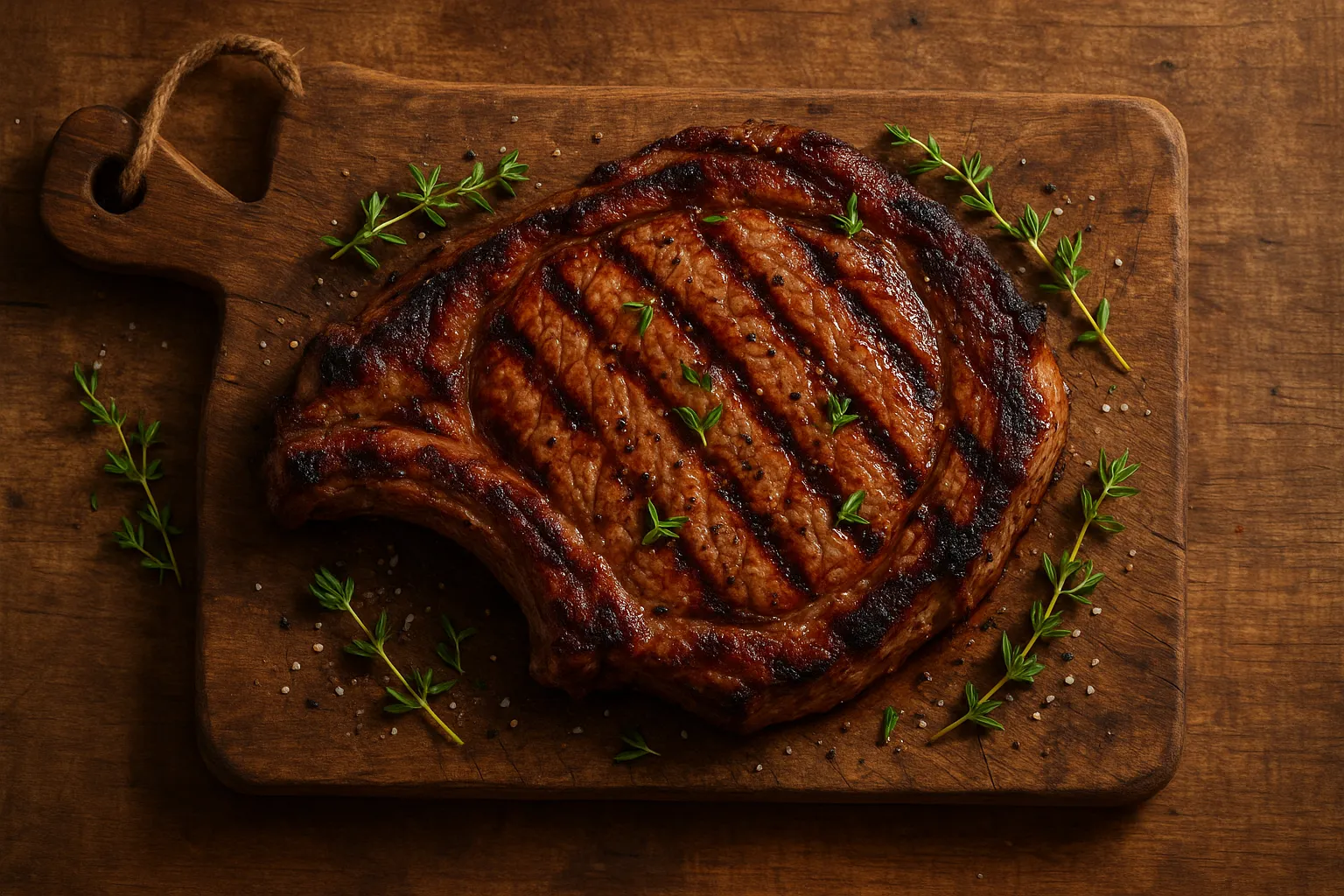
Quick Nutrition Facts
Per 100g Serving (3.5 oz)
| Nutrient | Amount |
|---|---|
| Calories | 250 kcal |
| Protein | 26g |
| Carbohydrates | 0g |
| Fiber | 0g |
| Sugars | 0g |
| Fat | 15g |
| Iron | 2.6mg |
| Zinc | 4.8mg |
| Vitamin B12 | 2.4mcg |
| Selenium | 26mcg |
Macronutrient Breakdown
 ChatGPT
  Claude
  AI Mode
  Perplexity
NUTRITIONIST INSIGHT
Grilled steak provides 26g of complete protein per 100g with exceptional bioavailability (95% absorption). Choose lean cuts like sirloin or tenderloin and pair with vegetables for balanced nutrition.
Myth Busters
MYTH #1: Red Meat Causes Heart Disease
TRUTH: Lean red meat in moderation doesn't increase heart disease risk. The key is choosing lean cuts (sirloin, tenderloin), limiting portion sizes, avoiding processed meats, and balancing with vegetables and whole grains. Excess saturated fat from fatty cuts is the concern, not moderate lean beef consumption.
MYTH #2: Steak Has No Place in Weight Loss
TRUTH: High-protein foods like steak actually support weight loss by increasing satiety and preserving muscle mass during calorie deficit. Studies show protein intake of 1.6-2.2g per kg body weight aids fat loss while maintaining lean muscle. Choose lean cuts and watch portions.
MYTH #3: All Steak is Equally Unhealthy
TRUTH: Not all cuts are equal. Sirloin and tenderloin have 5-8g fat per 100g vs ribeye's 20g+. Grass-fed beef contains more omega-3 fatty acids and conjugated linoleic acid (CLA) than grain-fed. Preparation matters too: grilled is healthier than fried.
MYTH #4: Plant Protein is Just as Good as Steak
TRUTH: While plant proteins are valuable, steak provides complete protein with all essential amino acids in optimal ratios, plus highly bioavailable heme iron (2-3x better absorbed than plant iron), vitamin B12 (not naturally found in plants), and zinc in easily absorbed form. Both have a place in balanced nutrition.
MYTH #5: Charred Steak is Dangerous
TRUTH: While high-heat charring does create potentially harmful compounds (HCAs and PAHs), marinating meat with herbs, spices, and acids reduces these compounds by 90%. Cook at medium heat, flip frequently, avoid flames touching meat, and don't eat heavily charred portions.
MYTH #6: Steak Causes Cancer
TRUTH: The link between unprocessed red meat and cancer is weak. The concern is primarily with processed meats (bacon, sausage) and excessive consumption. Eating lean steak 2-3 times per week in 100-150g portions, prepared properly, is not associated with significant cancer risk.
NutriScore by Health Goals
| Health Goal | NutriScore | Why This Score? |
|---|---|---|
| Weight Loss |  | 26g protein promotes satiety and preserves muscle. Choose lean cuts (sirloin), limit to 100-150g portions, pair with vegetables. Higher calories require portion control. |
| Muscle Gain |  | Exceptional complete protein (26g), all essential amino acids, 95% bioavailability, plus iron and zinc for muscle function and recovery. |
| Diabetes Management | | Zero carbohydrates, doesn't raise blood sugar, high protein stabilizes glucose. Choose lean cuts to limit saturated fat. |
| PCOS Management | | High protein supports hormonal balance, zero carbs prevent insulin spikes. Limit saturated fat by choosing lean cuts and moderate portions. |
| Pregnancy Nutrition | | Excellent iron source (2.6mg heme iron, highly absorbable), B12, zinc. Cook to well-done (160°F). |
| Viral/Flu Recovery | | Complete protein for immune function, zinc for recovery (4.8mg), selenium for antioxidant defense. Not as easy to digest as lighter proteins. |
PERSONALIZED NUTRITION
Track your meals with NutriScan for personalized NutriScores based on your specific health goals!
Blood Sugar Response to Grilled Steak
Understanding how steak affects blood glucose shows its benefits for blood sugar management.
Typical Glucose Response Curve
This chart shows typical blood glucose response for general healthy individuals. Individual responses may vary. Not medical advice.
How to Optimize Your Meal
Pairing steak with fiber and vegetables creates a balanced plate that promotes stable blood sugar and satiety:
- 🥗 Non-starchy vegetables - Broccoli, asparagus, Brussels sprouts add fiber
- 🥔 Sweet potato or quinoa - Complex carbs for sustained energy
- 🥑 Healthy fats - Avocado or olive oil dressing enhances nutrient absorption
- 🍋 Acidic marinades - Lemon juice or vinegar may improve glucose response
This combination provides complete nutrition: protein for muscle, vegetables for fiber and micronutrients, healthy fats for satiety.
Cultural Significance
Grilled steak has ancient origins, with evidence of meat grilling dating back over 1 million years when humans discovered fire.
Global Traditions:
- Argentina: Asado (traditional BBQ) is a cultural ritual; beef consumption averages 120 lbs per person annually
- USA: Steakhouses became symbols of prosperity in the 1950s; grilling is central to American BBQ culture
- Japan: Wagyu beef represents culinary excellence with marbling perfection
- France: Entrecôte and côte de boeuf are bistro classics
Modern Impact:
- Beef industry employs 1.6 million Americans and contributes $200+ billion to economy
- Sustainable ranching practices evolving: grass-fed, regenerative agriculture
- Global steak consumption ~60 million tons annually
- Quality grading systems (USDA Prime, Choice, Select) ensure consistency
Compare & Substitute
Grilled Steak vs Other Protein Sources (Per 100g)
| Nutrient | 🥩 Grilled Steak | 🐔 Grilled Chicken Breast | 🐟 Grilled Salmon | 🍗 Grilled Turkey |
|---|---|---|---|---|
| Calories | 250 kcal | 165 kcal | 206 kcal | 189 kcal |
| Protein | 26g | 31g | 22g | 29g |
| Fat | 15g | 3.6g | 13g | 7.4g |
| Iron | 2.6mg (heme) | 0.7mg | 0.3mg | 1.4mg |
| Vitamin B12 | 2.4mcg | 0.3mcg | 3.2mcg | 1.8mcg |
| Zinc | 4.8mg | 1.0mg | 0.4mg | 2.0mg |
| Omega-3 | 0.04g | 0.03g | 2.3g | 0.05g |
| Saturated Fat | 6g | 1g | 3g | 2g |
| Best For | Muscle, iron | Low-fat protein | Heart, omega-3 | Lean protein |
Frequently Asked Questions
Is grilled steak good for muscle gain?
Yes, grilled steak is one of the best foods for muscle gain. It provides 26g of complete protein per 100g with all essential amino acids in optimal ratios for muscle synthesis; highly bioavailable (95% absorption rate); rich in leucine (key amino acid for muscle protein synthesis); plus iron and zinc that support muscle function and recovery.
Best practices for muscle gain: Eat 150-200g post-workout (within 2 hours); pair with complex carbs like sweet potato or rice for glycogen replenishment; consume 2-3 times per week; choose lean cuts to minimize excess saturated fat while maximizing protein.
Can I eat steak on a weight loss diet?
Yes, lean steak can support weight loss when consumed properly. High protein (26g per 100g) increases satiety and reduces overall calorie intake; preserves muscle mass during calorie deficit; thermic effect of protein burns calories during digestion.
Tips for weight loss: Choose lean cuts (sirloin, tenderloin, round); limit portion to 100-150g; pair with 2-3 cups of non-starchy vegetables; grill without added fats; eat 2-3 times per week maximum; avoid fattier cuts like ribeye or T-bone while dieting.
How much protein is in grilled steak?
Grilled steak contains 26 grams of high-quality complete protein per 100g (3.5 oz serving). This means a typical 6 oz (170g) steak provides about 44g of protein - more than half the daily requirement for most adults.
This is complete protein with all nine essential amino acids in optimal ratios for muscle building, recovery, and overall health.
Is steak healthy or unhealthy?
Steak can be part of a healthy diet when consumed in moderation. It provides complete protein; highly absorbable heme iron (prevents anemia); vitamin B12 (essential for nerves and blood cells); zinc for immune function; selenium as antioxidant.
Keys to healthy consumption: Choose lean cuts; limit to 2-3 times per week; balance with vegetables and whole grains; avoid charring or burning; watch portion sizes (100-150g); opt for grass-fed when possible for better fat profile.
Excess consumption (daily, large portions, fatty cuts) may increase saturated fat intake and should be avoided.
What is the healthiest way to cook steak?
Healthiest Cooking Methods:
- Grilling (recommended) - Medium heat, avoid direct flames, flip frequently
- Broiling - Similar to grilling, high heat from above
- Pan-searing - Use minimal oil, medium-high heat
- Sous vide - Precise temperature control, then quick sear
Healthy cooking tips: Marinate with herbs, spices, and lemon (reduces harmful compounds by 90%); cook to medium doneness (145°F/63°C internal temp); avoid high-heat charring or burning; don't overcook (destroys nutrients and creates tough texture); let rest 5-10 minutes before cutting; season with herbs instead of excess salt.
Avoid: Deep frying, excessive butter or heavy sauces, cooking over open flames with meat touching fire.
Can diabetics eat grilled steak?
Yes, diabetics can safely eat grilled steak. Steak has zero carbohydrates so it doesn't raise blood sugar; high protein helps stabilize glucose levels; doesn't trigger insulin spikes.
Best practices for diabetics: Choose lean cuts (sirloin, tenderloin) to limit saturated fat; pair with non-starchy vegetables (broccoli, salad, asparagus); watch portion sizes (100-150g per meal); balance with fiber-rich foods to slow any fat absorption; avoid sugary marinades or BBQ sauces; monitor overall saturated fat intake across the day.
Always consult with your healthcare provider about incorporating steak into your diabetes meal plan.
How often should I eat steak?
General Recommendations:
- 2-3 times per week - Optimal for most adults balancing benefits and moderation
- 100-150g per serving - Appropriate portion size
- Vary protein sources - Include chicken, fish, legumes, eggs on other days
Adjust based on goals:
- Muscle gain/athletes: Can increase to 3-4 times weekly with lean cuts
- Weight loss: Limit to 2 times weekly, prioritize leaner proteins
- Heart health concerns: Reduce to 1-2 times weekly, choose leanest cuts
- Pregnant women: 2-3 times weekly is safe (cook to well-done 160°F)
Quality matters more than quantity - choose grass-fed, organic when possible, and always balance with vegetables.
Is grass-fed steak better than grain-fed?
Yes, grass-fed steak offers nutritional advantages over grain-fed. Grass-fed contains 2-5 times more omega-3 fatty acids; higher levels of conjugated linoleic acid (CLA) linked to health benefits; more vitamins A and E; better fat profile overall.
However, grass-fed is typically: more expensive (20-50% premium); slightly leaner (less marbling); different flavor profile (more "earthy").
Recommendation: Choose grass-fed when budget allows for better nutrition; grain-fed is still nutritious if grass-fed isn't accessible; focus more on lean cuts and portion control than grass-fed vs grain-fed debate.


Similar High-Protein Foods
4505 Chicharrones Classic Chili Salt
7 Eleven Japan Crispy Corn Cheese
Explore More Nutrition Tools & Resources
AI Calorie Counter App - Snap a Photo, Get Macros
AI Nutritionist App That Reads Your Logged Meals
Best Protein Supplements for Women
Bulking Meal Plan App That Sets Your Surplus
ChatGPT Calorie Counter Alternative That Keeps the Total
ChatGPT Diet Plan Alternative That Tracks What You Eat
ChatGPT Weight Loss Coach Alternative With a Food Log
Fast Food Calorie Counter App That Reads the Tray
Free Calorie Tracker App with AI Photo Scans | NutriScan
Indian Diet Plan App With Veg and Non Veg Meals
Indian Food Calorie Calculator - Get Instant Nutrition Facts for Desi Meals — 2026
Intermittent Fasting for Women, Timer and Meal Log App
Intermittent Fasting Tracker App - Free Fasting Timer
Macro Tracker App That Fills the Numbers From a Photo
Mediterranean Diet Meal Plan App That Counts the Oil
Micronutrient Tracker App for Vitamins and Minerals
MyFitnessPal Alternative That Stays Free | NutriScan
NutriScore App: A Free Grade on Every Meal | NutriScan
Nutrition Label Scanner App for the Amount You Ate
Second Trimester Protein Guide
Vegetarian Meal Plan App With a Protein Target
Voice Calorie Counter - Speak to Track Meals Hands-Free
Water and Calorie Tracker App - Free Water Log