Gummy Multivitamin: Calories, Nutrition and Health Facts
The colorful chewable supplement taking over medicine cabinets worldwide, but how do those sugary gummies really stack up nutritionally?
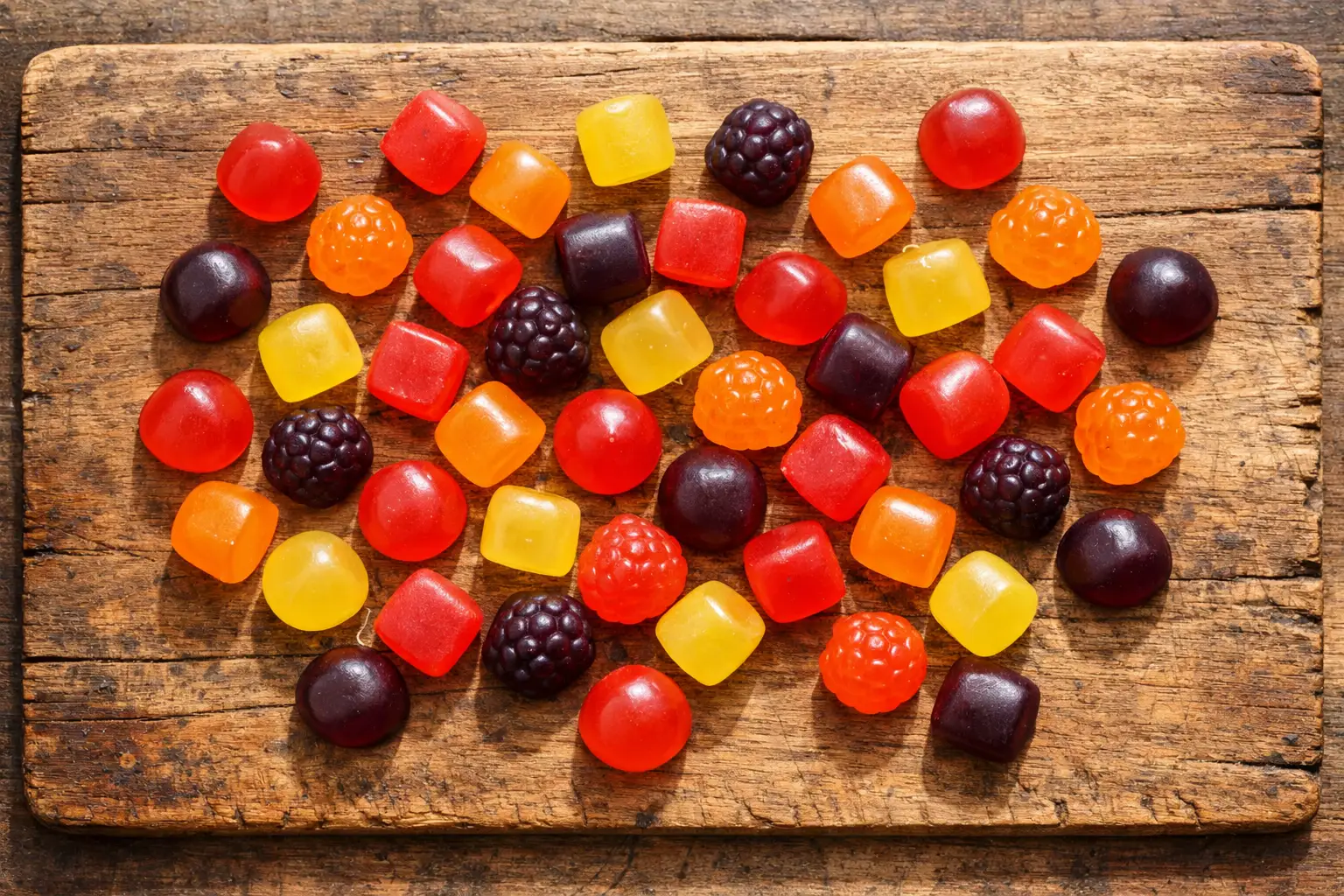
Quick Nutrition Facts
Per 2 Gummy Vitamins (5g)
| Nutrient | Amount |
|---|---|
| Calories | 15 kcal |
| Protein | 0g |
| Carbohydrates | 4g |
| Fiber | 0g |
| Sugars | 3g |
| Fat | 0g |
| Vitamin A | 900mcg |
| Vitamin C | 90mg |
| Vitamin D | 20mcg |
| Vitamin B12 | 2.4mcg |
Macronutrient Breakdown
 ChatGPT
  Claude
  AI Mode
  Perplexity
NUTRITIONIST INSIGHT
Gummy multivitamins deliver convenience but pack 3g added sugar per serving. With nearly all calories from sugar, they function more like candy with vitamins than a true health food. If you take them daily, account for the extra 15 calories and brush your teeth afterward.
Myth Busters
MYTH #1: Gummy Vitamins Are Just as Complete as Tablets
TRUTH: Gummy formulations often contain fewer nutrients and lower doses than tablet counterparts because the gummy matrix limits how many active ingredients can be included. Minerals like iron and calcium are frequently omitted from gummies.
MYTH #2: Gummy Vitamins Are Sugar-Free
TRUTH: Most gummy multivitamins contain 3-4g of added sugar per serving from glucose syrup, sucrose, or corn syrup. Even "sugar-free" versions use sugar alcohols like sorbitol or maltitol, which still contribute to dental caries risk and may cause digestive discomfort.
MYTH #3: You Can't Overdose on Gummy Vitamins
TRUTH: Gummy vitamins taste like candy, making overconsumption easy. Toxic overdose from gummy vitamins is documented, especially in children. Fat-soluble vitamins A, D, E, and K accumulate in body fat and can reach dangerous levels with chronic overuse.
MYTH #4: Gummy Vitamins Don't Really Work
TRUTH: Research shows gummy vitamins have comparable bioavailability to tablets for most nutrients. Vitamin D3 gummies actually showed greater absorption than tablets in clinical studies. The form matters less than consistency of use.
MYTH #5: Everyone Needs a Daily Multivitamin
TRUTH: Most healthy adults eating a balanced diet get sufficient nutrients from food. The Harvard School of Public Health notes that supplements cannot replace a poor diet. Targeted supplementation for specific deficiencies is more evidence-based than broad multivitamins.
NutriScore by Health Goals
| Health Goal | NutriScore | Why This Score? |
|---|---|---|
| Weight Loss |  | 15 calories per serving is minimal, but added sugars offer zero satiety. Not a weight concern but not helpful either. |
| Muscle Gain | | Zero protein, negligible calories. Vitamins support recovery but gummies add unnecessary sugar. Tablet form preferred. |
| Diabetes Management |  | 3g added sugar per serving affects blood glucose. Diabetics should choose sugar-free or tablet alternatives to avoid daily sugar accumulation. |
| PCOS Management | | Added sugars may worsen insulin resistance. Sugar-free gummies or tablets are better choices for PCOS. |
| Pregnancy Nutrition |  | Convenient way to get folate and vitamin D during pregnancy when nausea limits pill swallowing. Prenatal-specific gummies recommended over general multivitamins. |
| Viral/Flu Recovery | | Vitamin C (90mg) and vitamin D support immune function. Easy to consume when appetite is low during illness. |
PERSONALIZED NUTRITION
Track your meals with NutriScan for personalized NutriScores based on your specific health goals!
Blood Sugar Response to Gummy Multivitamin
Understanding how gummy vitamins affect blood glucose helps you decide when and how to take them.
Typical Glucose Response Curve
This chart shows typical blood glucose response for general healthy individuals. Individual responses may vary. Not medical advice.
How to Minimize the Impact
Taking supplements with a balanced meal slows glucose absorption and improves vitamin uptake:
- 🍳 With breakfast - Protein and fat from eggs or toast slow sugar absorption
- 🥗 After a meal - Food in your stomach buffers the sugar hit
- 💊 Switch to sugar-free - Sugar alcohol-based gummies have minimal glucose impact
- 💧 Rinse with water - Reduces sticky residue on teeth after chewing
Cultural Significance
Gummy vitamins emerged in the early 1990s as a solution for children who refused to swallow pills, and have since become a global wellness phenomenon.
Modern Wellness Culture:
- Gummy supplements generated over $7 billion in global sales by 2025
- Popularized by social media wellness influencers and "vitamin aesthetic" trends
- Adult gummy vitamins now outsell children's versions in many markets
- Anxiety about nutrient gaps drives the "insurance policy" mindset of daily multivitamins
In India:
- Growing urban supplement market driven by wellness awareness
- Ayurvedic gummy supplements blending traditional herbs with modern format
- Celebrity endorsements fuel demand among millennials and Gen Z
- Often marketed alongside traditional chyawanprash and herbal tonics
Global Trends:
- Personalized vitamin gummy subscriptions gaining popularity
- Clean-label and organic gummy formulations emerging
- Sugar-free and keto-friendly gummy vitamins expanding market share
Compare & Substitute
Gummy Multivitamin vs Other Supplement Forms (Per Serving)
| Nutrient | 🍬 Gummy Vitamin | 💊 Tablet Multivitamin | 💧 Liquid Multivitamin | 🧴 Spray Vitamin |
|---|---|---|---|---|
| Calories | 15 kcal | 0-5 kcal | 10-25 kcal | 0 kcal |
| Carbs | 4g | 0g | 2-5g | 0g |
| Sugar | 3g | 0g | 1-4g | 0g |
| Protein | 0g | 0g | 0g | 0g |
| Fat | 0g | 0g | 0g | 0g |
| Nutrients | 10-13 vitamins | 20-30 vitamins + minerals | 15-25 vitamins + minerals | 5-8 vitamins |
| Best For | Pill-averse, nausea-prone | Complete coverage, cost-value | Fast absorption, elderly | Travel, targeted vitamins |
Frequently Asked Questions
Do gummy vitamins have calories?
15 calories per 2-gummy serving, nearly all from 3-4g of added sugars. Over a year, daily gummy vitamins add roughly 5,475 calories, equivalent to about 1.5 pounds of body weight if not accounted for in your diet.
Are gummy vitamins bad for your teeth?
Gummy vitamins stick to teeth and contain added sugars that feed cavity-causing bacteria. Brush your teeth or rinse with water after taking them to minimize risk.
Are gummy vitamins as effective as tablets?
Clinical studies show comparable bioavailability for most nutrients. Vitamin D gummies may actually absorb better than tablets. However, gummies typically contain fewer total nutrients per serving due to formulation constraints.
Can diabetics take gummy vitamins?
3-4g sugar per serving adds up daily. Sugar-free gummy options exist using sugar alcohols, but traditional tablets remain the safest choice for blood sugar management. Always consult your healthcare provider.
How many gummy vitamins should I take per day?
2 gummies daily for most adult formulations. Never exceed the label dose. Fat-soluble vitamins A, D, E, and K accumulate in your body and can reach toxic levels with chronic overuse.
Are gummy vitamins safe for children?
Children's formulations exist but must be age-appropriate. Store out of reach because children may treat them as candy, leading to accidental overdose. A documented case showed severe vitamin D toxicity in a toddler given multiple gummies daily over weeks.
Track your supplement intake with NutriScan app to ensure you stay within safe daily limits.


Similar Nutritious Foods
4505 Chicharrones Classic Chili Salt
7 Eleven Japan Crispy Corn Cheese
Explore More Nutrition Tools & Resources
AI Calorie Counter App - Snap a Photo, Get Macros
AI Nutritionist App That Reads Your Logged Meals
Best Protein Supplements for Women
Bulking Meal Plan App That Sets Your Surplus
ChatGPT Calorie Counter Alternative That Keeps the Total
ChatGPT Diet Plan Alternative That Tracks What You Eat
ChatGPT Weight Loss Coach Alternative With a Food Log
Fast Food Calorie Counter App That Reads the Tray
Free Calorie Tracker App with AI Photo Scans | NutriScan
Indian Diet Plan App With Veg and Non Veg Meals
Indian Food Calorie Calculator - Get Instant Nutrition Facts for Desi Meals — 2026
Intermittent Fasting for Women, Timer and Meal Log App
Intermittent Fasting Tracker App - Free Fasting Timer
Macro Tracker App That Fills the Numbers From a Photo
Mediterranean Diet Meal Plan App That Counts the Oil
Micronutrient Tracker App for Vitamins and Minerals
MyFitnessPal Alternative That Stays Free | NutriScan
NutriScore App: A Free Grade on Every Meal | NutriScan
Nutrition Label Scanner App for the Amount You Ate
Second Trimester Protein Guide
Vegetarian Meal Plan App With a Protein Target
Voice Calorie Counter - Speak to Track Meals Hands-Free
Water and Calorie Tracker App - Free Water Log