Haldiram's Dal Moth: Calories, Nutrition and Health Benefits
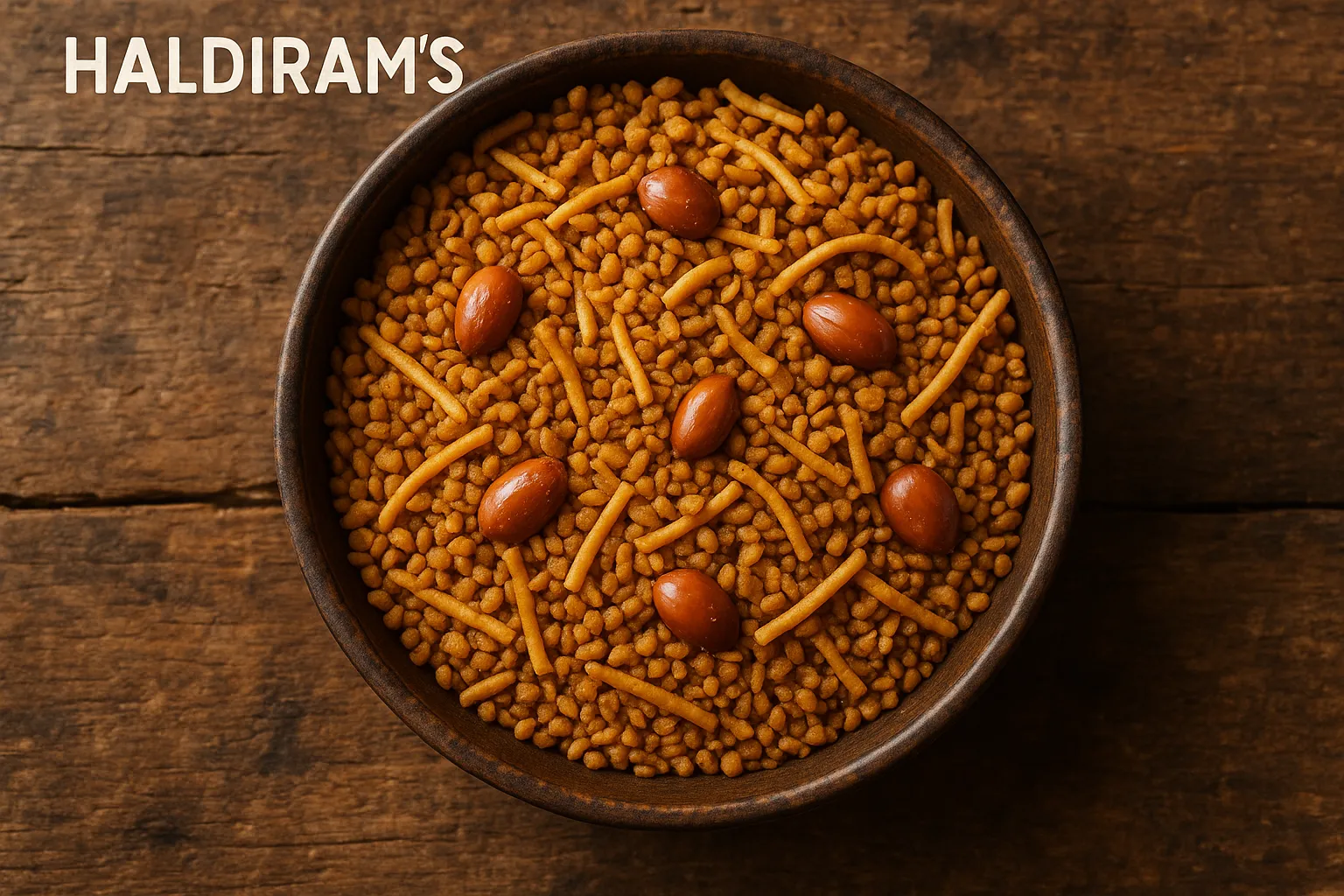
Traditional Indian namkeen packed with protein-rich lentils, peanuts, and aromatic spices for a satisfying crunch.
Quick Nutrition Facts
Per 100g Serving
| Nutrient | Amount |
|---|---|
| Calories | 465 kcal |
| Protein | 15g |
| Carbohydrates | 48g |
| Fiber | 8g |
| Sugars | 4g |
| Fat | 22g |
| Sodium | 850mg |
| Iron | 3.5mg |
| Potassium | 420mg |
Macronutrient Breakdown
 ChatGPT
  Claude
  AI Mode
  Perplexity
NUTRITIONIST INSIGHT
Dal Moth delivers 15g protein per 100g from lentils and peanuts, making it protein-rich for a snack. The 8g fiber supports digestion, but 465 calories and 850mg sodium demand strict portion control—stick to 20-25g servings.
Myth Busters
MYTH #1: All Namkeen Are Equally Unhealthy
TRUTH: Dal Moth is more nutritious than plain sev or bhujia. With 15g protein and 8g fiber from lentils and peanuts, it provides more satiety per calorie. Still fried and salty, but offers better nutritional value than many namkeen options.
MYTH #2: Fried Snacks Have No Nutritional Value
TRUTH: While frying adds calories and reduces some nutrients, Dal Moth retains protein, fiber, iron, and B vitamins from lentils and peanuts. The key is portion size—20-25g gives nutrients without excessive calories or sodium.
MYTH #3: High Protein Snacks Are Always Healthy
TRUTH: Dal Moth has good protein (15g/100g) but also 22g fat and 850mg sodium. Protein quality matters, but total calorie density and sodium limit health benefits. Consider it a treat, not a daily protein source.
MYTH #4: You Can't Eat Namkeen on a Diet
TRUTH: Small portions (20-25g) of Dal Moth can fit into weight management plans. At 93 calories per 20g portion with 3g protein and 1.6g fiber, it satisfies cravings better than choosing nothing and then binge-eating later.
MYTH #5: Homemade Namkeen Is Always Better
TRUTH: Homemade versions can be healthier with less salt and oil, but calorie content remains similar due to lentils and nuts. Quality matters more than source—Haldiram's maintains consistent standards. Portion control is key regardless of whether homemade or packaged.
MYTH #6: Lentil Snacks Are Low in Calories
TRUTH: Fried lentil snacks are calorie-dense despite being legume-based. Dal Moth has 465 calories per 100g—higher than many chips. The fried preparation adds significant calories beyond the base lentils and peanuts.
NutriScore by Health Goals
| Health Goal | NutriScore | Why This Score? |
|---|---|---|
| Weight Loss |  | 465 calories and 22g fat per 100g. Small 20-25g portions only. High protein and fiber help satiety but calorie density limits frequency. |
| Muscle Gain |  | 15g protein per 100g from lentils and peanuts. Better as occasional snack than primary protein. Post-workout option in 25-30g portions. |
| Diabetes Management | | 48g carbs, fried preparation, moderate-high glycemic load. Limit to 15-20g, pair with vegetables, monitor blood sugar. |
| PCOS Management | | High in refined carbs and fried fats affect insulin sensitivity. Limit to 15-20g occasionally, choose roasted alternatives when possible. |
| Pregnancy Nutrition | | Provides plant protein and iron (3.5mg per 100g), but high sodium (850mg) and fried nature require moderation. 20-25g portions only. |
| Viral/Flu Recovery | | Protein supports immune recovery, but high sodium may worsen dehydration. Small portions (15-20g) acceptable, not ideal for acute illness. |
PERSONALIZED NUTRITION
Track your meals with NutriScan for personalized NutriScores based on your specific health goals!
Blood Sugar Response to Dal Moth
Understanding how Dal Moth affects your blood glucose helps manage portions and timing effectively.
Typical Glucose Response Curve
This chart shows typical blood glucose response for general healthy individuals. Individual responses may vary. Not medical advice.
How to Flatten the Spike
Pairing Dal Moth with protein or vegetables slows glucose absorption and reduces the peak blood sugar level:
- 🥒 Fresh vegetables (cucumber, carrots) - Adds fiber and water content
- 🥛 Buttermilk or curd (dahi) - Provides protein and probiotics
- 🥚 Boiled eggs - Complete protein source balances carbs
- 🧀 Paneer cubes - Indian cottage cheese adds protein and fat
This combination reduces the glucose spike and provides more balanced nutrition.
Cultural Significance
Dal Moth is a beloved traditional Indian namkeen with origins in North India, particularly popular in Delhi, Uttar Pradesh, and Rajasthan.
In India:
- Popular tea-time snack served with chai across North India
- Essential item at festivals like Diwali, Holi, and family gatherings
- Part of traditional "namkeen dabba" (snack box) in Indian households
- Haldiram's pioneered commercial Dal Moth production since the 1980s
- Regional variations include different spice blends and lentil proportions
Global Impact:
- Exported to Indian diaspora communities worldwide
- Represents Indian snacking culture in international markets
- Haldiram's is India's largest traditional snack manufacturer
- Growing popularity among non-Indian consumers seeking protein-rich snacks
Compare & Substitute
Dal Moth vs Similar Snacks (Per 100g)
| Nutrient | 🥜 Dal Moth | 🥨 Bhujia | 🌰 Moong Dal | 🥔 Potato Chips |
|---|---|---|---|---|
| Calories | 465 kcal | 520 kcal | 445 kcal | 536 kcal |
| Carbs | 48g | 43g | 52g | 53g |
| Fiber | 8g | 6g | 10g | 4g |
| Protein | 15g | 11g | 16g | 6g |
| Fat | 22g | 31g | 18g | 34g |
| Sodium | 850mg | 950mg | 780mg | 420mg |
| Iron | 3.5mg | 2.8mg | 4.2mg | 1.1mg |
| Best For | Protein snacking | High-fat cravings | Highest protein/fiber | General snacking |
Frequently Asked Questions
Is Haldiram's Dal Moth good for weight loss?
Dal Moth can fit into weight loss when eaten in strict portions. At 465 calories per 100g, it's calorie-dense. Limit to 20-25g (93 calories) as a snack. The 15g protein and 8g fiber per 100g promote fullness, but high fat (22g) and sodium (850mg) require careful portion control.
Best practices: Maximum 20-25g per serving; choose as occasional snack (2-3 times weekly); pair with vegetables or buttermilk; track portions carefully; never eat directly from package.
Can diabetics eat Haldiram's Dal Moth?
Diabetics can eat Dal Moth in very small portions with precautions. With 48g carbs per 100g and being fried, it has moderate-high glycemic load.
Tips for diabetics:
- Limit to 15-20g maximum (10g carbs)
- Always pair with protein or vegetables
- Best timing: mid-afternoon with meals, never alone
- Monitor blood sugar 2 hours after eating
- Choose less frequently than roasted snacks
How much protein is in Haldiram's Dal Moth?
Haldiram's Dal Moth contains 15g of protein per 100g. A realistic 25g serving provides 3.75g protein. While higher in protein than most snacks due to lentils and peanuts, it's not a primary protein source due to high calorie density (465 calories per 100g).
For protein goals, combine with Greek yogurt, protein shake, or eggs to increase protein-to-calorie ratio.
What are the main health benefits of Dal Moth?
Key Benefits:
- Plant-Based Protein: 15g per 100g from lentils and peanuts supports muscle maintenance
- Digestive Health: 8g fiber promotes regular bowel movements
- Iron Content: 3.5mg per 100g supports blood health (19% DV)
- Energy: Quick-digesting carbs (48g) for sustained energy
- B Vitamins: Thiamine and niacin from legumes support metabolism
- Satiety: Protein and fiber combination promotes fullness
When is the best time to eat Dal Moth?
Depends on your goal:
- Weight Management: Mid-morning or afternoon (20-25g portions). Avoid late night.
- Muscle Gain: Post-workout snack (25-30g) paired with protein shake or curd.
- Diabetes: With meals only, never standalone. 15-20g maximum.
- General Snacking: Between meals as tea-time snack (20-25g).
IMPORTANT NOTE
Avoid eating Dal Moth on empty stomach due to high fat and sodium content which may cause digestive discomfort.
Is Dal Moth healthier than other namkeen snacks?
Dal Moth is moderately healthy among namkeen options. Benefits: higher protein (15g vs 10-12g in bhujia) and fiber (8g) from lentils and peanuts; provides iron and B vitamins. Drawbacks: still fried (465 calories), high sodium (850mg), high fat (22g).
Comparison ranking (healthiest to least):
- Roasted chana (best - not fried)
- Dal Moth (moderate - protein-rich but fried)
- Moong dal (similar to Dal Moth)
- Bhujia (higher fat, lower protein)
- Plain sev (lowest nutrition)
How many grams of Dal Moth should I eat per day?
General Guidelines:
- 20-25g daily - Most people (93-116 calories, 3-3.75g protein)
- 15-20g daily - Diabetes, PCOS, or strict weight loss diets
- 25-30g daily - Athletes, muscle gain, or high activity levels
- 0-15g occasionally - Heart disease or sodium-restricted diets
Avoid excess: More than 50g per day provides too much sodium (425mg+), calories (232+), and fried fats. Track portions with NutriScan app to monitor your intake accurately.
Can I eat Dal Moth during pregnancy?
Generally safe in moderation during pregnancy with precautions. Provides plant protein (15g/100g) and iron (3.5mg/100g) which support fetal development, but high sodium (850mg/100g) requires portion control.
May want to limit if you have:
- High blood pressure/preeclampsia: Excess sodium worsens fluid retention
- Gestational diabetes: 48g carbs per 100g requires careful monitoring
- Heartburn/reflux: Fried and spicy nature may trigger symptoms
Better approach: Limit to 20-25g portions 2-3 times weekly; pair with buttermilk or yogurt; choose roasted alternatives when possible; track sodium intake across all meals.


Similar Nutritious Snacks
4505 Chicharrones Classic Chili Salt
7 Eleven Japan Crispy Corn Cheese
Explore More Nutrition Tools & Resources
AI Calorie Counter App - Snap a Photo, Get Macros
AI Nutritionist App That Reads Your Logged Meals
Best Protein Supplements for Women
Bulking Meal Plan App That Sets Your Surplus
ChatGPT Calorie Counter Alternative That Keeps the Total
ChatGPT Diet Plan Alternative That Tracks What You Eat
ChatGPT Weight Loss Coach Alternative With a Food Log
Fast Food Calorie Counter App That Reads the Tray
Free Calorie Tracker App with AI Photo Scans | NutriScan
Indian Diet Plan App With Veg and Non Veg Meals
Indian Food Calorie Calculator - Get Instant Nutrition Facts for Desi Meals — 2026
Intermittent Fasting for Women, Timer and Meal Log App
Intermittent Fasting Tracker App - Free Fasting Timer
Macro Tracker App That Fills the Numbers From a Photo
Mediterranean Diet Meal Plan App That Counts the Oil
Micronutrient Tracker App for Vitamins and Minerals
MyFitnessPal Alternative That Stays Free | NutriScan
NutriScore App: A Free Grade on Every Meal | NutriScan
Nutrition Label Scanner App for the Amount You Ate
Second Trimester Protein Guide
Vegetarian Meal Plan App With a Protein Target
Voice Calorie Counter - Speak to Track Meals Hands-Free
Water and Calorie Tracker App - Free Water Log