Haldiram's Moong Dal: Calories, Nutrition and Health Guide
Crunchy fried moong dal snack packed with protein, fiber, and traditional Indian spices for a satisfying crunch.
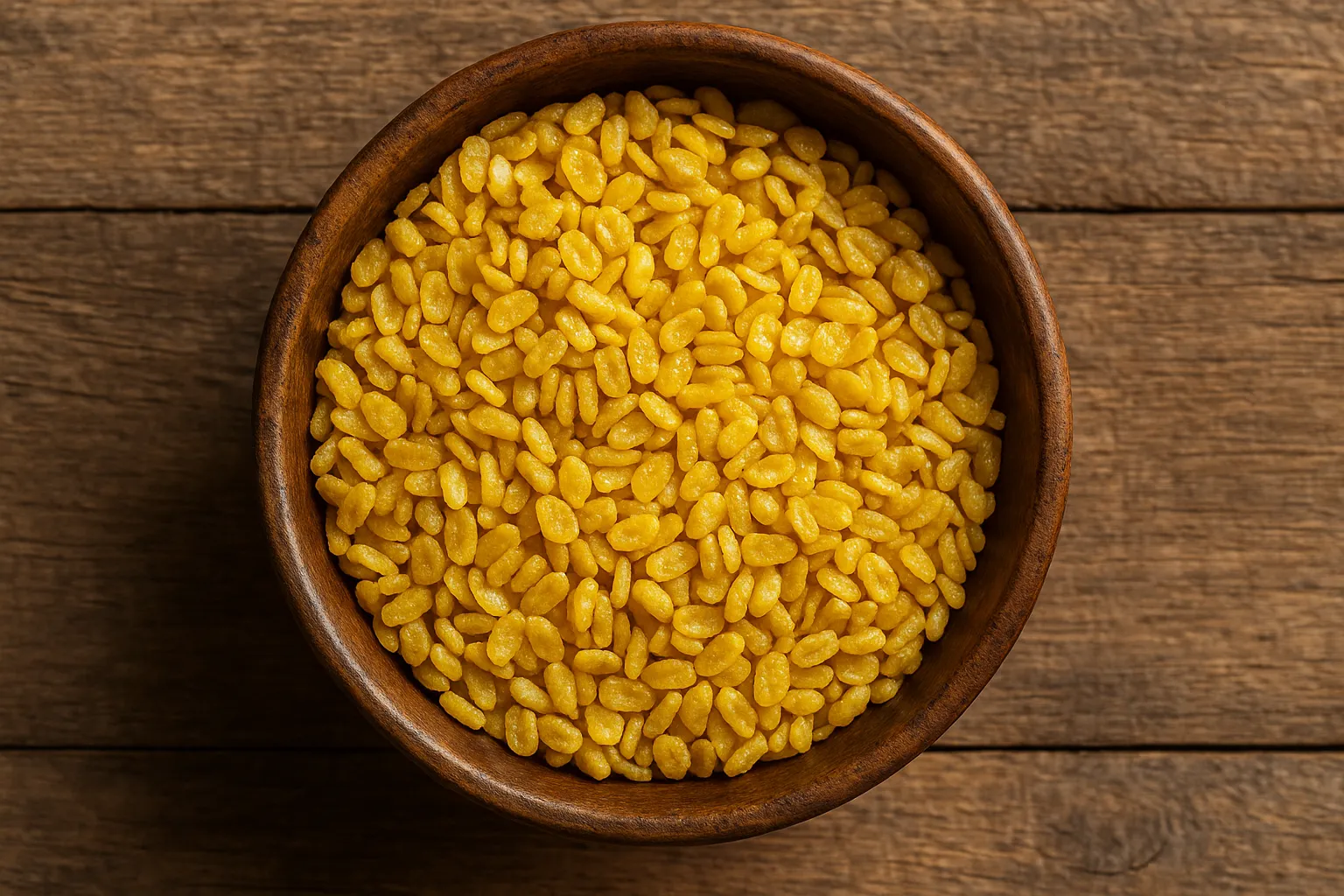
Quick Nutrition Facts
Per 100g Serving
| Nutrient | Amount |
|---|---|
| Calories | 536 kcal |
| Protein | 24g |
| Carbohydrates | 45g |
| Fiber | 12g |
| Sugars | 3g |
| Fat | 28g |
| Sodium | 720mg |
| Iron | 4.2mg |
| Calcium | 85mg |
| Magnesium | 160mg |
Macronutrient Breakdown
 ChatGPT
  Claude
  AI Mode
  Perplexity
NUTRITIONIST INSIGHT
Haldiram's Moong Dal delivers 24g protein per 100g, higher than most namkeen snacks. The 12g fiber supports digestion, but the 536-calorie density from frying requires strict portion control (20-30g servings).
Myth Busters
MYTH #1: All Moong Dal Snacks Are Healthy
TRUTH: Fried moong dal like Haldiram's contains 28g fat per 100g due to deep frying. Roasted or air-fried moong dal provides similar protein with 60-70% fewer calories. Choose preparation method wisely.
MYTH #2: High Protein Means Unlimited Portions
TRUTH: Despite 24g protein per 100g, Haldiram's Moong Dal has 536 calories. Overeating leads to calorie surplus and weight gain. Protein doesn't offset excess calories; portion control remains essential.
MYTH #3: Moong Dal Is a Low-GI Snack
TRUTH: While plain moong dal has low GI (25-30), fried versions with added starches and processing have moderate GI (55-65). Diabetics should pair with vegetables or protein to minimize blood sugar spikes.
MYTH #4: Namkeen Is Always Unhealthy
TRUTH: Moong dal-based namkeen offers more protein and fiber than potato chips or sev. The key is portion size (20-30g vs 100g bags) and choosing less-fried varieties. Moderation makes traditional snacks fit healthy diets.
MYTH #5: You Can Eat Namkeen Daily Without Consequences
TRUTH: Daily consumption of fried namkeen contributes excess sodium (720mg per 100g) and unhealthy fats. Limit to 2-3 times weekly, alternating with roasted nuts, fresh fruits, or yogurt for better overall health.
MYTH #6: Plant Protein Is Inferior to Animal Protein
TRUTH: Moong dal provides complete plant-based protein with all essential amino acids. Combined with grains (roti, rice), it matches animal protein quality while offering additional fiber and micronutrients.
NutriScore by Health Goals
| Health Goal | NutriScore | Why This Score? |
|---|---|---|
| Weight Loss |  | High calories (536) require strict portions (20-25g). Protein and fiber help fullness, but easy to overeat. Choose roasted versions for better results. |
| Muscle Gain |  | Excellent protein source (24g per 100g) with essential amino acids. Useful post-workout snack in 30-40g portions. Pair with fresh juice to balance sodium. |
| Diabetes Management | | Moderate GI from fried preparation. Limit to 15-20g portions, eat after main meals, pair with vegetables or curd to slow glucose absorption. |
| PCOS Management | | Moderate carbs (45g) affect insulin sensitivity. Protein and fiber beneficial, but limit to 20g servings 2-3x weekly. Choose plain roasted moong dal instead. |
| Pregnancy Nutrition | | Protein and iron support fetal development; magnesium prevents leg cramps. Watch sodium. |
| Viral/Flu Recovery | | Plant protein aids immune recovery, easy to digest, provides quick energy. Zinc and iron support immunity. Moderate portions (25-30g) due to sodium. |
PERSONALIZED NUTRITION
Track your meals with NutriScan for personalized NutriScores based on your specific health goals!
Blood Sugar Response to Haldiram's Moong Dal
Understanding how fried moong dal affects blood glucose helps diabetics and PCOS patients make informed snacking decisions.
Typical Glucose Response Curve
This chart shows typical blood glucose response for healthy individuals. Individual responses vary. Not medical advice.
How to Flatten the Spike
Pairing moong dal with protein or healthy fats slows glucose absorption and reduces peak blood sugar:
- 🥛 Buttermilk or lassi - Probiotics and protein slow digestion
- 🥒 Cucumber or carrot sticks - Fiber and water content reduce glycemic load
- 🥜 Roasted almonds (5-6 pieces) - Healthy fats stabilize blood sugar
- 🥗 Mixed vegetable salad - High fiber blunts glucose response
Avoid eating moong dal on empty stomach; consume after meals or with the above pairings for better blood sugar control.
Cultural Significance
Moong dal (split green gram) has been a staple in Indian cuisine for over 4,000 years, originating in the Indian subcontinent.
In India:
- Traditional Ayurvedic food valued for digestibility and balance
- Used in festivals, weddings, and daily snacking across all regions
- Haldiram's founded in Bikaner (1937) popularized packaged moong dal namkeen
- Part of "sattvic" foods in yoga and meditation practices for mental clarity
Global Impact:
- India produces 3 million tons annually, largest moong dal grower worldwide
- Exported to 50+ countries as healthy plant protein alternative
- Sustainable crop: nitrogen-fixing legume improves soil health
Compare & Substitute
Haldiram's Moong Dal vs Similar Snacks (Per 100g)
| Nutrient | 🥜 Haldiram's Moong Dal | 🥔 Potato Chips | 🥜 Roasted Moong Dal | 🌰 Roasted Peanuts |
|---|---|---|---|---|
| Calories | 536 kcal | 536 kcal | 347 kcal | 567 kcal |
| Carbs | 45g | 53g | 50g | 16g |
| Fiber | 12g | 4g | 15g | 8g |
| Protein | 24g | 6g | 24g | 26g |
| Fat | 28g | 34g | 6g | 49g |
| Sodium | 720mg | 850mg | 350mg | 5mg |
| Iron | 4.2mg | 0.8mg | 5.1mg | 2.4mg |
| Best For | Protein-rich snacking | Occasional treat | Weight loss | Muscle gain |
Frequently Asked Questions
Is Haldiram's Moong Dal good for weight loss?
Haldiram's Moong Dal fits weight loss plans with strict portion control. At 536 calories per 100g, limit to 20-25g servings (107 calories). The 24g protein and 12g fiber promote fullness, but excess oil from frying makes overeating easy.
Best practices: Measure portions, eat as mid-morning or evening snack, pair with green tea or buttermilk, choose roasted varieties when possible for 35% fewer calories.
Can diabetics eat Haldiram's Moong Dal?
Diabetics can eat Haldiram's Moong Dal in small portions (15-20g) occasionally. Fried preparation raises GI to 55-65 despite moong dal's natural low GI (25-30).
Tips for diabetics:
- Eat after main meals, never on empty stomach
- Pair with curd, vegetables, or buttermilk
- Monitor blood sugar 2 hours after eating
- Limit to 2-3 times weekly maximum
Roasted moong dal offers better glycemic control for regular consumption.
How much protein is in Haldiram's Moong Dal?
Haldiram's Moong Dal contains 24g protein per 100g. A typical 30g serving provides 7.2g protein, comparable to one egg (6g) or one glass of milk (8g). This makes it a convenient vegetarian protein source for muscle maintenance and satiety.
Combine with whole grains (roti, brown rice) for complete amino acid profile and better protein utilization.
What are the main health benefits of moong dal snacks?
Key Benefits:
- High Plant Protein: 24g per 100g supports muscle maintenance and repair
- Dietary Fiber: 12g aids digestion and promotes gut health
- Essential Minerals: Iron (4.2mg), magnesium (160mg), calcium (85mg) for bone and blood health
- Sustained Energy: Complex carbs provide steady energy without sugar crashes
- Antioxidants: Polyphenols in green gram support cellular health
How many calories are in one handful of Haldiram's Moong Dal?
One handful (approximately 30g) contains 161 calories. Most people consume 2-3 handfuls unconsciously (322-483 calories), exceeding a full meal's worth.
Portion guidance: For weight management, pre-portion into 20-25g servings (107-134 calories); for muscle gain, 30-40g servings (161-214 calories) post-workout; for diabetes/PCOS, limit to 15-20g (80-107 calories) paired with protein.
Is Haldiram's Moong Dal healthier than other namkeen?
Haldiram's Moong Dal ranks among healthier namkeen options. Compared to bhujia (8g protein, 3g fiber per 100g) or sev (12g protein, 4g fiber), moong dal offers double the protein (24g) and fiber (12g). However, it's still calorie-dense (536) from frying.
Healthier alternatives: Roasted moong dal (347 cal), roasted chana (375 cal), or baked khakhra (360 cal) provide similar taste with fewer calories and less oil.
Recommendation: Choose Haldiram's Moong Dal over bhujia, chips, or fried snacks, but prioritize roasted versions for daily consumption.
Can I eat moong dal namkeen every day?
Daily consumption isn't recommended due to high sodium (720mg per 100g) and calorie density. Excessive sodium raises blood pressure risk, while daily fried foods increase cholesterol and weight gain.
Better approach: Rotate snacks - 2-3x weekly moong dal (20-25g portions), alternating with fresh fruits, roasted nuts, vegetable sticks, yogurt, or homemade roasted chana. This provides variety, better nutrition, and prevents overconsumption.


Similar Nutritious Foods
4505 Chicharrones Classic Chili Salt
7 Eleven Japan Crispy Corn Cheese
Explore More Nutrition Tools & Resources
AI Calorie Counter App - Snap a Photo, Get Macros
AI Nutritionist App That Reads Your Logged Meals
Best Protein Supplements for Women
Bulking Meal Plan App That Sets Your Surplus
ChatGPT Calorie Counter Alternative That Keeps the Total
ChatGPT Diet Plan Alternative That Tracks What You Eat
ChatGPT Weight Loss Coach Alternative With a Food Log
Fast Food Calorie Counter App That Reads the Tray
Free Calorie Tracker App with AI Photo Scans | NutriScan
Indian Diet Plan App With Veg and Non Veg Meals
Indian Food Calorie Calculator - Get Instant Nutrition Facts for Desi Meals — 2026
Intermittent Fasting for Women, Timer and Meal Log App
Intermittent Fasting Tracker App - Free Fasting Timer
Macro Tracker App That Fills the Numbers From a Photo
Mediterranean Diet Meal Plan App That Counts the Oil
Micronutrient Tracker App for Vitamins and Minerals
MyFitnessPal Alternative That Stays Free | NutriScan
NutriScore App: A Free Grade on Every Meal | NutriScan
Nutrition Label Scanner App for the Amount You Ate
Second Trimester Protein Guide
Vegetarian Meal Plan App With a Protein Target
Voice Calorie Counter - Speak to Track Meals Hands-Free
Water and Calorie Tracker App - Free Water Log