Haldiram's Nimbu Masala: Calories, Nutrition and Health Benefits
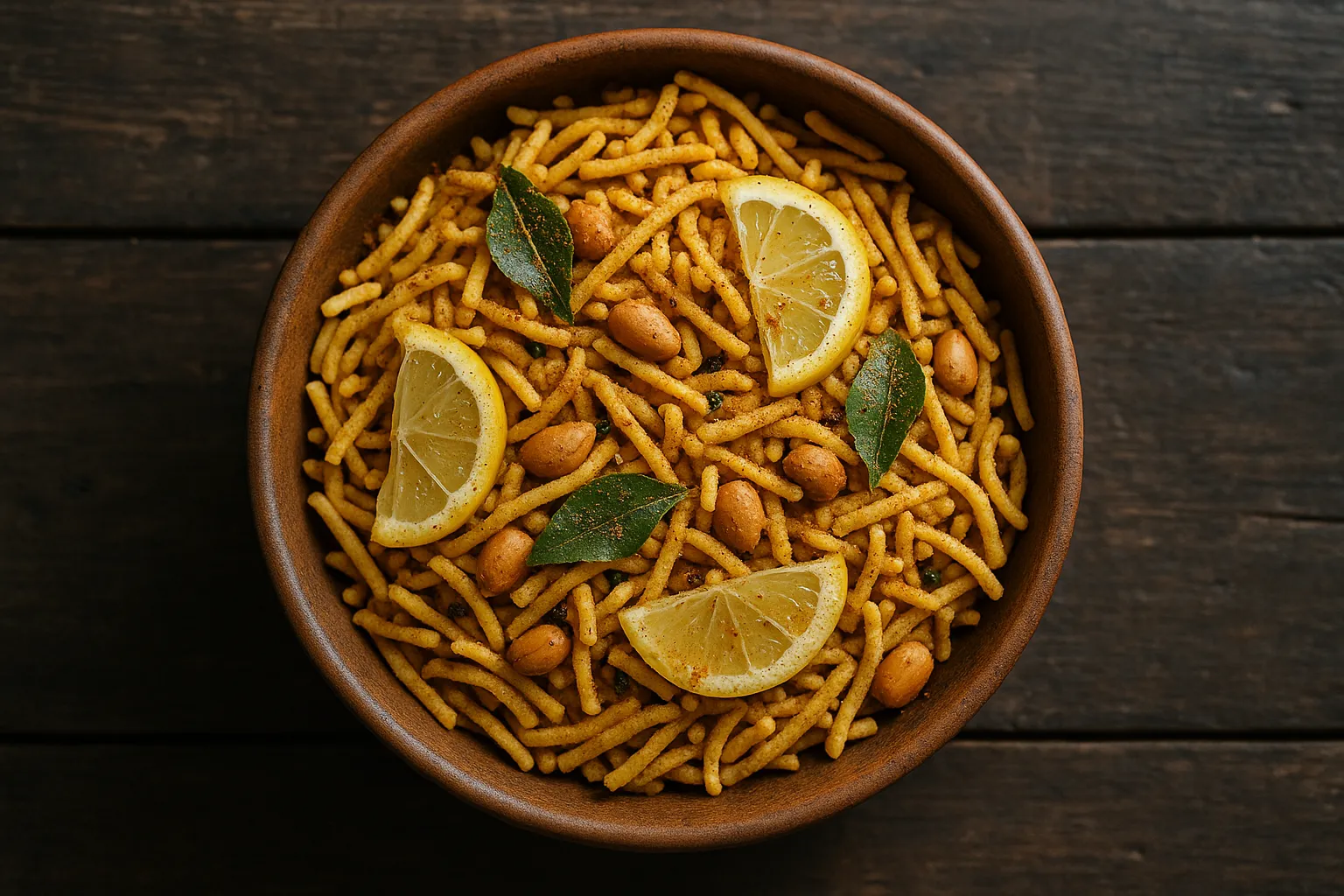
Zesty lemon-flavored Indian mixture combining crispy sev, peanuts, and tangy spices for an irresistible snack experience.
Quick Nutrition Facts
Per 100g Serving
| Nutrient | Amount |
|---|---|
| Calories | 529 kcal |
| Protein | 9.8g |
| Carbohydrates | 51.7g |
| Fiber | 4g |
| Sugars | 2g |
| Fat | 31.4g |
| Saturated Fat | 10g |
| Sodium | 520mg |
Macronutrient Breakdown
 ChatGPT
  Claude
  AI Mode
  Perplexity
NUTRITIONIST INSIGHT
Nimbu Masala's tangy lemon flavor comes from citric acid and lemon powder, which aids digestion by stimulating gastric juices. The higher protein content (9.8g) compared to regular mixtures makes it more satiating, but portion control remains essential due to calorie density.
Myth Busters
MYTH #1: Nimbu Masala Is Healthy Because It Contains Lemon
TRUTH: While lemon provides vitamin C and citric acid, the processed lemon powder in commercial mixtures offers minimal nutritional benefits compared to fresh lemon juice. The high calories (529 kcal per 100g) and fat (31.4g) from frying outweigh lemon's benefits.
MYTH #2: Tangy Snacks Are Better for Weight Loss Than Sweet Ones
TRUTH: Calorie content matters most for weight loss. While tangy flavors may reduce sugar cravings, nimbu masala's calorie density (529 kcal/100g) is similar to sweet snacks. Portion control is key regardless of flavor profile.
MYTH #3: Nimbu Masala Helps Digestion After Heavy Meals
TRUTH: Citric acid stimulates digestive enzymes, but the high fat content (31.4g) slows digestion rather than aiding it. Fresh lemon water or ajwain water are better digestive aids after heavy meals.
MYTH #4: You Can Eat More Nimbu Masala Because It's Savory
TRUTH: Savory doesn't mean low-calorie. A 50g serving provides 265 calories—equivalent to a chocolate bar. The tangy flavor may actually stimulate appetite, leading to overconsumption. Track portions with NutriScan app for better control.
MYTH #5: Nimbu Masala Is Fine for Diabetics Because It's Not Sweet
TRUTH: Despite minimal sugar (2g), the refined flour and high carbs (51.7g per 100g) spike blood sugar similarly to sweet snacks. Diabetics should limit to 15-20g portions and pair with protein to slow glucose absorption.
MYTH #6: Homemade Nimbu Masala Is Calorie-Free
TRUTH: Homemade versions contain similar calories from oil, nuts, and sev. It's healthier than packaged only if made with minimal oil, baked sev, and fresh lemon juice. Air-frying or baking reduces fat by 40-50% compared to deep-frying.
NutriScore by Health Goals
| Health Goal | NutriScore | Why This Score? |
|---|---|---|
| Weight Loss |  | High calorie density (529 kcal/100g) and fat (31.4g) require strict portion control. Limit to 20-30g servings; pair with vegetables or yogurt. |
| Muscle Gain |  | Moderate protein (9.8g) from gram flour and peanuts provides some muscle support. Better as occasional snack than regular protein source; combine with high-protein foods. |
| Diabetes Management | | Refined flour and high carbs (51.7g) cause blood sugar spikes. Limit to 15-20g portions, pair with protein, avoid on empty stomach. |
| PCOS Management | | High refined carbs and sodium worsen insulin resistance and water retention. Choose whole grain alternatives or limit to rare treats (15-20g). |
| Pregnancy Nutrition | | Citric acid aids iron absorption but high sodium (520mg) may increase blood pressure. Limit to occasional snack; prefer fresh lemon in meals. |
| Viral/Flu Recovery | | Lemon's vitamin C supports immunity, but high fat slows digestion. Better options: fresh lemon water, khichdi, vegetable soup. |
PERSONALIZED NUTRITION
Track your meals with NutriScan for personalized NutriScores based on your specific health goals!
Blood Sugar Response to Nimbu Masala
Understanding glucose impact helps you make informed snacking decisions.
Typical Glucose Response Curve
This chart shows typical blood glucose response for general healthy individuals. Individual responses may vary. Not medical advice.
How to Flatten the Spike
Combining nimbu masala with protein or fiber reduces glucose peaks:
- 🥛 Plain yogurt or buttermilk - Probiotics and protein slow carb absorption
- 🥒 Cucumber or carrot sticks - Fiber and water content buffer blood sugar
- 🥜 Handful of roasted peanuts - Healthy fats extend satiety
- 🧀 Paneer cubes or cheese - Complete protein source
This combination provides sustained energy and reduces rapid glucose spikes from refined flour.
Cultural Significance
Nimbu Masala is a modern Indian snack blending traditional spice blends with tangy lemon flavor.
In India:
- Popular teatime snack across North and West India
- Haldiram's innovation combining traditional mixtures with citrus tang
- Common offering during festivals like Holi, Diwali, and Raksha Bandhan
- Enjoyed as accompaniment to chai (tea) in social gatherings
Flavor Profile:
- Tangy lemon flavor from citric acid and dried lemon powder
- Spicy kick from chili powder and black pepper
- Crunchy texture from gram flour sev and fried peanuts
- Savory balance from salt and aromatic spices (cumin, ajwain)
Compare & Substitute
Nimbu Masala vs Similar Savory Mixtures (Per 100g)
| Nutrient | 🥨 Nimbu Masala | 🥨 Khatta Meetha | 🥨 Bombay Mix | 🥜 Roasted Peanuts |
|---|---|---|---|---|
| Calories | 529 kcal | 510 kcal | 495 kcal | 567 kcal |
| Carbs | 51.7g | 54g | 48g | 16g |
| Fiber | 4g | 3.5g | 4.5g | 8.5g |
| Protein | 9.8g | 7.2g | 8.5g | 26g |
| Fat | 31.4g | 29g | 30g | 49g |
| Sodium | 520mg | 580mg | 650mg | 18mg |
| Saturated Fat | 10g | 11g | 12g | 7g |
| Best For | Tangy flavor lovers | Sweet-savory balance | Traditional snacking | High protein, low carb |
Frequently Asked Questions
Is Haldiram's Nimbu Masala good for weight loss?
Not ideal due to high calorie density (529 kcal per 100g) and fat content (31.4g). If consumed, limit to 20-30g portions (106-159 calories) and pair with vegetables or yogurt to increase satiety.
Better alternatives: Roasted peanuts (567 kcal but 26g protein), roasted chickpeas (164 kcal), makhana (347 kcal), or air-fried sev with fresh lemon juice.
Weight loss tip: The tangy flavor satisfies cravings with smaller portions; use this to your advantage by measuring 20g servings and eating slowly.
Can diabetics eat Nimbu Masala?
Diabetics should limit consumption due to refined flour and high carbs (51.7g per 100g). If eating, limit to 15-20g portions (80-106 calories), pair with protein-rich foods (paneer, eggs, yogurt), and monitor blood glucose 2 hours after consumption.
Diabetes management tips: Avoid eating on empty stomach; choose less fried pieces; combine with fiber-rich vegetables; check labels for added sugar content (some brands add 3-5g sugar).
What are the health benefits of lemon in Nimbu Masala?
Key Benefits:
- Digestive Support: Citric acid stimulates gastric juice production
- Vitamin C: Minimal amounts in dried powder; fresh lemon provides 53mg per 100g
- Iron Absorption: Citric acid enhances non-heme iron absorption
- Appetite Control: Tangy flavors may reduce sugar cravings
However, commercial lemon powder provides minimal vitamin C compared to fresh lemon juice (1 tbsp = 7mg vitamin C).
How many calories are in Haldiram's Nimbu Masala?
100g contains 529 calories. A typical serving of 1/2 cup (approximately 30g) provides about 159 calories, 9.4g fat, 15.5g carbs, and 2.9g protein.
Portion guide: 1 tbsp (~10g) ≈ 53 calories; 20g serving ≈ 106 calories; 30g serving ≈ 159 calories; 50g serving ≈ 265 calories.
Track portions accurately with NutriScan app to stay within your calorie goals.
Is Nimbu Masala healthier than other namkeen?
Moderately healthier than regular fried namkeen due to:
- Higher protein: 9.8g vs 5-7g in plain mixtures (from gram flour and peanuts)
- Lower saturated fat: 10g vs 12-15g in heavily fried snacks
- Tangy flavor: Satisfies cravings with smaller portions
- Some fiber: 4g aids digestion and satiety
Still high in calories (529 kcal) and sodium (520mg), so consume in moderation (20-30g daily maximum).
Healthiest namkeen options: Roasted chickpeas, baked khakhra, roasted peanuts, makhana with minimal oil.
What is the best time to eat Nimbu Masala?
Depends on your goal:
- Weight Loss: Mid-morning (10-11 AM) or afternoon (3-4 PM) with vegetables; limit to 20-30g. Avoid late-night.
- Muscle Gain: Post-workout with protein shake or Greek yogurt for carb and protein combination.
- Diabetes: Breakfast or lunch paired with protein (eggs, paneer); avoid empty stomach and evening snacking.
- General Health: Mid-morning or afternoon snack when metabolism is active; avoid before bed.
IMPORTANT NOTE
Avoid eating large portions (>50g) in one sitting. The tangy flavor stimulates appetite, making overconsumption easy. Pre-measure portions before eating.
How much Nimbu Masala can I eat per day?
General Guidelines:
- 20-30g daily - Weight loss or strict calorie control (106-159 calories)
- 30-40g daily - Maintenance or active lifestyle (159-212 calories)
- 15-20g daily - Diabetes, PCOS, or low-carb diets (80-106 calories)
Avoid excess: More than 50g daily provides excess sodium (>260mg), saturated fat (>5g), and calories that interfere with health goals.
Track your snacks with NutriScan app to ensure portions align with your nutrition targets.
Can I eat Nimbu Masala during pregnancy?
Safe in moderation during pregnancy, but consult your healthcare provider. Citric acid aids iron absorption from vegetarian meals, but high sodium (520mg/100g) may contribute to water retention and blood pressure elevation.
Pregnancy tips: Limit to 20-30g portions; choose low-sodium versions; pair with calcium-rich foods (milk, yogurt); avoid if experiencing gestational hypertension or excessive swelling.
Better options: Fresh lemon water, homemade baked sev with minimal salt, roasted peanuts with lemon juice, buttermilk with cumin.


Similar Nutritious Snacks
4505 Chicharrones Classic Chili Salt
7 Eleven Japan Crispy Corn Cheese
Explore More Nutrition Tools & Resources
AI Calorie Counter App - Snap a Photo, Get Macros
AI Nutritionist App That Reads Your Logged Meals
Best Protein Supplements for Women
Bulking Meal Plan App That Sets Your Surplus
ChatGPT Calorie Counter Alternative That Keeps the Total
ChatGPT Diet Plan Alternative That Tracks What You Eat
ChatGPT Weight Loss Coach Alternative With a Food Log
Fast Food Calorie Counter App That Reads the Tray
Free Calorie Tracker App with AI Photo Scans | NutriScan
Indian Diet Plan App With Veg and Non Veg Meals
Indian Food Calorie Calculator - Get Instant Nutrition Facts for Desi Meals — 2026
Intermittent Fasting for Women, Timer and Meal Log App
Intermittent Fasting Tracker App - Free Fasting Timer
Macro Tracker App That Fills the Numbers From a Photo
Mediterranean Diet Meal Plan App That Counts the Oil
Micronutrient Tracker App for Vitamins and Minerals
MyFitnessPal Alternative That Stays Free | NutriScan
NutriScore App: A Free Grade on Every Meal | NutriScan
Nutrition Label Scanner App for the Amount You Ate
Second Trimester Protein Guide
Vegetarian Meal Plan App With a Protein Target
Voice Calorie Counter - Speak to Track Meals Hands-Free
Water and Calorie Tracker App - Free Water Log