Haldiram's Punjabi Tadka: Calories, Nutrition and Health Benefits
Bold North Indian mixture combining crispy lentils, spicy sev, and aromatic spices for an authentic Punjabi flavor experience.
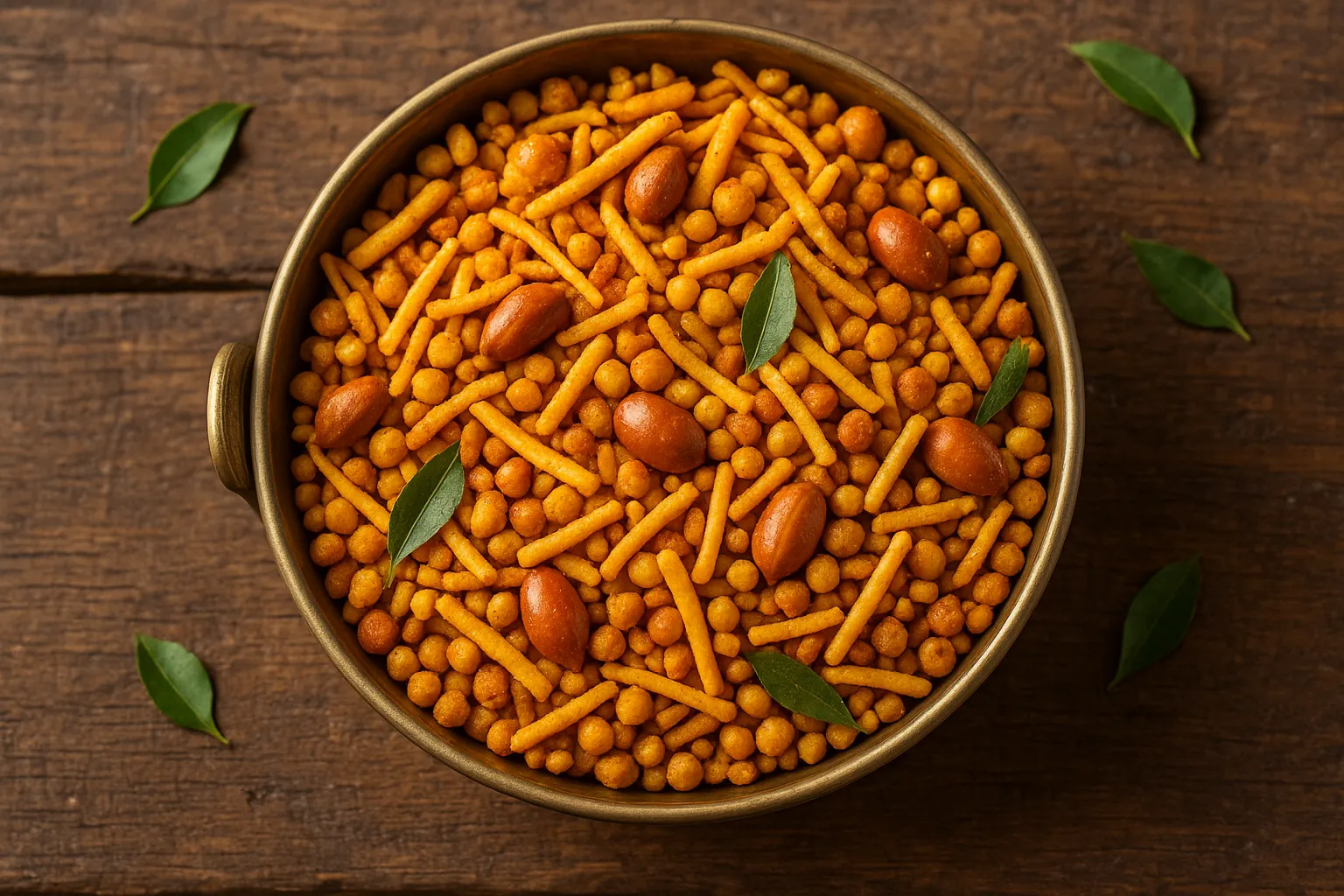
Quick Nutrition Facts
Per 100g Serving
| Nutrient | Amount |
|---|---|
| Calories | 525 kcal |
| Protein | 13g |
| Carbohydrates | 54g |
| Fiber | 4.5g |
| Sugars | 3.2g |
| Fat | 28g |
| Sodium | 850mg |
| Iron | 3.5mg |
| Calcium | 45mg |
| Potassium | 320mg |
Macronutrient Breakdown
 ChatGPT
  Claude
  AI Mode
  Perplexity
NUTRITIONIST INSIGHT
Punjabi Tadka delivers 13g protein per 100g from lentils and gram flour, but the 28g fat content and high sodium (850mg) make portion control essential. Limit to 20-30g servings (2-3 tablespoons) to enjoy the bold flavors without excessive calories.
Myth Busters
MYTH #1: All Namkeen Snacks Are Unhealthy
TRUTH: While Punjabi Tadka is calorie-dense, it provides moderate protein from legumes and essential minerals like iron. The key is portion control—20-30g servings can fit into a balanced diet as an occasional treat.
MYTH #2: High Sodium Always Causes Hypertension
TRUTH: While Punjabi Tadka's 850mg sodium per 100g is significant, individual sodium sensitivity varies. Those with normal blood pressure can consume moderate amounts; hypertensive individuals should limit intake and balance with potassium-rich foods.
MYTH #3: Fried Snacks Have Zero Nutritional Value
TRUTH: Despite being fried, Punjabi Tadka contains beneficial nutrients from lentils and chickpeas—including protein, fiber, iron, and B vitamins. The processing reduces some nutrients, but it's not nutritionally empty like refined sugar snacks.
MYTH #4: You Can't Lose Weight Eating Indian Snacks
TRUTH: Weight loss depends on total calorie intake, not specific foods. A controlled 20-30g portion of Punjabi Tadka (105-158 calories) can fit into a calorie deficit when planned carefully and balanced with nutrient-dense meals.
MYTH #5: Spicy Foods Always Cause Digestive Issues
TRUTH: The bold spices in Punjabi Tadka (cumin, black pepper, asafoetida) can actually aid digestion in most people. Only those with specific digestive conditions like GERD or IBS may need to avoid spicy mixtures.
MYTH #6: Packaged Namkeen Is Worse Than Homemade
TRUTH: While homemade allows oil and salt control, quality brands like Haldiram's use standardized processes ensuring consistent hygiene and nutritional content. Both can be part of a balanced diet when consumed in moderation.
NutriScore by Health Goals
| Health Goal | NutriScore | Why This Score? |
|---|---|---|
| Weight Loss |  | High calorie density (525 kcal/100g) and fat content make it challenging. Limit to 20-30g portions as occasional treat, not daily snack. |
| Muscle Gain |  | Provides 13g protein per 100g, but high fat content reduces protein efficiency. Better options: lean meats, eggs, or protein-rich dal. |
| Diabetes Management | | High carbs (54g/100g) and refined ingredients cause blood sugar spikes. Limit to 15-20g portions, pair with protein/fiber. |
| PCOS Management | | High sodium and refined carbs worsen insulin resistance. Choose roasted chickpeas or nuts instead for better PCOS management. |
| Pregnancy Nutrition | | Moderate protein and iron beneficial, but high sodium increases edema risk. Limit to 20g portions weekly. |
| Viral/Flu Recovery | | Provides quick energy and protein, but high sodium may worsen dehydration. Better recovery foods: khichdi, dal, fresh fruits. |
PERSONALIZED NUTRITION
Track your meals with NutriScan for personalized NutriScores based on your specific health goals!
Blood Sugar Response to Punjabi Tadka
Understanding how this fried namkeen affects blood glucose helps make informed snacking decisions.
Typical Glucose Response Curve
This chart shows typical blood glucose response for general healthy individuals. Individual responses may vary. Not medical advice.
How to Flatten the Spike
Pairing Punjabi Tadka with protein or fiber slows glucose absorption and reduces peak blood sugar:
- 🥛 Buttermilk or lassi - Provides protein and probiotics for slower digestion
- 🥒 Cucumber or carrot sticks - Adds fiber and volume without extra calories
- 🥜 Roasted chickpeas - Increases protein and fiber content significantly
- 🧀 Paneer cubes - Complete protein source balances carbohydrate impact
This combination reduces the glucose spike and provides more sustained satiety, preventing overconsumption.
Cultural Significance
Punjabi Tadka represents the bold, robust flavors of North Indian cuisine, particularly from Punjab and surrounding regions.
In Punjab:
- Reflects the region's love for spicy, hearty flavors with generous use of ghee and spices
- Often served during tea time (chai-nashta) as a communal snack
- Traditional gatherings (sangeet, mehendi) feature large bowls of mixed namkeen varieties
- Roadside dhabas serve fresh batches with masala chai for travelers
In Indian Culture:
- Haldiram's pioneered packaged namkeen, making regional flavors accessible nationwide
- Essential component of festival celebrations (Diwali, Holi) and gift boxes
- Tea-time tradition pairs crispy snacks with hot chai across all socioeconomic groups
- Modern convenience stores stock single-serve packs for on-the-go snacking
Global Reach:
- Indian diaspora communities worldwide seek authentic namkeen brands
- Haldiram's exports to 80+ countries, introducing global audiences to Indian snack culture
- Fusion recipes incorporate Punjabi Tadka as crunchy toppings for salads and yogurt bowls
Compare & Substitute
Punjabi Tadka vs Similar Snacks (Per 100g)
| Nutrient | 🥨 Punjabi Tadka | 🥨 Bombay Mix | 🥜 Roasted Chickpeas | 🥔 Potato Chips |
|---|---|---|---|---|
| Calories | 525 kcal | 510 kcal | 364 kcal | 536 kcal |
| Carbs | 54g | 52g | 61g | 50g |
| Fiber | 4.5g | 4.2g | 12.5g | 3.1g |
| Protein | 13g | 11g | 19g | 6.5g |
| Fat | 28g | 26g | 6g | 35g |
| Sodium | 850mg | 920mg | 450mg | 525mg |
| Iron | 3.5mg | 3.2mg | 4.8mg | 1.2mg |
| Best For | Bold spice lovers, variety | Traditional Indian taste | High-protein, lower-calorie | Quick salty cravings |
Frequently Asked Questions
Is Haldiram's Punjabi Tadka good for weight loss?
No, Punjabi Tadka is not ideal for weight loss due to high calorie density (525 kcal/100g) and fat content (28g). If consumed during weight loss, strict portion control is essential—limit to 20-30g servings (105-158 calories) once or twice weekly as a planned treat, not daily snacking.
Best practices: Choose roasted chickpeas, air-popped makhana, or handful of nuts for regular snacking; save Punjabi Tadka for occasional indulgence; track portions with NutriScan app.
Can diabetics eat Punjabi Tadka?
Diabetics should consume Punjabi Tadka rarely and in very small portions due to 54g carbohydrates per 100g and refined ingredients causing blood sugar spikes.
Tips for diabetics:
- Maximum portion: 15-20g (80-105 calories)
- Always pair with protein (paneer, eggs) or fiber (cucumber sticks)
- Best timing: mid-afternoon with tea, never on empty stomach
- Monitor blood glucose 2 hours after consuming
- Choose plain roasted chana dal as healthier alternative
Green alternatives with resistant starch and higher fiber provide better blood sugar control.
How much protein is in Punjabi Tadka?
Haldiram's Punjabi Tadka contains 13g protein per 100g from lentils, chickpeas, and gram flour. While this provides moderate plant-based protein, the high fat (28g) and calorie content (525 kcal) make it less efficient as a primary protein source.
For muscle building or high-protein diets, better choices include roasted chickpeas (19g protein, 6g fat), grilled paneer, or protein-rich dal preparations.
What are the main health benefits of Punjabi Tadka?
Key Benefits:
- Moderate Protein: 13g per 100g from legumes supports muscle maintenance
- Iron Content: 3.5mg aids red blood cell production and prevents anemia
- Digestive Spices: Cumin, asafoetida, and black pepper support gut health
- Plant-Based: Suitable for vegetarian diets, provides variety
- Quick Energy: Carbohydrates and fats deliver rapid fuel for physical activity
- Cultural Connection: Authentic flavors provide satisfaction and prevent extreme restriction
When is the best time to eat Punjabi Tadka?
Depends on your goal:
- Weight Loss: Avoid or limit to once weekly as controlled treat with afternoon tea; never late night.
- Muscle Gain: Post-workout (within 2 hours) paired with protein shake; provides quick carbs for glycogen replenishment.
- Diabetes: Mid-afternoon with protein and fiber; monitor blood sugar response carefully.
- General Health: Occasional afternoon snack with tea or coffee; not daily consumption.
IMPORTANT NOTE
Avoid eating large portions on empty stomach; high fat and spice content may cause digestive discomfort.
Is Punjabi Tadka healthier than regular chips?
Punjabi Tadka offers slightly more protein (13g vs 6.5g) and fiber (4.5g vs 3.1g) compared to potato chips due to legume content. However, both are high-calorie, high-fat fried snacks unsuitable for daily consumption.
Comparison:
- Protein & Fiber: Punjabi Tadka wins (legume-based ingredients)
- Sodium: Both high; chips slightly lower (525mg vs 850mg)
- Fat Content: Chips higher (35g vs 28g)
- Processing: Both deep-fried with similar health concerns
Recommendation: Neither should be regular snacks. Choose baked chickpeas, roasted nuts, or air-popped makhana for frequent healthy snacking; reserve both for occasional indulgence.
How many calories in a small packet of Punjabi Tadka?
Typical Packet Sizes:
- 40g packet - 210 calories (common single-serve size)
- 50g packet - 263 calories
- 150g packet - 788 calories (family pack)
- 400g pack - 2,100 calories (large sharing pack)
Portion Control Tips: Pre-portion into 20-30g servings in small containers; avoid eating directly from large bags; share larger packets with family; track intake using NutriScan app for accuracy.
Can I eat Punjabi Tadka on an empty stomach?
Not recommended - the high fat content (28g/100g), spicy ingredients, and sodium can cause digestive discomfort when consumed on empty stomach.
May cause:
- Acidity/Heartburn: Spices and fat trigger acid production
- Bloating: Heavy, fried texture slows digestion
- Sodium Rush: 850mg sodium without food causes water retention
Better approach: Always pair with tea, buttermilk, or light meal; eat after breakfast or lunch, not as first food; combine with cucumber or carrot for fiber balance.


Similar Nutritious Snacks
4505 Chicharrones Classic Chili Salt
7 Eleven Japan Crispy Corn Cheese
Explore More Nutrition Tools & Resources
AI Calorie Counter App - Snap a Photo, Get Macros
AI Nutritionist App That Reads Your Logged Meals
Best Protein Supplements for Women
Bulking Meal Plan App That Sets Your Surplus
ChatGPT Calorie Counter Alternative That Keeps the Total
ChatGPT Diet Plan Alternative That Tracks What You Eat
ChatGPT Weight Loss Coach Alternative With a Food Log
Fast Food Calorie Counter App That Reads the Tray
Free Calorie Tracker App with AI Photo Scans | NutriScan
Indian Diet Plan App With Veg and Non Veg Meals
Indian Food Calorie Calculator - Get Instant Nutrition Facts for Desi Meals — 2026
Intermittent Fasting for Women, Timer and Meal Log App
Intermittent Fasting Tracker App - Free Fasting Timer
Macro Tracker App That Fills the Numbers From a Photo
Mediterranean Diet Meal Plan App That Counts the Oil
Micronutrient Tracker App for Vitamins and Minerals
MyFitnessPal Alternative That Stays Free | NutriScan
NutriScore App: A Free Grade on Every Meal | NutriScan
Nutrition Label Scanner App for the Amount You Ate
Second Trimester Protein Guide
Vegetarian Meal Plan App With a Protein Target
Voice Calorie Counter - Speak to Track Meals Hands-Free
Water and Calorie Tracker App - Free Water Log