High-Legume Meal: Calories, Nutrition and Health Benefits
A traditional European legume-rich dish packed with plant protein, fiber, and essential nutrients for sustained energy and digestive health.
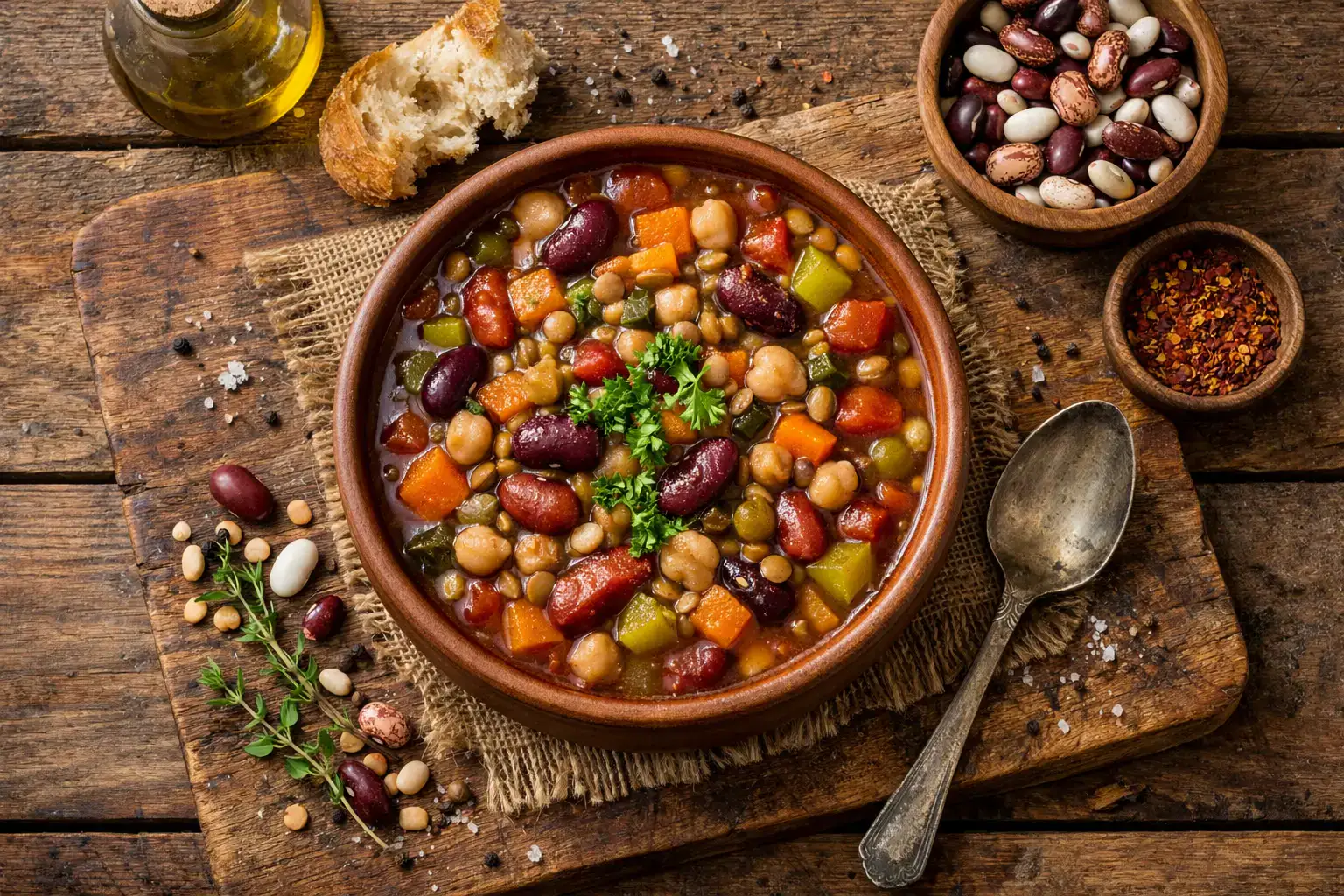
Quick Nutrition Facts
Per 1 Serving (300g)
| Nutrient | Amount |
|---|---|
| Calories | 280 kcal |
| Protein | 18g |
| Carbohydrates | 35g |
| Fiber | 12g |
| Sugars | 4.2g |
| Fat | 8g |
| Iron | 4.5mg |
| Folate | 180mcg |
| Potassium | 520mg |
| Magnesium | 65mg |
Macronutrient Breakdown
 ChatGPT
  Claude
  AI Mode
  Perplexity
NUTRITIONIST INSIGHT
Legume-based meals deliver 18g of plant protein and 12g of fiber in just 280 calories, making them one of the most nutrient-dense meals you can eat. The combination of slow-digesting carbs and protein keeps blood sugar stable for hours after eating.
Myth Busters
MYTH #1: Legumes Cause Uncomfortable Bloating
TRUTH: While legumes contain oligosaccharides that can cause gas, gradually increasing intake over 2-3 weeks allows your gut microbiome to adapt. Soaking, fermenting, and cooking legumes thoroughly reduces these compounds significantly.
MYTH #2: Plant Protein from Legumes Is Incomplete
TRUTH: While individual legumes may be low in methionine, combining them with grains (as in traditional European dishes) creates a complete amino acid profile. You don't even need to combine them in the same meal, just within the same day.
MYTH #3: Legumes Are Too High in Carbs for Weight Loss
TRUTH: The 35g of carbs per serving come with 12g of fiber, giving a net carb count of only 23g. Studies show legume-rich diets actually promote weight loss due to their high satiety effect and low glycemic index (GI 10-40).
MYTH #4: Diabetics Should Avoid Legumes
TRUTH: Legumes are one of the best foods for diabetics. Research shows legume consumption improves glycemic control and reduces HbA1c in type 2 diabetes. The American Diabetes Association lists them as a diabetes superfood.
MYTH #5: Canned Legumes Are Not Nutritious
TRUTH: Canned legumes retain most of their protein, fiber, and minerals. Rinsing canned beans reduces sodium by 40%. They are a convenient, nutritious option when time is limited.
MYTH #6: Legumes Contain Anti-Nutrients That Are Harmful
TRUTH: Lectins and phytates in legumes are largely destroyed by cooking. Properly cooked legumes pose no health risk and actually provide beneficial prebiotic fiber that feeds healthy gut bacteria.
NutriScore by Health Goals
| Health Goal | NutriScore | Why This Score? |
|---|---|---|
| Weight Loss |  | Only 280 calories with 12g fiber and 18g protein for lasting fullness. Low GI prevents hunger spikes. |
| Muscle Gain |  | 18g plant protein per serving supports muscle repair. Pair with grains for complete amino acids. |
| Diabetes Management | | Low GI (10-40), high fiber slows glucose absorption. Studies confirm legumes improve HbA1c levels. |
| PCOS Management | | Low GI carbs help manage insulin resistance. High fiber supports hormone balance. |
| Pregnancy Nutrition | | Rich in folate (180mcg), iron (4.5mg), and fiber. Plant-based diets lower gestational diabetes risk. |
| Viral/Flu Recovery | | Iron and zinc support immune function. Easy-to-digest when cooked soft. Provides sustained energy. |
PERSONALIZED NUTRITION
Track your meals with NutriScan for personalized NutriScores based on your specific health goals!
Blood Sugar Response to High-Legume Meal
Understanding how legume-based meals affect your blood glucose helps you plan meals for optimal energy and blood sugar control.
Typical Glucose Response Curve
This chart shows typical blood glucose response for general healthy individuals. Individual responses may vary. Not medical advice.
How to Flatten the Spike
Pairing legumes with fiber-rich vegetables and healthy fats further reduces the already gentle glucose response:
- 🥬 Leafy greens and vegetables - Adds fiber and slows digestion
- 🫒 Olive oil or avocado - Healthy fats delay gastric emptying
- 🧅 Onions and garlic - Prebiotic compounds support gut health
- 🍞 Whole grain bread - Complete protein when combined with legumes
This combination creates a sustained energy release that keeps blood sugar stable for 4-6 hours after the meal.
Cultural Significance
Legume-based meals are a cornerstone of European culinary traditions, dating back thousands of years to ancient Rome and Greece.
In Germany and the Netherlands:
- Eintopf (one-pot legume stews) are a staple of home cooking since medieval times
- Lentil soup (Linsensuppe) is a traditional New Year's dish symbolizing prosperity
- Dutch erwtensoep (split pea soup) is the national winter dish
- Fermented legume preparations improve digestibility and nutrient absorption
Global Impact:
- Legumes feed over 1 billion people worldwide as a primary protein source
- The UN declared 2016 the International Year of Pulses for their nutritional importance
- Mediterranean, Indian, and Latin American cuisines all center legumes in traditional dishes
- Growing legumes enriches soil nitrogen, making them ecologically sustainable
Compare & Substitute
High-Legume Meal vs Similar Dishes (Per 100g)
| Nutrient | 🫘 Legume Meal | 🍗 Chicken Stew | 🥩 Beef Stew | 🥗 Quinoa Bowl |
|---|---|---|---|---|
| Calories | 93 kcal | 120 kcal | 140 kcal | 110 kcal |
| Carbs | 12g | 6g | 8g | 18g |
| Fiber | 4g | 0.8g | 0.5g | 2.5g |
| Protein | 6g | 12g | 14g | 4g |
| Fat | 2.7g | 5g | 7g | 3g |
| Iron | 1.5mg | 0.8mg | 1.8mg | 1.2mg |
| Potassium | 173mg | 150mg | 180mg | 160mg |
| Best For | Plant protein, fiber, GI | Complete protein, low carb | Iron, B12, complete protein | Balanced macros, gluten-free |
Frequently Asked Questions
Are high-legume meals good for weight loss?
Yes, legume-based meals are excellent for weight loss. A serving provides only 280 calories with 12g of fiber and 18g of protein that promote lasting fullness. The low glycemic index (10-40) prevents blood sugar crashes that trigger cravings.
Best practices: Eat legume-based meals 3-4 times per week, pair with vegetables for volume, avoid adding excessive oil or fatty meats, and track portions with NutriScan.
Can diabetics eat legume-based meals?
Legumes are one of the best food choices for diabetics. With a glycemic index of 10-40, they produce a minimal blood sugar response.
Tips for diabetics:
- Choose lentils or chickpeas for the lowest GI
- Pair with non-starchy vegetables
- Avoid adding white rice or bread on the side
- Monitor blood sugar 2 hours after eating
Studies confirm that regular legume consumption improves HbA1c levels and long-term glucose control. Always consult your healthcare provider.
How much protein is in a legume meal?
A typical serving (300g) provides 18g of plant protein. Per 100g, cooked legumes contain 6-9g of protein, making them comparable to many animal protein sources calorie-for-calorie.
For muscle gain or high-protein diets, combine legumes with whole grains (rice, bread, pasta) for a complete amino acid profile.
What are the main health benefits of legume meals?
Key Benefits:
- Blood Sugar Control: Low GI (10-40) prevents glucose spikes
- Digestive Health: 12g fiber supports regular bowel movements and gut microbiome
- Heart Health: Soluble fiber reduces LDL cholesterol levels
- Weight Management: High satiety from protein and fiber combination
- Iron and Folate: Essential for energy production and pregnancy
- Sustainable Protein: Environmentally friendly alternative to meat
How often should I eat legume-based meals?
Depends on your goal:
- Weight Loss: 4-5 times per week as meal replacement for higher-calorie options
- Muscle Gain: 3-4 times per week, combined with grains for complete protein
- Diabetes: Daily consumption of 1/2 to 1 cup of cooked legumes
- General Health: 3-4 times per week minimum
IMPORTANT NOTE
Start with smaller portions (1/4 cup) if you are not accustomed to high-fiber foods. Increase gradually over 2-3 weeks to avoid digestive discomfort.
Which legumes are the healthiest?
All legumes are nutritious, but each has unique strengths:
By Protein Content:
- Lentils: 9g per 100g (cooked)
- Chickpeas: 8.9g per 100g (cooked)
- Black beans: 8.9g per 100g (cooked)
By Fiber Content:
- Navy beans: 10.5g per 100g (cooked)
- Lentils: 7.9g per 100g (cooked)
- Chickpeas: 7.6g per 100g (cooked)
Recommendation: Rotate different legumes throughout the week for the broadest nutrient profile. Track your intake with NutriScan app to optimize your nutrition.


Similar Nutritious Fruits
4505 Chicharrones Classic Chili Salt
7 Eleven Japan Crispy Corn Cheese
Explore More Nutrition Tools & Resources
AI Calorie Counter App - Snap a Photo, Get Macros
AI Nutritionist App That Reads Your Logged Meals
Best Protein Supplements for Women
Bulking Meal Plan App That Sets Your Surplus
ChatGPT Calorie Counter Alternative That Keeps the Total
ChatGPT Diet Plan Alternative That Tracks What You Eat
ChatGPT Weight Loss Coach Alternative With a Food Log
Fast Food Calorie Counter App That Reads the Tray
Free Calorie Tracker App with AI Photo Scans | NutriScan
Indian Diet Plan App With Veg and Non Veg Meals
Indian Food Calorie Calculator - Get Instant Nutrition Facts for Desi Meals — 2026
Intermittent Fasting for Women, Timer and Meal Log App
Intermittent Fasting Tracker App - Free Fasting Timer
Macro Tracker App That Fills the Numbers From a Photo
Mediterranean Diet Meal Plan App That Counts the Oil
Micronutrient Tracker App for Vitamins and Minerals
MyFitnessPal Alternative That Stays Free | NutriScan
NutriScore App: A Free Grade on Every Meal | NutriScan
Nutrition Label Scanner App for the Amount You Ate
Second Trimester Protein Guide
Vegetarian Meal Plan App With a Protein Target
Voice Calorie Counter - Speak to Track Meals Hands-Free
Water and Calorie Tracker App - Free Water Log