Kakadu Plum: Calories, Nutrition and Health Benefits
The world's most vitamin C-rich fruit, containing 100 times more vitamin C than oranges. This Australian native superfood delivers powerful antioxidants and immune support.
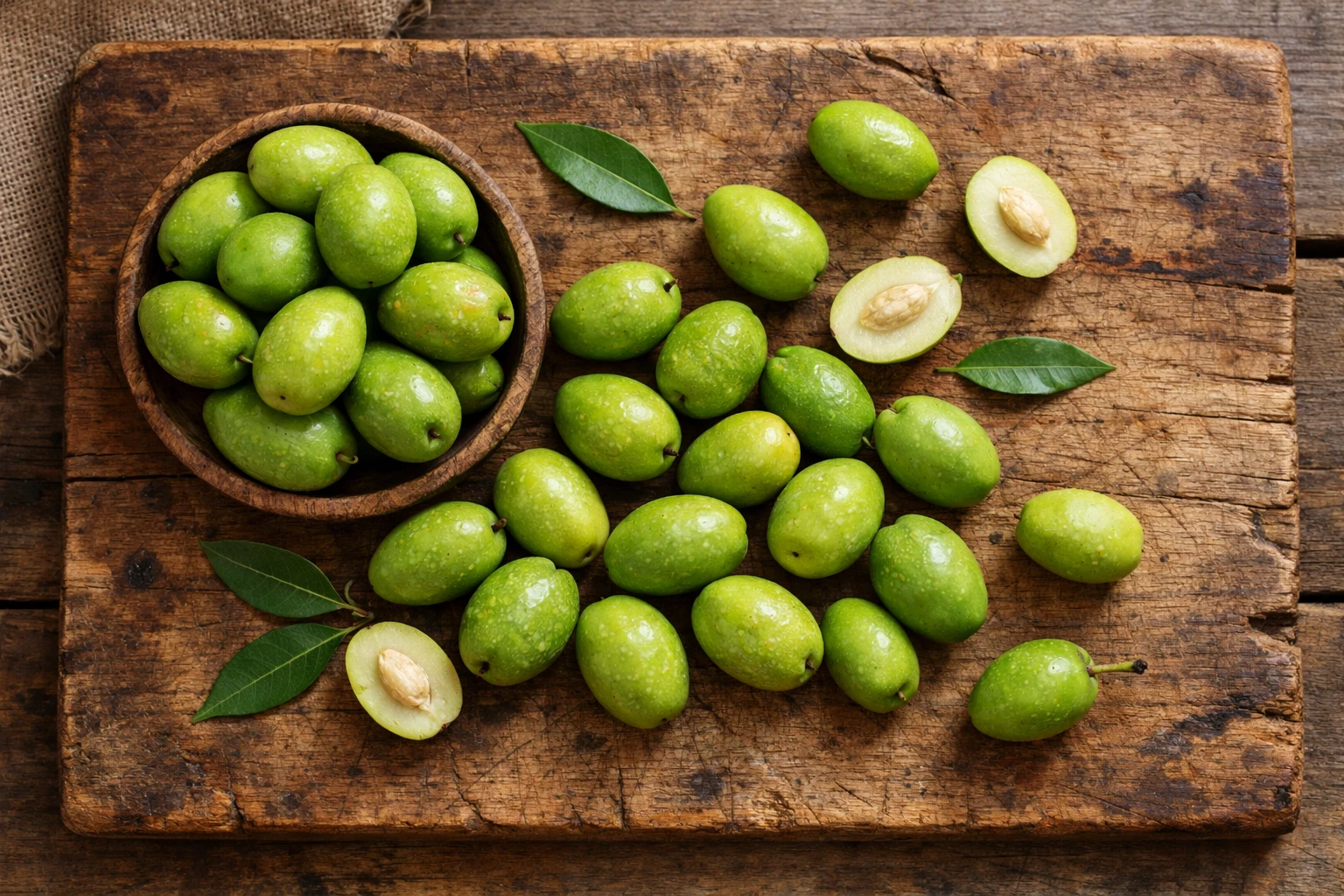
Quick Nutrition Facts
Per 100g Fresh Kakadu Plum
| Nutrient | Amount |
|---|---|
| Calories | 45 kcal |
| Protein | 1g |
| Carbohydrates | 10g |
| Fiber | 7g |
| Sugars | 3g |
| Fat | 0.5g |
| Vitamin C | 2,907mg |
| Copper | 0.9mg |
| Iron | 0.5mg |
| Potassium | 118mg |
Macronutrient Breakdown
 ChatGPT
  Claude
  AI Mode
  Perplexity
NUTRITIONIST INSIGHT
Kakadu plum provides over 3,000% of your daily vitamin C needs in just 100g. The exceptionally high antioxidant content (ORAC value 5-10x higher than blueberries) supports immune function, collagen synthesis, and cellular protection.
Myth Busters
MYTH #1: All Vitamin C Sources Are Equal
TRUTH: Kakadu plum contains 100 times more vitamin C than oranges and includes synergistic polyphenols (ellagic acid, gallic acid) that enhance absorption and bioavailability beyond synthetic supplements.
MYTH #2: You Can't Get Too Much Vitamin C From Food
TRUTH: While vitamin C from whole foods is generally safe, extremely high doses may cause digestive discomfort in sensitive individuals. Start with small portions (5-10g powder) and increase gradually.
MYTH #3: Kakadu Plum Is Just Another Superfood Trend
TRUTH: Indigenous Australians have used kakadu plum for thousands of years as traditional medicine. Modern research confirms its exceptional antioxidant and antimicrobial properties backed by peer-reviewed studies.
MYTH #4: Fresh Fruit Is Always Better Than Powder
TRUTH: Freeze-dried kakadu plum powder retains most nutrients and offers year-round availability. Fresh fruit is extremely seasonal and deteriorates rapidly, while properly processed powder maintains potent bioactive compounds.
NutriScore by Health Goals
| Health Goal | NutriScore | Why This Score? |
|---|---|---|
| Weight Loss |  | Only 45 calories per 100g with 7g fiber. High antioxidants support metabolism without adding significant calories. |
| Muscle Gain |  | Supports collagen synthesis for connective tissue repair. Best combined with protein-rich foods post-workout. |
| Diabetes Management | | Low glycemic index of 38. Polyphenols may inhibit alpha-glucosidase enzyme, supporting blood sugar management. |
| PCOS Management | | Anti-inflammatory properties and low sugar content. High antioxidants may help reduce oxidative stress. |
| Pregnancy Nutrition | | Rich in vitamin C which supports iron absorption and immune function essential during pregnancy. Consume in moderation; consult healthcare provider. |
| Viral/Flu Recovery | | Exceptional vitamin C content supports immune response. Antimicrobial properties may help fight infections. |
PERSONALIZED NUTRITION
Track your meals with NutriScan for personalized NutriScores based on your specific health goals!
Blood Sugar Response to Kakadu Plum
Understanding how kakadu plum affects your blood glucose can help you make informed decisions about when and how to consume it.
Typical Glucose Response Curve
This chart shows typical blood glucose response for general healthy individuals. Individual responses may vary. Not medical advice.
How to Flatten the Spike
Kakadu plum's polyphenols naturally help moderate glucose absorption. Pairing with protein or healthy fat further slows glucose response:
- Greek yogurt or cottage cheese - Adds protein and creates a balanced snack
- Nuts (almonds, macadamias) - Australian native pairing with healthy fats
- Chia seeds or flaxseeds - Additional fiber slows absorption
- Avocado - Healthy fats complement the tart flavor
This combination not only reduces any glucose spike but also extends energy release, keeping you fuller for longer.
Cultural Significance
Kakadu plum (Terminalia ferdinandiana), also known as gubinge, murunga, or billy goat plum, is native to the tropical woodlands of Northern Australia.
Indigenous Australian Heritage:
- Traditional bush food for Aboriginal peoples for over 40,000 years
- Used as medicine for colds, flu, and skin conditions
- Harvested during the "wet season" (November to March)
- Central to Dreamtime stories and cultural practices
- Known as "gubinge" in Nyul Nyul language of the Kimberley region
Modern Recognition:
- Recognized as the world's highest natural source of vitamin C
- Growing interest from cosmetic and supplement industries
- Sustainable harvesting supports Indigenous communities
- Protected under Australian native food regulations
Compare & Substitute
Kakadu Plum vs Other Vitamin C Sources (Per 100g)
| Nutrient | Kakadu Plum | Orange | Acerola Cherry | Camu Camu |
|---|---|---|---|---|
| Calories | 45 kcal | 47 kcal | 32 kcal | 17 kcal |
| Vitamin C | 2,907mg | 53mg | 1,678mg | 2,400mg |
| Carbs | 10g | 12g | 8g | 4g |
| Fiber | 7g | 2.4g | 1.1g | 1g |
| Protein | 1g | 0.9g | 0.4g | 0.4g |
| Fat | 0.5g | 0.1g | 0.3g | 0.2g |
| Best For | Maximum vitamin C, antioxidants | Everyday vitamin C, accessibility | Vitamin C supplements | Vitamin C supplements, smoothies |
Frequently Asked Questions
How much vitamin C is in kakadu plum?
Kakadu plum contains approximately 2,907-5,300mg of vitamin C per 100g fresh fruit, varying by ripeness and growing conditions. This is 100 times more than oranges (53mg) and makes it the world's richest natural vitamin C source.
Key comparisons:
- 1 small kakadu plum (3g) = 87-160mg vitamin C (97-178% DV)
- 1 orange (131g) = 70mg vitamin C (78% DV)
- 1 cup strawberries (144g) = 85mg vitamin C (94% DV)
What are the main health benefits of kakadu plum?
Key Benefits:
- Immune Support: Exceptional vitamin C boosts immune cell function
- Skin Health: Supports collagen synthesis for skin elasticity
- Antioxidant Protection: High polyphenol content neutralizes free radicals
- Anti-inflammatory: Ellagic acid reduces inflammation markers
- Antimicrobial Properties: Traditional use against infections
- Blood Sugar Support: Low GI and alpha-glucosidase inhibition
Is kakadu plum safe during pregnancy?
Kakadu plum is generally considered safe during pregnancy when consumed in normal food amounts. Vitamin C supports immune function, iron absorption, and fetal development.
Recommendations:
- Start with small amounts (1-2g powder)
- Avoid mega-doses of concentrated supplements
- Consult your healthcare provider before regular use
- Monitor for digestive discomfort
Can diabetics eat kakadu plum?
Diabetics can benefit from kakadu plum due to its low glycemic index of 38. Research suggests its polyphenols may help inhibit carbohydrate-digesting enzymes.
Tips for diabetics:
- Use powder form for controlled portions
- Start with 1-2g per day and monitor blood glucose
- Pair with protein or healthy fat
- Choose unsweetened preparations
How do you eat kakadu plum?
Consumption methods:
- Fresh fruit: Tart, fibrous texture (limited availability)
- Freeze-dried powder: Add to smoothies, yogurt, or oatmeal (1-5g)
- Supplements: Capsules or tablets for convenience
- Sauces and jams: Traditional Australian bush food preparations
- Skincare: Topical vitamin C products
Best practice: Start with 1-2g powder daily and increase gradually to assess tolerance.
Where can I buy kakadu plum?
Availability:
- Online retailers: Specialty Australian native food suppliers
- Health food stores: Powder, supplements, or dried fruit
- Skincare shops: Vitamin C serums and creams
- Specialty grocers: Limited fresh fruit (seasonal, mainly Australia)
Quality tips: Look for freeze-dried organic powder from sustainable Indigenous suppliers. Check vitamin C content on labels (should be 2,000mg+ per 100g).


Similar Nutritious Foods
4505 Chicharrones Classic Chili Salt
7 Eleven Japan Crispy Corn Cheese
Explore More Nutrition Tools & Resources
AI Calorie Counter App - Snap a Photo, Get Macros
AI Nutritionist App That Reads Your Logged Meals
Best Protein Supplements for Women
Bulking Meal Plan App That Sets Your Surplus
ChatGPT Calorie Counter Alternative That Keeps the Total
ChatGPT Diet Plan Alternative That Tracks What You Eat
ChatGPT Weight Loss Coach Alternative With a Food Log
Fast Food Calorie Counter App That Reads the Tray
Free Calorie Tracker App with AI Photo Scans | NutriScan
Indian Diet Plan App With Veg and Non Veg Meals
Indian Food Calorie Calculator - Get Instant Nutrition Facts for Desi Meals — 2026
Intermittent Fasting for Women, Timer and Meal Log App
Intermittent Fasting Tracker App - Free Fasting Timer
Macro Tracker App That Fills the Numbers From a Photo
Mediterranean Diet Meal Plan App That Counts the Oil
Micronutrient Tracker App for Vitamins and Minerals
MyFitnessPal Alternative That Stays Free | NutriScan
NutriScore App: A Free Grade on Every Meal | NutriScan
Nutrition Label Scanner App for the Amount You Ate
Second Trimester Protein Guide
Vegetarian Meal Plan App With a Protein Target
Voice Calorie Counter - Speak to Track Meals Hands-Free
Water and Calorie Tracker App - Free Water Log