Kheera (Cucumber): Calories, Nutrition and Health Benefits
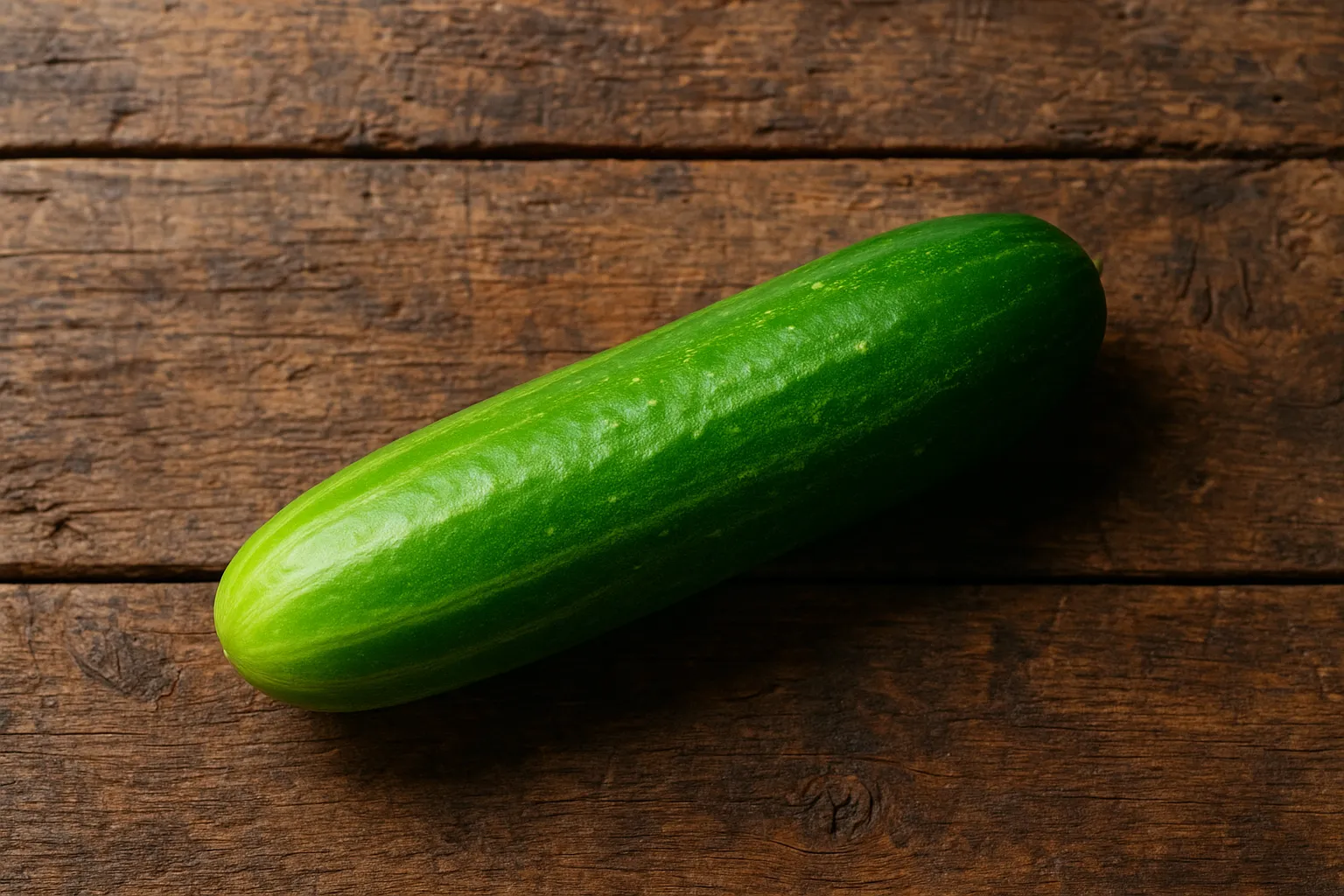
Nature's ultimate hydrating vegetable with 96% water content, minimal calories, and refreshing taste perfect for every health goal.
Quick Nutrition Facts
Per 100g (1 Medium Kheera)
| Nutrient | Amount |
|---|---|
| Calories | 15 kcal |
| Protein | 0.7g |
| Carbohydrates | 3.6g |
| Fiber | 0.5g |
| Sugars | 1.7g |
| Fat | 0.1g |
| Water | 96g |
| Potassium | 147mg |
| Vitamin K | 16.4mcg |
| Vitamin C | 2.8mg |
Macronutrient Breakdown
 ChatGPT
  Claude
  AI Mode
  Perplexity
NUTRITIONIST INSIGHT
Kheera is 96% water, making it one of the most hydrating foods. With only 15 calories per 100g, it's perfect for volume eating and weight loss while providing essential nutrients.
Myth Busters
MYTH #1: Kheera Has No Nutritional Value
TRUTH: While low in calories, kheera provides vitamin K (19% DV), potassium, vitamin C, and antioxidants like beta-carotene and flavonoids. Its high water content also supports hydration and detoxification.
MYTH #2: Eating Kheera at Night Causes Cold
TRUTH: This is a cultural myth without scientific basis. Kheera can be eaten at any time. Its cooling properties actually help with digestion and hydration, not illness.
MYTH #3: Kheera Should Always Be Peeled
TRUTH: The peel contains most of the fiber and nutrients. Cucumber skin has significant amounts of vitamin K and fiber. Wash thoroughly and eat with peel for maximum benefits.
MYTH #4: Kheera Causes Water Retention
TRUTH: The opposite is true. Kheera's high water and potassium content actually helps flush excess sodium and reduces bloating. It acts as a natural diuretic.
MYTH #5: Kheera Mixed with Milk is Harmful
TRUTH: While Ayurveda advises against this combination, there's no scientific evidence of harm. However, some people may experience digestive discomfort due to different digestion rates.
MYTH #6: Kheera Has Too Much Water and No Energy
TRUTH: The 3.6g carbs per 100g provide quick energy while the water content aids nutrient absorption and transport. It's ideal for pre-workout hydration.
NutriScore by Health Goals
| Health Goal | NutriScore | Why This Score? |
|---|---|---|
| Weight Loss |  | Only 15 calories per 100g with high water content (96%) promotes fullness without calories. Ideal for volume eating. |
| Muscle Gain |  | Low protein content but excellent for hydration post-workout. Pair with protein sources for muscle recovery. |
| Diabetes Management | | Very low glycemic index (15), minimal carbs (3.6g per 100g), and no blood sugar spike. Safe for unrestricted consumption for diabetics. |
| PCOS Management | | Anti-inflammatory properties and low glycemic load support hormone balance. High water content aids detoxification. |
| Pregnancy Nutrition | | Hydration support, folate content, and vitamin K for fetal bone development. Safe and refreshing throughout all trimesters. |
| Viral/Flu Recovery | | Excellent hydration source when appetite is low. Vitamin C and antioxidants support immune function. Easy to digest. |
PERSONALIZED NUTRITION
Track your meals with NutriScan for personalized NutriScores based on your specific health goals!
Blood Sugar Response to Kheera
Understanding how kheera affects your blood glucose can help you make informed decisions about when and how to eat it.
Typical Glucose Response Curve
This chart shows typical blood glucose response for general healthy individuals. Kheera has minimal impact on blood sugar due to its very low glycemic index (15).
Optimal Consumption for Blood Sugar Control
Kheera is one of the best foods for blood sugar management with virtually no glucose spike due to its low carb and high water content:
- 🥗 In salads - Combine with protein and healthy fats for balanced meals
- 🥤 As juice - Blend with mint and lemon for refreshing hydration
- 🍽️ As a snack - Eat raw with hummus or Greek yogurt dip
- 🥒 Pickled (lightly) - Fermented cucumbers add probiotics for gut health
This low-impact profile makes kheera ideal for diabetics, PCOS patients, and anyone managing blood sugar levels.
Cultural Significance
Kheera (cucumber) has been cultivated for over 3,000 years, originating in India before spreading globally.
In India:
- Essential ingredient in raita, cooling summer salads, and chutneys
- Ayurvedic medicine uses kheera for its cooling (sheeta) properties
- Applied topically for skin cooling and reducing inflammation
- Integral to Indian summer cuisine alongside mint, curd, and lemon
Global Impact:
- 4th most cultivated vegetable worldwide (80+ million tonnes annually)
- Over 100 varieties grown globally, from English to Persian cucumbers
- Ancient Egyptian, Greek, and Roman cultures valued cucumbers for hydration
- Modern spa treatments use cucumber slices for skin rejuvenation
Compare & Substitute
Kheera vs Similar Vegetables (Per 100g)
| Nutrient | 🥒 Kheera (Cucumber) | 🥗 Lettuce | 🍅 Tomato | 🥕 Carrot |
|---|---|---|---|---|
| Calories | 15 kcal | 15 kcal | 18 kcal | 41 kcal |
| Carbs | 3.6g | 2.9g | 3.9g | 10g |
| Fiber | 0.5g | 1.3g | 1.2g | 2.8g |
| Protein | 0.7g | 1.4g | 0.9g | 0.9g |
| Fat | 0.1g | 0.2g | 0.2g | 0.2g |
| Water | 96g | 95g | 95g | 88g |
| Potassium | 147mg | 194mg | 237mg | 320mg |
| Vitamin C | 2.8mg | 9.2mg | 13.7mg | 5.9mg |
| Best For | Hydration, low-cal | Salads, wraps | Lycopene, heart | Beta-carotene, A |
Frequently Asked Questions
Is kheera good for weight loss?
Yes, kheera is excellent for weight loss. With only 15 calories per 100g and 96% water content, it provides volume and hydration without calories. The fiber content (0.5g) promotes fullness despite low calorie density.
Best practices for weight loss: Eat 100-200g daily as snacks or in salads; use as meal filler to increase portion size; combine with protein sources; eat before meals to reduce overall calorie intake.
Can diabetics eat kheera freely?
Yes, diabetics can eat kheera without restriction. It has a very low glycemic index (15) and minimal carbohydrates (3.6g per 100g), causing virtually no blood sugar spike.
Tips for diabetics:
- Eat raw, pickled, or in salads without concern
- Excellent between-meal snack that won't affect glucose levels
- Pair with protein for balanced nutrition
- No portion control needed due to minimal carb content
Kheera is one of the safest vegetables for blood sugar management.
What vitamins and minerals are in kheera?
Kheera contains essential micronutrients despite its low calorie content:
Key nutrients per 100g:
- Vitamin K: 16.4mcg (19% DV) - bone health, blood clotting
- Potassium: 147mg - blood pressure regulation
- Vitamin C: 2.8mg - immune support, collagen
- Folate: 7mcg - cell division, pregnancy
- Magnesium: 13mg - muscle and nerve function
The peel contains most of these nutrients, so eat unpeeled for maximum benefits.
Should I eat kheera with or without peel?
Eat kheera with the peel for maximum nutrition. The skin contains most of the fiber, vitamin K, antioxidants, and beneficial plant compounds.
Benefits of eating with peel:
- 3x more fiber than peeled cucumber
- Higher vitamin K and antioxidant content
- Better for digestive health
- More satisfying texture and crunch
Preparation: Wash thoroughly under running water, optionally scrub with a vegetable brush, and eat whole or sliced.
Is it good to eat kheera daily?
Yes, eating kheera daily is safe and highly beneficial. There are no known side effects of regular consumption.
Daily recommendations:
- 100-200g daily - General health and hydration
- 200-300g daily - Weight loss goals
- Unlimited - Safe for all health conditions including diabetes
Benefits of daily consumption: Maintains hydration (96% water); supports weight management; provides consistent nutrient intake; aids digestion with fiber; promotes clear skin with antioxidants.
What is the best time to eat kheera?
Kheera can be eaten at any time, but certain times offer specific benefits:
Best times:
- Morning (with breakfast): Hydrates after overnight fast, aids digestion
- Pre-workout: Provides hydration without heaviness
- Between meals: Low-calorie snack prevents overeating
- With lunch/dinner: Adds volume to meals, increases satiety
- Before bed: Cooling properties aid relaxation (contrary to myths)
Avoid if: You have a sensitive stomach; eat slowly and chew thoroughly to prevent bloating.
Does kheera help with skin health?
Yes, kheera supports skin health both when eaten and applied topically. The antioxidants, vitamin C, and high water content benefit skin in multiple ways:
Internal benefits: Hydration for plump, moisturized skin; vitamin C for collagen synthesis; antioxidants reduce inflammation and oxidative stress; silica supports skin elasticity.
Topical benefits: Cooling effect reduces puffiness (especially under eyes); soothing for sunburn and skin irritation; mildly astringent properties tighten pores.
Regular consumption of 100-200g daily can contribute to clearer, more hydrated skin over time.
Can I drink kheera juice daily?
Yes, kheera juice is an excellent daily beverage. It provides concentrated hydration, nutrients, and cooling properties.
Kheera juice benefits:
- Intense hydration with electrolytes
- Easy to consume in larger quantities
- Mixes well with mint, lemon, ginger for added benefits
- Supports detoxification and digestion
Preparation: Blend 1 medium kheera (unpeeled) with water; add mint leaves, lemon juice, pinch of salt; strain if desired; consume fresh for maximum nutrient retention.
Daily intake: 200-300ml (1-2 cucumbers) is safe and beneficial for most people.


Similar Nutritious Vegetables
4505 Chicharrones Classic Chili Salt
7 Eleven Japan Crispy Corn Cheese
Explore More Nutrition Tools & Resources
AI Calorie Counter App - Snap a Photo, Get Macros
AI Nutritionist App That Reads Your Logged Meals
Best Protein Supplements for Women
Bulking Meal Plan App That Sets Your Surplus
ChatGPT Calorie Counter Alternative That Keeps the Total
ChatGPT Diet Plan Alternative That Tracks What You Eat
ChatGPT Weight Loss Coach Alternative With a Food Log
Fast Food Calorie Counter App That Reads the Tray
Free Calorie Tracker App with AI Photo Scans | NutriScan
Indian Diet Plan App With Veg and Non Veg Meals
Indian Food Calorie Calculator - Get Instant Nutrition Facts for Desi Meals — 2026
Intermittent Fasting for Women, Timer and Meal Log App
Intermittent Fasting Tracker App - Free Fasting Timer
Macro Tracker App That Fills the Numbers From a Photo
Mediterranean Diet Meal Plan App That Counts the Oil
Micronutrient Tracker App for Vitamins and Minerals
MyFitnessPal Alternative That Stays Free | NutriScan
NutriScore App: A Free Grade on Every Meal | NutriScan
Nutrition Label Scanner App for the Amount You Ate
Second Trimester Protein Guide
Vegetarian Meal Plan App With a Protein Target
Voice Calorie Counter - Speak to Track Meals Hands-Free
Water and Calorie Tracker App - Free Water Log