KitKat Dark: Calories, Nutrition and Health Benefits
Crispy wafer layers wrapped in rich dark chocolate—an indulgent treat with antioxidant-rich cocoa flavor perfect for chocolate lovers.
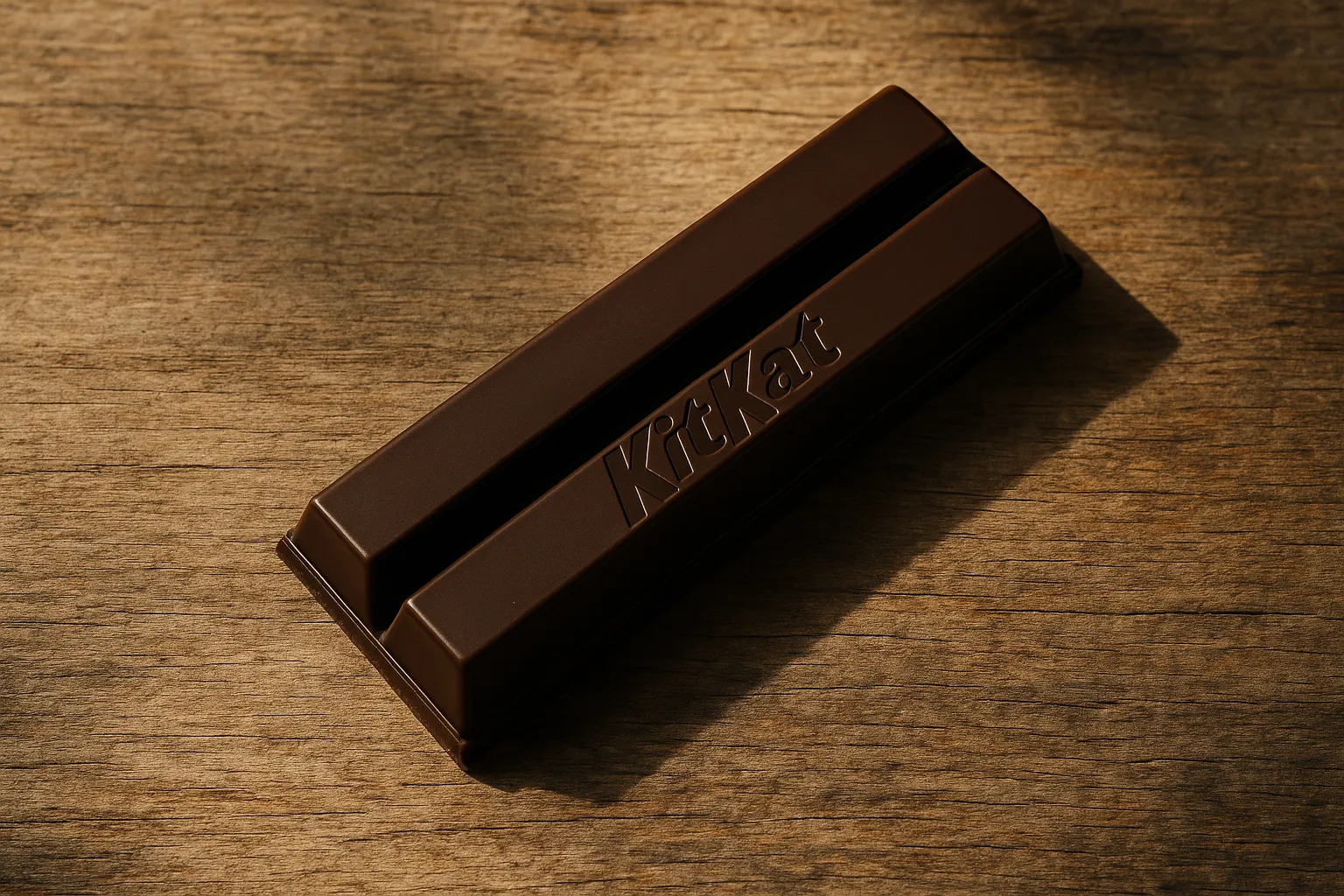
Quick Nutrition Facts
Per 1 Bar (29g)
| Nutrient | Amount |
|---|---|
| Calories | 230 kcal |
| Protein | 2.8g |
| Carbohydrates | 25g |
| Fiber | 1.2g |
| Sugars | 21g |
| Fat | 13g |
| Saturated Fat | 7.5g |
| Caffeine | 5-7mg |
| Iron | 0.9mg |
| Magnesium | 18mg |
Macronutrient Breakdown
 ChatGPT
  Claude
  AI Mode
  Perplexity
NUTRITIONIST INSIGHT
Dark chocolate in KitKat Dark provides flavonoids and polyphenols, compounds that support blood vessel health. The crispy wafer structure adds satisfaction without excessive calories—enjoy as an occasional treat, not daily snack. One bar (29g) fits well into balanced macros when planned ahead.
Myth Busters
MYTH #1: Dark Chocolate Cancels Out The Sugar
TRUTH: While dark chocolate contains more antioxidants than milk chocolate, 21g of sugar per bar is still significant. The health benefits come from cocoa solids, not the sugar. Don't assume "dark" means "healthy"—portion control matters most.
MYTH #2: KitKat Dark Has Minimal Caffeine
TRUTH: One bar provides 5-7mg caffeine from cocoa—minimal but real. You'd need 40+ bars to match a cup of coffee. However, dark chocolate does contain theobromine (stimulant similar to caffeine), which some sensitive individuals may notice.
MYTH #3: All Dark Chocolate Is Created Equal
TRUTH: Cocoa content varies significantly. Higher cocoa % (70%+) means more antioxidants, less sugar, and better cardiovascular benefits. KitKat Dark (typically 50-60% cocoa) provides moderate benefits—seek premium dark chocolate for maximum antioxidants.
MYTH #4: You Shouldn't Eat Chocolate When Dieting
TRUTH: A single KitKat Dark (230 calories) fits into most diets when planned. One bar 2-3 times weekly provides psychological satisfaction, reducing cravings and binge eating. Deprivation often backfires; structured treats support adherence.
MYTH #5: Dark Chocolate Causes Acne
TRUTH: Research shows cocoa itself doesn't cause acne; the culprit is typically added dairy and sugar. Dark chocolate with lower sugar content poses minimal acne risk. Individual responses vary—monitor your skin and adjust accordingly.
MYTH #6: Wafers Add No Nutritional Value
TRUTH: The crispy wafer provides quick-digesting carbs for energy and adds texture satisfaction. While not nutrient-dense, wafers reduce dense chocolate consumption per serving, making treats more enjoyable and portion-controlled.
NutriScore by Health Goals
| Health Goal | NutriScore | Why This Score? |
|---|---|---|
| Weight Loss |  | 230 calories per bar, high sugar (21g), but portion-controlled treat. Enjoy 1 bar weekly with fiber/protein pairings. |
| Muscle Gain | | Limited protein (2.8g) makes it poor post-workout choice. Better for pre-workout energy boost or recovery day treat. |
| Diabetes Management |  | 25g carbs, 21g sugar per bar—requires careful portion control. Choose 70%+ dark chocolate alternatives with lower GI when possible. |
| PCOS Management | | High sugar impacts insulin sensitivity. Limit to occasional (1 per month), pair with protein, monitor blood sugar response. |
| Pregnancy Nutrition | | Caffeine content (5-7mg) is minimal and safe. Magnesium (18mg) supports muscle function. Best enjoyed as occasional treat, not daily. |
| Viral/Flu Recovery |  | Quick-digesting carbs provide energy when appetite is low. Easy to consume, mild stimulant effect (caffeine/theobromine) lifts mood. |
PERSONALIZED NUTRITION
Track your treats with NutriScan for personalized NutriScores based on your specific health goals!
Blood Sugar Response to KitKat Dark
Understanding how chocolate treats affect blood glucose helps you time consumption strategically.
Typical Glucose Response Curve
*This chart shows typical blood glucose response for general healthy individuals. Individual responses may vary. Not medical advice.*
How to Flatten the Spike
Pairing chocolate with protein or healthy fat delays glucose absorption and reduces peak blood sugar levels:
- 🥜 Nuts or nut butter - Protein and fat slow digestion
- 🥛 Milk or yogurt - Dairy protein extends energy release
- 🥚 Boiled eggs - Complete protein source balances carbs
- 🍌 Fruit with skin - Fiber reduces glycemic load
The wafer structure provides quick carbs; combining with protein-fat creates sustained energy without sharp spikes.
Cultural Significance
KitKat originated in Britain (1935) as a premium chocolate wafer bar, evolving into the world's second best-selling chocolate brand. The iconic "Have a Break" slogan reflects its positioning as a mid-day treat across cultures.
In India:
- Introduced by Nestlé India in 1988, establishing iconic position
- Affordable luxury positioning: quality chocolate within reach of growing middle class
- Tea-time tradition: natural pairing with chai, complementing Indian snacking culture
- Dark variant appeals to health-conscious consumers seeking cocoa benefits with lower sugar than traditional Indian sweets
Global Recognition:
- 27 billion KitKat bars sold annually worldwide
- 400+ regional flavors adapting to local tastes
- Wafer + chocolate combination replicated across premium brands
- Sustainability initiatives: Nestlé commits to responsible cocoa sourcing by 2025
Compare & Substitute
Dark Chocolate Treats Comparison (Per Bar/Serving)
| Nutrient | 🍫 KitKat Dark | 🍫 Cadbury Bournville | 🍫 Amul Dark | 🍫 Premium 70% Cocoa |
|---|---|---|---|---|
| Calories | 230 kcal | 245 kcal | 220 kcal | 210 kcal |
| Carbs | 25g | 28g | 24g | 15g |
| Fiber | 1.2g | 1.5g | 1.3g | 3g |
| Protein | 2.8g | 3g | 2.5g | 4g |
| Fat | 13g | 14g | 12g | 15g |
| Cocoa % | 50-60% | 50% | 50-55% | 70%+ |
| Sugar | 21g | 24g | 22g | 8g |
| Best For | Balanced treat, wafer crunch | Rich cocoa flavor, smooth | Value option, mild flavor | Maximum antioxidants, low sugar |
Frequently Asked Questions
Is KitKat Dark good for weight loss?
KitKat Dark contains 230 calories per bar, making it a planned treat rather than daily snack. The combination of fiber (1.2g) and cocoa provides satisfaction, but portion control is essential. Best enjoyed 1-2 times weekly as a structured indulgence rather than daily habit—track it within your calorie goals.
Can diabetics eat KitKat Dark?
Diabetics can enjoy KitKat Dark occasionally in moderation. Each bar contains 25g carbs and 21g sugar, requiring careful planning. Pair with protein, consume during activity for better glucose handling, and limit to 1 bar maximum per week. Monitor individual blood sugar response.
How much caffeine is in KitKat Dark?
One bar provides approximately 5-7mg caffeine from cocoa solids—minimal compared to a cup of coffee (95mg). Dark chocolate also contains theobromine (similar stimulant), but combined effect is too low to cause sleep disruption in most individuals. Sensitivity varies.
What are the health benefits of dark chocolate?
Dark chocolate contains polyphenols and flavonoids that support cardiovascular health, improve blood flow, and reduce inflammation markers. The cocoa also provides magnesium (stress/muscle function) and mood-boosting compounds. However, enjoy as occasional treat, not health supplement.
How much dark chocolate should I eat per day?
General guideline: 1-2 squares (10-20g) of 70%+ dark chocolate daily provides antioxidant benefits without excess sugar. KitKat Dark bars (29g) are best consumed 2-3 times per week rather than daily. Those managing weight or diabetes should limit further; use NutriScan app to track and plan portions.
Is KitKat Dark better than milk chocolate?
Dark chocolate contains 2-3x more antioxidants, significantly less sugar, and higher cocoa solids than milk chocolate. KitKat Dark (50-60% cocoa) provides better cardiovascular benefits than milk versions. For maximum health benefits, choose 70%+ cocoa premium bars; KitKat Dark is a middle-ground treat.




Similar Nutritious Treats
4505 Chicharrones Classic Chili Salt
7 Eleven Japan Crispy Corn Cheese
Explore More Nutrition Tools & Resources
AI Calorie Counter App - Snap a Photo, Get Macros
AI Nutritionist App That Reads Your Logged Meals
Best Protein Supplements for Women
Bulking Meal Plan App That Sets Your Surplus
ChatGPT Calorie Counter Alternative That Keeps the Total
ChatGPT Diet Plan Alternative That Tracks What You Eat
ChatGPT Weight Loss Coach Alternative With a Food Log
Fast Food Calorie Counter App That Reads the Tray
Free Calorie Tracker App with AI Photo Scans | NutriScan
Indian Diet Plan App With Veg and Non Veg Meals
Indian Food Calorie Calculator - Get Instant Nutrition Facts for Desi Meals — 2026
Intermittent Fasting for Women, Timer and Meal Log App
Intermittent Fasting Tracker App - Free Fasting Timer
Macro Tracker App That Fills the Numbers From a Photo
Mediterranean Diet Meal Plan App That Counts the Oil
Micronutrient Tracker App for Vitamins and Minerals
MyFitnessPal Alternative That Stays Free | NutriScan
NutriScore App: A Free Grade on Every Meal | NutriScan
Nutrition Label Scanner App for the Amount You Ate
Second Trimester Protein Guide
Vegetarian Meal Plan App With a Protein Target
Voice Calorie Counter - Speak to Track Meals Hands-Free
Water and Calorie Tracker App - Free Water Log