Kottu Roti: Calories, Nutrition and Health Benefits
Sri Lanka's beloved street food - chopped flatbread rhythmically stir-fried with vegetables, eggs, and aromatic spices for a satisfying, energy-rich meal.
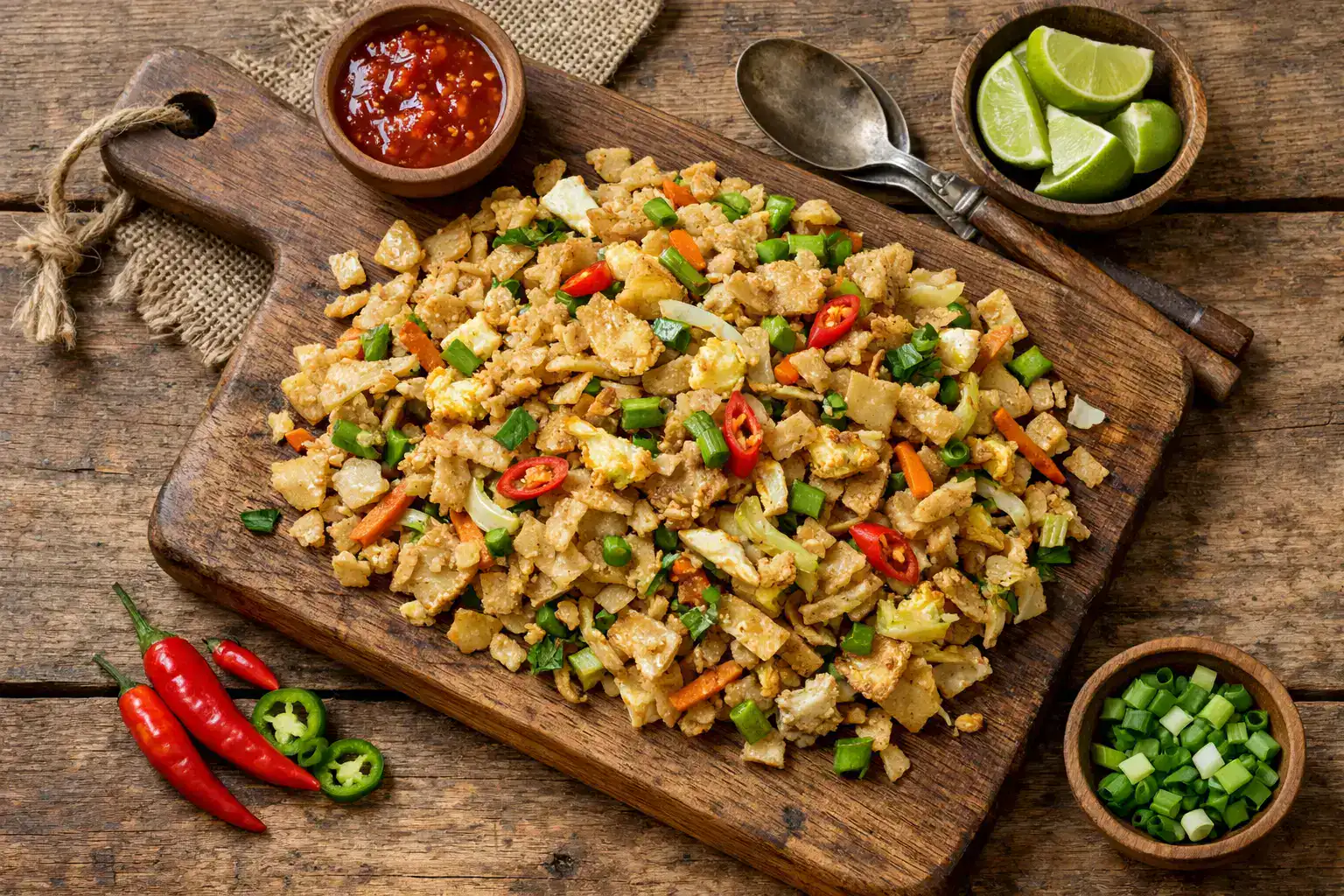
Quick Nutrition Facts
Per 1 Serving Kottu Roti (300g)
| Nutrient | Amount |
|---|---|
| Calories | 450 kcal |
| Protein | 12g |
| Carbohydrates | 55g |
| Fiber | 4g |
| Sugars | 5g |
| Fat | 18g |
| Saturated Fat | 6g |
| Sodium | 680mg |
| Iron | 3.2mg |
| Calcium | 85mg |
Macronutrient Breakdown
 ChatGPT
  Claude
  AI Mode
  Perplexity
NUTRITIONIST INSIGHT
Kottu roti provides a complete meal with carbs, protein, and vegetables in one dish. The egg adds high-quality protein while vegetables contribute fiber and micronutrients. For a healthier version, request extra vegetables and less oil.
Myth Busters
MYTH #1: Kottu Roti Is Just Junk Food
TRUTH: While calorie-dense, kottu roti provides balanced macronutrients when made with quality ingredients. The combination of carbohydrates and protein supports sustained energy release, making it suitable as an occasional complete meal.
MYTH #2: Kottu Roti Has No Nutritional Value
TRUTH: Kottu roti contains 12g protein from eggs, 4g fiber from vegetables and wheat, plus B vitamins from flour. The vegetables (leeks, cabbage, onions) add vitamins C and K. Nutritional value depends on preparation method.
MYTH #3: You Can't Eat Kottu Roti on a Diet
TRUTH: Portion control is key. A half-serving (150g, ~225 calories) fits most meal plans. Choose vegetable kottu over meat versions, and request less oil. Pairing carbs with protein helps control appetite.
MYTH #4: All Kottu Roti Is the Same
TRUTH: Nutritional content varies significantly. Vegetable kottu has ~350 calories, egg kottu ~450 calories, and chicken kottu ~550 calories. Whole wheat roti versions offer more fiber and a lower glycemic response.
MYTH #5: Kottu Roti Is Too Oily to Be Healthy
TRUTH: Traditional street kottu uses more oil, but home-made versions can be prepared with minimal oil. The key is cooking technique - a well-seasoned griddle needs less oil while still achieving the characteristic crispy texture.
NutriScore by Health Goals
| Health Goal | NutriScore | Why This Score? |
|---|---|---|
| Weight Loss |  | 450 calories per serving is substantial. Limit to half portions and balance with lighter meals throughout the day. |
| Muscle Gain |  | Good carb-to-protein ratio for post-workout recovery. Chicken kottu provides 20-25g protein for muscle synthesis. |
| Diabetes Management | | High carbohydrate content (55g) affects blood sugar. Choose whole wheat versions and smaller portions with extra vegetables. |
| PCOS Management | | Refined carbs may affect insulin levels. Opt for whole wheat roti, extra vegetables, and limit to occasional consumption. |
| Pregnancy Nutrition | | Provides iron, protein, and energy needed during pregnancy. Ensure eggs are fully cooked. Good source of folate from vegetables. |
| Viral/Flu Recovery | | Easy to digest, provides energy and protein for recovery. The warm, spiced dish can be comforting during illness. |
PERSONALIZED NUTRITION
Track your meals with NutriScan for personalized NutriScores based on your specific health goals!
Blood Sugar Response to Kottu Roti
Understanding how kottu roti affects your blood glucose helps you make informed decisions about portions and pairings.
Typical Glucose Response Curve
This chart shows typical blood glucose response for general healthy individuals. Individual responses may vary. Not medical advice.
How to Flatten the Spike
Pairing carbohydrate-rich meals with protein and fiber slows glucose absorption and reduces blood sugar peaks:
- Add extra vegetables - Request double vegetables for more fiber
- Choose whole wheat roti - Lower glycemic index than white flour versions
- Eat protein first - Start with the egg portions before the roti
- Include a side salad - Fresh vegetables add fiber and slow digestion
This combination extends energy release and keeps you fuller longer while minimizing glucose spikes.
Cultural Significance
Kottu roti is one of Sri Lanka's most iconic street foods, with origins dating back to the 1970s in the Batticaloa region.
In Sri Lanka:
- The rhythmic sound of kottu being chopped on the griddle is a beloved evening soundtrack
- Street vendors use two metal blades to chop and mix ingredients in a distinctive percussion
- Each region has its own variation - Jaffna kottu is spicier, Colombo style uses more vegetables
- Traditionally served late evening as a filling dinner option
Global Spread:
- Popular in Tamil Nadu, India, and Malaysian Tamil communities
- Sri Lankan diaspora restaurants worldwide feature kottu as a signature dish
- Modern variations include cheese kottu, seafood kottu, and fusion versions
- The dish has become a symbol of Sri Lankan culinary identity abroad
Compare & Substitute
Kottu Roti vs Similar Dishes (Per 100g)
| Nutrient | Kottu Roti | Fried Rice | Pad Thai | Nasi Goreng |
|---|---|---|---|---|
| Calories | 150 kcal | 165 kcal | 180 kcal | 175 kcal |
| Carbs | 18g | 22g | 24g | 23g |
| Fiber | 1.3g | 0.8g | 1.2g | 0.9g |
| Protein | 4g | 4.5g | 6g | 5g |
| Fat | 6g | 7g | 8g | 7.5g |
| Sodium | 227mg | 350mg | 420mg | 380mg |
| Best For | Complete meal, energy | Quick meal, versatile | Thai flavor, protein | Indonesian flavors |
Frequently Asked Questions
Is kottu roti good for weight loss?
Kottu roti is calorie-dense at 450 calories per serving, making it challenging for strict weight loss plans. However, you can include it occasionally with modifications.
Best practices: Limit to half-portion (150g, ~225 calories), choose vegetable kottu over meat versions, request less oil, and balance with lighter meals throughout the day.
Can diabetics eat kottu roti?
Diabetics should approach kottu roti with caution due to its high carbohydrate content (55g per serving).
Tips for diabetics:
- Choose whole wheat roti versions when available
- Limit portions to 100-150g maximum
- Request extra vegetables for added fiber
- Pair with a protein side dish
- Monitor blood sugar 2 hours after eating
Always consult your healthcare provider for personalized dietary advice.
How much protein is in kottu roti?
A standard vegetable-egg kottu roti (300g) contains 12g of protein primarily from eggs. Protein content varies by preparation:
- Vegetable kottu: 8-10g protein
- Egg kottu: 12-15g protein
- Chicken kottu: 20-25g protein
For muscle building, chicken kottu provides the best protein-to-calorie ratio.
What are the main health benefits of kottu roti?
Key Benefits:
- Sustained Energy: Complex carbohydrates from wheat provide lasting energy
- Complete Protein: Eggs offer all essential amino acids
- Fiber Content: Vegetables and wheat contribute to digestive health
- B Vitamins: Wheat flour provides B1, B2, and niacin
- Iron: Contains 3.2mg iron per serving (18% daily value)
What is kottu roti made of?
Kottu roti consists of:
- Godamba roti - Thin Sri Lankan flatbread, chopped into strips
- Eggs - Beaten and scrambled with the roti
- Vegetables - Leeks, cabbage, onions, carrots
- Curry leaves - For authentic Sri Lankan flavor
- Spices - Chili, cumin, turmeric, black pepper
- Optional proteins - Chicken, beef, or seafood
The ingredients are rapidly stir-fried on a hot griddle while being chopped with metal blades.
Is kottu roti healthy?
Kottu roti can be part of a balanced diet when consumed in moderation and prepared thoughtfully.
Healthier choices:
- Request whole wheat roti base
- Ask for extra vegetables, less oil
- Choose egg or vegetable versions over fried meat
- Pair with a fresh salad or yogurt
Watch out for: High sodium content (680mg per serving), saturated fat from cooking oil, and large portion sizes at restaurants.
How many calories are in chicken kottu?
Chicken kottu contains approximately 550-600 calories per standard serving (350g), higher than vegetable-egg kottu due to:
- Additional protein from chicken (~150g adds ~200 calories)
- Often cooked with more oil for the meat
- Some versions include chicken curry gravy
For calorie control, request grilled chicken pieces instead of curried chicken.


Similar Nutritious Foods
4505 Chicharrones Classic Chili Salt
7 Eleven Japan Crispy Corn Cheese
Explore More Nutrition Tools & Resources
AI Calorie Counter App - Snap a Photo, Get Macros
AI Nutritionist App That Reads Your Logged Meals
Best Protein Supplements for Women
Bulking Meal Plan App That Sets Your Surplus
ChatGPT Calorie Counter Alternative That Keeps the Total
ChatGPT Diet Plan Alternative That Tracks What You Eat
ChatGPT Weight Loss Coach Alternative With a Food Log
Fast Food Calorie Counter App That Reads the Tray
Free Calorie Tracker App with AI Photo Scans | NutriScan
Indian Diet Plan App With Veg and Non Veg Meals
Indian Food Calorie Calculator - Get Instant Nutrition Facts for Desi Meals — 2026
Intermittent Fasting for Women, Timer and Meal Log App
Intermittent Fasting Tracker App - Free Fasting Timer
Macro Tracker App That Fills the Numbers From a Photo
Mediterranean Diet Meal Plan App That Counts the Oil
Micronutrient Tracker App for Vitamins and Minerals
MyFitnessPal Alternative That Stays Free | NutriScan
NutriScore App: A Free Grade on Every Meal | NutriScan
Nutrition Label Scanner App for the Amount You Ate
Second Trimester Protein Guide
Vegetarian Meal Plan App With a Protein Target
Voice Calorie Counter - Speak to Track Meals Hands-Free
Water and Calorie Tracker App - Free Water Log