Kundru Sabzi (Ivy Gourd): Calories, Nutrition and Health Benefits
Traditional Indian superfood vegetable with only 20 calories per 100g - perfect for diabetes, weight loss, and PCOS management.
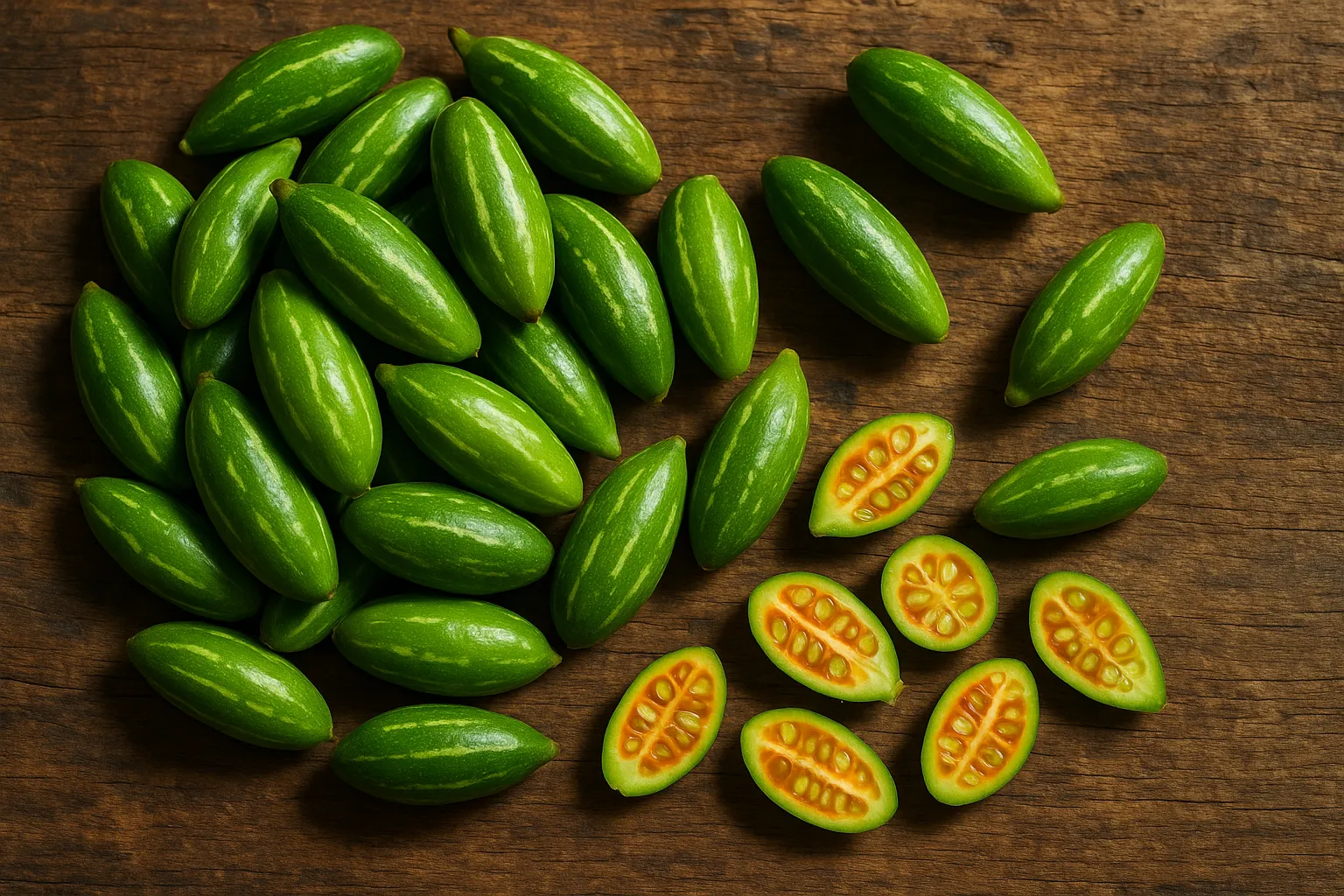
Quick Nutrition Facts
Per 100g Cooked Kundru Sabzi
| Nutrient | Amount |
|---|---|
| Calories | 20 kcal |
| Protein | 0.5g |
| Carbohydrates | 4.5g |
| Fiber | 1.5g |
| Sugars | 2.0g |
| Fat | 0.1g |
| Vitamin A | 180 IU |
| Vitamin C | 8mg |
| Calcium | 20mg |
| Iron | 0.6mg |
Macronutrient Breakdown
 ChatGPT
  Claude
  AI Mode
  Perplexity
NUTRITIONIST INSIGHT
Kundru is a diabetes superfood with only 20 calories per 100g and compounds that help regulate blood sugar naturally. Its low glycemic index makes it ideal for insulin sensitivity and weight management.
Myth Busters
MYTH #1: Kundru Has No Nutritional Value
TRUTH: While low in calories, kundru is rich in antioxidants, vitamins A and C, and bioactive compounds that support diabetes management and immune health.
MYTH #2: All Vegetables Are Equal for Diabetes
TRUTH: Kundru stands out for diabetes management. Traditional medicine uses ivy gourd to improve insulin sensitivity and reduce blood sugar levels - making it superior to starchy vegetables.
MYTH #3: Kundru Is Only for Sick People
TRUTH: Kundru benefits everyone - athletes need low-calorie nutrient density, pregnant women get vitamins A and C, and active individuals get sustainable energy without blood sugar crashes.
MYTH #4: You Need Oil to Cook Kundru
TRUTH: While traditional recipes use oil, you can steam or air-fry kundru with minimal oil (1 tsp per 200g) and still get excellent taste with Indian spices like turmeric, cumin, and coriander.
MYTH #5: Frozen Kundru Loses Nutrients
TRUTH: Flash-frozen kundru retains 90%+ of vitamins and minerals. Fresh is ideal, but frozen is a nutritious convenient alternative when fresh isn't available.
MYTH #6: Kundru Causes Digestive Issues
TRUTH: Kundru actually supports digestion with 1.5g fiber per 100g. Only overconsumption (>300g daily) or poor preparation (deep frying) may cause issues for sensitive individuals.
NutriScore by Health Goals
| Health Goal | NutriScore | Why This Score? |
|---|---|---|
| Weight Loss |  | Only 20 calories per 100g, high fiber promotes fullness. Eat 150-200g daily without impacting calorie goals. |
| Muscle Gain |  | Low protein (0.5g) requires pairing with dal, paneer, or chicken. Good for micronutrients and volume eating. |
| Diabetes Management | | Compounds in ivy gourd help regulate blood sugar. Low GI and traditional diabetes remedy in Ayurveda. |
| PCOS Management | | Low glycemic index improves insulin sensitivity, high fiber supports hormone balance. Ideal daily vegetable for PCOS diets. |
| Pregnancy Nutrition |  | Good source of vitamins A and C for immunity, iron for blood health. Safe and nutritious during pregnancy when cooked well. |
| Viral/Flu Recovery | | Easy to digest, vitamin C boosts immunity, gentle on stomach. Combine with dal for complete recovery nutrition. |
PERSONALIZED NUTRITION
Track your meals with NutriScan for personalized NutriScores based on your specific health goals!
Blood Sugar Response to Kundru Sabzi
Understanding how kundru affects your blood glucose helps maximize its diabetes-friendly benefits.
Typical Glucose Response Curve
This chart shows typical blood glucose response for general healthy individuals. Individual responses may vary. Not medical advice.
How to Maximize Blood Sugar Benefits
Kundru naturally keeps blood sugar stable. Pairing with protein enhances this effect:
- 🥘 Dal (lentils) - Complete protein and additional fiber
- 🧀 Paneer or tofu - Adds protein and healthy fats
- 🍗 Chicken or fish - Lean protein for sustained energy
- 🥜 Cashews or almonds (garnish) - Healthy fats slow glucose absorption
This combination provides optimal nutrition while maintaining stable blood sugar throughout the day.
Cultural Significance
Kundru (ivy gourd/tindora) has been cultivated in South and Southeast Asia for over 4,000 years.
In India:
- Known as kundru (Hindi), tindora (Gujarati), tondli (Marathi), kovakkai (Tamil)
- Staple in Ayurvedic medicine for diabetes and digestive health
- Essential ingredient in regional cuisines: kundru bhujia (North), kovakkai poriyal (South)
- Grown extensively in Maharashtra, Gujarat, Karnataka, and Tamil Nadu
Global Impact:
- Cultivated in tropical climates worldwide - Thailand, Philippines, Caribbean, Africa
- Used in traditional medicine systems across Asia for blood sugar control
- Increasingly popular in Western countries as diabetes-friendly superfood
- Sustainable crop requiring minimal water and pesticides
Compare & Substitute
Kundru vs Similar Low-Calorie Vegetables (Per 100g)
| Nutrient | 🥒 Kundru | 🥒 Cucumber | 🍆 Brinjal (Eggplant) | 🫑 Capsicum (Bell Pepper) |
|---|---|---|---|---|
| Calories | 20 kcal | 16 kcal | 25 kcal | 31 kcal |
| Carbs | 4.5g | 3.6g | 5.9g | 6g |
| Fiber | 1.5g | 0.5g | 3g | 2.1g |
| Protein | 0.5g | 0.7g | 1g | 1g |
| Fat | 0.1g | 0.1g | 0.2g | 0.3g |
| Vitamin A | 180 IU | 105 IU | 23 IU | 3131 IU |
| Vitamin C | 8mg | 2.8mg | 2.2mg | 127mg |
| Iron | 0.6mg | 0.3mg | 0.2mg | 0.4mg |
| Best For | Diabetes, weight loss | Hydration, low calories | Fiber, heart health | Vitamin C, immunity |
Frequently Asked Questions
Is kundru good for diabetes?
Yes, kundru is excellent for diabetes management. It has only 20 calories per 100g with a low glycemic index that doesn't spike blood sugar.
Diabetes benefits:
- Bioactive compounds help regulate blood sugar naturally
- Traditional Ayurvedic remedy for improving insulin sensitivity
- High fiber (1.5g) slows glucose absorption
- Can replace starchy vegetables in meals
Best practices: Eat 150-200g daily with dal or protein, avoid deep frying, monitor blood sugar response initially.
Can I eat kundru daily for weight loss?
Absolutely. Kundru is one of the best vegetables for weight loss with only 20 calories per 100g and high satiety from fiber.
Weight loss tips:
- Eat 150-200g per meal (30-40 calories only)
- Stir-fry with 1 tsp oil maximum
- Combine with protein (dal, paneer, chicken) for fullness
- Replace higher-calorie vegetables like potatoes
You can eat kundru daily without any calorie concerns while getting essential vitamins and minerals.
How much protein is in kundru?
Kundru contains approximately 0.5g protein per 100g. While not a significant protein source, its value lies in being an ultra-low-calorie, nutrient-dense vegetable.
For balanced nutrition: Always pair kundru with protein-rich foods like dal (7g protein/100g), paneer (18g), chicken breast (31g), or add a handful of nuts.
What are the main health benefits of ivy gourd?
Key Benefits:
- Blood Sugar Regulation: Compounds that improve insulin sensitivity and reduce glucose levels
- Weight Management: Only 20 calories per 100g with 1.5g fiber for fullness
- Digestive Health: Fiber supports regular bowel movements and gut health
- Antioxidant Protection: Vitamins A and C fight oxidative stress
- Immune Support: Vitamin C boosts immune function
- PCOS Management: Low GI helps manage insulin resistance
Is kundru good for PCOS?
Yes, kundru is highly beneficial for PCOS management due to its low glycemic index and insulin-sensitizing properties.
PCOS benefits:
- Low GI helps manage insulin resistance (key PCOS driver)
- High fiber supports hormone balance and weight management
- Low calorie density aids weight loss (critical for PCOS)
- Anti-inflammatory compounds may reduce PCOS symptoms
Recommendation: Include 150-200g daily in meals, pair with protein, avoid excess oil.
What is the best way to cook kundru?
Healthiest Cooking Methods:
- Stir-Fry (Kundru Bhujia): Slice thin, cook with 1-2 tsp oil, mustard seeds, turmeric, and salt
- Steam & Sauté: Steam 5 minutes, then light sauté with spices (retains most nutrients)
- Add to Dal/Sambar: Cook with lentils for complete protein and fiber
- Air-Fry: Minimal oil, crispy texture, maximum nutrition
Avoid: Deep frying (adds 150+ calories from oil and reduces vitamin retention by 40%).
Pro Tip: Don't overcook - 8-10 minutes maintains crunch and nutrients.
Can I eat kundru during pregnancy?
Yes, kundru is safe and nutritious during pregnancy when properly cooked. It provides vitamins A and C for immunity, iron for blood health, and fiber for digestion.
Pregnancy guidelines:
- Wash thoroughly to remove any pesticides
- Cook completely - avoid raw or undercooked kundru
- Eat 100-150g daily as part of balanced meals
- Pair with iron-rich foods (dal, spinach) for better absorption
Note: Some pregnant women find it causes mild gas - start with smaller portions and monitor.
How many calories in kundru sabzi with oil?
Calorie breakdown:
- 100g plain cooked kundru: 20 calories
- 1 tsp cooking oil (5g): 45 calories
- Total with minimal oil: ~65 calories per 100g
Traditional kundru bhujia (with 2 tsp oil per 200g serving) = ~130 calories per serving.
Low-calorie hack: Use cooking spray or steam first, then light sauté with ½ tsp oil for ~35 calories per 100g.


Similar Nutritious Vegetables
4505 Chicharrones Classic Chili Salt
7 Eleven Japan Crispy Corn Cheese
Explore More Nutrition Tools & Resources
AI Calorie Counter App - Snap a Photo, Get Macros
AI Nutritionist App That Reads Your Logged Meals
Best Protein Supplements for Women
Bulking Meal Plan App That Sets Your Surplus
ChatGPT Calorie Counter Alternative That Keeps the Total
ChatGPT Diet Plan Alternative That Tracks What You Eat
ChatGPT Weight Loss Coach Alternative With a Food Log
Fast Food Calorie Counter App That Reads the Tray
Free Calorie Tracker App with AI Photo Scans | NutriScan
Indian Diet Plan App With Veg and Non Veg Meals
Indian Food Calorie Calculator - Get Instant Nutrition Facts for Desi Meals — 2026
Intermittent Fasting for Women, Timer and Meal Log App
Intermittent Fasting Tracker App - Free Fasting Timer
Macro Tracker App That Fills the Numbers From a Photo
Mediterranean Diet Meal Plan App That Counts the Oil
Micronutrient Tracker App for Vitamins and Minerals
MyFitnessPal Alternative That Stays Free | NutriScan
NutriScore App: A Free Grade on Every Meal | NutriScan
Nutrition Label Scanner App for the Amount You Ate
Second Trimester Protein Guide
Vegetarian Meal Plan App With a Protein Target
Voice Calorie Counter - Speak to Track Meals Hands-Free
Water and Calorie Tracker App - Free Water Log