Kurkure Hyderabadi Hungama: Calories, Nutrition and Health Benefits
Spicy Hyderabadi-inspired corn puffs packed with bold flavors. Low in protein, high in calories and sodium—understand the nutrition before snacking.
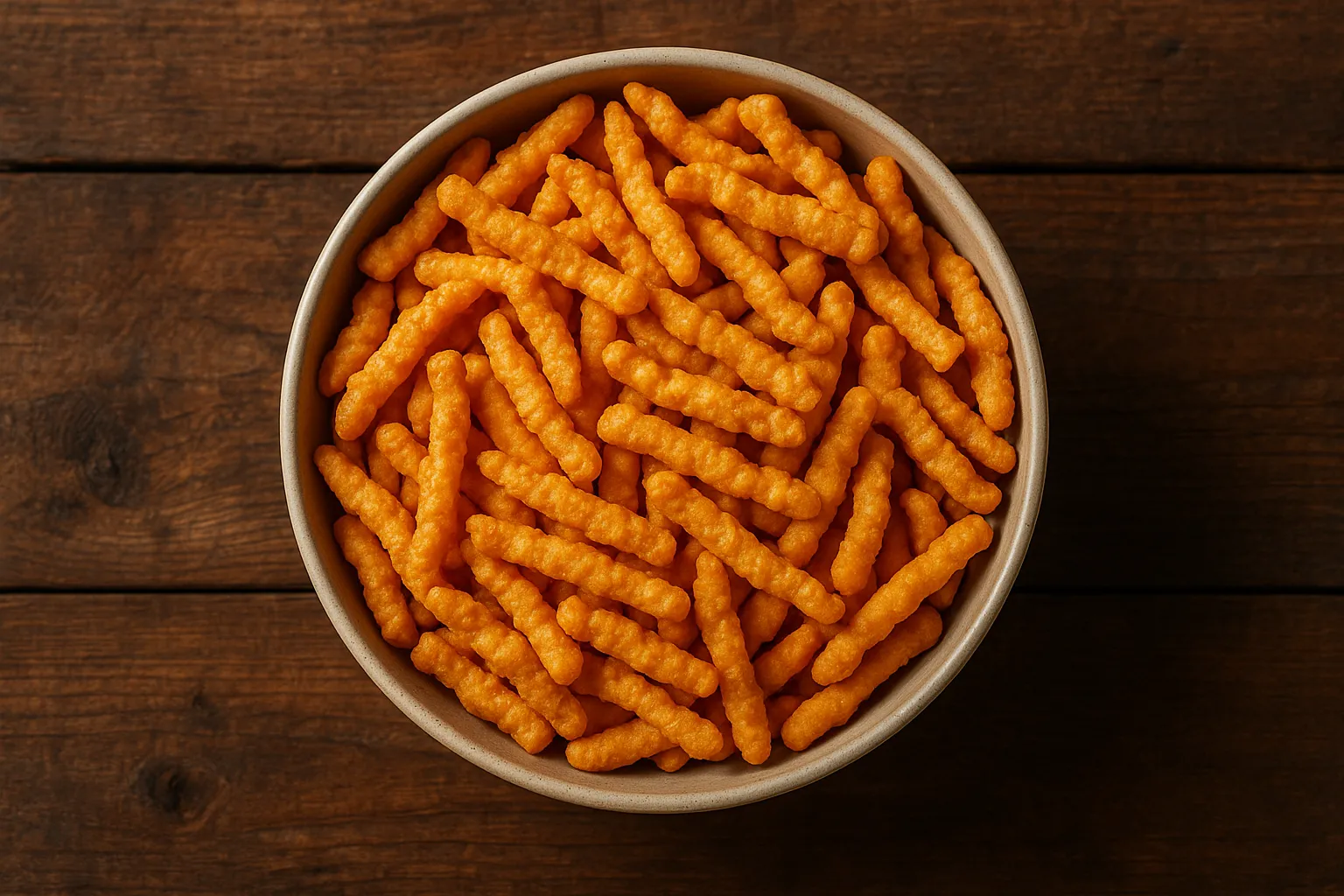
Quick Nutrition Facts
Per 1 Serving (30g)
| Nutrient | Amount |
|---|---|
| Calories | 157 kcal |
| Protein | 2.5g |
| Carbohydrates | 17g |
| Fiber | 0.8g |
| Sugars | 0.5g |
| Fat | 8.5g |
| Saturated Fat | 2.1g |
| Sodium | 280mg |
| Potassium | 45mg |
| Iron | 0.4mg |
Macronutrient Breakdown
 ChatGPT
  Claude
  AI Mode
  Perplexity
NUTRITIONIST INSIGHT
Kurkure Hyderabadi Hungama offers intense flavor but minimal nutritional value. The 280mg sodium per serving constitutes 12% of daily limits. High oil content (8.5g fat in 30g) means each serving contains 77 calories from fat alone.
Myth Busters
MYTH #1: Spicy Snacks Burn Fat
TRUTH: The capsaicin in spicy foods provides no meaningful metabolic boost. Studies show thermogenic effect at ❤️% of total daily expenditure. Kurkure's calories still count regardless of spice level.
MYTH #2: Air-Puffed Snacks Have Fewer Calories
TRUTH: Puffed corn snacks concentrate calories in less volume. A 30g serving of Kurkure contains 157 calories—equivalent to a medium banana (105 cal) plus 52 extra calories from oil.
MYTH #3: Corn Is a Health Food
TRUTH: Corn-based snacks are processed, not whole grain. Refined corn lacks fiber and micronutrients, providing empty carbohydrates that spike blood sugar without satiety.
MYTH #4: Occasional Snacking Doesn't Matter
TRUTH: Even small portions add up. Eating 30g twice weekly = 16,276 extra calories annually (~4.6 lbs of fat gain). Consistency matters more than occasional indulgence.
MYTH #5: Salt Makes You Thirstier, So You Drink Water
TRUTH: Excess sodium increases water retention and blood pressure, not just thirst. The 280mg per serving disrupts electrolyte balance and makes weight loss harder to track due to temporary water weight gain.
MYTH #6: You Can Burn Off Snacks at the Gym
TRUTH: You'd need 25+ minutes of moderate running to burn 157 calories. Most people underestimate snacking and overestimate exercise, creating a calorie surplus that leads to weight gain.
NutriScore by Health Goals
| Health Goal | NutriScore | Why This Score? |
|---|---|---|
| Weight Loss |  | 157 calories in 30g serving with minimal protein (2.5g) and high fat (8.5g). Low satiety. Avoid—save calories for nutrient-dense foods. |
| Muscle Gain | | Only 2.5g protein per serving—inadequate for muscle synthesis. Empty calories from oil (not amino acids). |
| Diabetes Management |  | High sodium and refined carbs with minimal fiber. Causes rapid blood sugar spikes. Not recommended. |
| PCOS Management | | High inflammatory omega-6 from seed oil, sodium triggers insulin resistance. Avoid. |
| Pregnancy Nutrition | | No folate, B vitamins, or iron. Excessive sodium (280mg) increases preeclampsia risk. Not suitable. |
| Viral/Flu Recovery | | Provides quick carbohydrates for energy but lacks vitamin C, protein, and zinc for immune recovery. Not ideal for healing. |
PERSONALIZED NUTRITION
Track your snacking habits with NutriScan to see cumulative calorie impact of processed foods on your health goals!
Blood Sugar Response to Kurkure
Refined corn snacks cause rapid blood glucose spikes due to lack of fiber and protein.
Typical Glucose Response Curve
This chart shows typical blood glucose response for general healthy individuals. Individual responses may vary. Not medical advice.
How to Minimize Glucose Spike
To reduce blood sugar impact if consuming Kurkure:
- Pair with protein — Combine with Greek yogurt, nuts, or cheese to slow carb absorption
- Eat before exercise — Post-workout timing prevents fat storage
- Never on empty stomach — Always include protein or healthy fat in the same meal
- Limit portion size — Stick to 15g (half serving) rather than full 30g
For better snack choices, consider air-popped popcorn, roasted chickpeas, or nuts instead.
Cultural Significance
Kurkure Hyderabadi Hungama represents modern Indian snacking culture, drawing from the rich spice heritage of Hyderabad—a city famous for its biryani and masala-forward cuisine.
In India:
- Hyderabadi cuisine emphasizes bold spice blends: turmeric, red chilli, cumin, and coriander
- Kurkure appeals to young consumers seeking familiar flavors in convenient snack form
- Sold extensively at roadside shops, cinemas, and convenience stores across urban India
- Part of the growing processed snacking industry that has transformed traditional eating patterns
Global Impact:
- PepsiCo's Kurkure brand (owned since 2010) dominates Indian corn snack market
- Expansion into global markets through Indian diaspora communities
- Represents shift from homemade namkeen to industrialized snack production
Compare & Substitute
Kurkure Hyderabadi Hungama vs Similar Snacks (Per 30g)
| Nutrient | 🥔 Kurkure Hyderabadi | 🍿 Air-Popped Popcorn | 🥜 Roasted Chickpeas | 🥜 Mixed Nuts |
|---|---|---|---|---|
| Calories | 157 kcal | 30 kcal | 90 kcal | 178 kcal |
| Protein | 2.5g | 1g | 5g | 6.5g |
| Carbs | 17g | 6g | 13g | 6g |
| Fiber | 0.8g | 1.2g | 3g | 2.5g |
| Fat | 8.5g | 0.4g | 2.5g | 16g |
| Sodium | 280mg | 0mg | 80mg | 0mg |
| Best For | Occasional treat | Weight loss snacking | Protein & fiber | Healthy fats & satin |
Frequently Asked Questions
Is Kurkure a healthy snack?
No. Kurkure Hyderabadi Hungama is a processed, high-calorie snack with minimal nutritional value. It provides 157 calories, 2.5g protein, 8.5g fat, and 280mg sodium in a small 30g serving. Better alternatives: roasted chickpeas, air-popped popcorn, or nuts offer superior nutrition.
How many calories are in Kurkure?
One 30g serving contains 157 calories. A typical handful (50g) contains ~260 calories. Eating a full bag (~100g) adds ~525 calories—equivalent to a complete meal with no nutritional benefit.
Can I eat Kurkure every day?
Not recommended. Daily consumption = 1,100+ calories weekly from snacking alone, creating weight gain of ~1 lb monthly. Best practice: reserve for occasional treats (1-2 times monthly, 15g portions).
Does Kurkure have any nutritional value?
Minimal. It provides iron (0.4mg) but lacks significant fiber, protein, vitamins, or essential minerals. Most calories derive from refined carbs and unhealthy oil.
Is Kurkure gluten-free?
Verify packaging; most Kurkure variants use corn (naturally gluten-free) but may contain traces due to shared processing. Check the label for celiac safety.
How much sodium is too much from snacks?
The American Heart Association recommends 2,300mg sodium daily. One 30g Kurkure serving = 12% of this limit. Consuming processed snacks twice weekly adds 8,736mg sodium annually—nearly 4x the recommended weekly intake.


Similar Nutritious Snacks
4505 Chicharrones Classic Chili Salt
7 Eleven Japan Crispy Corn Cheese
Explore More Nutrition Tools & Resources
AI Calorie Counter App - Snap a Photo, Get Macros
AI Nutritionist App That Reads Your Logged Meals
Best Protein Supplements for Women
Bulking Meal Plan App That Sets Your Surplus
ChatGPT Calorie Counter Alternative That Keeps the Total
ChatGPT Diet Plan Alternative That Tracks What You Eat
ChatGPT Weight Loss Coach Alternative With a Food Log
Fast Food Calorie Counter App That Reads the Tray
Free Calorie Tracker App with AI Photo Scans | NutriScan
Indian Diet Plan App With Veg and Non Veg Meals
Indian Food Calorie Calculator - Get Instant Nutrition Facts for Desi Meals — 2026
Intermittent Fasting for Women, Timer and Meal Log App
Intermittent Fasting Tracker App - Free Fasting Timer
Macro Tracker App That Fills the Numbers From a Photo
Mediterranean Diet Meal Plan App That Counts the Oil
Micronutrient Tracker App for Vitamins and Minerals
MyFitnessPal Alternative That Stays Free | NutriScan
NutriScore App: A Free Grade on Every Meal | NutriScan
Nutrition Label Scanner App for the Amount You Ate
Second Trimester Protein Guide
Vegetarian Meal Plan App With a Protein Target
Voice Calorie Counter - Speak to Track Meals Hands-Free
Water and Calorie Tracker App - Free Water Log