Kurkure Masala Munch: Calories, Nutrition and Health Benefits
Popular Indian corn puffs with bold spicy masala coating - a beloved snack for taste lovers, though nutritionally best enjoyed in moderation.
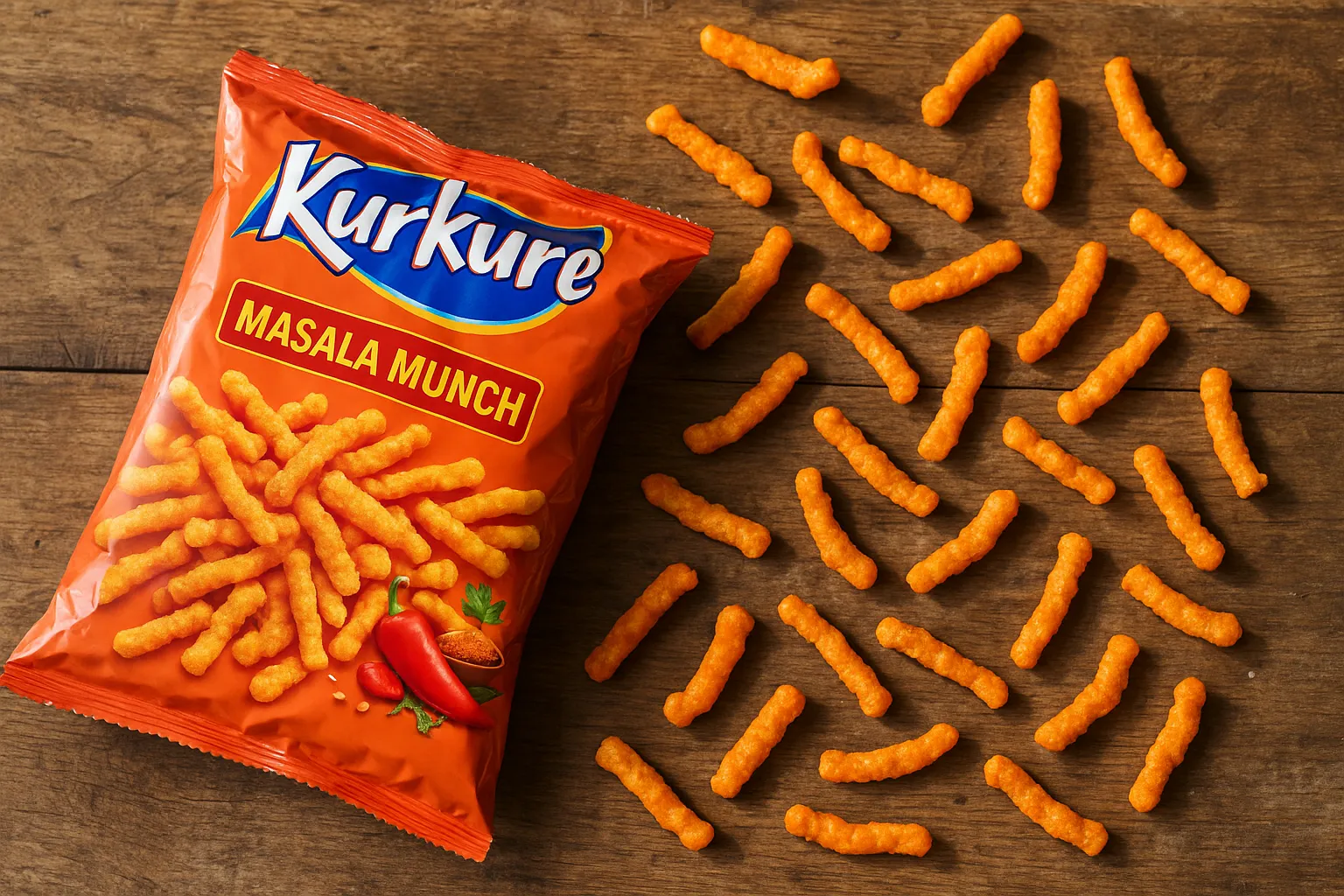
Quick Nutrition Facts
Per 1 Serving (30g)
| Nutrient | Amount |
|---|---|
| Calories | 156 kcal |
| Protein | 2g |
| Carbohydrates | 16g |
| Fiber | 0.5g |
| Sugars | 0.5g |
| Fat | 8g |
| Sodium | 340mg |
| Potassium | 45mg |
| Iron | 0.3mg |
| Magnesium | 12mg |
Macronutrient Breakdown
 ChatGPT
  Claude
  AI Mode
  Perplexity
NUTRITIONIST INSIGHT
Kurkure's appeal is flavor and crunch, not nutrition. A 30g serving (handful) delivers satisfying taste with 156 calories and 8g fat. Enjoy occasionally as an indulgence; pair with water to manage sodium impact.
Myth Busters
MYTH #1: Kurkure Is Made From Potatoes
TRUTH: Kurkure is made from corn (maize), not potatoes. It's corn flour puffed with air and seasoned with masala spices. Less dense than potato chips but similarly calorie-dense per gram due to oil content.
MYTH #2: All Corn Snacks Are Equally Nutritious
TRUTH: Kurkure and popcorn are both corn-based but vastly different. Plain popcorn: 31 cal/cup, 3.6g fiber. Kurkure: 156 cal/30g with minimal fiber. Oil frying and masala coating drive the calorie difference.
MYTH #3: Kurkure Is Safe to Eat Daily
TRUTH: Regular consumption (daily) contributes too much sodium (340mg/serving) and excessive calories. Daily intake adds 500+ excess calories weekly from snacking alone, driving weight gain. Limit to 1-2 per week maximum.
MYTH #4: The Masala Spices Have Health Benefits
TRUTH: While cumin, chaat masala, and other spices have anti-inflammatory properties, the minimal quantities in Kurkure (trace amounts) provide negligible health benefit. The spices primarily mask the processed corn base.
MYTH #5: Kurkure Has Whole Grains
TRUTH: No whole grains. Kurkure is made from refined corn flour, not whole corn. Refined carbs lack fiber and micronutrients of whole grains, causing faster blood sugar spikes and shorter satiety.
MYTH #6: Occasional Kurkure Doesn't Affect Weight
TRUTH: One 30g serving = 156 calories. Three servings weekly = 468 extra calories; monthly = 2,000+ extra calories. Over a year, this accumulates to 6+ pounds of potential weight gain if not compensated by exercise or diet reduction.
NutriScore by Health Goals
| Health Goal | NutriScore | Why This Score? |
|---|---|---|
| Weight Loss |  | 156 calories, 8g fat in 30g serving. High calorie density, minimal fiber (0.5g). Better to skip or limit to rare occasions (1-2 monthly). |
| Muscle Gain |  | Only 2g protein per serving. Poor protein-to-calorie ratio. For muscle, better options: roasted chickpeas, almonds, or Greek yogurt. |
| Diabetes Management | | 16g refined carbs with <1g fiber causes blood sugar spikes. High sodium also problematic. Avoid; choose nuts, seeds, or vegetables. |
| PCOS Management | | Refined carbs worsen insulin resistance. High salt affects hormonal balance. Not recommended for PCOS; choose protein-rich or low-GI snacks. |
| Pregnancy Nutrition | | No significant nutrients for fetal development (no folate, iron, or calcium). High sodium may affect blood pressure. Occasional small portions acceptable if cravings arise; not nutritionally necessary. |
| Viral/Flu Recovery | | Lacks immune-supporting nutrients (vitamin C, zinc). High salt may dehydrate. Better recovery foods: fruits, soups, eggs, yogurt. |
PERSONALIZED NUTRITION
Track your meals with NutriScan for personalized NutriScores based on your specific health goals!
Blood Sugar Response to Kurkure
Kurkure causes rapid blood glucose spikes due to refined carbs and minimal fiber. Understanding glycemic impact helps manage energy levels and prevent crashes.
Typical Glucose Response Curve
This chart shows typical blood glucose response for general healthy individuals. Individual responses may vary. Not medical advice.
How to Mitigate the Spike
If consuming Kurkure, pair with protein or healthy fat to slow glucose absorption:
- 🥜 Peanut butter or almonds - Adds fat and protein to slow digestion
- 🥛 Greek yogurt or dahi - Protein and probiotics for stable energy
- 🥚 Boiled eggs - Complete protein source
- 🧈 Cheese or paneer - Protein and fat for satiety
This pairing extends energy release and reduces the rapid blood sugar peak. Still, whole food snacks (fruits, nuts, vegetables) remain superior nutritional choices.
Cultural Significance
Kurkure is one of India's most iconic snacks, particularly popular in North India. Launched in 1999, it has become a cultural symbol of casual Indian snacking.
In India:
- A staple in school lunches, picnics, and casual gatherings
- Different regional flavors: Masala Munch (classic), Chilli Chatka (spicy), Naughty Tomato, Solid Masti
- Affordable snack accessible to all economic classes
- Often paired with chai during afternoon breaks
- Part of Indian pop culture and cricket stadium concessions
Global Impact:
- Now available in Indian diaspora communities worldwide
- Influenced global corn puff snack category
- Regional variants created for international markets
Compare & Substitute
Kurkure vs Similar Snacks (Per 30g)
| Nutrient | 🥔 Kurkure | 🍿 Popcorn (Air-popped) | 🥜 Roasted Peanuts | 🥒 Baked Chips |
|---|---|---|---|---|
| Calories | 156 kcal | 93 kcal | 160 kcal | 120 kcal |
| Carbs | 16g | 12g | 6g | 16g |
| Fiber | 0.5g | 2.4g | 2.5g | 1.5g |
| Protein | 2g | 3.1g | 7.3g | 2g |
| Fat | 8g | 1g | 14g | 5g |
| Sodium | 340mg | <2mg | 90mg | 150mg |
| Best For | Occasional indulgence | Low-calorie snacking, high-fiber | Protein, sustained energy | Lighter alternative to fried |
Frequently Asked Questions
Is Kurkure Masala Munch good for weight loss?
Not ideal. At 156 calories and 8g fat per 30g serving, it's calorie-dense with minimal nutritional benefit. If aiming for weight loss, choose popcorn (93 cal), roasted chickpeas (120 cal), or roasted almonds instead.
Can diabetics eat Kurkure?
Not recommended. High refined carbs (16g) with <1g fiber cause rapid blood sugar spikes. Regular consumption strains glucose control. Better options: almonds, walnuts, whole grain crackers, or vegetables.
How much sodium does one serving contain?
Approximately 340mg per 30g serving (15% daily limit). Regular consumption exceeds daily sodium guidelines (2,300mg/day), increasing hypertension and heart disease risk. Those with high blood pressure should avoid.
What are the nutritional benefits of Kurkure?
Minimal. Provides carbohydrates for energy and trace minerals. Lacks significant protein, fiber, vitamins, or beneficial nutrients. Better viewed as taste indulgence than nutritional food; enjoy occasionally.
When is the best time to eat Kurkure?
Afternoon snack (3-5 PM) is better than late evening or on empty stomach. Pair with water to manage sodium. Not recommended post-workout; choose Greek yogurt, fruit, or protein shake for recovery.
Is Kurkure safe for children?
Safe in moderation for ages 6+. However, high salt and ultra-processed nature make frequent consumption inadvisable. Limit to 1-2 small portions weekly; monitor total sodium from all packaged foods.
How often can I eat Kurkure?
Occasional snacking (1-2 times per week, one serving) is acceptable for most people. Daily consumption adds excess calories and sodium. Those managing weight, diabetes, or hypertension should limit further.
What makes Kurkure so addictive?
The combination of salty masala flavor, crunchy texture, and light mouthfeel triggers reward pathways. The salt and MSG enhance palatability; the air-based structure feels indulgent with less satiety than denser snacks.


Similar Nutritious Snacks
4505 Chicharrones Classic Chili Salt
7 Eleven Japan Crispy Corn Cheese
Explore More Nutrition Tools & Resources
AI Calorie Counter App - Snap a Photo, Get Macros
AI Nutritionist App That Reads Your Logged Meals
Best Protein Supplements for Women
Bulking Meal Plan App That Sets Your Surplus
ChatGPT Calorie Counter Alternative That Keeps the Total
ChatGPT Diet Plan Alternative That Tracks What You Eat
ChatGPT Weight Loss Coach Alternative With a Food Log
Fast Food Calorie Counter App That Reads the Tray
Free Calorie Tracker App with AI Photo Scans | NutriScan
Indian Diet Plan App With Veg and Non Veg Meals
Indian Food Calorie Calculator - Get Instant Nutrition Facts for Desi Meals — 2026
Intermittent Fasting for Women, Timer and Meal Log App
Intermittent Fasting Tracker App - Free Fasting Timer
Macro Tracker App That Fills the Numbers From a Photo
Mediterranean Diet Meal Plan App That Counts the Oil
Micronutrient Tracker App for Vitamins and Minerals
MyFitnessPal Alternative That Stays Free | NutriScan
NutriScore App: A Free Grade on Every Meal | NutriScan
Nutrition Label Scanner App for the Amount You Ate
Second Trimester Protein Guide
Vegetarian Meal Plan App With a Protein Target
Voice Calorie Counter - Speak to Track Meals Hands-Free
Water and Calorie Tracker App - Free Water Log