Lemon-Lime Soda: Calories, Nutrition Facts and Health Impact
A popular carbonated soft drink containing high sugar content with zero nutritional value beyond quick energy.
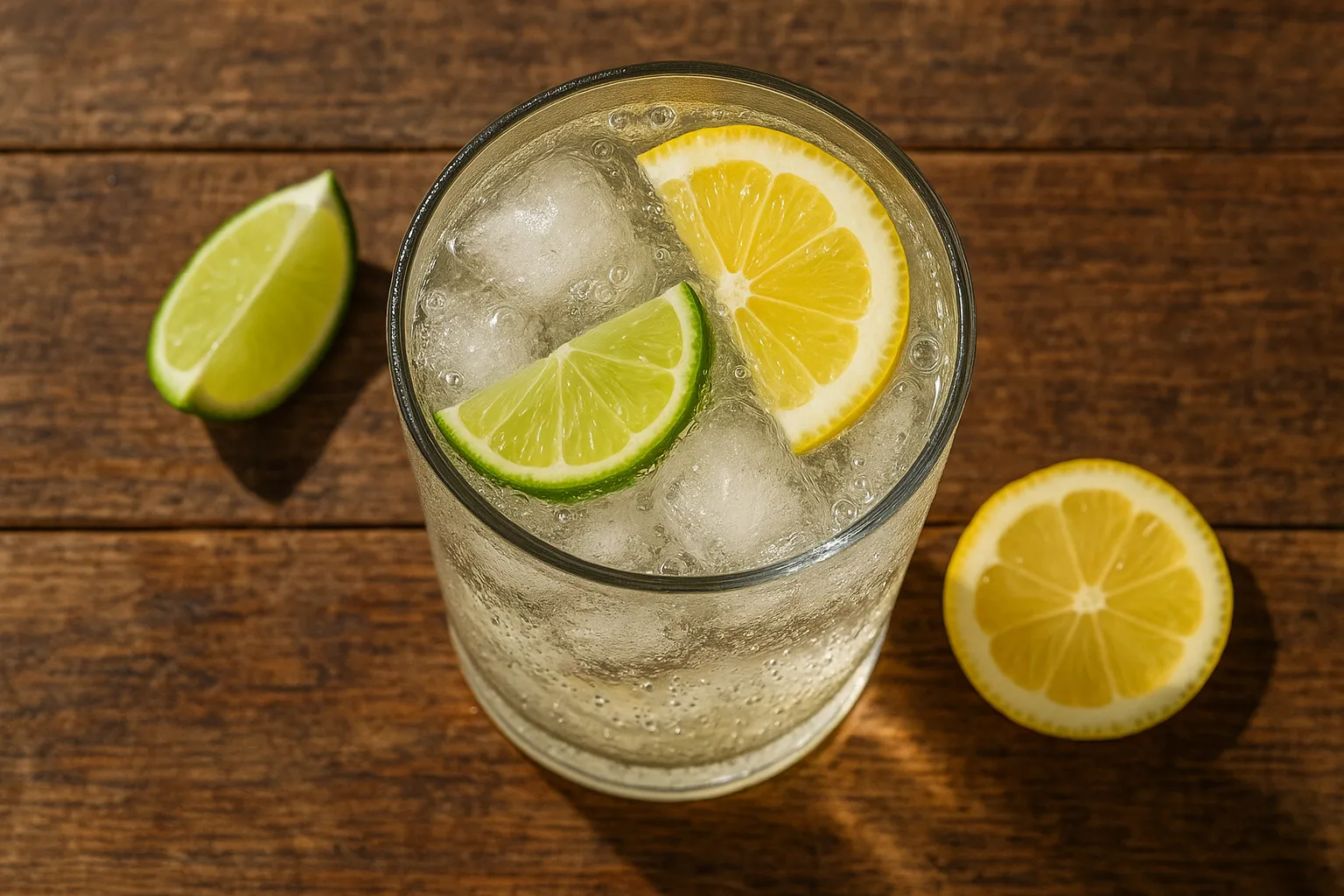
Quick Nutrition Facts
Per 330ml Can (Standard)
| Nutrient | Amount |
|---|---|
| Calories | 140 kcal |
| Protein | 0g |
| Carbohydrates | 39g |
| Fiber | 0g |
| Sugars | 39g |
| Fat | 0g |
| Sodium | 40mg |
| Potassium | 0mg |
| Vitamin C | 0mg |
| Calcium | 0mg |
Macronutrient Breakdown
 ChatGPT
  Claude
  AI Mode
  Perplexity
NUTRITIONIST INSIGHT
Lemon-lime soda provides 39g sugar (10 teaspoons) per can with zero nutrients. These empty liquid calories don't provide satiety and rapidly spike blood sugar. Consider sparkling water with fresh lemon for similar refreshment without health risks.
Myth Busters
MYTH #1: Lemon-Lime Soda Is Better Than Cola Because It's Clear
TRUTH: Color doesn't determine healthiness. Lemon-lime soda contains similar sugar levels (39g) and empty calories (140) as cola. Both lack nutrients and have negative health impacts. Sugar content matters more than color.
MYTH #2: Soda Helps with Digestion
TRUTH: While carbonation may provide temporary relief from nausea, the high sugar content actually disrupts gut bacteria and can worsen digestive issues. Ginger tea or plain sparkling water are better digestive aids.
MYTH #3: Diet Soda Is Completely Healthy
TRUTH: Diet versions eliminate sugar but use artificial sweeteners that may increase sweet cravings and alter gut bacteria. Long-term health effects remain debated. Water remains the healthiest choice.
MYTH #4: Natural Flavors Make It Healthier
TRUTH: "Natural flavors" are chemically extracted flavor compounds. The term doesn't mean nutritious or beneficial. The 39g sugar remains the primary concern, regardless of flavor source.
MYTH #5: Soda Provides Hydration Like Water
TRUTH: While technically hydrating, sugar and sodium content can increase thirst and promote fluid retention. Water is superior for hydration without added calories or blood sugar impact.
MYTH #6: One Can Per Day Won't Hurt
TRUTH: One daily can adds 51,100 calories yearly (equal to 6.6kg fat gain), increases diabetes risk by 26%, and leads to tooth decay. Regular consumption has cumulative negative effects on metabolic health.
NutriScore by Health Goals
| Health Goal | NutriScore | Why This Score? |
|---|---|---|
| Weight Loss |  | 140 empty calories with 39g sugar provide no satiety. Liquid calories don't trigger fullness signals, leading to overconsumption. Avoid completely. |
| Muscle Gain | | Zero protein, zero nutrients. Empty sugar calories interfere with muscle recovery and promote fat storage. Choose protein shakes or milk instead. |
| Diabetes Management | | 39g sugar causes rapid blood sugar spike without fiber or protein. Extremely harmful for diabetics. Never consume. |
| PCOS Management | | High sugar worsens insulin resistance, a core PCOS issue. Promotes weight gain and hormonal imbalance. Completely avoid. |
| Pregnancy Nutrition | | Empty calories, high sugar increase gestational diabetes risk, excessive weight gain. Zero nutrients for fetal development. Not recommended. |
| Viral/Flu Recovery |  | Sugar suppresses immune function. While carbonation may ease nausea temporarily, ginger ale or herbal tea are better choices. |
PERSONALIZED NUTRITION
Track your meals with NutriScan to understand how sugary beverages impact your daily calorie and sugar intake!
Blood Sugar Response to Lemon-Lime Soda
Understanding how soda affects blood glucose reveals why it's particularly harmful for metabolic health.
Typical Glucose Response Curve
This chart shows typical blood glucose response for general healthy individuals. Individual responses may vary. Not medical advice.
Why the Spike Is So Harmful
Liquid sugar in soda absorbs rapidly without fiber or protein to slow absorption, causing:
- ⚡ Rapid insulin surge - Pancreas overworks to manage sugar flood
- 🔄 Energy crash - Sharp drop after spike causes fatigue and hunger
- 📈 Fat storage - Excess glucose converts to liver fat and body fat
- 🧬 Insulin resistance - Repeated spikes lead to type 2 diabetes risk
Better beverage choices that won't spike blood sugar:
- 💧 Plain water or sparkling water - Zero impact on blood sugar
- 🍋 Water with fresh lemon/lime - Minimal sugar, vitamin C boost
- 🥥 Unsweetened coconut water - Natural electrolytes, 6g sugar per cup
- 🍵 Unsweetened iced tea - Antioxidants without sugar
Cultural Significance
Lemon-lime sodas became popular in the early 20th century as mass-produced carbonated beverages.
In India:
- Often consumed at parties, celebrations, and as mixer with alcohol
- Street vendors offer "soda-lemon" (sparkling water with fresh lemon, salt) as healthier alternative
- Popular brands include Sprite, 7UP, Limca (cloudy lemon)
- Increasingly replaced by traditional drinks: nimbu pani, coconut water, lassi
Global Impact:
- Billion-dollar industry contributing to global obesity epidemic
- WHO and health organizations recommend limiting consumption
- Growing awareness of health risks driving demand for sugar-free alternatives
- Rising popularity of flavored sparkling waters as healthier substitutes
Health Movement:
- Many schools and hospitals now ban sugary sodas
- Sugar taxes implemented in multiple countries to reduce consumption
- Bottled water has surpassed soda sales in many markets
Compare & Substitute
Lemon-Lime Soda vs Beverage Alternatives (Per 330ml)
| Nutrient | 🥤 Lemon-Lime Soda | 💧 Sparkling Water with Lemon | 🍋 Nimbu Pani (Homemade) | 🥥 Coconut Water |
|---|---|---|---|---|
| Calories | 140 kcal | 0 kcal | 40 kcal | 60 kcal |
| Carbs | 39g | 0g | 10g | 15g |
| Sugars | 39g (added) | 0g | 8g (controllable) | 12g (natural) |
| Sodium | 40mg | 0mg | 180mg (salt) | 250mg |
| Potassium | 0mg | 0mg | 50mg | 600mg |
| Vitamin C | 0mg | 15mg (from lemon) | 25mg | 5mg |
| Added Sugar | 10 tsp | 0 tsp | 2 tsp (adjustable) | 0 tsp |
| Best For | Occasional treat only | Hydration, zero calories | Refreshing drink, controllable sugar | Electrolytes post-workout |
Frequently Asked Questions
Is lemon-lime soda good for weight loss?
No, absolutely not. Lemon-lime soda is one of the worst beverages for weight loss.
Why it sabotages weight loss:
- 140 empty calories per can add up quickly (1 daily can = 6.6kg fat gain per year)
- 39g sugar (10 teaspoons) with zero fiber or nutrients
- Liquid calories don't provide satiety or fullness signals
- Sugar triggers insulin response promoting fat storage
- Often consumed in addition to regular meals, not as replacement
Better alternatives: Water, sparkling water with lemon, unsweetened tea, black coffee, or nimbu pani with 1 tsp sugar.
Can diabetics drink lemon-lime soda?
No, diabetics should completely avoid regular lemon-lime soda. With 39g pure sugar and zero fiber or protein, it causes dangerous blood sugar spikes.
Diabetic considerations:
- One can contains 156% of recommended daily sugar for diabetics (25g)
- Rapid sugar absorption overwhelms blood sugar control
- Increases long-term diabetes complications risk
- Regular soda consumption linked to 26% higher diabetes risk
Alternatives: Diet soda (sugar-free with artificial sweeteners), sparkling water with lemon, unsweetened tea. However, water remains the best choice.
How much sugar is in lemon-lime soda?
A 330ml can contains 39g of sugar, equivalent to approximately 10 teaspoons. This is 156% of the World Health Organization's recommended daily sugar limit for adults (25g maximum).
Sugar comparison:
- 1 can = 10 tsp sugar = 3-4 small laddoos worth of sugar
- 1 can exceeds daily sugar limit by 56%
- Drinking 2 cans daily = 78g sugar (312% of daily limit)
All sugar is added/processed; none comes from natural fruit sources.
What are the health effects of drinking lemon-lime soda regularly?
Regular consumption (1+ cans daily) leads to serious health consequences:
- Weight Gain: 51,100 extra calories yearly equals 6.6kg fat gain
- Type 2 Diabetes Risk: 26% increased risk from daily consumption
- Tooth Decay: Acidic pH (3.0-3.5) and sugar erode enamel
- Fatty Liver Disease: Fructose preferentially converts to liver fat
- Heart Disease: 20% higher cardiovascular disease risk
- Insulin Resistance: Repeated blood sugar spikes lead to metabolic dysfunction
- Bone Weakness: Phosphoric acid interferes with calcium absorption
What are healthier alternatives to lemon-lime soda?
Zero-calorie options:
- Sparkling water with fresh lemon or lime - Refreshing, zero sugar, vitamin C boost
- Infused water (cucumber, mint, citrus) - Natural flavor without calories
- Unsweetened iced tea (green, black, herbal) - Antioxidants without sugar
- Black coffee or cold brew - Metabolism boost, zero calories
Low-calorie options:
- Homemade nimbu pani (lemon water) with 1 tsp sugar - 40 calories, controllable sweetness
- Coconut water - 60 calories per 330ml, natural electrolytes and potassium
- Kombucha (unsweetened) - 30-50 calories, probiotics for gut health
Occasional treats:
- Diet soda (sugar-free) - Zero sugar but contains artificial sweeteners
- Diluted fruit juice (1 part juice: 3 parts sparkling water) - Reduced sugar
Is diet lemon-lime soda a good alternative?
Diet versions are better for blood sugar control but not ideal long-term.
Pros:
- Zero sugar and zero calories
- Won't spike blood sugar or contribute to diabetes risk
- Suitable for diabetics in moderation
Cons:
- Artificial sweeteners may increase sweet cravings
- Possible gut bacteria disruption
- Acidic pH still erodes tooth enamel
- Long-term health effects remain uncertain
- Doesn't address underlying habit of drinking sweet beverages
Verdict: Better than regular soda but water-based drinks remain healthiest choice. If transitioning from regular soda, diet versions can be temporary bridge.
Can lemon-lime soda help with nausea or upset stomach?
Limited temporary relief, but not recommended as treatment.
Why people think it helps:
- Carbonation may ease nausea temporarily
- Cold temperature can be soothing
- Psychological comfort from familiar taste
Why it's not ideal:
- Sugar can worsen digestive issues and disrupt gut bacteria
- Carbonation may increase bloating for some people
- Zero nutritional value during recovery
Better alternatives for nausea:
- Ginger tea or ginger ale (check for real ginger, lower sugar versions)
- Plain sparkling water - Carbonation benefit without sugar
- Herbal tea (peppermint, chamomile) - Soothing without calories
- Coconut water - Electrolytes for hydration
How does lemon-lime soda compare to fruit juice?
Both contain high sugar, but juice has some nutritional value.
Lemon-Lime Soda (330ml):
- 140 calories, 39g added sugar (processed)
- Zero vitamins, minerals, or fiber
- 100% empty calories
Orange Juice (330ml):
- 150 calories, 33g natural sugar
- Vitamin C (100% DV), folate, potassium
- Some beneficial plant compounds
Verdict: Neither is ideal for regular consumption due to high sugar content. However, whole fruit is always superior to juice because fiber slows sugar absorption. Limit both soda and juice; choose whole fruits and water instead.


Similar Nutritious Beverages
4505 Chicharrones Classic Chili Salt
7 Eleven Japan Crispy Corn Cheese
Explore More Nutrition Tools & Resources
AI Calorie Counter App - Snap a Photo, Get Macros
AI Nutritionist App That Reads Your Logged Meals
Best Protein Supplements for Women
Bulking Meal Plan App That Sets Your Surplus
ChatGPT Calorie Counter Alternative That Keeps the Total
ChatGPT Diet Plan Alternative That Tracks What You Eat
ChatGPT Weight Loss Coach Alternative With a Food Log
Fast Food Calorie Counter App That Reads the Tray
Free Calorie Tracker App with AI Photo Scans | NutriScan
Indian Diet Plan App With Veg and Non Veg Meals
Indian Food Calorie Calculator - Get Instant Nutrition Facts for Desi Meals — 2026
Intermittent Fasting for Women, Timer and Meal Log App
Intermittent Fasting Tracker App - Free Fasting Timer
Macro Tracker App That Fills the Numbers From a Photo
Mediterranean Diet Meal Plan App That Counts the Oil
Micronutrient Tracker App for Vitamins and Minerals
MyFitnessPal Alternative That Stays Free | NutriScan
NutriScore App: A Free Grade on Every Meal | NutriScan
Nutrition Label Scanner App for the Amount You Ate
Second Trimester Protein Guide
Vegetarian Meal Plan App With a Protein Target
Voice Calorie Counter - Speak to Track Meals Hands-Free
Water and Calorie Tracker App - Free Water Log