Lemon Myrtle: Calories, Nutrition and Health Benefits
Australian native superfood with the highest citral content of all lemon herbs, packed with antioxidants and anti-inflammatory compounds.
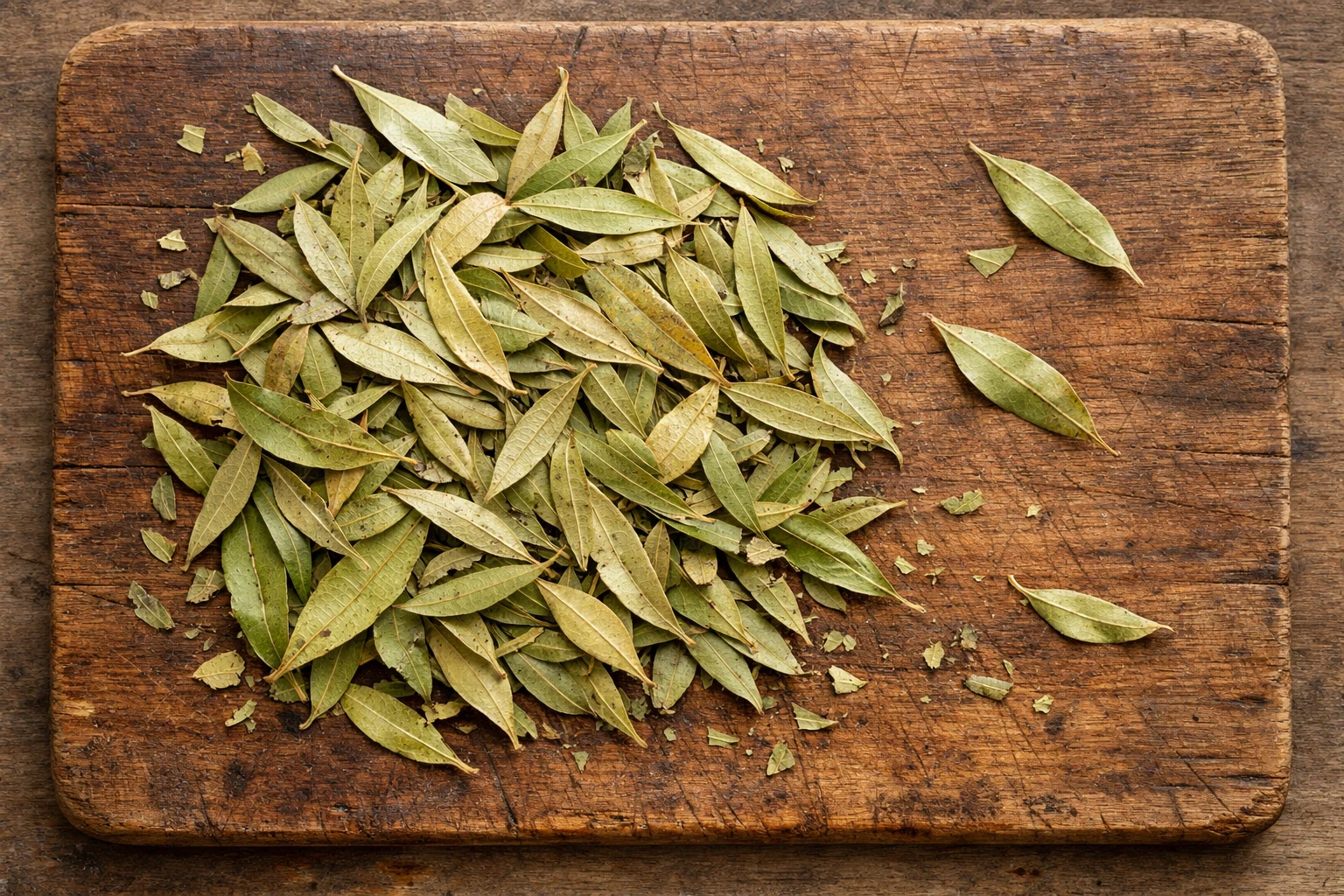
Quick Nutrition Facts
Per 100g Dried Leaves
| Nutrient | Amount |
|---|---|
| Calories | 280 kcal |
| Protein | 8g |
| Carbohydrates | 55g |
| Fiber | 12g |
| Sugars | 8g |
| Fat | 5g |
| Calcium | 1583mg |
| Iron | 5.77mg |
| Magnesium | 188mg |
| Polyphenols | 118.77mg |
Macronutrient Breakdown
 ChatGPT
  Claude
  AI Mode
  Perplexity
NUTRITIONIST INSIGHT
Lemon myrtle contains 90-98% citral in its essential oil, the highest among all lemon-scented herbs. This powerful compound delivers potent antioxidant and anti-inflammatory benefits with just a small amount.
Myth Busters
MYTH #1: All Lemon Herbs Are the Same
TRUTH: Lemon myrtle has 90-98% citral content, significantly higher than lemongrass (70-80%) and lemon balm (30-40%). This makes it the most potent natural source of citral, giving it superior antioxidant properties.
MYTH #2: Dried Herbs Have No Nutritional Value
TRUTH: Dried lemon myrtle retains high levels of polyphenols (118.77 mg/g) and flavonoids (14.53 mg/g). Research shows freeze-dried leaves maintain the highest antioxidant capacity, making dried lemon myrtle a concentrated source of beneficial compounds.
MYTH #3: Lemon Myrtle Is Just a Flavoring Herb
TRUTH: Lemon myrtle exhibits significant anti-inflammatory properties, suppressing pro-inflammatory cytokines like IL-6 and TNF-α. Indigenous Australians have used it medicinally for 40,000 years to treat colds, coughs, and wounds.
MYTH #4: Only the Leaves Are Useful
TRUTH: While leaves are most commonly used, lemon myrtle essential oil contains antimicrobial properties discovered in the 1920s. The entire plant has been utilized in traditional medicine, with leaves used for food flavoring and healing pastes.
MYTH #5: Lemon Myrtle Is High in Calories for Daily Use
TRUTH: Despite 280 calories per 100g dried, you typically use only 1-2 leaves (less than 1g) for tea or flavoring, contributing minimal calories. When used as intended, it's a low-calorie way to add intense lemon flavor and health benefits.
MYTH #6: Herbal Teas Have No Real Health Benefits
TRUTH: Citral in lemon myrtle demonstrates anti-cancer properties, suppressing growth and invasion of breast cancer cells in research studies. The high polyphenol content provides measurable antioxidant and anti-inflammatory effects.
NutriScore by Health Goals
| Health Goal | NutriScore | Why This Score? |
|---|---|---|
| Weight Loss |  | Zero calories when used as tea (1-2 leaves), high antioxidants support metabolism. Use as calorie-free flavoring. |
| Muscle Gain |  | Limited direct muscle-building nutrients, but anti-inflammatory properties may aid recovery. Use as post-workout tea. |
| Diabetes Management | | Minimal impact on blood sugar when used as herb. Citral may improve insulin sensitivity. Safe for diabetic diets. |
| PCOS Management |  | Anti-inflammatory properties help manage PCOS inflammation. Use as daily tea without sugar. |
| Pregnancy Nutrition | | Limited research on pregnancy safety. While used traditionally in small amounts, consult doctor before regular use. |
| Viral/Flu Recovery | | High antioxidants and antimicrobial properties support immune function. Traditional remedy for colds and respiratory issues. |
PERSONALIZED NUTRITION
Track your meals with NutriScan for personalized NutriScores based on your specific health goals!
Blood Sugar Response to Lemon Myrtle
When used as a culinary herb or tea (1-2 dried leaves), lemon myrtle has minimal impact on blood glucose due to the tiny serving size.
Typical Glucose Response Curve
This chart shows typical blood glucose response when lemon myrtle is used as intended (herbal tea or flavoring). Individual responses may vary. Not medical advice.
How to Use for Blood Sugar Benefits
Citral compounds may improve insulin sensitivity and reduce inflammation associated with metabolic disorders:
- 🍵 Herbal tea - Steep 1-2 leaves in hot water, no sugar
- 🐟 Fish or chicken flavoring - Adds intense lemon flavor without carbs
- 🥗 Salad dressing infusion - Mix with olive oil for antioxidant boost
- 🍋 Lemon water alternative - Natural citrus flavor with added polyphenols
This herb provides flavor and health benefits without affecting blood sugar when used in typical culinary amounts.
Cultural Significance
Lemon myrtle (Backhousia citriodora) is a native Australian tree from the subtropical rainforests of Queensland, scientifically recognized in 1853.
In Indigenous Australian Culture:
- Used by First Nations Australians for 40,000 years for medicinal and culinary purposes
- Wrapped in paperbark to flavor fish dishes in traditional cooking
- Leaves crushed and inhaled to treat headaches and respiratory issues
- Made into antiseptic paste for wound healing
- Burned on campfires as natural insect repellent
Modern Recognition:
- Called "Queen of the lemon herbs" for its superior citral content
- In 1920, discovered to have antimicrobial properties when steam-distilled
- Now recognized as Australian superfood with global culinary applications
- Sustainable native crop supporting indigenous communities
Compare & Substitute
Lemon Myrtle vs Similar Herbs (Per 100g Dried)
| Nutrient | 🍃 Lemon Myrtle | 🌿 Lemongrass | 🍵 Lemon Balm | 🌱 Mint |
|---|---|---|---|---|
| Calories | 280 kcal | 99 kcal | 49 kcal | 70 kcal |
| Carbs | 55g | 25g | 8g | 14g |
| Fiber | 12g | 2g | 3g | 8g |
| Protein | 8g | 1.8g | 3.7g | 3.8g |
| Fat | 5g | 0.5g | 4.5g | 0.9g |
| Calcium | 1583mg | 65mg | 217mg | 243mg |
| Iron | 5.77mg | 8.2mg | 20mg | 5.1mg |
| Citral Content | 90-98% | 70-80% | 30-40% | 0% |
| Best For | Strongest lemon flavor, highest antioxidants | Asian cuisine, digestive tea | Calming tea, mild lemon | Digestive aid, fresh breath |
Frequently Asked Questions
What are the main health benefits of lemon myrtle?
Lemon myrtle contains powerful antioxidants with proven health benefits. It provides 118.77 mg/g of polyphenols and 14.53 mg/g of flavonoids, delivering strong antioxidant and anti-inflammatory effects.
Key Benefits:
- Anti-Inflammatory: Suppresses IL-6 and TNF-α inflammatory markers
- Antioxidant Power: DPPH radical scavenging (IC50: 42.57 μg/mL)
- Immune Support: Antimicrobial and antiviral properties
- Digestive Health: Traditional remedy for digestive issues
- Respiratory Support: Helps clear airways and reduce coughs
Is lemon myrtle safe during pregnancy?
Limited scientific research exists specifically on lemon myrtle consumption during pregnancy. While traditionally used in small culinary amounts by indigenous Australians, pregnant women should exercise caution with herbal teas.
Recommendations:
- Consult healthcare provider before regular consumption
- Safe in small amounts for cooking (1-2 leaves occasionally)
- Avoid concentrated essential oils during pregnancy
- No documented adverse effects in traditional use
Always prioritize medical advice over general recommendations.
How much citral is in lemon myrtle compared to other herbs?
Lemon myrtle contains the highest citral concentration of any lemon-scented herb, making it exceptionally potent for flavor and health benefits.
Citral Content Comparison:
- Lemon Myrtle: 90-98% citral
- Lemongrass: 70-80% citral
- Lemon Balm: 30-40% citral
- Lemon Verbena: 30-35% citral
This superior citral content gives lemon myrtle more intense lemon flavor and stronger antioxidant properties than any alternative.
Can I use lemon myrtle for cooking?
Yes! Lemon myrtle has been used in Australian cuisine for 40,000 years and works beautifully in modern cooking. The intense lemon flavor means you need only small amounts.
Cooking Tips:
- Fish: Wrap 2-3 leaves with fish in paperbark or foil
- Tea: Steep 1-2 dried leaves for 5-7 minutes
- Desserts: Infuse cream or sugar with 3-4 leaves
- Chicken: Rub crushed leaves under skin before roasting
- Start small: Flavor is very concentrated
Remove leaves before serving or use in tea infusers.
Does lemon myrtle help with diabetes?
While specific research on lemon myrtle and diabetes is limited, its properties suggest benefits for blood sugar management when used as a low-calorie herb.
Diabetes-Friendly Qualities:
- Zero glycemic impact when used as tea or flavoring (1-2 leaves)
- Citral compounds may improve insulin sensitivity
- Anti-inflammatory properties benefit metabolic health
- Replaces high-sugar flavorings in cooking
Best Practices: Use as unsweetened tea, monitor blood sugar response, consult your healthcare provider, and avoid adding sugar or sweeteners.
What's the difference between lemon myrtle and lemongrass?
Despite similar lemon flavors, lemon myrtle and lemongrass are completely different plants with distinct characteristics.
Lemon Myrtle (Backhousia citriodora):
- Australian native tree from Queensland rainforests
- 90-98% citral content (highest available)
- Sweeter, more intense lemon flavor
- Used as dried leaves or essential oil
- Higher antioxidant content
Lemongrass (Cymbopogon citratus):
- Southeast Asian grass
- 70-80% citral content
- More herbal, grassy undertones
- Used fresh or dried stalks
- Common in Thai and Vietnamese cuisine
Cooking: Lemon myrtle needs less quantity due to stronger flavor. Lemongrass works better in savory Asian dishes, while lemon myrtle excels in Australian and fusion cuisine.
How many lemon myrtle leaves should I use daily?
Lemon myrtle is potent, so small amounts provide significant flavor and health benefits without excess calories.
General Guidelines:
- Tea: 1-2 dried leaves per cup (steep 5-7 minutes)
- Cooking: 2-4 leaves for fish, chicken, or desserts
- Daily Maximum: 3-4 cups of tea or equivalent in cooking
Avoid excess: While generally safe, very high doses of essential oil may cause digestive upset. Stick to culinary amounts for daily use.
Track your herbs and spices with NutriScan app to see how lemon myrtle fits your nutrition goals.
Can I make lemon myrtle tea every day?
Yes! Daily lemon myrtle tea is safe and beneficial for most people when consumed in moderate amounts (1-3 cups daily).
Daily Tea Benefits:
- Antioxidant boost: High polyphenol intake
- Anti-inflammatory: Reduces inflammation markers
- Digestive support: Traditional remedy for upset stomach
- Immune function: Antimicrobial properties
- Calorie-free: When unsweetened
Precautions:
- Start with 1 cup daily to assess tolerance
- Pregnant/nursing: consult healthcare provider first
- Medication interactions: discuss with doctor if on blood thinners
- Allergies: rare but possible in those sensitive to myrtaceae family
Brew fresh daily for best flavor and potent health benefits.


Similar Nutritious Foods
4505 Chicharrones Classic Chili Salt
7 Eleven Japan Crispy Corn Cheese
Explore More Nutrition Tools & Resources
AI Calorie Counter App - Snap a Photo, Get Macros
AI Nutritionist App That Reads Your Logged Meals
Best Protein Supplements for Women
Bulking Meal Plan App That Sets Your Surplus
ChatGPT Calorie Counter Alternative That Keeps the Total
ChatGPT Diet Plan Alternative That Tracks What You Eat
ChatGPT Weight Loss Coach Alternative With a Food Log
Fast Food Calorie Counter App That Reads the Tray
Free Calorie Tracker App with AI Photo Scans | NutriScan
Indian Diet Plan App With Veg and Non Veg Meals
Indian Food Calorie Calculator - Get Instant Nutrition Facts for Desi Meals — 2026
Intermittent Fasting for Women, Timer and Meal Log App
Intermittent Fasting Tracker App - Free Fasting Timer
Macro Tracker App That Fills the Numbers From a Photo
Mediterranean Diet Meal Plan App That Counts the Oil
Micronutrient Tracker App for Vitamins and Minerals
MyFitnessPal Alternative That Stays Free | NutriScan
NutriScore App: A Free Grade on Every Meal | NutriScan
Nutrition Label Scanner App for the Amount You Ate
Second Trimester Protein Guide
Vegetarian Meal Plan App With a Protein Target
Voice Calorie Counter - Speak to Track Meals Hands-Free
Water and Calorie Tracker App - Free Water Log