Lemon Slice: Calories, Nutrition and Health Benefits
Nature's ultimate low-calorie flavor enhancer packed with vitamin C, antioxidants, and powerful digestive support for every health goal.
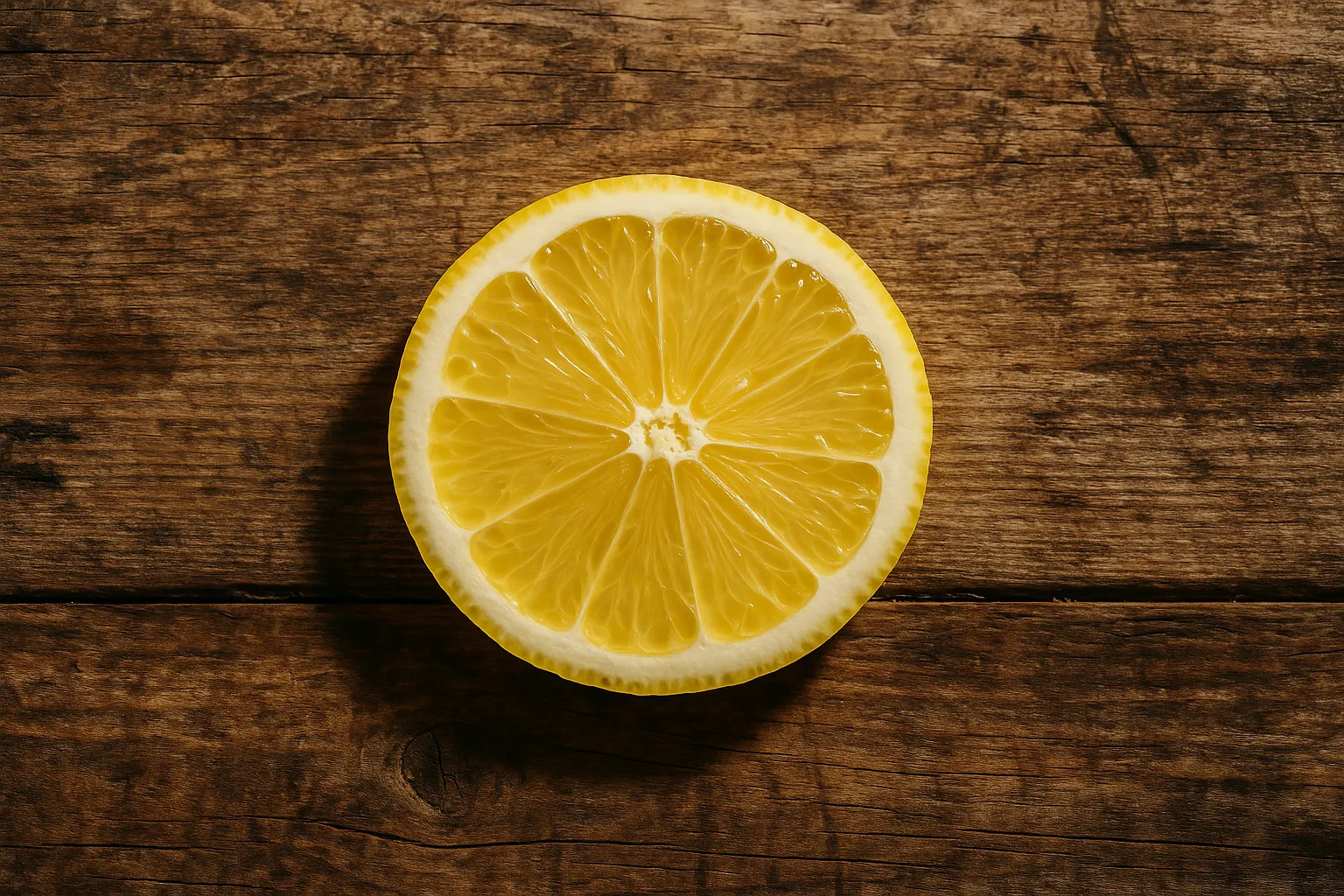
Quick Nutrition Facts
Per 1 Lemon Slice (10g)
| Nutrient | Amount |
|---|---|
| Calories | 3 kcal |
| Protein | 0.1g |
| Carbohydrates | 1g |
| Fiber | 0.3g |
| Sugars | 0.2g |
| Fat | 0g |
| Vitamin C | 5mg |
| Potassium | 14mg |
| Calcium | 2.6mg |
| Citric Acid | 0.5g |
Macronutrient Breakdown
 ChatGPT
  Claude
  AI Mode
  Perplexity
NUTRITIONIST INSIGHT
Lemon slices provide powerful antioxidants and vitamin C with virtually zero calories. The citric acid aids digestion and may enhance iron absorption from plant-based foods when consumed together.
Myth Busters
MYTH #1: Lemon Water Burns Fat
TRUTH: Lemon water doesn't directly burn fat, but it supports weight loss by promoting hydration, increasing satiety, and providing vitamin C, which is essential for fat metabolism. The real benefit comes from replacing sugary drinks.
MYTH #2: Lemon Juice Alkalizes Your Body
TRUTH: While lemon juice has an alkaline effect on urine pH after metabolism, it doesn't significantly change blood pH. The body tightly regulates blood pH regardless of diet. However, lemon's citrate may help prevent kidney stones.
MYTH #3: Hot Lemon Water Destroys Vitamin C
TRUTH: While vitamin C degrades with heat, warm lemon water (not boiling) retains most vitamin C. Water at 60-70°C preserves 80-90% of vitamin C. Cold or room temperature is best, but warm lemon water still provides benefits.
MYTH #4: Lemon Water Damages Tooth Enamel
TRUTH: Excessive direct contact with citric acid can erode enamel, but occasional lemon water is safe. Protective measures include using a straw, rinsing with plain water after drinking, and waiting 30 minutes before brushing.
MYTH #5: Lemon Cures Acidity and Heartburn
TRUTH: Mixed evidence. While some people find relief, citric acid can trigger acid reflux in GERD patients. If you have GERD, monitor your response or avoid lemon on empty stomach.
MYTH #6: You Need to Drink Lemon Water First Thing in Morning
TRUTH: No specific timing is required. While morning lemon water is beneficial for hydration after sleep, you can drink it anytime. Choose timing that fits your routine and doesn't cause digestive discomfort.
NutriScore by Health Goals
| Health Goal | NutriScore | Why This Score? |
|---|---|---|
| Weight Loss |  | Only 3 calories per slice, enhances water flavor to reduce sugary drink consumption, vitamin C supports fat metabolism. |
| Muscle Gain |  | Minimal protein/carbs for muscle building, but vitamin C aids collagen synthesis for connective tissue. Use as flavor enhancer. |
| Diabetes Management | | Near-zero glycemic impact, citric acid may slow glucose absorption from meals, promotes hydration without sugar. |
| PCOS Management | | Zero-calorie flavor option, vitamin C reduces inflammation, no impact on insulin levels, supports detoxification. |
| Pregnancy Nutrition |  | Vitamin C aids iron absorption, supports immunity, helps with morning nausea. Limit to 1-2 lemons daily. |
| Viral/Flu Recovery | | High vitamin C boosts immunity, citric acid provides antimicrobial effects, promotes hydration for faster recovery. |
PERSONALIZED NUTRITION
Track your meals with NutriScan for personalized NutriScores based on your specific health goals!
Blood Sugar Response to Lemon Slice
Lemon slices have virtually no impact on blood glucose levels, making them an excellent addition for all dietary patterns.
Typical Glucose Response Curve
This chart shows typical blood glucose response. Lemon has near-zero glycemic impact. Individual responses may vary. Not medical advice.
How Lemon Helps Control Blood Sugar
Research suggests citric acid may slow glucose absorption when consumed with carbohydrate-rich meals:
- 🍚 Add lemon to rice dishes - Citric acid may reduce glycemic response
- 🥗 Lemon dressing on salads - Enhances iron absorption while slowing sugar absorption
- ☕ Lemon tea instead of sweetened beverages - Zero-calorie hydration
- 🐟 Lemon with meals - Aids digestion and may moderate blood sugar spikes
This makes lemon an excellent addition to meals for improved metabolic health without any negative glycemic impact.
Cultural Significance
Lemons have been cultivated for over 2,500 years, originating in Northeast India, Northern Myanmar, and China.
In India:
- Sacred in Hindu rituals, used to ward off negative energy (nimbu-mirchi totka)
- Ayurveda uses lemons for digestive health and detoxification
- Essential in South Indian cuisine (rasam, sambar, lemon rice)
- Traditional remedy for sore throat (honey-lemon mix)
Global Impact:
- Ancient Romans used lemons as antidote to poisons
- British sailors consumed lemon juice to prevent scurvy (hence "limeys")
- Middle Eastern cuisine features preserved lemons as staple ingredient
- Modern science validates traditional uses with vitamin C and antioxidant research
Compare & Substitute
Lemon Slice vs Similar Citrus (Per 100g)
| Nutrient | 🍋 Lemon | 🍊 Orange | 🍈 Lime | 🍊 Grapefruit |
|---|---|---|---|---|
| Calories | 29 kcal | 47 kcal | 30 kcal | 42 kcal |
| Carbs | 9g | 12g | 11g | 11g |
| Fiber | 2.8g | 2.4g | 2.8g | 1.6g |
| Protein | 1.1g | 0.9g | 0.7g | 0.8g |
| Fat | 0.3g | 0.1g | 0.2g | 0.1g |
| Vitamin C | 53mg | 53mg | 29mg | 31mg |
| Sugar | 2.5g | 9g | 1.7g | 7g |
| Potassium | 138mg | 181mg | 102mg | 135mg |
| Best For | Digestive health, weight loss | Immune support, fiber | Culinary use, beverages | Weight loss, antioxidants |
Frequently Asked Questions
How many calories are in a lemon slice?
A single lemon slice (approximately 10g) contains only 3 calories, making it an excellent low-calorie addition to water, tea, or meals. A whole medium lemon (58g) has about 17 calories.
Lemon in different forms:
- 1 lemon slice (10g): 3 calories
- 1 medium lemon (58g): 17 calories
- 1 tablespoon lemon juice (15ml): 4 calories
- 100g lemon: 29 calories
Is lemon water good for weight loss?
Yes, lemon water can support weight loss as part of a healthy diet. While it doesn't directly burn fat, it provides several benefits: promotes hydration with flavor; increases satiety before meals; provides vitamin C essential for fat metabolism; zero-calorie alternative to sugary drinks.
Best practices: Drink 1 glass (250ml) with 1/2 lemon in the morning on empty stomach; use it to replace high-calorie beverages; drink before meals to enhance fullness; combine with a calorie deficit diet.
Research shows proper hydration supports metabolism and appetite control, and lemon makes water more palatable.
Can diabetics eat lemon?
Yes, lemons are excellent for diabetics. With a glycemic index near zero and only 2.5g sugar per 100g, lemons have minimal impact on blood glucose.
Benefits for diabetics: No blood sugar spike; citric acid may slow glucose absorption from other foods; vitamin C reduces oxidative stress common in diabetes; promotes hydration without added sugars.
Usage tips: Add lemon to water, tea, or meals freely; use lemon juice on salads, fish, chicken; drink lemon water before high-carb meals; no restriction needed on quantity.
Always monitor blood sugar and consult your healthcare provider.
How much vitamin C is in a lemon slice?
One lemon slice (10g) provides approximately 5mg of vitamin C, which is about 6% of your daily requirement (recommended 75-90mg for adults).
Vitamin C content:
- 1 lemon slice (10g): 5mg (6% DV)
- 1 medium lemon (58g): 30mg (33% DV)
- 1 tablespoon lemon juice: 6mg (7% DV)
- 100g lemon: 53mg (59% DV)
For reference, oranges have similar vitamin C content (53mg per 100g), but lemons are used more for flavoring in smaller quantities.
Is it good to drink lemon water every day?
Yes, drinking lemon water daily is generally safe and beneficial for most people. Daily benefits include: hydration support; vitamin C intake; digestive enzyme stimulation; alkaline effect on urine (may prevent kidney stones); antioxidant support.
Best practices: Use 1/2 to 1 lemon per glass; drink through a straw to protect tooth enamel; rinse mouth with plain water after drinking; wait 30 minutes before brushing teeth; avoid if you have GERD or acid reflux.
Most people can safely consume 1-2 lemons daily without issues. Excessive consumption (4+ lemons daily) may cause enamel erosion or digestive upset.
Can lemon help with digestion?
Yes, lemon juice supports digestive health in several ways. The citric acid stimulates stomach acid production for better protein digestion; digestive enzymes are activated; bile production is encouraged; bloating and gas are reduced; constipation may be relieved.
How to use for digestion: Drink warm lemon water 15-30 minutes before meals; add lemon juice to protein-rich meals; use lemon dressing on salads; drink lemon tea after heavy meals.
However, avoid if you have acid reflux or GERD, as citric acid may worsen symptoms. For most people, lemon supports healthy digestion.
Does lemon water detox your body?
Not in the way marketing claims suggest. Your liver and kidneys naturally detoxify your body; lemon doesn't "cleanse" or remove toxins. However, lemon water does support your body's natural processes: vitamin C supports liver function; promotes hydration for kidney function; provides antioxidants to combat oxidative stress; encourages increased water intake.
The truth: There's no need for extreme lemon detox cleanses; regular lemon water as part of a balanced diet is beneficial; focus on overall healthy eating rather than "detox" protocols; proper hydration with or without lemon supports natural detoxification.
Drink lemon water as a healthy habit, not as a magical detox solution.
Can I drink lemon water on an empty stomach?
Yes, most people can safely drink lemon water on an empty stomach. Many find it beneficial: promotes morning hydration after sleep; may stimulate digestive enzymes; provides vitamin C to start the day; helps establish a healthy morning routine.
May want to avoid if you have: Acid reflux/GERD (citric acid may trigger symptoms); sensitive stomach or gastritis; dental sensitivity (use a straw).
Best practice: Start with diluted lemon water (1/4 lemon in 250ml water); observe how your body responds; gradually increase if tolerated; always rinse mouth with plain water after; consider lukewarm rather than cold water for gentler digestion.


Similar Nutritious Foods
4505 Chicharrones Classic Chili Salt
7 Eleven Japan Crispy Corn Cheese
Explore More Nutrition Tools & Resources
AI Calorie Counter App - Snap a Photo, Get Macros
AI Nutritionist App That Reads Your Logged Meals
Best Protein Supplements for Women
Bulking Meal Plan App That Sets Your Surplus
ChatGPT Calorie Counter Alternative That Keeps the Total
ChatGPT Diet Plan Alternative That Tracks What You Eat
ChatGPT Weight Loss Coach Alternative With a Food Log
Fast Food Calorie Counter App That Reads the Tray
Free Calorie Tracker App with AI Photo Scans | NutriScan
Indian Diet Plan App With Veg and Non Veg Meals
Indian Food Calorie Calculator - Get Instant Nutrition Facts for Desi Meals — 2026
Intermittent Fasting for Women, Timer and Meal Log App
Intermittent Fasting Tracker App - Free Fasting Timer
Macro Tracker App That Fills the Numbers From a Photo
Mediterranean Diet Meal Plan App That Counts the Oil
Micronutrient Tracker App for Vitamins and Minerals
MyFitnessPal Alternative That Stays Free | NutriScan
NutriScore App: A Free Grade on Every Meal | NutriScan
Nutrition Label Scanner App for the Amount You Ate
Second Trimester Protein Guide
Vegetarian Meal Plan App With a Protein Target
Voice Calorie Counter - Speak to Track Meals Hands-Free
Water and Calorie Tracker App - Free Water Log