Lingonberry Jam: Calories, Nutrition and Health Benefits
Scandinavia's beloved wild berry preserve packed with powerful antioxidants, natural tartness, and traditional health benefits for modern nutrition goals.
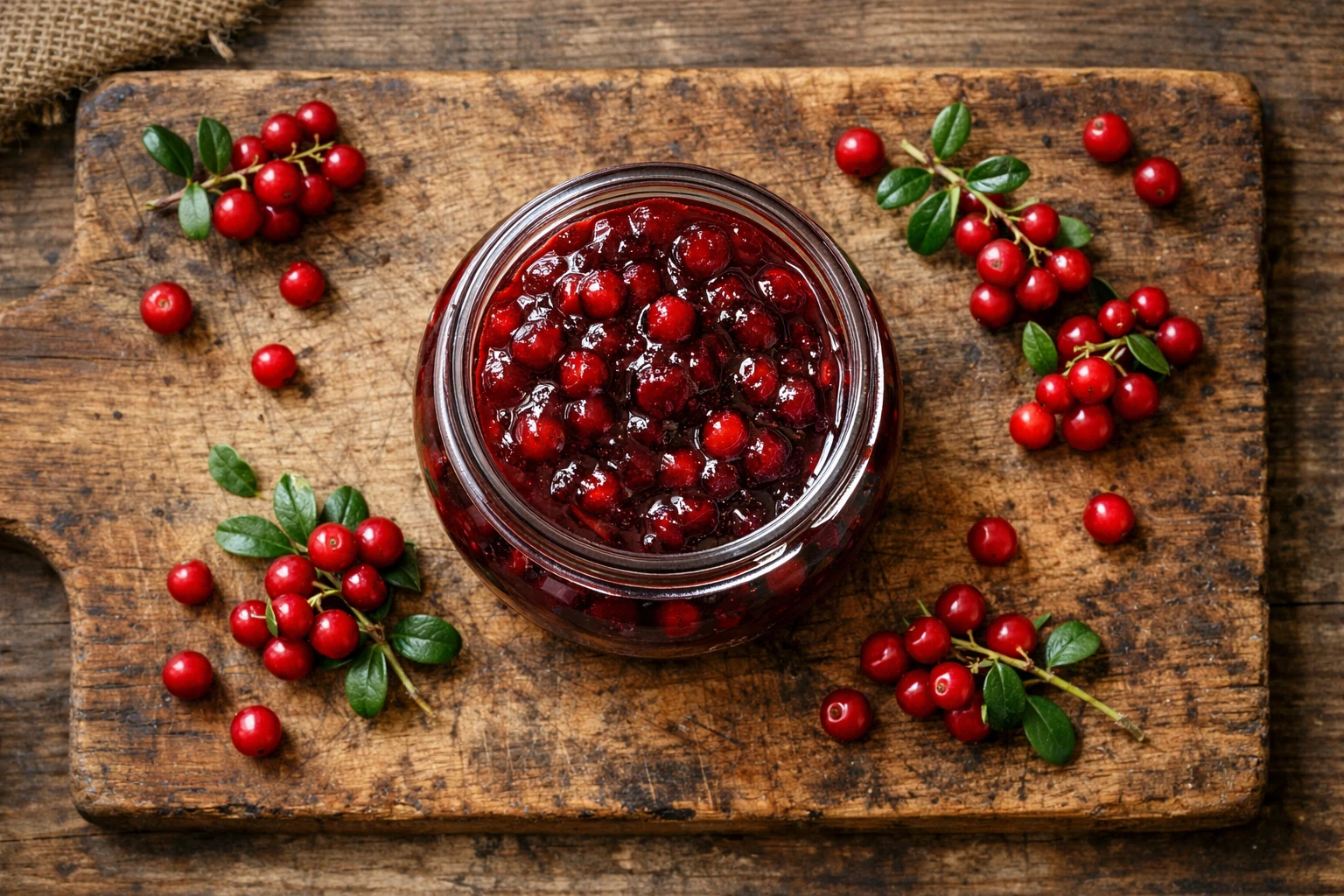
Quick Nutrition Facts
Per 2 Tablespoons (50g)
| Nutrient | Amount |
|---|---|
| Calories | 140 kcal |
| Protein | 0.2g |
| Carbohydrates | 35g |
| Fiber | 1.5g |
| Sugars | 33g |
| Fat | 0g |
| Vitamin C | 8mg |
| Anthocyanins | 120mg |
| Polyphenols | 180mg |
| Natural Benzoate | 25mg |
Macronutrient Breakdown
 ChatGPT
  Claude
  AI Mode
  Perplexity
NUTRITIONIST INSIGHT
Lingonberries contain powerful anthocyanin antioxidants that prevent low-grade inflammation and support metabolic health. The natural benzoic acid acts as a preservative, allowing traditional recipes to use less added sugar than other berry jams.
Myth Busters
MYTH #1: All Jam Is Equally Unhealthy
TRUTH: Lingonberry jam is nutritionally superior to most jams. Lingonberries contain significantly higher polyphenol content than cultivated berries; wild varieties have concentrated antioxidants; natural tartness requires less added sugar; traditional recipes preserve more nutrients than commercial processing.
MYTH #2: The Sugar Content Cancels Out Health Benefits
TRUTH: While sugar is present, the polyphenols and anthocyanins remain bioactive. Studies show lingonberry supplementation improves blood cholesterol and glucose levels despite natural sugars. Choose low-sugar versions or make homemade with reduced sweetener for maximum benefits.
MYTH #3: Fresh Berries Are Always Better Than Jam
TRUTH: Processing does reduce some nutrients, but jam offers year-round access to lingonberry benefits. The cooking process concentrates certain antioxidants; pectin from cooking adds prebiotic fiber; properly made jam retains 60-80% of fresh berry polyphenols; convenience increases consumption frequency.
MYTH #4: Lingonberry Jam Is Just Like Cranberry Sauce
TRUTH: While both are tart red berries, lingonberries have distinct advantages. Lingonberries contain 3-4x more antioxidants than cranberries; sweeter natural flavor requires less added sugar; higher polyphenol diversity including resveratrol; traditional uses span sweet and savory applications.
MYTH #5: You Need Lots of Jam to Get Health Benefits
TRUTH: Small amounts provide significant antioxidants. Just 1-2 tablespoons (25-50g) delivers 60-120mg anthocyanins and 90-180mg total polyphenols. These amounts are sufficient for cardiovascular benefits shown in berry studies.
MYTH #6: Lingonberry Jam Is Too Expensive for Regular Use
TRUTH: A little goes far due to intense flavor. One jar (14oz/400g) provides approximately 16 servings at $8-12, or $0.50-0.75 per serving. The antioxidant concentration exceeds many supplements costing significantly more per dose.
NutriScore by Health Goals
| Health Goal | NutriScore | Why This Score? |
|---|---|---|
| Weight Loss |  | 140 calories per serving, mostly sugar. Use sparingly (1 tbsp) for antioxidant benefits; choose low-sugar versions; pair with protein to slow absorption. |
| Muscle Gain |  | Quick carbs for glycogen replenishment post-workout; anthocyanins aid recovery; use 2 tbsp on oatmeal or toast after training. |
| Diabetes Management | | Lingonberries improve glucose control, but jam contains added sugar. Limit to 1 tbsp; choose sugar-free versions; pair with protein. |
| PCOS Management | | Antioxidants reduce inflammation, but sugar affects insulin. Use 1 tbsp maximum; prefer fresh or frozen berries when possible. |
| Pregnancy Nutrition | | Polyphenols support cardiovascular health; vitamin C aids iron absorption; natural folate supports fetal development. Moderate portions (1-2 tbsp). |
| Viral/Flu Recovery |  | High anthocyanins support immune function; vitamin C aids recovery; natural benzoate has antimicrobial properties; easy to consume when appetite is low. |
PERSONALIZED NUTRITION
Track your meals with NutriScan for personalized NutriScores based on your specific health goals!
Blood Sugar Response to Lingonberry Jam
Understanding how lingonberry jam affects your blood glucose helps optimize consumption timing and pairing strategies.
Typical Glucose Response Curve
This chart shows typical blood glucose response for general healthy individuals. Individual responses may vary. Not medical advice.
How to Minimize Blood Sugar Spike
Pairing strategies significantly improve glycemic response:
- 🥣 Greek yogurt or skyr - Protein slows sugar absorption; probiotics aid digestion
- 🍞 Whole grain rye bread - Fiber moderates glucose release; traditional Nordic pairing
- 🥜 Nuts or seeds - Healthy fats extend satiety; reduce glycemic impact
- 🥚 Cottage cheese or quark - High protein content stabilizes blood sugar
These combinations allow enjoyment of lingonberry jam's antioxidant benefits while minimizing glucose spikes.
Cultural Significance
Lingonberries (Vaccinium vitis-idaea) grow wild across Scandinavia's forests and have been harvested for over 1,000 years.
In Nordic Countries:
- Essential accompaniment to Swedish meatballs, Norwegian waffles, Finnish porridge
- Traditional preservative qualities allowed winter storage before refrigeration
- "Allemansrätten" (right to roam) laws permit wild berry foraging
- Annual harvest traditions bring families to forests each autumn
- Symbol of Nordic food culture and sustainable wild food harvesting
Global Recognition:
- IKEA popularized lingonberry jam worldwide through restaurant offerings
- Growing interest in Nordic cuisine elevates lingonberry to superfood status
- Scandinavian emigrants spread culinary traditions globally
- Modern research validates traditional health claims
Compare & Substitute
Lingonberry Jam vs Similar Preserves (Per 100g)
| Nutrient | 🍒 Lingonberry Jam | 🍓 Strawberry Jam | 🫐 Blueberry Jam | 🍇 Grape Jelly |
|---|---|---|---|---|
| Calories | 280 kcal | 250 kcal | 260 kcal | 270 kcal |
| Carbs | 70g | 65g | 68g | 71g |
| Fiber | 3g | 1.5g | 2g | 0.5g |
| Protein | 0.4g | 0.3g | 0.5g | 0.1g |
| Fat | 0g | 0g | 0g | 0g |
| Vitamin C | 16mg | 10mg | 6mg | 2mg |
| Anthocyanins | 240mg | 60mg | 180mg | 45mg |
| Total Polyphenols | 360mg | 90mg | 220mg | 70mg |
| Best For | Antioxidants, savory use | Classic flavor, desserts | Eye health, baking | Children, simple flavor |
Frequently Asked Questions
Is lingonberry jam good for weight loss?
Lingonberry jam can fit weight loss plans in moderation. At 140 calories per 50g serving with 33g sugar, it's higher in energy than whole berries but lower than many commercial jams. The anthocyanin antioxidants may support metabolism and fat burning. Best practices: limit to 1-2 tablespoons daily (70-140 calories); choose low-sugar or homemade versions with reduced sweetener; pair with protein like Greek yogurt or cottage cheese to slow sugar absorption; use as flavor accent rather than main ingredient; prefer fresh or frozen lingonberries for weight loss goals.
Can diabetics eat lingonberry jam?
Diabetics can eat lingonberry jam in small portions with precautions. Research shows lingonberries prevent diet-induced obesity and improve glucose control, but jam contains added sugar. Best practices: limit to 1 tablespoon (25g) per serving providing 17g carbs; choose low-sugar or sugar-free versions using stevia or erythritol; always pair with protein or fat to moderate glucose spike; consume with meals rather than alone; monitor blood sugar 2 hours after eating; prefer fresh or frozen lingonberries when possible for maximum benefits without added sugar; track total daily carbohydrate intake.
What antioxidants are in lingonberries?
Lingonberries contain powerful polyphenol antioxidants. Primary compounds include anthocyanins (cyanidin-3-glucoside, cyanidin-3-galactoside) providing red color and anti-inflammatory effects; proanthocyanidins (similar to cranberries) supporting urinary tract health; quercetin flavonoid for cardiovascular benefits; resveratrol (same compound in red wine) for longevity effects; benzoic acid for natural preservation. Total polyphenol content ranges 300-400mg per 100g jam, 3-4x higher than strawberries or raspberries. Processing reduces content by 20-40% compared to fresh berries.
What are the main health benefits of lingonberry jam?
Key Benefits:
- Cardiovascular Health: Anthocyanins and polyphenols reduce inflammation and improve cholesterol
- Blood Sugar Control: Polyphenols improve glucose metabolism despite sugar content
- Anti-Inflammatory: High antioxidant capacity reduces systemic inflammation
- Immune Support: Vitamin C and polyphenols strengthen immune function
- Urinary Tract Health: Proanthocyanidins prevent bacterial adhesion similar to cranberries
- Digestive Health: Natural benzoic acid and polyphenols support gut microbiome
Research validates traditional Scandinavian uses for metabolic and immune health.
Is lingonberry jam healthier than other jams?
Yes, lingonberry jam offers superior nutrition to most commercial jams. Lingonberries have 3-4x more antioxidants (anthocyanins, polyphenols) than strawberries or raspberries; natural tartness traditionally required less added sugar than sweet berries; wild berries provide concentrated phytonutrients compared to cultivated varieties; traditional recipes use minimal processing preserving more nutrients; natural benzoic acid reduces need for artificial preservatives. Choose low-sugar versions for maximum health benefits. Jam still contains significant sugar; fresh or frozen berries provide better nutrition for weight loss or diabetes management.
How much lingonberry jam should I eat per day?
General Guidelines:
- 1-2 tablespoons (25-50g) daily - Most people for antioxidant benefits (70-140 calories)
- 1 tablespoon maximum - Weight loss or diabetes management
- 2-3 tablespoons - Athletes or active individuals using as natural energy source
- 3-4 times weekly - Moderate consumption balancing benefits with sugar content
Considerations: Sugar content accumulates quickly; use as condiment not main food; vary berry intake with fresh blueberries, blackberries for nutrient diversity; choose low-sugar versions when consuming regularly; pair with protein or whole grains to moderate glucose response.
Can I make lingonberry jam without sugar?
Yes, sugar-free lingonberry jam is possible using alternative sweeteners. Best options: erythritol or monk fruit (1:1 sugar replacement, minimal blood sugar impact); stevia (use 1/3 amount, can taste bitter); xylitol (1:1 replacement, caution with pets); no added sweetener relying on natural fruit sugars (very tart, 60% fewer calories). Method: cook berries with chosen sweetener and pectin or chia seeds for thickening; store refrigerated for 2-3 weeks or freeze for longer. Sugar-free versions provide full antioxidant benefits with 60-70% fewer calories and minimal glucose impact, ideal for diabetes or weight loss.
What's the difference between lingonberry and cranberry?
Lingonberries (Vaccinium vitis-idaea) and cranberries (Vaccinium macrocarpon) are related but distinct. Lingonberries are smaller (6-10mm vs 10-20mm); sweeter natural flavor requiring less added sugar; higher total polyphenol content (360mg vs 250mg per 100g); grow in Northern Europe and Asia; traditionally used in sweet and savory dishes. Cranberries are larger and more tart; primarily North American; mainly used in sweet applications. Both contain proanthocyanidins for urinary health; both provide anthocyanin antioxidants; lingonberries generally considered superior nutritionally but less available outside Scandinavia.


Similar Nutritious Fruits
4505 Chicharrones Classic Chili Salt
7 Eleven Japan Crispy Corn Cheese
Explore More Nutrition Tools & Resources
AI Calorie Counter App - Snap a Photo, Get Macros
AI Nutritionist App That Reads Your Logged Meals
Best Protein Supplements for Women
Bulking Meal Plan App That Sets Your Surplus
ChatGPT Calorie Counter Alternative That Keeps the Total
ChatGPT Diet Plan Alternative That Tracks What You Eat
ChatGPT Weight Loss Coach Alternative With a Food Log
Fast Food Calorie Counter App That Reads the Tray
Free Calorie Tracker App with AI Photo Scans | NutriScan
Indian Diet Plan App With Veg and Non Veg Meals
Indian Food Calorie Calculator - Get Instant Nutrition Facts for Desi Meals — 2026
Intermittent Fasting for Women, Timer and Meal Log App
Intermittent Fasting Tracker App - Free Fasting Timer
Macro Tracker App That Fills the Numbers From a Photo
Mediterranean Diet Meal Plan App That Counts the Oil
Micronutrient Tracker App for Vitamins and Minerals
MyFitnessPal Alternative That Stays Free | NutriScan
NutriScore App: A Free Grade on Every Meal | NutriScan
Nutrition Label Scanner App for the Amount You Ate
Second Trimester Protein Guide
Vegetarian Meal Plan App With a Protein Target
Voice Calorie Counter - Speak to Track Meals Hands-Free
Water and Calorie Tracker App - Free Water Log