Liquid Meal Replacement: Calories, Nutrition and Health Benefits
The convenience-culture meal in a bottle delivering complete nutrition: 400 calories, 20g protein, balanced macros, and 20+ essential vitamins and minerals per serving.
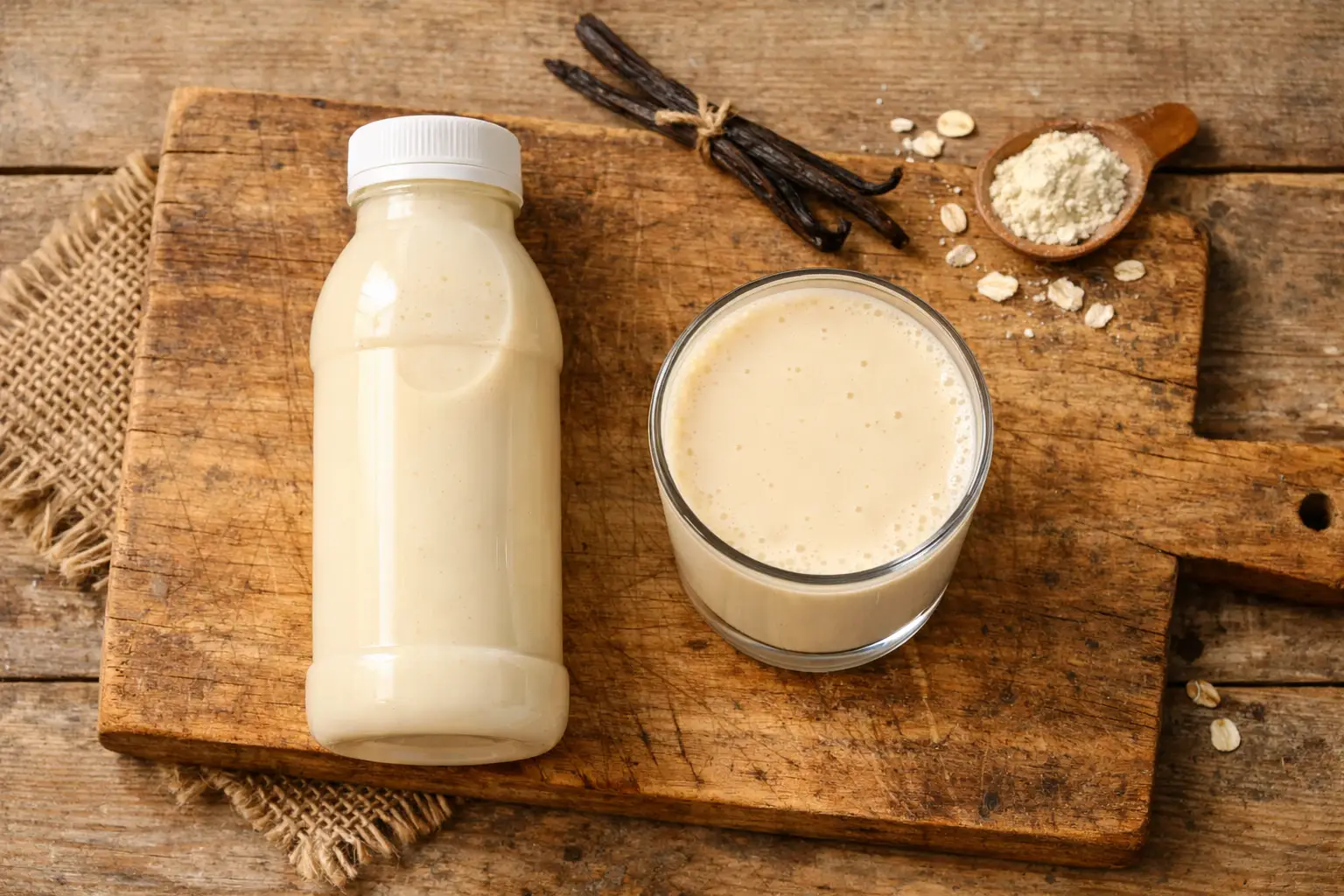
Quick Nutrition Facts
Per 1 Bottle (330ml)
| Nutrient | Amount |
|---|---|
| Calories | 400 kcal |
| Protein | 20g |
| Carbohydrates | 36g |
| Fiber | 3g |
| Sugars | 9g |
| Fat | 20g |
| Sodium | 300mg |
| Vitamin D | 4mcg |
| Calcium | 200mg |
| Iron | 4.5mg |
Macronutrient Breakdown
 ChatGPT
  Claude
  AI Mode
  Perplexity
NUTRITIONIST INSIGHT
Liquid meal replacements provide controlled portions with balanced macros, making them useful for calorie management. However, they lack the phytonutrients and fiber diversity of whole foods. Best used strategically as 1 meal per day, not as a complete diet replacement.
Myth Busters
MYTH #1: Meal Replacements Are Just Glorified Protein Shakes
TRUTH: Unlike protein shakes that focus on one macronutrient, meal replacements deliver balanced carbs, protein, fat, and 20+ essential vitamins and minerals designed to substitute a complete meal (200-400 calories).
MYTH #2: Meal Replacements Cause Muscle Loss
TRUTH: Studies show that protein-enriched meal replacements preserve lean body mass during calorie restriction. With 20g protein per serving, they support muscle maintenance better than skipping meals entirely.
MYTH #3: Liquid Meals Damage Your Metabolism
TRUTH: A systematic review of 23 studies found meal replacement diets produced greater sustained weight loss than conventional diets, with no evidence of metabolic damage when used as part of a balanced plan.
MYTH #4: You Cannot Get Enough Fiber from Liquid Meals
TRUTH: Most meal replacements contain 3-5g fiber per serving. While less than a whole-food meal (~8-10g), pairing with a fiber supplement or adding psyllium husk can bridge the gap. The real concern is the lack of diverse prebiotic fibers found in whole foods.
MYTH #5: Meal Replacements Are All Artificial
TRUTH: Many modern formulas use whole-food ingredients like oat flour, pea protein, flaxseed, and coconut oil. Check labels for products with minimal artificial additives. Not all meal replacements are created equal.
MYTH #6: They Are Only for Weight Loss
TRUTH: Meal replacements serve multiple purposes: clinical nutrition for patients with swallowing difficulties, convenient nutrition for busy professionals, post-surgical recovery, elderly nutrition support, and weight management in both directions.
NutriScore by Health Goals
| Health Goal | NutriScore | Why This Score? |
|---|---|---|
| Weight Loss |  | Portion-controlled 400 cal with 20g protein promotes satiety. Meta-analysis shows 1.4-6 kg more weight loss vs conventional diets. Limit to 1-2 per day. |
| Muscle Gain |  | 20g protein supports maintenance but may be insufficient for muscle building (aim 30-40g). Better as a supplement to whole-food meals, not a primary protein source. |
| Diabetes Management | | Low-GI formulas can improve HbA1c and fasting glucose. Choose products with under 30g carbs and low sugar. Monitor blood sugar response carefully. |
| PCOS Management | | Controlled carbs help manage insulin resistance. Choose high-protein, low-sugar formulas. Use as 1 meal max per day alongside whole foods rich in anti-inflammatory nutrients. |
| Pregnancy Nutrition |  | ACOG recommends whole foods as primary nutrition during pregnancy for diverse nutrients, folate, and fiber. Occasional use only with doctor approval. |
| Viral/Flu Recovery | | Easy to consume when appetite is low, provides complete nutrition, electrolytes, and protein for immune support. Good short-term option during illness. |
PERSONALIZED NUTRITION
Track your meals with NutriScan for personalized NutriScores based on your specific health goals!
Blood Sugar Response to Liquid Meal Replacement
Understanding how liquid meal replacements affect your blood glucose helps optimize timing and pairing for stable energy levels.
Typical Glucose Response Curve
This chart shows typical blood glucose response for general healthy individuals. Individual responses may vary. Not medical advice.
How to Flatten the Spike
Protein and fat in meal replacements already moderate glucose absorption compared to simple carb meals, but you can further optimize:
- 🥗 Pair with a side salad - Added fiber slows glucose absorption further
- 🥜 Add a handful of almonds - Extra healthy fats extend energy release
- 🧊 Consume cold or chilled - Cold liquids may slightly slow gastric emptying
- ⏰ Drink slowly over 15-20 minutes - Sipping rather than gulping reduces glucose peaks
Cultural Significance
Liquid meal replacements are a modern nutritional innovation born from space-age science and convenience culture.
Origins & Evolution:
- 1960s: NASA-funded research into compact, complete nutrition for astronauts
- 1977: SlimFast launched as one of the first commercial meal replacement shakes
- 2013: Soylent pioneered the "complete food" movement for tech workers
- Today: A global market worth over $20 billion, spanning clinical, fitness, and convenience segments
In India:
- Growing urban adoption among IT professionals and busy commuters
- Ayurvedic-inspired variants with ashwagandha, turmeric, and shatavari
- Traditional sattu (roasted gram flour drink) is India's original "meal replacement"
- FSSAI regulates meal replacement products under "Foods for Special Medical Purposes"
Global Impact:
- Used clinically in 50+ countries for malnutrition management and weight loss programs
- Rising demand in aging populations for easy-to-consume complete nutrition
- Sustainability angle: lower carbon footprint than equivalent whole-food meals in some analyses
Compare & Substitute
Liquid Meal Replacement vs Alternatives (Per Serving)
| Nutrient | 🧴 Meal Replacement (330ml) | 🥤 Protein Shake (330ml) | 🥣 Oatmeal Bowl (250g) | 🥚 Egg Breakfast (2 eggs + toast) |
|---|---|---|---|---|
| Calories | 400 kcal | 160 kcal | 300 kcal | 350 kcal |
| Carbs | 36g | 5g | 45g | 30g |
| Fiber | 3g | 1g | 5g | 2g |
| Protein | 20g | 30g | 10g | 18g |
| Fat | 20g | 3g | 8g | 16g |
| Vitamins | 20+ added | 0-5 added | 3-5 natural | 5-8 natural |
| Sugar | 9g | 2g | 8g | 3g |
| Best For | Complete meal on-the-go | Post-workout protein | Sustained morning energy | High-protein whole-food meal |
Frequently Asked Questions
Are liquid meal replacements good for weight loss?
Yes, clinical evidence supports their effectiveness. A meta-analysis of 23 studies with 7,884 participants found meal replacement diets produced 1.4-6 kg more weight loss than conventional diets over 1 year.
Best practices: Replace 1-2 meals per day (not all 3), maintain one whole-food meal, choose products with 15-20g protein and under 400 calories, and pair with behavioral support for long-term success.
Can diabetics use liquid meal replacements?
Diabetics can use low-GI meal replacements under medical supervision. Studies show individualized meal replacement therapy improves HbA1c in poorly controlled type 2 diabetes.
Tips for diabetics:
- Choose low-GI formulas with under 30g carbs per serving
- Opt for products with added fiber (3-5g minimum)
- Monitor blood sugar 1-2 hours after consumption
- Avoid products with added sugars or high-fructose corn syrup
Always consult your endocrinologist before starting a meal replacement program.
How much protein is in a liquid meal replacement?
A standard bottle contains 20g of protein from sources like whey, casein, soy, or pea protein. This covers roughly 25-30% of the recommended daily intake for a sedentary adult.
For muscle gain goals, supplement with additional protein-rich foods since 20g per meal may be below the optimal 30-40g threshold for muscle protein synthesis.
Are meal replacement shakes safe for daily use?
Clinical trials show no adverse effects on liver or kidney function with protein-enriched meal replacements used for up to 1 year. However, they should not replace all meals.
Guidelines:
- 1 shake per day - Safe for most adults long-term
- 2 shakes per day - Acceptable for short-term weight loss (under medical guidance)
- 3 shakes per day - Only under clinical supervision for specific medical needs
What should I look for on the label?
Key checklist:
- Protein: 15-20g minimum per serving
- Fiber: 3g or more
- Sugar: Under 10g
- Vitamins/Minerals: At least 20% DV for 20+ nutrients
- Calories: 200-400 per serving depending on goals
Avoid products with excessive added sugars, artificial sweeteners, or hydrogenated oils.
Can I use meal replacements during pregnancy?
Meal replacements are not recommended as primary nutrition during pregnancy. ACOG emphasizes whole foods for the diverse nutrients, folate, and fiber needed for fetal development.
Occasional use is acceptable only with doctor approval, for example when morning sickness prevents solid food intake. Choose products fortified with folate, iron, and calcium.


Similar Nutritious Foods
4505 Chicharrones Classic Chili Salt
7 Eleven Japan Crispy Corn Cheese
Explore More Nutrition Tools & Resources
AI Calorie Counter App - Snap a Photo, Get Macros
AI Nutritionist App That Reads Your Logged Meals
Best Protein Supplements for Women
Bulking Meal Plan App That Sets Your Surplus
ChatGPT Calorie Counter Alternative That Keeps the Total
ChatGPT Diet Plan Alternative That Tracks What You Eat
ChatGPT Weight Loss Coach Alternative With a Food Log
Fast Food Calorie Counter App That Reads the Tray
Free Calorie Tracker App with AI Photo Scans | NutriScan
Indian Diet Plan App With Veg and Non Veg Meals
Indian Food Calorie Calculator - Get Instant Nutrition Facts for Desi Meals — 2026
Intermittent Fasting for Women, Timer and Meal Log App
Intermittent Fasting Tracker App - Free Fasting Timer
Macro Tracker App That Fills the Numbers From a Photo
Mediterranean Diet Meal Plan App That Counts the Oil
Micronutrient Tracker App for Vitamins and Minerals
MyFitnessPal Alternative That Stays Free | NutriScan
NutriScore App: A Free Grade on Every Meal | NutriScan
Nutrition Label Scanner App for the Amount You Ate
Second Trimester Protein Guide
Vegetarian Meal Plan App With a Protein Target
Voice Calorie Counter - Speak to Track Meals Hands-Free
Water and Calorie Tracker App - Free Water Log