Lupini Beans: Calories, Nutrition and Health Benefits
A Mediterranean protein powerhouse with the highest protein content among legumes and one of the lowest glycemic indexes.
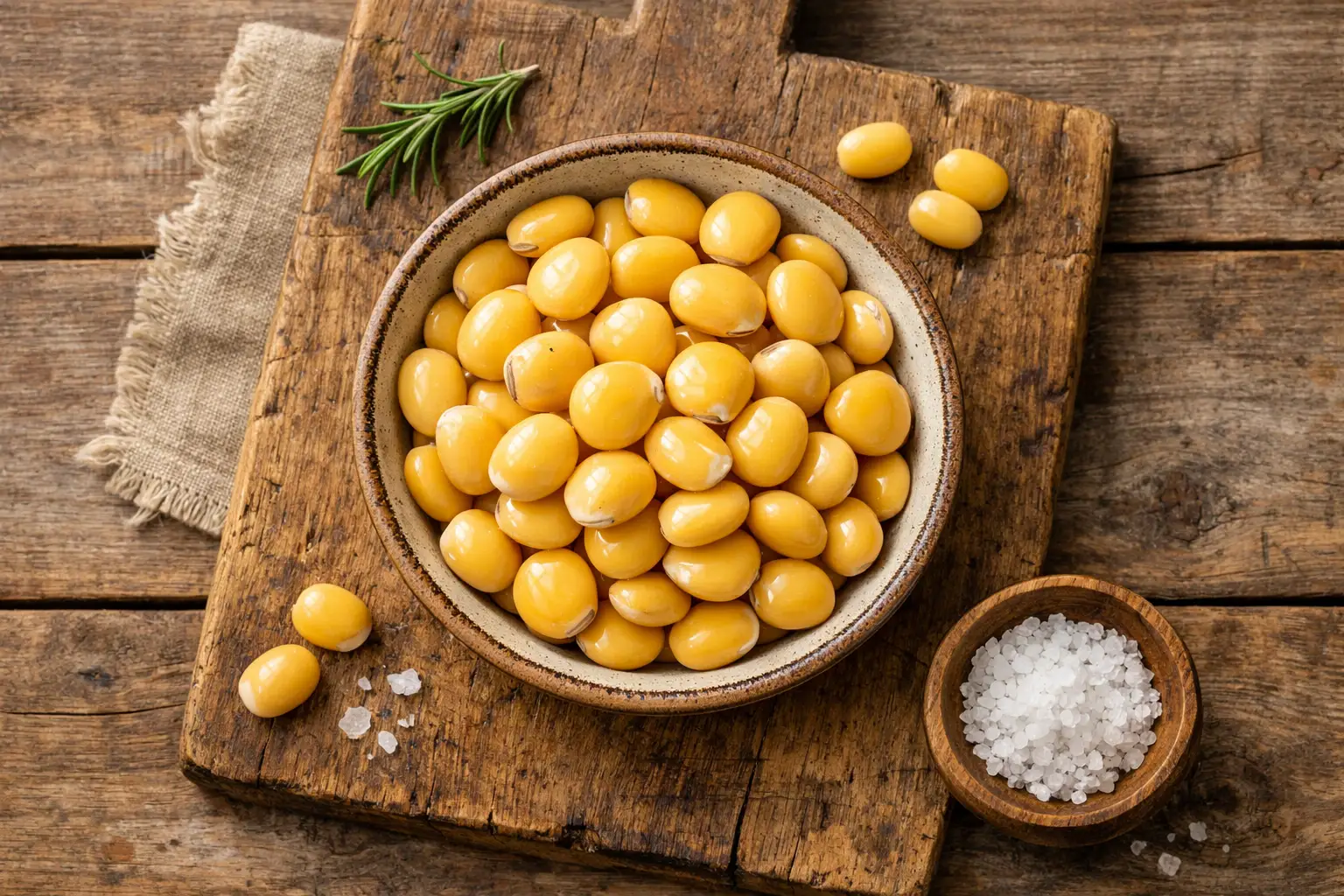
Quick Nutrition Facts
Per 100g Cooked Lupini Beans
| Nutrient | Amount |
|---|---|
| Calories | 116 kcal |
| Protein | 15.6g |
| Carbohydrates | 9.9g |
| Fiber | 2.8g |
| Net Carbs | 7.1g |
| Fat | 2.9g |
| Potassium | 245mg |
| Magnesium | 54mg |
| Folate | 59mcg |
| Iron | 1.2mg |
Macronutrient Breakdown
 ChatGPT
  Claude
  AI Mode
  Perplexity
NUTRITIONIST INSIGHT
Lupini beans deliver more protein per calorie than almost any other plant food. With 16g protein and only 9g net carbs per 100g, they're ideal for low-carb high-protein diets and have been shown to support glycemic control.
Myth Busters
MYTH #1: Lupini Beans Are Dangerous to Eat
TRUTH: Properly prepared lupini beans are completely safe. Traditional Mediterranean preparation involves soaking and brining to remove bitter alkaloids. Commercial lupini are pre-treated and safe for consumption.
MYTH #2: Lupini Beans Are Too High in Carbs for Diabetics
TRUTH: Lupini beans have one of the lowest glycemic indexes among legumes. With only 9g net carbs and 16g protein per 100g, they're actually excellent for blood sugar management. Studies show whole lupin improves glycemic control.
MYTH #3: Legumes Don't Provide Complete Protein
TRUTH: While lupini beans are lower in methionine, they contain all essential amino acids and provide 79% of the complete amino acid score. Pairing with grains or seeds creates a complete protein profile easily.
MYTH #4: Lupini Beans Cause Gas Like Other Legumes
TRUTH: The brining process that removes alkaloids also reduces oligosaccharides responsible for gas. Many people find lupini easier to digest than chickpeas or kidney beans.
MYTH #5: Canned Lupini Are Less Nutritious
TRUTH: Canned/jarred lupini retain their high protein content and most nutrients. The main difference is higher sodium from the brine, which can be reduced by rinsing before eating.
NutriScore by Health Goals
| Health Goal | NutriScore | Why This Score? |
|---|---|---|
| Weight Loss |  | Only 116 calories with 16g protein creates exceptional satiety. High protein preserves muscle during calorie deficit. |
| Muscle Gain | | Highest plant protein at 36g/100g dry weight. Complete with grains for all essential amino acids. Rich in magnesium for muscle function. |
| Diabetes Management | | Very low glycemic index with minimal carbs. Studies show lupin consumption supports glycemic control in type 2 diabetes. |
| PCOS Management | | Low GI, high protein combination helps stabilize insulin levels. Plant-based protein reduces inflammation markers. |
| Pregnancy Nutrition |  | Good source of folate for fetal development. Iron and protein support increased needs. Ensure proper preparation. |
| Viral/Flu Recovery | | High protein supports immune function. Easy to digest when prepared soft. Zinc and iron aid recovery. |
PERSONALIZED NUTRITION
Track your meals with NutriScan for personalized NutriScores based on your specific health goals!
Blood Sugar Response to Lupini Beans
Understanding how lupini beans affect your blood glucose can help you make informed decisions about when and how to eat them.
Typical Glucose Response Curve
This chart shows typical blood glucose response for general healthy individuals. Individual responses may vary. Not medical advice.
How to Optimize Blood Sugar Response
Combining protein-rich lupini with other foods further stabilizes glucose levels:
- 🫒 Extra virgin olive oil - Mediterranean pairing adds healthy fats
- 🥗 Fresh vegetables - Fiber slows any carb absorption
- 🍋 Lemon juice - Traditional preparation, adds vitamin C
- 🧀 Cheese or feta - Protein and fat combination
The naturally high protein and fiber content already makes lupini beans one of the most blood-sugar-friendly legumes available.
Cultural Significance
Lupini beans have been cultivated in the Mediterranean region for over 4,000 years, making them one of humanity's oldest crops.
In Mediterranean Cultures:
- Traditional Italian "lupini" snack served at festivals and bars
- Portuguese "tremocos" enjoyed with beer as appetizer
- Spanish and Greek tavernas serve them as meze
- Egyptian "termis" sold by street vendors
Middle Eastern Tradition:
- Served during Sham el-Nessim spring festival in Egypt
- Traditional Ramadan snack in several countries
- Known as "turmus" in Arabic-speaking regions
Global Resurgence:
- Australia is now a major lupin producer
- Growing popularity in health food markets worldwide
- Used in gluten-free flour production
- Plant-based protein ingredient in food manufacturing
Compare & Substitute
Lupini Beans vs Other Legumes (Per 100g Cooked)
| Nutrient | 🫘 Lupini Beans | 🫘 Chickpeas | 🫘 Lentils | 🫘 Edamame |
|---|---|---|---|---|
| Calories | 116 kcal | 164 kcal | 116 kcal | 121 kcal |
| Carbs | 9.9g | 27g | 20g | 8.9g |
| Fiber | 2.8g | 7.6g | 7.9g | 5.2g |
| Protein | 15.6g | 8.9g | 9g | 11.9g |
| Fat | 2.9g | 2.6g | 0.4g | 5.2g |
| Potassium | 245mg | 291mg | 369mg | 436mg |
| GI | Very Low | Low (28) | Low (32) | Very Low |
| Best For | High protein, low carb diets | Hummus, versatile cooking | Quick cooking, iron source | Asian dishes, snacking |
Frequently Asked Questions
Are lupini beans good for weight loss?
Yes, lupini beans are exceptional for weight loss. With 116 calories and 16g protein per 100g, they provide one of the best protein-to-calorie ratios among plant foods.
Best practices: Eat as snack to curb hunger, add to salads for satiety, use as pre-meal appetizer to reduce overall intake.
Can diabetics eat lupini beans?
Absolutely. Lupini beans are one of the best legumes for diabetics with their very low glycemic index and minimal carbohydrate content.
Tips for diabetics:
- Enjoy as snack without blood sugar concerns
- Replace higher-carb legumes like chickpeas in recipes
- Pair with vegetables for complete meals
- Monitor sodium if using jarred varieties
Research shows whole lupin consumption supports glycemic control in type 2 diabetes.
How much protein is in lupini beans?
Cooked lupini beans contain 15.6g of protein per 100g, while dry lupini have an impressive 36g per 100g - the highest among common legumes.
For muscle building, combine with grains like rice or pasta to create complete protein profiles with all essential amino acids.
What are the main health benefits of lupini beans?
Key Benefits:
- Exceptional Protein: Highest plant protein among legumes
- Blood Sugar Friendly: Very low GI, supports glycemic control
- Heart Health: Fiber and potassium support cardiovascular function
- Weight Management: High satiety with low calories
- Gut Health: Prebiotic fiber feeds beneficial bacteria
- Pregnancy Support: Good folate source for fetal development
How do I prepare lupini beans safely?
For dry lupini beans:
- Soak in water for 24 hours, changing water 3-4 times
- Boil for 1-2 hours until tender
- Brine in salted water for 5-7 days, changing daily
- Store refrigerated in brine
Easier option: Buy pre-prepared jarred or canned lupini beans from Mediterranean grocery stores. Rinse to reduce sodium before eating.
Are lupini beans safe during pregnancy?
Yes, properly prepared lupini beans are safe and beneficial during pregnancy. They provide folate for neural tube development, iron for blood production, and high-quality protein.
Precautions: Always use commercially prepared lupini, avoid bitter unprepared beans, and rinse to reduce sodium.
How many lupini beans should I eat per day?
General Guidelines:
- 100-150g daily - Most people (about 15-25g protein)
- As snack - Handful (50g) provides 8g protein with minimal carbs
- Athletes/muscle gain - Up to 200g daily split across meals
Watch for: Sodium content in jarred varieties; rinse before eating or choose low-sodium options.
Track your meals with NutriScan app to see how lupini beans fit your personal nutrition goals.
Can I eat lupini bean shells?
Yes, lupini shells are edible and contain additional fiber. Traditional eating involves popping the bean from the shell with teeth, but both can be consumed. The shells add texture and extra fiber to your diet.


Similar Nutritious Foods
4505 Chicharrones Classic Chili Salt
7 Eleven Japan Crispy Corn Cheese
Explore More Nutrition Tools & Resources
AI Calorie Counter App - Snap a Photo, Get Macros
AI Nutritionist App That Reads Your Logged Meals
Best Protein Supplements for Women
Bulking Meal Plan App That Sets Your Surplus
ChatGPT Calorie Counter Alternative That Keeps the Total
ChatGPT Diet Plan Alternative That Tracks What You Eat
ChatGPT Weight Loss Coach Alternative With a Food Log
Fast Food Calorie Counter App That Reads the Tray
Free Calorie Tracker App with AI Photo Scans | NutriScan
Indian Diet Plan App With Veg and Non Veg Meals
Indian Food Calorie Calculator - Get Instant Nutrition Facts for Desi Meals — 2026
Intermittent Fasting for Women, Timer and Meal Log App
Intermittent Fasting Tracker App - Free Fasting Timer
Macro Tracker App That Fills the Numbers From a Photo
Mediterranean Diet Meal Plan App That Counts the Oil
Micronutrient Tracker App for Vitamins and Minerals
MyFitnessPal Alternative That Stays Free | NutriScan
NutriScore App: A Free Grade on Every Meal | NutriScan
Nutrition Label Scanner App for the Amount You Ate
Second Trimester Protein Guide
Vegetarian Meal Plan App With a Protein Target
Voice Calorie Counter - Speak to Track Meals Hands-Free
Water and Calorie Tracker App - Free Water Log