Makrut Lime Glaze: Calories, Nutrition and Health Benefits
An aromatic citrus bakery glaze that brings the exotic floral notes of Southeast Asian makrut lime to pastries and baked goods.
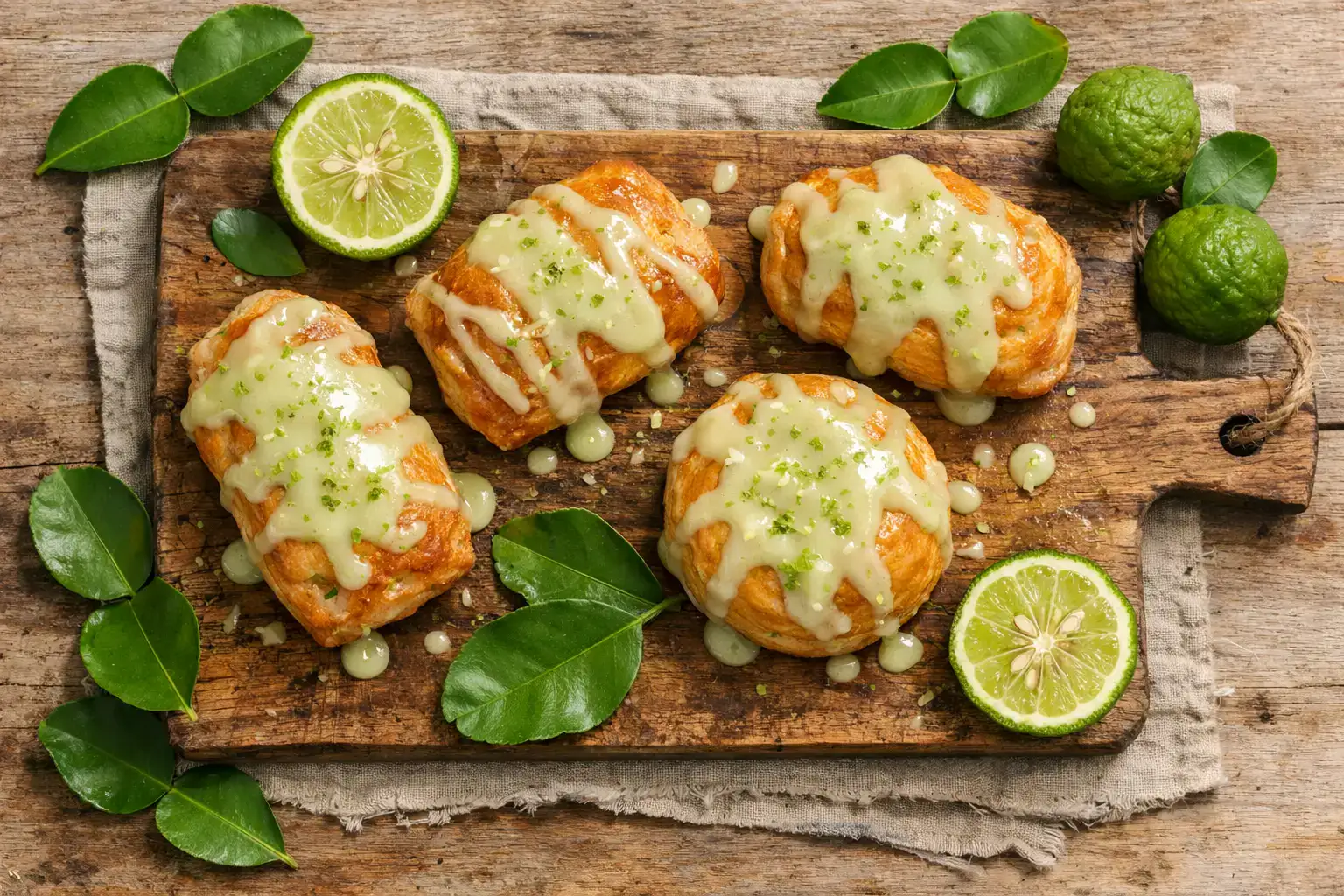
Quick Nutrition Facts
Per 1 Tablespoon (15g)
| Nutrient | Amount |
|---|---|
| Calories | 40 kcal |
| Protein | 0g |
| Carbohydrates | 10g |
| Fiber | 0.1g |
| Sugars | 9.8g |
| Fat | 0g |
| Vitamin C | 1.2mg |
| Calcium | 0.5mg |
| Iron | 0.01mg |
| Potassium | 3mg |
Macronutrient Breakdown
 ChatGPT
  Claude
  AI Mode
  Perplexity
NUTRITIONIST INSIGHT
Makrut lime glaze gets its calories almost entirely from sugar. While the makrut lime zest contributes beneficial citronellal and citronellol compounds with antioxidant properties, treat it as a condiment and keep servings to 1 tablespoon or less.
Myth Busters
MYTH #1: Makrut Lime Glaze Is a Healthy Alternative to Frosting
TRUTH: While makrut lime glaze has fewer calories per serving than buttercream frosting (40 vs 70 per tablespoon), it is still primarily powdered sugar with minimal nutritional value. The citrus compounds add flavor, not significant nutrients.
MYTH #2: The Citrus in the Glaze Provides Enough Vitamin C
TRUTH: A tablespoon of makrut lime glaze contains only about 1.2mg vitamin C (1.3% DV). You need 75-90mg daily. Eat whole citrus fruits for meaningful vitamin C intake.
MYTH #3: Makrut Lime Glaze Is Sugar-Free Because It Uses Lime Juice
TRUTH: The base ingredient is powdered sugar, not lime juice. A single tablespoon contains 9.8g of sugar. The lime juice adds flavor and a small amount of acidity, but does not replace the sugar content.
MYTH #4: Kaffir Lime and Regular Lime Glaze Are Nutritionally Identical
TRUTH: While the macro profiles are similar, makrut lime (Citrus hystrix) contains unique bioactive compounds like citronellal with antimicrobial and anti-inflammatory properties not found in regular Persian limes.
NutriScore by Health Goals
| Health Goal | NutriScore | Why This Score? |
|---|---|---|
| Weight Loss |  | 267 cal/100g, almost pure sugar. Use sparingly (1 tsp) or substitute with fresh makrut lime zest. |
| Muscle Gain | | Zero protein, no muscle-building nutrients. Simple carbs only, not ideal for sustained energy. |
| Diabetes Management |  | High GI (~70), 9.8g sugar per tablespoon. Diabetics should avoid or use minimal amounts; consider sugar-free alternatives with makrut lime zest. |
| PCOS Management | | High sugar content affects insulin sensitivity. Use fresh makrut lime zest instead for flavor without the glycemic impact. |
| Pregnancy Nutrition |  | Safe in small amounts. Citrus compounds are generally beneficial during pregnancy, but limit added sugar intake. |
| Viral/Flu Recovery | | Quick energy from sugar. Makrut lime essential oils have antimicrobial properties that may support recovery, though amounts in glaze are small. |
PERSONALIZED NUTRITION
Track your meals with NutriScan for personalized NutriScores based on your specific health goals!
Blood Sugar Response to Makrut Lime Glaze
Understanding how makrut lime glaze affects your blood glucose helps you decide when and how much to use.
Typical Glucose Response Curve
*This chart shows typical blood glucose response for general healthy individuals. Individual responses may vary. Not medical advice.*
How to Flatten the Spike
Pairing sugar-based glazes with protein or fat slows glucose absorption and reduces the peak blood sugar level:
- 🥜 Nut-topped pastries - Almonds or pistachios add healthy fats and protein
- 🧈 Butter-rich baked goods - Fat in the pastry base slows sugar absorption
- 🥛 Pair with Greek yogurt - Protein counterbalances the sugar spike
- 🫖 Serve with green tea - Catechins may help moderate glucose response
Cultural Significance
Makrut lime (Citrus hystrix) originated in tropical Southeast Asia and has been cultivated for centuries across Thailand, Indonesia, Malaysia, and the Philippines.
In Southeast Asian Cuisine:
- Leaves and zest are essential aromatics in Thai curries, soups, and stir-fries
- Indonesian sambal and Cambodian kreung paste rely on makrut lime for depth
- The fruit's bumpy rind is used in traditional herbal remedies and cleansing rituals
- Thai desserts and modern fusion pastries increasingly feature makrut lime glazes
Global Adoption:
- Western pastry chefs embrace makrut lime for its floral, citronella-like aroma
- Australian and Californian bakeries popularized makrut lime in glazes and curds
- Essential oil used in aromatherapy and natural cleaning products worldwide
- Growing in home gardens across tropical and subtropical regions
Compare & Substitute
Makrut Lime Glaze vs Similar Glazes (Per 100g)
| Nutrient | 🍋 Makrut Lime Glaze | 🍋 Lemon Glaze | 🍊 Orange Glaze | 🫐 Berry Glaze |
|---|---|---|---|---|
| Calories | 267 kcal | 271 kcal | 275 kcal | 260 kcal |
| Carbs | 67g | 68g | 69g | 65g |
| Fiber | 0.1g | 0.1g | 0.2g | 0.5g |
| Protein | 0g | 0g | 0.1g | 0.1g |
| Fat | 0g | 0g | 0.1g | 0.1g |
| Sugar | 65g | 67g | 67g | 62g |
| Vitamin C | 8mg | 5mg | 6mg | 4mg |
| Best For | Exotic citrus flavor, aromatic pastries | Classic cakes, muffins | Breakfast pastries, scones | Fruit tarts, cheesecakes |
Frequently Asked Questions
How many calories are in makrut lime glaze?
1 tablespoon (15g) of makrut lime glaze contains approximately 40 calories. Per 100g, it provides about 267 calories, with nearly all calories coming from the powdered sugar base.
Serving guide: Most pastries use 1-2 tablespoons of glaze, adding 40-80 calories to the total.
Is makrut lime glaze healthy?
Makrut lime glaze is a condiment, not a health food. The makrut lime zest and juice contribute trace amounts of vitamin C and aromatic compounds with antioxidant properties, but the primary ingredient is powdered sugar.
Healthier alternatives: Use fresh makrut lime zest directly on foods, or make a reduced-sugar version with monk fruit sweetener.
Can diabetics eat makrut lime glaze?
Diabetics should use makrut lime glaze very sparingly due to its high sugar content (9.8g per tablespoon) and estimated high glycemic index (~70).
Tips for diabetics:
- Limit to 1 teaspoon (5g, ~13 calories) per serving
- Pair with protein-rich foods to slow absorption
- Consider sugar-free versions using makrut lime zest with erythritol
- Monitor blood sugar 2 hours after consuming
What makes makrut lime different from regular lime?
Makrut lime (Citrus hystrix) differs from regular Persian lime in several ways:
- Aromatic profile: More floral and complex, with citronella-like notes
- Bioactive compounds: Contains citronellal and citronellol with proven antimicrobial properties
- Physical appearance: Bumpy, wrinkled rind; distinctive double leaves
- Culinary use: Leaves and zest are primary; juice is secondary (very sour and intense)
How long does makrut lime glaze last?
Store in an airtight container in the refrigerator for up to 5 days. The glaze thickens when chilled; thin with a few drops of makrut lime juice before use. Do not freeze, as the texture becomes grainy upon thawing.
Can I make a sugar-free makrut lime glaze?
Yes. Replace powdered sugar with powdered erythritol or monk fruit sweetener. Mix with fresh makrut lime juice and zest. The result has nearly zero calories and zero glycemic impact while preserving the aromatic citrus flavor.




Similar Nutritious Foods
4505 Chicharrones Classic Chili Salt
7 Eleven Japan Crispy Corn Cheese
Explore More Nutrition Tools & Resources
AI Calorie Counter App - Snap a Photo, Get Macros
AI Nutritionist App That Reads Your Logged Meals
Best Protein Supplements for Women
Bulking Meal Plan App That Sets Your Surplus
ChatGPT Calorie Counter Alternative That Keeps the Total
ChatGPT Diet Plan Alternative That Tracks What You Eat
ChatGPT Weight Loss Coach Alternative With a Food Log
Fast Food Calorie Counter App That Reads the Tray
Free Calorie Tracker App with AI Photo Scans | NutriScan
Indian Diet Plan App With Veg and Non Veg Meals
Indian Food Calorie Calculator - Get Instant Nutrition Facts for Desi Meals — 2026
Intermittent Fasting for Women, Timer and Meal Log App
Intermittent Fasting Tracker App - Free Fasting Timer
Macro Tracker App That Fills the Numbers From a Photo
Mediterranean Diet Meal Plan App That Counts the Oil
Micronutrient Tracker App for Vitamins and Minerals
MyFitnessPal Alternative That Stays Free | NutriScan
NutriScore App: A Free Grade on Every Meal | NutriScan
Nutrition Label Scanner App for the Amount You Ate
Second Trimester Protein Guide
Vegetarian Meal Plan App With a Protein Target
Voice Calorie Counter - Speak to Track Meals Hands-Free
Water and Calorie Tracker App - Free Water Log