Mango Pickle: Calories, Nutrition and Health Benefits
Tangy, probiotic-rich traditional condiment that aids digestion, boosts immunity, and adds flavor to every meal—nature's fermented digestive enzyme supplement.
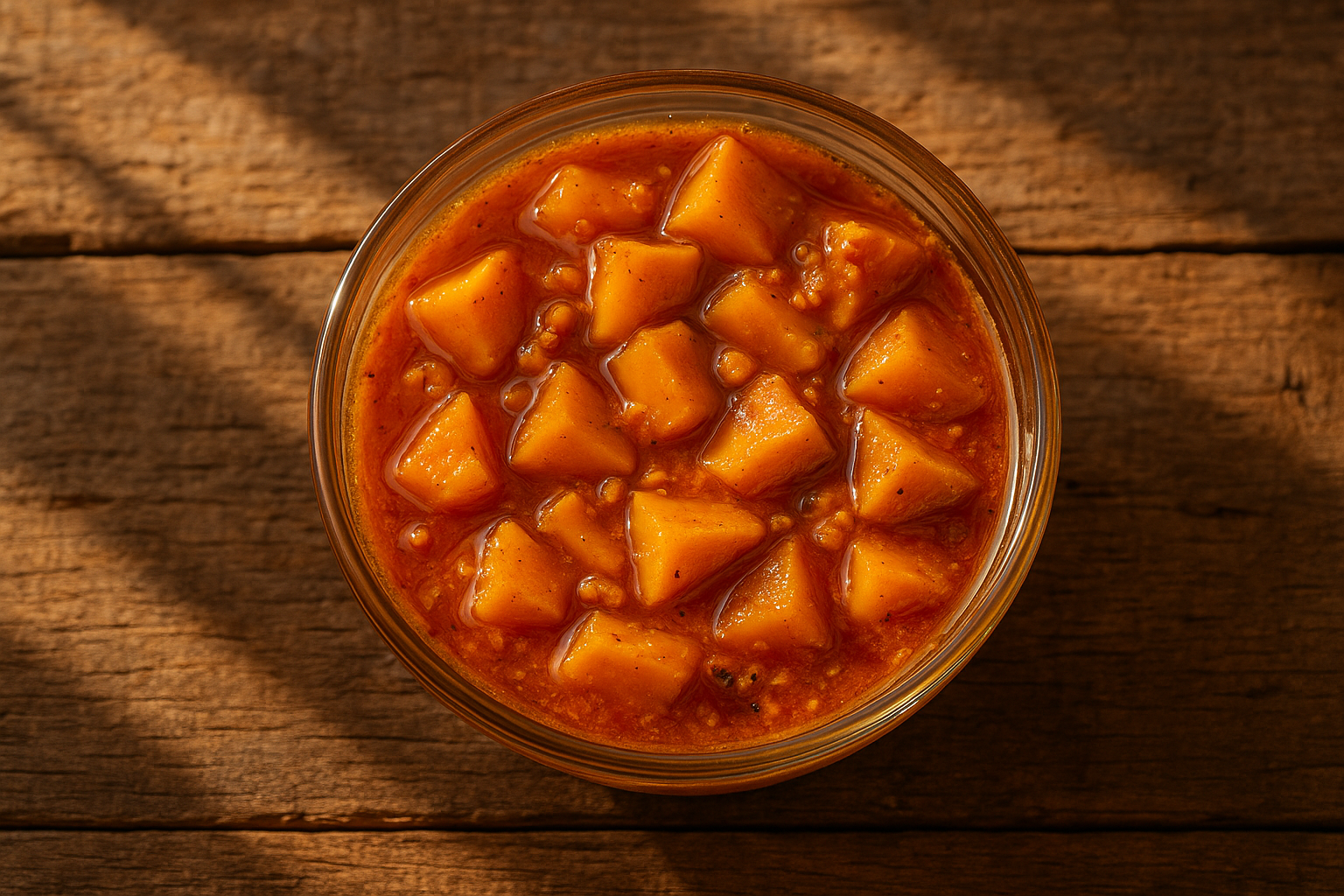
Quick Nutrition Facts
Per 100g (typical serving, fermented)
| Nutrient | Amount |
|---|---|
| Calories | 55 kcal |
| Protein | 0.5g |
| Carbohydrates | 12g |
| Fiber | 1.2g |
| Sugars | 8g |
| Fat | 0.3g |
| Sodium | 246mg |
| Potassium | 142mg |
| Vitamin A | 100 IU |
| Vitamin C | 3mg |
Macronutrient Breakdown
 ChatGPT
  Claude
  AI Mode
  Perplexity
NUTRITIONIST INSIGHT
Mango pickle is a probiotic powerhouse containing Lactobacillus bacteria that enhance gut health, boost immune function, and improve nutrient absorption. Just 1 tablespoon (15g) provides beneficial enzymes for digestion and reduces bloating. Traditional fermentation preserves mango's vitamin A while creating digestive enzymes absent in raw fruit.
Myth Busters
MYTH #1: Pickles Are Unhealthy Because of Salt
TRUTH: While mango pickle contains 246mg sodium per 100g (10% DV), fermentation creates beneficial probiotics that reduce salt absorption and support heart health. Moderate consumption (1 tbsp daily) fits healthy diets; those with hypertension should monitor portions.
MYTH #2: Fermented Foods Spoil Your Digestion
TRUTH: Fermented foods like mango pickle strengthen digestive health by introducing Lactobacillus bacteria that reduce bloating, improve bowel regularity, and enhance nutrient absorption. Regular consumption (1 tbsp daily) prevents digestive issues and supports microbiome diversity.
MYTH #3: Mango Pickle Has No Nutritional Value
TRUTH: Fermented mango pickle retains vitamin A (100 IU) from raw mango, adds probiotic bacteria, and develops beneficial enzymes. Fermentation increases bioavailability of nutrients, making them easier to absorb compared to raw mango.
MYTH #4: All Pickles Are High in Sugar
TRUTH: Mango pickle contains 8g sugar per 100g (from fruit); traditional recipes use minimal added sugar, relying on salt and spices for preservation. Fermentation reduces sugar content by converting it to lactic acid and beneficial compounds.
MYTH #5: Pickles Cause Water Retention
TRUTH: While pickles are high in sodium (246mg/100g), the potassium (142mg) and probiotics help regulate fluid balance. Moderate consumption supports electrolyte balance rather than causing bloating, especially when paired with adequate water intake.
MYTH #6: Pregnant Women Should Avoid Pickles
TRUTH: Pregnant women benefit from mango pickle's probiotics for digestive health, vitamin A for fetal development, and fiber for constipation relief. Fermented foods enhance nutrient absorption during pregnancy, supporting mother and baby health.
NutriScore by Health Goals
| Health Goal | NutriScore | Why This Score? |
|---|---|---|
| Weight Loss |  | Only 55 calories/100g; probiotics aid digestion and satiety. A 1 tbsp serving (8 cal) is guilt-free condiment that flavors meals without adding calories; enzymes support fat metabolism. |
| Muscle Gain |  | Probiotics enhance protein absorption; enzymes support muscle recovery. Pair with high-protein meals to maximize nutrient bioavailability; aids post-workout digestion of large protein meals. |
| Diabetes Management | | Fermentation lowers glycemic index; probiotics improve insulin sensitivity; 1 tbsp serving (2g carbs) fits any meal plan. Monitor sodium intake if hypertensive; benefits outweigh salt concerns. |
| PCOS Management | | Probiotics reduce inflammation linked to PCOS; low calorie condiment flavors meals without hormonal disruption; enzymes support insulin resistance improvement and digestive health. |
| Pregnancy Nutrition | | Probiotics support immunity and nutrient absorption; vitamin A aids fetal development; fiber alleviates pregnancy constipation. Limit to 1-2 tbsp daily; avoid excess spice if acid reflux. |
| Viral/Flu Recovery | | Probiotics boost immune function; low calories provide flavor without digestive burden; traditional spices (turmeric) offer antimicrobial support for faster recovery and reduced inflammation. |
PERSONALIZED NUTRITION
Track your meals with NutriScan for personalized NutriScores based on your specific health goals!
Blood Sugar Response to Mango Pickle
Understanding mango pickle's low glycemic impact helps optimize meal planning for stable energy and sustained metabolic health.
Typical Glucose Response Curve
This chart shows typical blood glucose response for general healthy individuals. Individual responses may vary. Not medical advice.
How to Maximize Benefits
Pairing mango pickle with protein-rich meals enhances nutrient absorption and extends digestive benefits:
- 🍗 Grilled chicken or fish curries - Probiotics enhance protein digestion and amino acid absorption
- 🥛 Plain rice and lentil meals (dal-bhat) - Fermented condiment aids fiber and carbohydrate metabolism
- 🧀 Yogurt-based dishes - Synergistic probiotics maximize gut health benefits
- 🌾 Whole grain breads (roti, bajra) - Enzymes support mineral bioavailability from grains
A single tablespoon (15g) with meals provides digestive enzymes that reduce bloating and support nutrient absorption for 24 hours.
Cultural Significance
Mango pickle (aam ka achar) has been preserved in Indian cuisine for over 2,000 years, treasured as both food and traditional medicine across Ayurveda and regional customs.
In India:
- Centuries-old preservation method predating refrigeration; every region has unique recipes (Gujarati, North Indian, South Indian variations)
- Revered in Ayurvedic medicine as a digestive tonic and immunity booster since ancient texts (Charaka Samhita, Sushruta Samhita)
- Prepared during mango season (May-July) and stored for year-round consumption; cultural marker of seasonal eating and food preservation wisdom
- Essential condiment in Indian meals, served with dhal, rice, rotis, and curries across all social and economic classes
- Gifted as tokens of respect and affection, especially homemade varieties passed through generations
Global Impact:
- Indian immigrants introduced mango pickle to diasporas worldwide; now popular in Asian, African, and European cuisines
- Modern food science validates traditional fermentation as probiotic superfood
- Sustainability: mango pickle reduces food waste by using surplus, unripe mangoes; zero-packaging preservation in earthen pots (clay composting)
- Growing global interest in fermented foods for gut health positions mango pickle as traditional superfood
Compare & Substitute
Mango Pickle vs Similar Condiments (Per 100g)
| Nutrient | 🥒 Mango Pickle | 🥒 Lime Pickle | 🥬 Mint Chutney | 🍅 Tamarind Paste |
|---|---|---|---|---|
| Calories | 55 kcal | 48 kcal | 68 kcal | 239 kcal |
| Carbs | 12g | 10g | 14g | 62g |
| Fiber | 1.2g | 1g | 2g | 0.6g |
| Protein | 0.5g | 0.4g | 1g | 3g |
| Fat | 0.3g | 0.2g | 0.8g | 0.4g |
| Sodium | 246mg | 200mg | 150mg | 162mg |
| Probiotics | High (Lactobacillus) | High (Lactobacillus) | Low (fresh herbs) | None (cooked) |
| Best For | Weight loss, digestion, all meals | Vitamin C, immunity, digestion | Fresh flavor, PCOS, anti-inflammatory | Tamarind tartness, iron absorption |
Frequently Asked Questions
Is mango pickle good for weight loss?
Mango pickle is excellent for weight loss at only 55 calories/100g. A typical serving (1 tbsp/15g) provides 8 calories plus probiotics that enhance digestion, improve satiety, and support metabolic health without adding significant calories or sugar.
Can diabetics eat mango pickle?
Yes, diabetics can safely enjoy mango pickle. Fermentation lowers glycemic impact; the 12g carbs/100g spread across small tablespoon servings (2g carbs per tbsp) fit any meal plan. Probiotics improve insulin sensitivity. Monitor sodium if hypertensive; benefits outweigh concerns.
Does mango pickle have probiotics?
Yes, traditional fermented mango pickle contains live Lactobacillus bacteria that thrive during fermentation. These beneficial microbes support digestive health, boost immunity, enhance nutrient absorption, and reduce inflammation. Store in cool conditions; cloudy brine indicates active fermentation.
What are the main health benefits of mango pickle?
Probiotics enhance digestion and immunity; fermentation increases nutrient bioavailability; enzymes reduce bloating and support nutrient absorption from other foods; vitamin A supports vision and skin health; fiber aids bowel regularity; low calories make it perfect for weight management.
Is mango pickle high in sodium?
Yes, mango pickle contains 246mg sodium per 100g (10% DV), necessary for fermentation and preservation. A single serving (1 tbsp/15g) provides 37mg sodium, fitting into healthy diets. Those with hypertension should limit to 1 tbsp daily and monitor total dietary sodium.
Can pregnant women eat mango pickle?
Yes, pregnant women benefit from mango pickle's probiotics for digestive health, immunity, and nutrient absorption; vitamin A supports fetal development; fiber alleviates pregnancy constipation. Limit to 1-2 tbsp daily due to salt content; avoid excessive spice if acid reflux worsens.
How should I store mango pickle for maximum probiotic benefits?
Store in cool, dark conditions (pantry or refrigerator) in glass or ceramic containers to preserve live Lactobacillus bacteria. Avoid metal containers which can react with fermented acids. Keep submerged in brine; cloudy liquid indicates active fermentation. Use clean utensils for serving.
Can mango pickle cause water retention?
While high in sodium (246mg/100g), mango pickle also contains potassium (142mg) and probiotics that regulate fluid balance. Moderate consumption (1 tbsp daily) with adequate water intake supports electrolyte balance rather than causing bloating or water retention.


Similar Fermented & Condiment Foods
4505 Chicharrones Classic Chili Salt
7 Eleven Japan Crispy Corn Cheese
Explore More Nutrition Tools & Resources
AI Calorie Counter App - Snap a Photo, Get Macros
AI Nutritionist App That Reads Your Logged Meals
Best Protein Supplements for Women
Bulking Meal Plan App That Sets Your Surplus
ChatGPT Calorie Counter Alternative That Keeps the Total
ChatGPT Diet Plan Alternative That Tracks What You Eat
ChatGPT Weight Loss Coach Alternative With a Food Log
Fast Food Calorie Counter App That Reads the Tray
Free Calorie Tracker App with AI Photo Scans | NutriScan
Indian Diet Plan App With Veg and Non Veg Meals
Indian Food Calorie Calculator - Get Instant Nutrition Facts for Desi Meals — 2026
Intermittent Fasting for Women, Timer and Meal Log App
Intermittent Fasting Tracker App - Free Fasting Timer
Macro Tracker App That Fills the Numbers From a Photo
Mediterranean Diet Meal Plan App That Counts the Oil
Micronutrient Tracker App for Vitamins and Minerals
MyFitnessPal Alternative That Stays Free | NutriScan
NutriScore App: A Free Grade on Every Meal | NutriScan
Nutrition Label Scanner App for the Amount You Ate
Second Trimester Protein Guide
Vegetarian Meal Plan App With a Protein Target
Voice Calorie Counter - Speak to Track Meals Hands-Free
Water and Calorie Tracker App - Free Water Log