Masala Chicken: Calories, Nutrition and Health Benefits
Premium protein powerhouse infused with aromatic spices—perfect for muscle building and healthy, flavorful meals.
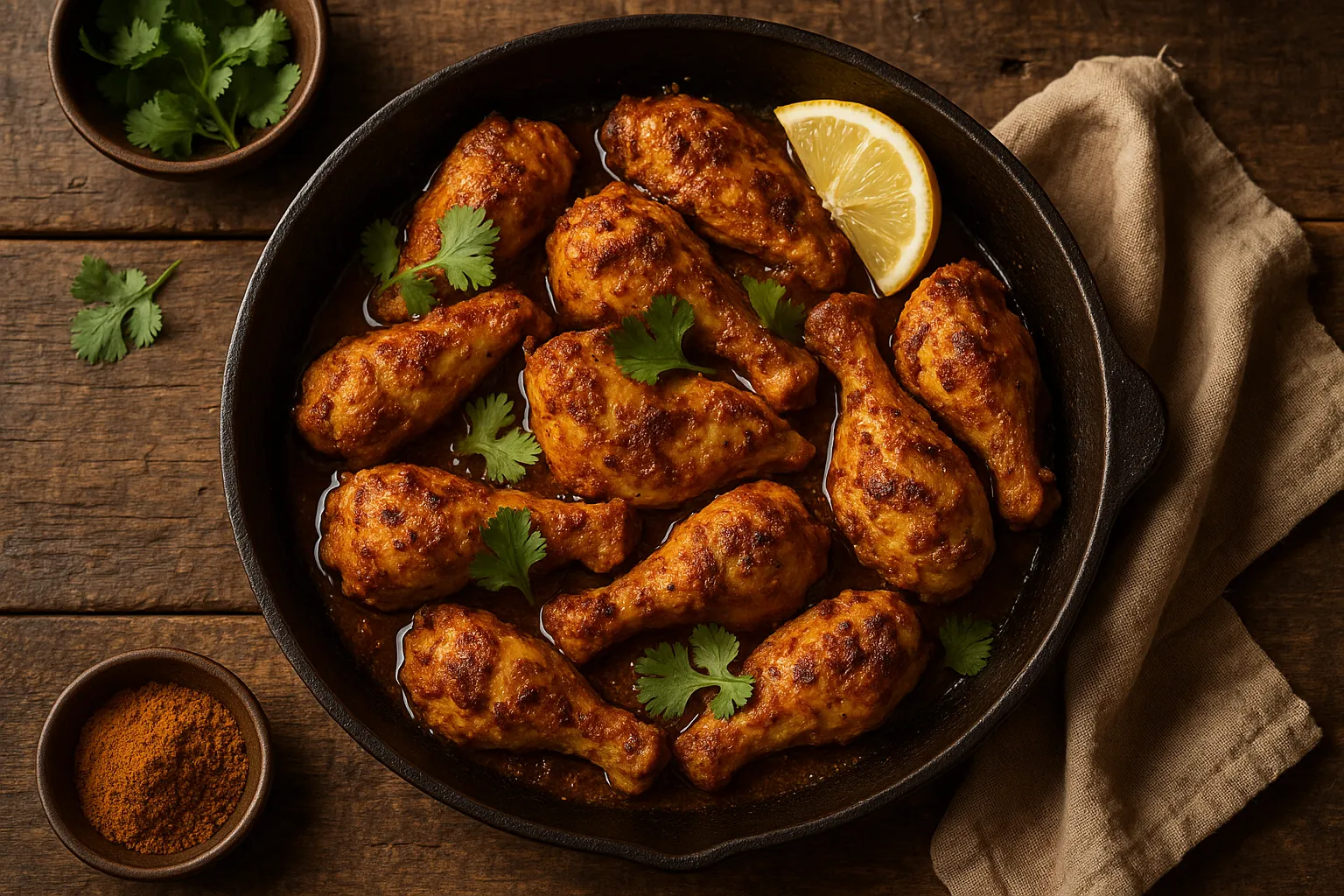
Quick Nutrition Facts
Per 100g Skinless Cooked Chicken with Masala
| Nutrient | Amount |
|---|---|
| Calories | 165 kcal |
| Protein | 31g |
| Carbohydrates | 0g |
| Fiber | 0g |
| Fat | 3.6g |
| Saturated Fat | 1.0g |
| Cholesterol | 85mg |
| Sodium | 65mg |
| Iron | 1.3mg |
| Zinc | 2.5mg |
| B6 | 0.9mg |
| Niacin | 10.3mg |
Macronutrient Breakdown
 ChatGPT
  Claude
  AI Mode
  Perplexity
NUTRITIONIST INSIGHT
Masala chicken combines complete protein (31g per 100g) with bioactive compounds from spices. Turmeric's curcumin reduces exercise-induced inflammation while improving nutrient absorption. The combination makes masala chicken superior to plain chicken for muscle recovery and overall health.
Myth Busters
MYTH #1: Spiced Chicken Is Unhealthy
TRUTH: Masala spices like turmeric, cumin, and coriander contain polyphenols that reduce inflammation and support cardiovascular health. The spices add zero calories while boosting antioxidant content and nutrient absorption.
MYTH #2: Chicken Has Too Much Cholesterol
TRUTH: Skinless chicken contains 85mg cholesterol per 100g (28% daily value). Modern research shows dietary cholesterol has minimal impact on blood cholesterol for most people. The high protein actually supports healthy cholesterol profiles.
MYTH #3: You Can't Eat Masala Chicken for Weight Loss
TRUTH: Skinless masala chicken is perfect for weight loss. At 165 kcal and 31g protein per 100g, it has the highest protein-to-calorie ratio among meats. Protein increases satiety and boosts metabolic rate by up to 20%.
MYTH #4: All Chicken Preparations Have Equal Nutrition
TRUTH: Preparation method dramatically affects calories. Grilled/baked masala chicken ≈ 165 kcal per 100g. Fried versions can exceed 250 kcal due to oil absorption. Choose grilling or baking for optimal nutrition.
MYTH #5: Chicken Loses Nutrients During Cooking
TRUTH: Protein and minerals remain stable during cooking. The masala spices are actually better absorbed when heated (bioavailability increases for curcumin). Cooking is essential for protein denaturation and digestibility.
MYTH #6: You Need Large Portions for Protein
TRUTH: A 150g serving of masala chicken provides 47g protein (94% daily value). Studies show 25-40g protein per meal maximizes muscle protein synthesis. You don't need excessive portions.
NutriScore by Health Goals
| Health Goal | NutriScore | Why This Score? |
|---|---|---|
| Weight Loss |  | 165 kcal, 31g protein for satiety, 0g carbs. Prepare grilled/baked. Highest protein-to-calorie ratio among meats. |
| Muscle Gain | | Complete protein (31g), all 9 amino acids, 2.5mg zinc for testosterone, antioxidant spices reduce inflammation. Post-workout optimal. |
| Diabetes Management | | Zero carbs, no blood sugar impact. High protein supports stable glucose. Turmeric spices may improve insulin sensitivity. |
| PCOS Management | | High protein (anti-inflammatory), zero carbs, zinc supports hormone balance. Masala spices reduce systemic inflammation common in PCOS. |
| Pregnancy Nutrition | | 31g protein essential for fetal development, 0.9mg B6 reduces nausea, iron supports oxygen transport. Choose organic, thoroughly cooked. |
| Viral/Flu Recovery | | High protein for immune cell synthesis, zinc (2.5mg) boosts recovery, turmeric has anti-inflammatory effects. Easy to digest post-illness. |
PERSONALIZED NUTRITION
Track your meals with NutriScan for personalized NutriScores based on your specific health goals!
Blood Sugar Response to Masala Chicken
Masala chicken has zero impact on blood glucose due to complete absence of carbohydrates.
Why Masala Chicken Is Ideal for Blood Sugar Control
Masala chicken maintains stable blood glucose. The high protein content actually slows carbohydrate absorption when eaten with other foods (second meal effect).
Pairing with Carbohydrates
When masala chicken is paired with carbs, the protein slows glucose absorption:
- 🍚 Brown rice - Protein slows starch digestion
- 🥔 Sweet potato - Balanced meal with fiber
- 🥦 Vegetables - Low-carb, high-micronutrient pairing
- 🌾 Quinoa - Complete amino acid profile together
This combination provides sustained energy without blood sugar spikes.
Cultural Significance
Masala chicken is deeply rooted in Indian cuisine, blending Mughlai cooking traditions with regional variations.
In India:
- A staple across North and South Indian cuisines with distinct regional variations
- Tandoori masala (North), Chettinad masala (South) each offer unique spice profiles
- Ayurvedic tradition uses specific spices (turmeric, black pepper, cumin) for digestive health
- Festival and celebration centerpiece across Hindu, Muslim, and Christian households
- Part of Indian restaurant culture globally with countless regional interpretations
Global Impact:
- Fusion cuisine standard in over 90% of Indian restaurants worldwide
- Over 500 million metric tons of chicken consumed annually in Asia
- Spice science validated by modern research: curcumin, carvacrol, piperine show anti-inflammatory benefits
Compare & Substitute
Masala Chicken vs Similar Proteins (Per 100g)
| Nutrient | 🍗 Masala Chicken | 🐟 Grilled Fish | 🥚 Boiled Eggs | 🥩 Lean Beef |
|---|---|---|---|---|
| Calories | 165 kcal | 130 kcal | 155 kcal | 180 kcal |
| Protein | 31g | 28g | 13g | 27g |
| Carbs | 0g | 0g | 1.1g | 0g |
| Fat | 3.6g | 2.5g | 11g | 8g |
| Iron | 1.3mg | 0.8mg | 1.8mg | 2.6mg |
| Zinc | 2.5mg | 0.6mg | 1.2mg | 5.5mg |
| Best For | Muscle gain, balanced | Heart health, omega-3 | Breakfast, versatile | Iron, strength training |
Frequently Asked Questions
Is masala chicken good for muscle gain?
Yes, masala chicken is excellent for muscle growth. A 100g serving provides 31g complete protein with all 9 essential amino acids. Studies show 25-40g protein per meal optimizes muscle protein synthesis. The 2.5mg zinc supports testosterone production while antioxidant spices reduce post-workout inflammation, improving recovery.
How many calories in masala chicken?
Skinless masala chicken contains 165 calories per 100g. Preparation method significantly affects final calories: grilled/baked ≈ 165 kcal, fried ≈ 250+ kcal due to oil absorption. Choose grilling or baking for consistent, lower-calorie results.
Can I eat masala chicken on a weight loss diet?
Yes, masala chicken is ideal for weight loss. The 31g protein per 100g promotes satiety, increases metabolic rate by up to 20% through thermic effect, and maintains lean muscle during calorie restriction. Best consumed grilled or baked, not fried.
What are the health benefits of masala spices?
Masala spices (turmeric, cumin, coriander, black pepper, chili) contain bioactive compounds: curcumin (anti-inflammatory), carvacrol (antibacterial), piperine (nutrient absorption enhancer). These reduce systemic inflammation, support digestion, and boost antioxidant capacity.
Is masala chicken good for diabetes?
Masala chicken is excellent for diabetes (0g carbohydrates, no blood sugar impact). The high protein maintains stable glucose levels throughout the day. Turmeric in masala may improve insulin sensitivity and reduce HbA1c levels. Always consume with vegetables for complete nutrition.
How much protein does masala chicken have?
A 100g serving contains 31g complete protein (62% daily value). A 150g portion delivers 47g protein, which is optimal for post-workout recovery. Protein provides all 9 essential amino acids needed for muscle synthesis, immune function, and hormone production.


Similar Nutritious Proteins
4505 Chicharrones Classic Chili Salt
7 Eleven Japan Crispy Corn Cheese
Explore More Nutrition Tools & Resources
AI Calorie Counter App - Snap a Photo, Get Macros
AI Nutritionist App That Reads Your Logged Meals
Best Protein Supplements for Women
Bulking Meal Plan App That Sets Your Surplus
ChatGPT Calorie Counter Alternative That Keeps the Total
ChatGPT Diet Plan Alternative That Tracks What You Eat
ChatGPT Weight Loss Coach Alternative With a Food Log
Fast Food Calorie Counter App That Reads the Tray
Free Calorie Tracker App with AI Photo Scans | NutriScan
Indian Diet Plan App With Veg and Non Veg Meals
Indian Food Calorie Calculator - Get Instant Nutrition Facts for Desi Meals — 2026
Intermittent Fasting for Women, Timer and Meal Log App
Intermittent Fasting Tracker App - Free Fasting Timer
Macro Tracker App That Fills the Numbers From a Photo
Mediterranean Diet Meal Plan App That Counts the Oil
Micronutrient Tracker App for Vitamins and Minerals
MyFitnessPal Alternative That Stays Free | NutriScan
NutriScore App: A Free Grade on Every Meal | NutriScan
Nutrition Label Scanner App for the Amount You Ate
Second Trimester Protein Guide
Vegetarian Meal Plan App With a Protein Target
Voice Calorie Counter - Speak to Track Meals Hands-Free
Water and Calorie Tracker App - Free Water Log