Mashed Potatoes: Calories, Nutrition and Health Benefits
A comfort-food classic packed with potassium, vitamin C, and resistant starch for sustained energy and satiety.
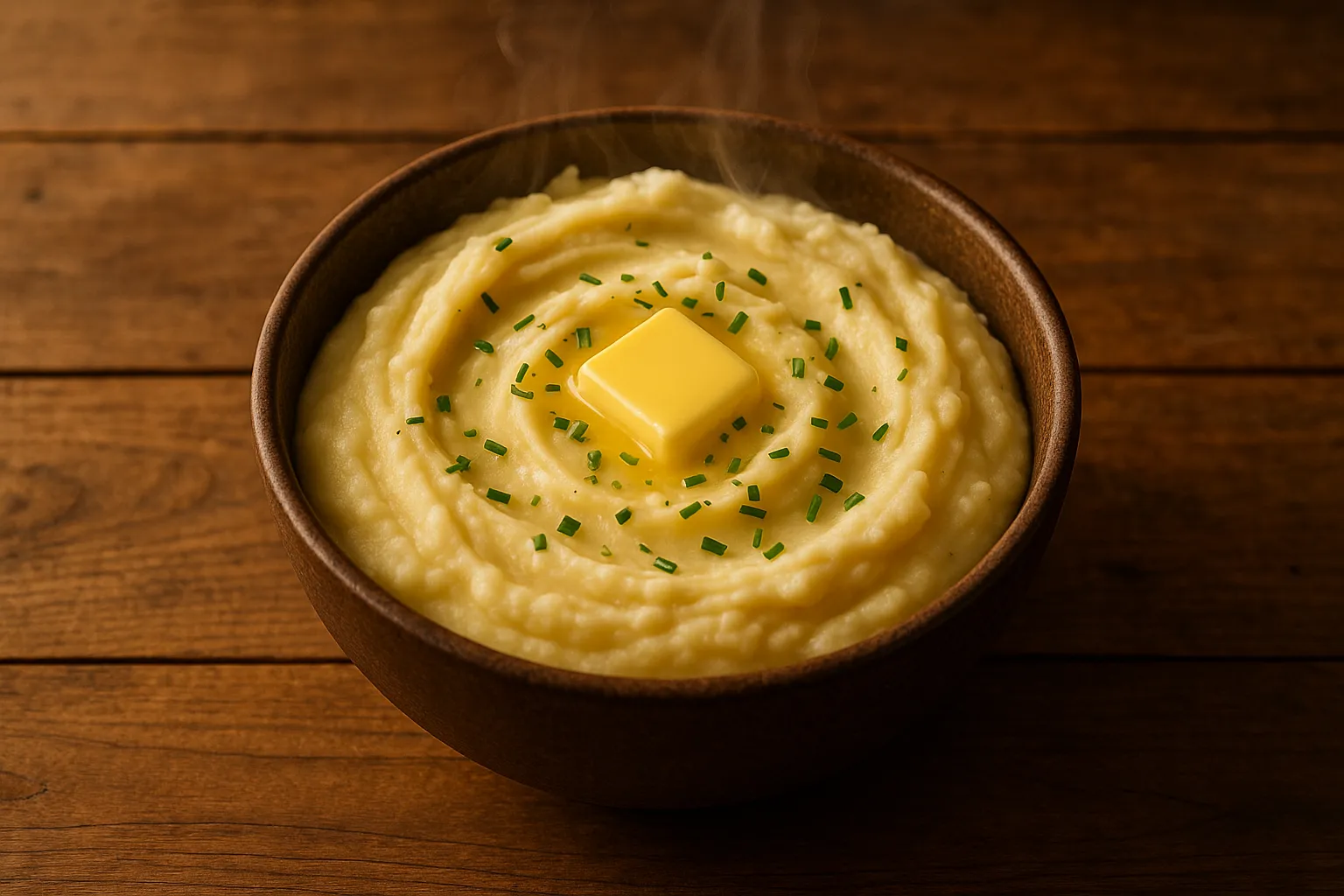
Quick Nutrition Facts
Per 1 Cup Mashed Potatoes (210g)
| Nutrient | Amount |
|---|---|
| Calories | 145 kcal |
| Protein | 3.8g |
| Carbohydrates | 32.5g |
| Fiber | 2.5g |
| Sugars | 2.6g |
| Fat | 2.1g |
| Potassium | 897mg |
| Vitamin C | 12.6mg |
| Vitamin B6 | 0.3mg |
| Folate | 13mcg |
Macronutrient Breakdown
 ChatGPT
  Claude
  AI Mode
  Perplexity
NUTRITIONIST INSIGHT
Potatoes (with skin) rank second on the Satiety Index, meaning they keep you fuller longer per calorie than almost any other food. Cooled mashed potatoes contain resistant starch that acts like fiber, improving gut health and supporting fat loss.
Myth Busters
MYTH #1: Potatoes Are Bad for Weight Loss
TRUTH: Boiled potatoes support weight loss—they're more satiating than bread, pasta, or rice. One cup has only 145 calories but keeps you fuller for hours. The issue: added butter, cream, or fried preparation. Choose boiling and measure fat portions.
MYTH #2: Potatoes Are Too High in Carbs
TRUTH: 32.5g carbs per cup is moderate, not excessive. For context: one medium banana = 27g, a slice of bread = 15g. The key difference: resistant starch in cooled potatoes acts like fiber, slowing glucose absorption and reducing blood sugar spikes.
MYTH #3: Diabetics Must Avoid All Potatoes
TRUTH: Diabetics can eat boiled mashed potatoes in moderation. Green/cooled potatoes lower the glycemic index from 85 to 55–60. Best practice: half-cup portions (16g carbs), pair with protein and fat, monitor blood sugar.
MYTH #4: Peeling Potatoes Removes Toxins
TRUTH: Potatoes contain negligible solanine (the alkaloid compound) in normal amounts and ripeness. Peeling removes 50% of fiber and several minerals. Keep the skin when possible for nutritional benefit; scrub well and discard any green spots.
MYTH #5: All Mashed Potatoes Have the Same Calories
TRUTH: Preparation method varies dramatically. Boiled plain: 77 kcal per 100g. With 2 tbsp butter and cream: 150+ kcal per 100g. Always measure added fats; restaurant versions often contain 400–600 kcal per cup due to excess butter and cream.
MYTH #6: Potatoes Cause Blood Sugar Spikes in Everyone
TRUTH: Individual glycemic response varies. Cooled potatoes trigger slower glucose rise than hot potatoes due to resistant starch formation. Pairing with protein, fat, or acid (vinegar, lemon) further reduces the spike. Test your personal response.
NutriScore by Health Goals
| Health Goal | NutriScore | Why This Score? |
|---|---|---|
| Weight Loss |  | High satiety index, 145 kcal per cup, 2.5g fiber promotes fullness. Cooled potatoes contain resistant starch supporting fat loss. |
| Muscle Gain |  | Post-workout carbs (32.5g) replenish glycogen, 897mg potassium prevents cramps. Pair with protein source for complete amino acids. |
| Diabetes Management |  | Moderate GI when boiled/cooled. Half-cup portions (16g carbs), pair with protein/fat, monitor individual blood sugar response closely. |
| PCOS Management | | Carbs can affect insulin sensitivity; choose boiled over fried, limit portion to 1/2 cup, pair with protein. Resistant starch in cooled potatoes may improve insulin response. |
| Pregnancy Nutrition | | Excellent source of folate (13mcg) for fetal development, potassium supports blood pressure, easy to digest. Rich in vitamins B6 and C for maternal immunity. |
| Viral/Flu Recovery | | Easily digestible, provides sustained carbohydrate energy, 12.6mg vitamin C boosts immunity, potassium replaces electrolytes lost during illness. |
PERSONALIZED NUTRITION
Track your meals with NutriScan for personalized NutriScores based on your specific health goals!
Blood Sugar Response to Mashed Potatoes
Understanding how mashed potatoes affect blood glucose helps you time portions and pair them with other foods for stable energy.
Typical Glucose Response Curve
This chart shows typical blood glucose response for general healthy individuals. Individual responses may vary. Not medical advice.
How to Flatten the Spike
- 🥚 Boiled eggs or egg white scramble - Complete protein with choline
- 🐟 Grilled salmon or fish - Omega-3s improve insulin sensitivity
- 🥝 Greek yogurt or curd (dahi) - Protein and probiotics for digestion
- 🌰 A handful of nuts (almonds, cashews) - Healthy fats and minerals
Cooking method also matters: boiled mashed potatoes cause smaller glucose spikes than instant/fried versions. Cooling leftovers increases resistant starch formation, further improving blood sugar control.
Cultural Significance
Potatoes originated in the Andes Mountains (South America) over 7,000 years ago, and became a global staple after European colonization.
In India:
- Often served as a comfort side dish in North Indian cuisine (aloo recipes)
- Potatoes replace traditional starches in casual family meals
- Ayurveda values potatoes for digestive warmth, especially in cooler seasons
- Popular in street food (aloo parathas, aloo samosas) and festival dishes
Global Impact:
- World's fourth-largest food crop after rice, wheat, and corn
- Staple in European, American, and Asian cuisines
- Over 4,000 potato varieties exist globally, ranging from Russet to fingerling
- Sustainable crop: entire plant is edible and used (tubers, leaves, stems)
Compare & Substitute
Mashed Potatoes vs Similar Starches (Per 100g)
| Nutrient | 🥔 Mashed Potatoes | 🍚 Boiled Rice | 🌽 Corn Polenta | 🍠 Sweet Potato Mash |
|---|---|---|---|---|
| Calories | 69 kcal | 130 kcal | 142 kcal | 46 kcal |
| Carbs | 15.5g | 28g | 32g | 10.5g |
| Fiber | 1.2g | 0.4g | 2g | 1.7g |
| Protein | 1.8g | 2.7g | 3g | 0.9g |
| Fat | 1g | 0.3g | 0.5g | 0.1g |
| Potassium | 427mg | 30mg | 22mg | 337mg |
| Vitamin C | 6mg | 0mg | 0mg | 4mg |
| Best For | Satiety, post-workout | Mild taste, digestibility | Creamy texture, gluten-free | Vitamin A, weight loss |
Frequently Asked Questions
Are mashed potatoes good for weight loss?
Yes when they are boiled and lightly dressed, since 1 cup (210g) is 145 calories with 2.5g fiber. That cup ranks second on the Satiety Index, so it keeps you fuller longer than almost any other carbohydrate. Cream and extra butter are what break it, pushing the same cup past 400 calories. The secret: boiled potatoes with minimal butter; store leftovers in the fridge overnight so resistant starch forms. Avoid cream, extra butter, or fried versions which spike calories to 400+ per cup.
Can diabetics eat mashed potatoes?
Diabetics can eat boiled mashed potatoes in controlled portions. Glycemic index drops from 85 (hot) to 55–60 (cooled). Best practices: limit to half a cup (16g carbs), pair with grilled chicken or fish, and monitor your personal blood sugar response 2 hours after eating.
What preparation method is healthiest?
Boil potatoes unpeeled, then mash gently with a splash of low-fat milk or Greek yogurt instead of cream. Add roasted garlic, fresh herbs, or lemon juice for flavor without extra calories. Cool and refrigerate overnight to maximize resistant starch (acts like fiber). Skip instant mashed potatoes; they lack fiber and require more water/fat for creaminess.
How do I balance mashed potatoes in a meal?
One cup (145 kcal, 32g carbs) pairs well with: 4–6 oz grilled fish or chicken (170–240 kcal, 25–35g protein); 1 cup steamed vegetables (25–50 kcal); olive oil drizzle (40–60 kcal). Total meal: ~400 kcal, balanced macros, sustained energy for 3–4 hours.
Are mashed potatoes good for muscle recovery?
Yes—post-workout. The 32.5g carbs replenish glycogen depleted during training; 897mg potassium prevents muscle cramps; 3.8g protein contributes to amino acid pool. Pair with a protein shake or grilled meat to complete amino acid profiles and maximize muscle protein synthesis.
Are potatoes healthy for pregnant women?
Excellent choice. Potassium supports blood pressure stability and reduces swelling; folate aids fetal neural development; vitamin B6 eases nausea. Well-cooked mashed potatoes digest easily, provide sustained energy, and prevent constipation (common in pregnancy). Aim for 1 cup daily as part of a balanced diet.


Similar Nutritious Starches
4505 Chicharrones Classic Chili Salt
7 Eleven Japan Crispy Corn Cheese
Explore More Nutrition Tools & Resources
AI Calorie Counter App - Snap a Photo, Get Macros
AI Nutritionist App That Reads Your Logged Meals
Best Protein Supplements for Women
Bulking Meal Plan App That Sets Your Surplus
ChatGPT Calorie Counter Alternative That Keeps the Total
ChatGPT Diet Plan Alternative That Tracks What You Eat
ChatGPT Weight Loss Coach Alternative With a Food Log
Fast Food Calorie Counter App That Reads the Tray
Free Calorie Tracker App with AI Photo Scans | NutriScan
Indian Diet Plan App With Veg and Non Veg Meals
Indian Food Calorie Calculator - Get Instant Nutrition Facts for Desi Meals — 2026
Intermittent Fasting for Women, Timer and Meal Log App
Intermittent Fasting Tracker App - Free Fasting Timer
Macro Tracker App That Fills the Numbers From a Photo
Mediterranean Diet Meal Plan App That Counts the Oil
Micronutrient Tracker App for Vitamins and Minerals
MyFitnessPal Alternative That Stays Free | NutriScan
NutriScore App: A Free Grade on Every Meal | NutriScan
Nutrition Label Scanner App for the Amount You Ate
Second Trimester Protein Guide
Vegetarian Meal Plan App With a Protein Target
Voice Calorie Counter - Speak to Track Meals Hands-Free
Water and Calorie Tracker App - Free Water Log