Matcha Ice Cream Cup: Calories, Nutrition and Health Facts
Creamy green tea ice cream with antioxidant benefits, but high sugar content demands mindful portions.
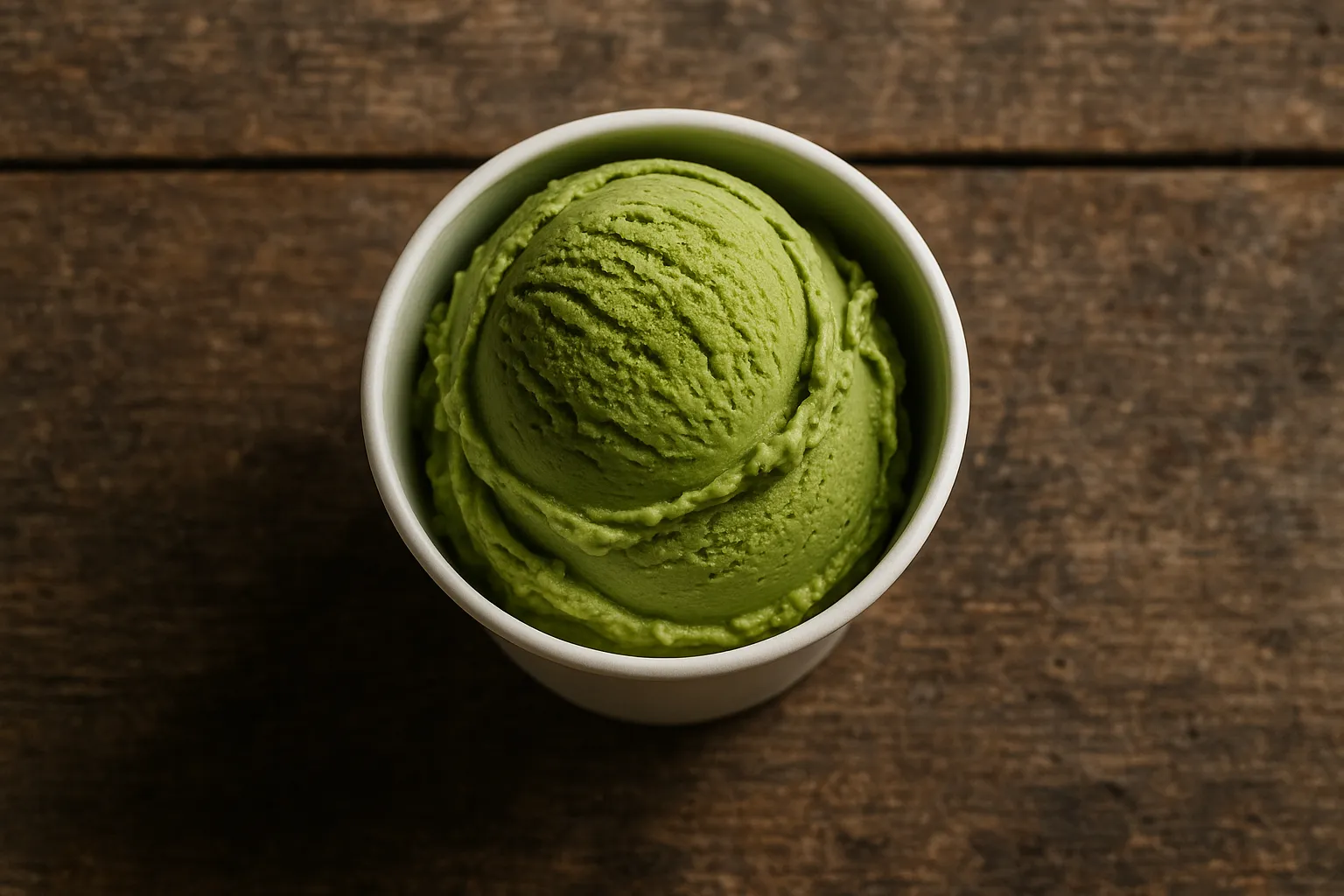
Quick Nutrition Facts
Per 0.5 Cup (94g)
| Nutrient | Amount |
|---|---|
| Calories | 210 kcal |
| Protein | 3g |
| Carbohydrates | 25g |
| Sugars | 20g |
| Fat | 11g |
| Saturated Fat | 7g |
| Calcium | 100mg |
| Sodium | 50mg |
| Fiber | 0g |
| Caffeine | 15-30mg |
Per 100g: 223 kcal, 3.2g protein, 26.6g carbs, 21.3g sugar, 11.7g fat
Macronutrient Breakdown
 ChatGPT
  Claude
  AI Mode
  Perplexity
NUTRITIONIST INSIGHT
Matcha ice cream contains EGCG antioxidants and L-theanine from matcha powder, offering calm focus. However, 20g sugar per cup outweighs these benefits. For true matcha benefits, choose unsweetened matcha tea instead.
Myth Busters
MYTH #1: Matcha Ice Cream Is a Health Food
TRUTH: Despite matcha's antioxidants, ice cream versions contain 20g sugar and 11g fat per half cup, negating health benefits. Studies on matcha's benefits used pure matcha tea (2-4g powder), not sugar-laden desserts. Choose plain matcha tea for real benefits.
MYTH #2: Matcha Ice Cream Has as Much Antioxidants as Matcha Tea
TRUTH: Matcha ice cream contains far less matcha powder (estimated 1-2g per cup) compared to traditional matcha tea (1-2g per serving). The dairy and high sugar content also reduce antioxidant absorption. Net benefit is minimal.
MYTH #3: Matcha Ice Cream Boosts Metabolism
TRUTH: Pure matcha contains catechins that may modestly increase metabolism by 3-4%, but ice cream's high sugar and fat content promote fat storage, offsetting any metabolic benefit. Not effective for weight loss.
MYTH #4: Green Color Means It's Healthy
TRUTH: The vibrant green comes from matcha powder, but some brands use artificial colors (spirulina extract, turmeric). Always check ingredients. Green color doesn't reduce the 20g sugar per cup or 210 calories.
MYTH #5: Matcha Ice Cream Won't Affect Sleep
TRUTH: Matcha ice cream contains 15-30mg caffeine per half cup. While less than coffee (95mg), it's enough to disrupt sleep if consumed 4-6 hours before bedtime, especially in caffeine-sensitive individuals.
MYTH #6: Matcha Ice Cream Is Lower Calorie Than Regular Ice Cream
TRUTH: Matcha ice cream has similar calories (210 per half cup) and sugar (20g) to vanilla or chocolate ice cream. The matcha addition doesn't reduce caloric density. Treat as any other ice cream for calorie tracking.
NutriScore by Health Goals
| Health Goal | NutriScore | Why This Score? |
|---|---|---|
| Weight Loss |  | 210 calories and 20g sugar per half cup can fit a deficit if tracked carefully. Better alternatives: frozen Greek yogurt with matcha powder, or matcha protein smoothie. |
| Muscle Gain |  | Only 3g protein per cup makes it inefficient post-workout. The 11g fat and 25g carbs provide some energy, but choose protein-rich options instead. Add protein powder if consuming. |
| Diabetes Management | | 20g sugar causes blood glucose spike. Matcha may improve insulin sensitivity, but ice cream's sugar negates this. Choose sugar-free versions or avoid. |
| PCOS Management | | High sugar (20g) worsens insulin resistance. Matcha catechins may help hormonal balance, but sugar content outweighs benefits. Limit to rare treat. |
| Pregnancy Nutrition | | Provides calcium (100mg) and moderate caffeine (15-30mg won't exceed 200mg daily pregnancy limit). Limit sugar. |
| Viral/Flu Recovery | | Matcha's EGCG has antiviral properties, but sugar suppresses immune function. Choose matcha tea instead for recovery. Ice cream offers comfort, not healing. |
PERSONALIZED NUTRITION
Track your meals with NutriScan for personalized NutriScores based on your specific health goals!
Blood Sugar Response to Matcha Ice Cream
Understanding how matcha ice cream affects your blood glucose helps you make informed decisions about portion control and meal pairing.
Typical Glucose Response Curve
This chart shows typical blood glucose response for general healthy individuals. Individual responses may vary. Not medical advice.
How to Minimize the Spike
Pairing ice cream with protein or fiber slows sugar absorption and reduces the blood glucose peak:
- 🥜 Handful of almonds or walnuts - Healthy fats slow sugar release
- 🫘 1-2 tbsp nut butter - Protein and fat combination
- 🍓 Fresh berries (strawberries, raspberries) - Fiber balances sugar impact
- 🌰 Chia seeds (1 tbsp) - Fiber and omega-3s for sustained energy
Better strategy: Make matcha "nice cream" at home—blend frozen bananas with matcha powder for lower calories and no added sugar.
Cultural Significance
Matcha ice cream (抹茶アイス, Matcha Aisu) originated in Japan in the 1970s, combining traditional matcha tea culture with Western ice cream.
In Japan:
- Ubiquitous flavor alongside vanilla and chocolate
- Traditional tea ceremony roots: matcha whisked ceremonial drink since 12th century
- Popularized globally through Japanese cafes and restaurants
- Often paired with red bean paste (anko) or mochi for authentic experience
Global Impact:
- Matcha trend exploded in US and Europe (2010s)
- Health halo effect: marketed as "superfood dessert"
- Premium pricing due to matcha powder cost
- Inspired matcha lattes, matcha desserts, matcha skincare
Traditional Uses:
- Zen Buddhism: consumed during meditation for calm alertness
- L-theanine + caffeine synergy promotes "relaxed focus" state
- Ceremonial grade (highest quality) vs culinary grade (cooking, ice cream)
Compare & Substitute
Matcha Ice Cream vs Healthier Alternatives (Per 100g)
| Nutrient | 🍨 Matcha Ice Cream | 🍦 Vanilla Ice Cream | 🍌 Matcha "Nice Cream" | 🥛 Frozen Greek Yogurt |
|---|---|---|---|---|
| Calories | 223 kcal | 207 kcal | 89 kcal | 133 kcal |
| Carbs | 26.6g | 23.6g | 23g | 18g |
| Sugars | 21.3g | 21g | 12g (natural) | 10g |
| Protein | 3.2g | 3.5g | 1.1g | 10g |
| Fat | 11.7g | 11g | 0.3g | 5g |
| Calcium | 106mg | 128mg | 5mg | 150mg |
| Fiber | 0g | 0g | 2.6g | 0g |
| Caffeine | 15-30mg | 0mg | 15-30mg (if added) | 0mg |
| Best For | Occasional indulgence | Classic comfort | Weight loss, low-cal | High protein, gut health |
Frequently Asked Questions
How many calories are in matcha ice cream?
A half cup (94g) of matcha ice cream contains 210 calories. Per 100g, it contains 223 calories—considered moderate-calorie with most energy from fat (11.7g) and sugar (21.3g).
Context: This is equivalent to 2 medium bananas or 1 cup of cooked brown rice. One pint (2 cups) contains 840 calories.
Is matcha ice cream healthier than regular ice cream?
Matcha ice cream has similar calories and sugar to vanilla ice cream but contains matcha antioxidants (EGCG) and L-theanine. However, research shows high sugar and fat content outweigh these benefits.
Comparison per 100g: Matcha ice cream (223 kcal, 21g sugar) vs vanilla (207 kcal, 21g sugar). The antioxidant amount is minimal compared to pure matcha tea. Treat as regular ice cream nutritionally.
Does matcha ice cream have caffeine?
Yes, matcha ice cream contains 15-30mg caffeine per half cup depending on matcha concentration. This is much less than:
- Brewed matcha tea (70mg per cup)
- Coffee (95mg per cup)
- Green tea (28mg per cup)
Sensitivity note: While low, it's enough to affect caffeine-sensitive individuals or disrupt sleep if consumed 4-6 hours before bedtime. Pregnant women should track total daily caffeine (<200mg limit).
Can diabetics eat matcha ice cream?
Diabetics should limit matcha ice cream due to high sugar content (20g per half cup). While matcha may improve insulin sensitivity, the ice cream's sugar negates this benefit.
If consumed:
- Choose sugar-free or keto versions (erythritol, stevia-sweetened)
- Limit to 1/4 cup (half portion)
- Pair with protein or nuts to slow glucose absorption
- Monitor blood glucose 1-2 hours after consumption
Better alternative: Make matcha protein smoothie or matcha chia pudding with low-glycemic sweeteners.
What are the health benefits of matcha ice cream?
Matcha ice cream provides minimal health benefits compared to pure matcha tea. It contains:
- EGCG antioxidants: Anti-inflammatory, may support heart health (but minimal amount)
- L-theanine: Promotes calm focus and reduces anxiety (trace amounts)
- Calcium: 100mg per half cup (8% daily value)
However: The 20g sugar and 11g fat per cup promote inflammation and weight gain, negating antioxidant benefits. For true matcha benefits, choose unsweetened matcha tea (1-2g powder) instead.
How much matcha ice cream is safe to eat?
General guidelines:
- Most people: 1/2 cup (94g) as occasional treat, 1-2 times weekly maximum
- Weight loss: Limit to 1/4 cup monthly, or choose matcha "nice cream" (frozen banana + matcha)
- Diabetes: Choose sugar-free versions or avoid; never exceed 1/4 cup
- Pregnancy: Safe in moderation (caffeine 15-30mg is well below 200mg limit), but limit sugar intake
Daily consumption is not recommended. One pint (2 cups) contains 840 calories and 80g sugar—more than recommended daily sugar intake (25-36g).
Is matcha ice cream safe during pregnancy?
Matcha ice cream is safe in moderation during pregnancy. Key considerations:
- Caffeine: 15-30mg per half cup is well below ACOG's 200mg daily limit
- Calcium: Provides 100mg (8% daily need)
- Sugar: 20g per cup can contribute to gestational diabetes risk
Best practices:
- Limit to 1/2 cup weekly as a treat
- Track total daily caffeine from all sources (tea, chocolate, coffee)
- Choose low-sugar or make homemade matcha "nice cream" with frozen bananas
- Prioritize nutrient-dense foods for pregnancy nutrition
Consult your healthcare provider if you have gestational diabetes or caffeine sensitivity.


Similar Nutritious Foods
4505 Chicharrones Classic Chili Salt
7 Eleven Japan Crispy Corn Cheese
Explore More Nutrition Tools & Resources
AI Calorie Counter App - Snap a Photo, Get Macros
AI Nutritionist App That Reads Your Logged Meals
Best Protein Supplements for Women
Bulking Meal Plan App That Sets Your Surplus
ChatGPT Calorie Counter Alternative That Keeps the Total
ChatGPT Diet Plan Alternative That Tracks What You Eat
ChatGPT Weight Loss Coach Alternative With a Food Log
Fast Food Calorie Counter App That Reads the Tray
Free Calorie Tracker App with AI Photo Scans | NutriScan
Indian Diet Plan App With Veg and Non Veg Meals
Indian Food Calorie Calculator - Get Instant Nutrition Facts for Desi Meals — 2026
Intermittent Fasting for Women, Timer and Meal Log App
Intermittent Fasting Tracker App - Free Fasting Timer
Macro Tracker App That Fills the Numbers From a Photo
Mediterranean Diet Meal Plan App That Counts the Oil
Micronutrient Tracker App for Vitamins and Minerals
MyFitnessPal Alternative That Stays Free | NutriScan
NutriScore App: A Free Grade on Every Meal | NutriScan
Nutrition Label Scanner App for the Amount You Ate
Second Trimester Protein Guide
Vegetarian Meal Plan App With a Protein Target
Voice Calorie Counter - Speak to Track Meals Hands-Free
Water and Calorie Tracker App - Free Water Log