McDonald's Egg McMuffin: Calories, Nutrition and Health Benefits
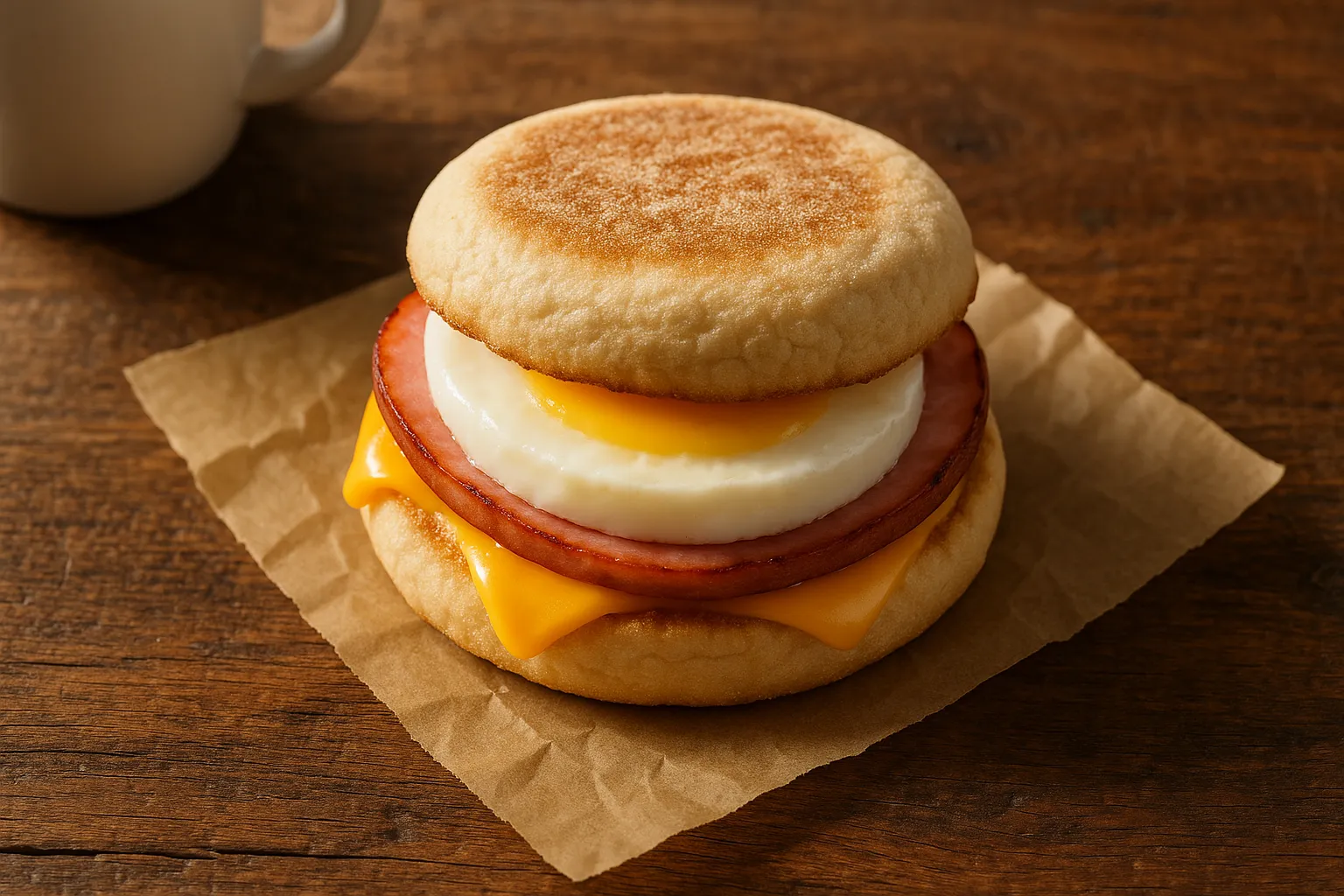
A surprisingly balanced breakfast: real egg, Canadian bacon, and melted cheese on a toasted English muffin. Exceptional protein-to-calorie ratio for weight loss and sustained energy throughout the morning.
Quick Nutrition Facts
Per 1 Egg McMuffin (138g)
| Nutrient | Amount |
|---|---|
| Calories | 298 kcal |
| Protein | 17g |
| Carbohydrates | 30g |
| Fiber | 1.5g |
| Sugars | 3g |
| Fat | 12g |
| Sodium | 730mg |
| Cholesterol | 185mg |
| Saturated Fat | 4.5g |
Macronutrient Breakdown
 ChatGPT
  Claude
  AI Mode
  Perplexity
NUTRITIONIST INSIGHT
The Egg McMuffin achieves exceptional macronutrient balance: 17g protein (34% DV), 30g carbs, and only 298 calories. The whole egg provides choline (brain health, fat metabolism), Canadian bacon adds B vitamins, and cheddar provides calcium and vitamin K2 for bone health. A rare fast-food breakfast that delivers nutrition and satiety.
Myth Busters
MYTH #1: Eggs at Breakfast Increase Cholesterol and Heart Disease Risk
TRUTH: Dietary cholesterol has minimal impact on blood cholesterol for most people (only 25% of population is cholesterol-sensitive). One egg contains 185mg cholesterol but also choline (reduces homocysteine), lutein (protects vision), and antioxidants. Whole eggs at breakfast support weight loss and satiety.
MYTH #2: Fast Food Breakfast Can't Be Nutritious
TRUTH: The Egg McMuffin is one of the most nutrient-dense fast-food breakfasts available. 17g protein, 12g fat, 30g carbs, plus calcium, selenium, and B vitamins. Compare to most breakfast pastries (0–3g protein, 30g sugar); the McMuffin is objectively superior.
MYTH #3: Processed Cheese Is Bad For You
TRUTH: American cheese and cheddar in the McMuffin provide bioavailable calcium (200mg per muffin = 20% DV), vitamin K2 (supports bone health), and dairy probiotics. While higher in sodium than fresh cheese, it's acceptable within daily limits (730mg = 30% of 2,300mg daily).
MYTH #4: You Shouldn't Eat Bacon for Health
TRUTH: Canadian bacon (back bacon, lean) in the McMuffin provides 3g protein, selenium (immunity), B vitamins, and minimal saturated fat (0.8g per slice). Regular pork belly bacon is fattier; back bacon is 96% fat-free. One slice in context of a balanced meal is fine.
MYTH #5: English Muffins Are Less Healthy Than Bagels or Bread
TRUTH: English muffin (in the McMuffin) = 156 cal, 30g carbs, 1.5g fiber. Bagel = 210 cal, 41g carbs, 2g fiber. Two slices whole wheat bread = 160 cal, 26g carbs, 4g fiber. English muffin is lower-calorie; pair it with the egg and cheese for complete macros.
MYTH #6: Breakfast Sandwiches Cause Weight Gain
TRUTH: 298 calories fit any diet when planned. Weight gain comes from total daily calories and meal frequency, not a single item. The McMuffin's 17g protein (vs 2–5g in pastries) prevents overeating at lunch by 200+ calories. Breakfast with adequate protein is associated with lower daily calorie intake.
NutriScore by Health Goals
| Health Goal | NutriScore | Why This Score? |
|---|---|---|
| Weight Loss |  | 298 cal, 17g protein (high protein-to-calorie), 12g fat. Exceptional satiety per calorie; skip fries/hash browns and drink water. |
| Muscle Gain | | 17g protein, 30g carbs, 298 cal—ideal breakfast post-light workout. Protein supports recovery; carbs refuel. Pair with water or black coffee, not sugary drinks. |
| Diabetes Management |  | 30g carbs, moderate GI (~52). Pair with unsweetened beverage. Monitor blood sugar; once weekly safe for most diabetics with consistent carb portions. |
| PCOS Management | | 17g protein, 12g fat, 30g carbs—high protein supports insulin sensitivity. Moderate carbs within PCOS guidelines. Choose once weekly; track overall carb intake. |
| Pregnancy Nutrition | | Whole egg (choline for fetal brain), 17g protein (supports amniotic fluid and placenta), calcium (fetal bones). Safe sodium (730mg of 3,000mg daily). Ideal pregnancy breakfast. |
| Viral/Flu Recovery | | Easy to swallow when ill, 17g protein aids recovery, 30g carbs provide energy. Egg is gentle on digestion; warm English muffin soothing. Pair with warm broth or weak tea. |
PERSONALIZED NUTRITION
Track your meals with NutriScan for personalized NutriScores based on your specific health goals!
Blood Sugar Response to Egg McMuffin
Moderate carbohydrates (30g) in an English muffin cause gentle glucose elevation, especially when paired with 17g protein and 12g fat.
Typical Glucose Response Curve
*This chart shows typical blood glucose response for general healthy individuals. Individual responses may vary. Not medical advice.*
How to Optimize the Response
Protein and fat in the McMuffin already slow glucose absorption effectively:
- ☕ Unsweetened coffee or tea - Caffeine improves glucose tolerance; skip sugary lattes
- 💧 8 oz water with meal - Hydration supports glucose regulation (avoid adding to muffin)
- 🥒 Vinegar drink (optional) - Acetic acid further slows starch digestion if desired
- 🚶 10-minute walk post-meal - Muscle activity helps glucose clearance (especially for diabetics)
The whole egg and Canadian bacon provide natural fat and protein; no need for additional fats. Pair with plain black coffee (zero calories, improves glucose handling).
Cultural Significance
The Egg McMuffin was invented by Herb Peterson (a McDonald's franchisee) in 1972 to expand McDonald's breakfast offerings. It became the iconic fast-food breakfast sandwich globally.
Regional Adoption:
- United States: Breakfast staple, competing with Starbucks breakfast offerings
- United Kingdom: Adapted with different cheese and bread styles; remains popular
- Australia: Often served all-day or with hashbrowns as a standard combo
- India: Modified with paneer or veggie options due to dietary preferences
Nutritional Legacy: The Egg McMuffin helped shift the perception that fast food can't be nutritious, paving the way for healthier breakfast options across chains.
Compare & Substitute
McDonald's Egg McMuffin vs Breakfast Alternatives (Per Sandwich/Item)
| Nutrient | 🥚 Egg McMuffin | 🍳 Home-Cooked Eggs + Toast | ☕ Starbucks Egg Sandwich | 🥣 Oatmeal + Protein | 🥛 Greek Yogurt |
|---|---|---|---|---|---|
| Calories | 298 kcal | 280 kcal | 360 kcal | 300 kcal | 100 kcal |
| Protein | 17g | 14g | 12g | 15g (with powder) | 15g |
| Carbs | 30g | 28g (2 slices whole wheat) | 32g | 50g (with fruit) | 8g |
| Fat | 12g | 8g | 18g | 4g | 1g |
| Sodium | 730mg | 280mg | 680mg | 100mg | 60mg |
| Fiber | 1.5g | 4g | 1g | 4g (with oats) | 0g |
| Best For | Convenience | Maximum control, less sodium | Premium coffee experience | Budget-friendly | Calorie-minimal |
Frequently Asked Questions
Is McDonald's Egg McMuffin good for weight loss?
Absolutely. At 298 calories with 17g protein, the Egg McMuffin is one of the best fast-food breakfast options for weight loss. The high protein-to-calorie ratio (0.057) delivers exceptional satiety; most people feel full 3–4 hours post-breakfast. Skip fries and hash browns, drink water, and limit to 1–2 weekly. Fits easily into a 1,500–2,000 calorie daily diet.
Can people with diabetes eat McDonald's Egg McMuffin?
Yes, safely. The 30g carbs fall within moderate breakfast carb targets (30–45g). The whole egg and Canadian bacon provide protein and fat that slow glucose absorption. English muffins have moderate glycemic index (~52). Diabetics should pair with unsweetened tea or black coffee, avoid sugary sides, and monitor blood sugar to confirm individual tolerance. Once weekly is safe; daily consumption requires consultation with a healthcare provider.
How much protein is in McDonald's Egg McMuffin?
The Egg McMuffin contains 17g of protein (34% daily value)—exceptional for a 298-calorie breakfast. This comes from: whole egg (6g), Canadian bacon (3g), and cheddar cheese (7g). The high protein content supports muscle preservation during weight loss, prevents mid-morning hunger spikes, and aids recovery from light exercise.
What makes the Egg McMuffin nutritionally superior to most fast-food breakfasts?
Whole egg provides choline (neurotransmitter synthesis, fat metabolism), lutein (eye health), and bioavailable iron; Canadian bacon is lean (96% fat-free) and provides selenium; cheddar supplies calcium and vitamin K2 (bone health); English muffin offers B vitamins and sustained carbs. At 298 calories with 17g protein, 30g carbs, and 12g fat, it beats pastries (0–3g protein, 20–30g sugar) and most bagel sandwiches (15g protein, 400+ calories).
Is the Egg McMuffin better than oatmeal for breakfast?
Depends on goals. Egg McMuffin: 298 cal, 17g protein, 30g carbs, 12g fat—ready-made, convenient, superior satiety, no prep. Plain oatmeal: 150 cal, 5g protein, 27g carbs, 2g fat—requires fruit and protein powder to match McMuffin macros, costs $1–3, takes 10+ minutes. McMuffin wins for convenience; oatmeal wins for cost and customization. For weight loss and time constraints, McMuffin is objectively better.
When is the best time to eat McDonald's Egg McMuffin?
Breakfast (7–9 AM) is optimal to stabilize morning blood sugar and provide sustained energy throughout the morning. The 17g protein prevents mid-morning hunger; the 30g carbs fuel mental and physical tasks. For pre-workout (30–60 minutes before exercise), pair with 8 oz water. Avoid late evening (caffeine from morning coffee lingers; eating closer to bedtime disrupts sleep).
How does the Egg McMuffin compare to other breakfast sandwiches?
McDonald's Egg McMuffin: 298 cal, 17g protein, 12g fat, 30g carbs. Starbucks Bacon & Egg Sandwich: 360 cal, 12g protein, 18g fat, 32g carbs. Burger King Breakfast Sandwich: 310 cal, 11g protein, 15g fat, 30g carbs. McMuffin wins on calories and protein; Burger King is similar; Starbucks is slightly higher calorie but offers premium coffee experience. For pure nutrition, McMuffin is optimal.




Similar Nutritious Foods
4505 Chicharrones Classic Chili Salt
7 Eleven Japan Crispy Corn Cheese
Explore More Nutrition Tools & Resources
AI Calorie Counter App - Snap a Photo, Get Macros
AI Nutritionist App That Reads Your Logged Meals
Best Protein Supplements for Women
Bulking Meal Plan App That Sets Your Surplus
ChatGPT Calorie Counter Alternative That Keeps the Total
ChatGPT Diet Plan Alternative That Tracks What You Eat
ChatGPT Weight Loss Coach Alternative With a Food Log
Fast Food Calorie Counter App That Reads the Tray
Free Calorie Tracker App with AI Photo Scans | NutriScan
Indian Diet Plan App With Veg and Non Veg Meals
Indian Food Calorie Calculator - Get Instant Nutrition Facts for Desi Meals — 2026
Intermittent Fasting for Women, Timer and Meal Log App
Intermittent Fasting Tracker App - Free Fasting Timer
Macro Tracker App That Fills the Numbers From a Photo
Mediterranean Diet Meal Plan App That Counts the Oil
Micronutrient Tracker App for Vitamins and Minerals
MyFitnessPal Alternative That Stays Free | NutriScan
NutriScore App: A Free Grade on Every Meal | NutriScan
Nutrition Label Scanner App for the Amount You Ate
Second Trimester Protein Guide
Vegetarian Meal Plan App With a Protein Target
Voice Calorie Counter - Speak to Track Meals Hands-Free
Water and Calorie Tracker App - Free Water Log