McDonald's Sausage Biscuit: Calories, Nutrition and Health Benefits
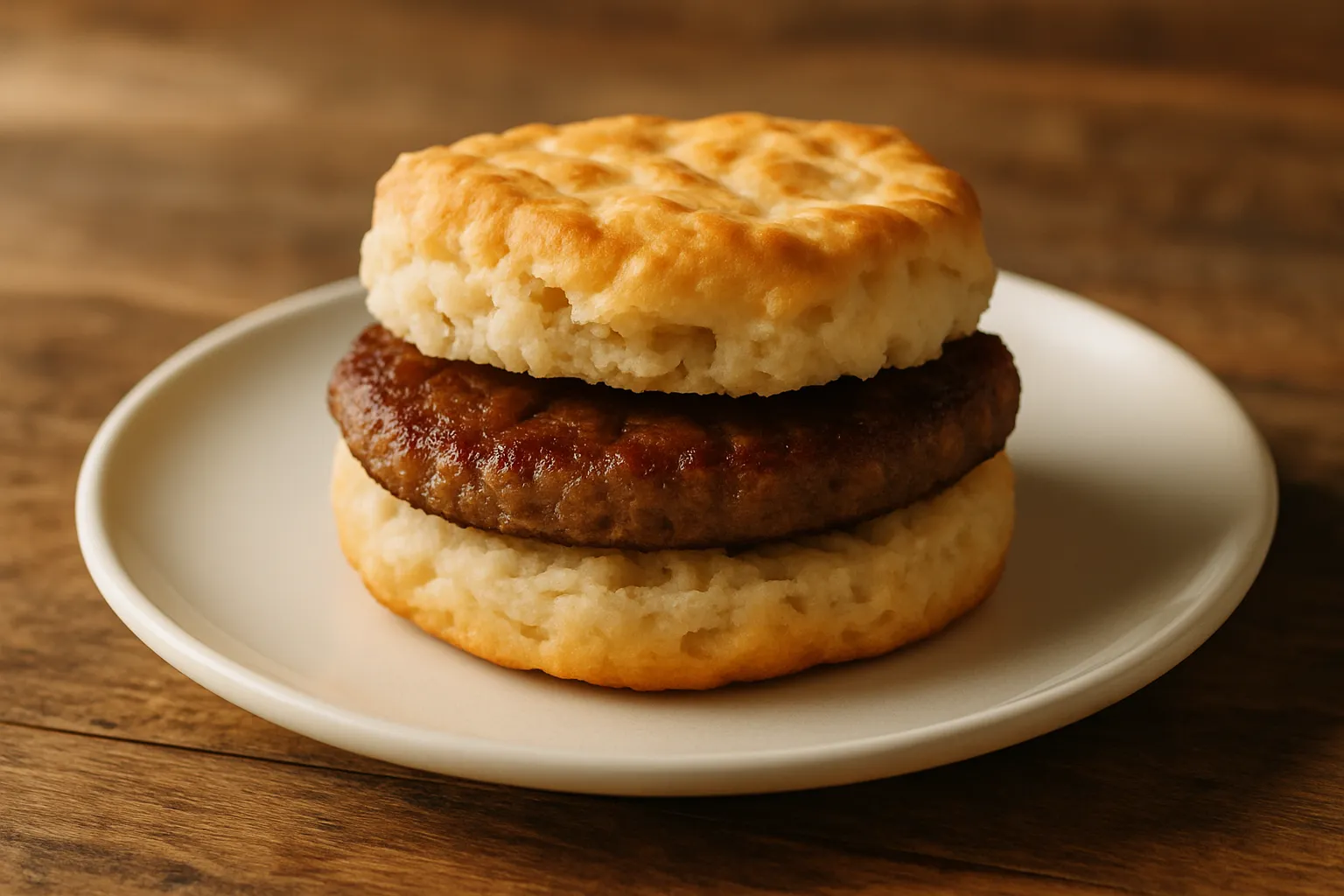
A warm, fluffy buttermilk biscuit topped with a savory pork sausage patty—a protein-rich breakfast sandwich that's convenient but high in saturated fat.
Quick Nutrition Facts
Per 1 Serving (Sausage Biscuit, 113g)
| Nutrient | Amount |
|---|---|
| Calories | 430 kcal |
| Protein | 15g |
| Carbohydrates | 37g |
| Fiber | 2g |
| Sugars | 2g |
| Fat | 23g |
| Saturated Fat | 9g |
| Sodium | 950mg |
| Iron | 2.5mg |
| Calcium | 180mg |
Macronutrient Breakdown
 ChatGPT
  Claude
  AI Mode
  Perplexity
NUTRITIONIST INSIGHT
The Sausage Biscuit is a protein-forward breakfast (15g) with moderate carbs (37g) and substantial fat (23g, mostly saturated). Unlike sugary breakfast options, it provides sustained energy and satiety, but the saturated fat (9g) represents 45% of daily recommendations. Best consumed occasionally paired with fruit or vegetables for micronutrient balance.
Myth Busters
MYTH #1: Sausage Biscuits Are Pure Protein Powerhouses
TRUTH: While 15g protein is solid, the 23g fat—9g saturated—means 59% of calories come from fat. Saturated fat elevation increases LDL cholesterol in some individuals. Pair with leaner proteins (egg white sandwich) for daily variation.
MYTH #2: Fast-Food Sausage Is Equivalent to Home-Cooked Pork
TRUTH: McDonald's sausage contains preservatives, high sodium (350mg per patty), and higher salt than fresh ground pork. Home-cooked sausage offers better sodium control and fewer additives.
MYTH #3: The Buttermilk Biscuit Is a Light, Whole-Grain Option
TRUTH: McDonald's buttermilk biscuit uses refined wheat flour, buttermilk, and shortening, delivering 37g carbs with only 2g fiber. Whole-grain options (1–2 slices multigrain bread) provide 4–6g fiber, improving satiety and blood sugar control.
MYTH #4: One Sausage Biscuit Fits Any Diet
TRUTH: The 950mg sodium (41% of daily limit for 2,300mg standard) is significant for hypertension management. Frequent fast-food breakfast consumption correlates with elevated blood pressure. Limit to 1–2 weekly, not daily.
MYTH #5: The Carbs in a Sausage Biscuit Are Negligible
TRUTH: The 37g carbs represent 12% of a 2,000-calorie diet. While lower than Hotcakes (41g), refined flour causes moderate glycemic response in non-diabetics and rapid spikes in diabetics. Pairing with fiber or protein improves glucose control.
NutriScore by Health Goals
| Health Goal | NutriScore | Why This Score? |
|---|---|---|
| Weight Loss |  | 430 calories, 15g protein aids satiety, but 23g fat (40% saturated) and 37g refined carbs limit score. Best as occasional breakfast with vegetable sides or fruit to boost fiber intake. |
| Muscle Gain |  | 430 calories with 15g protein (good for recovery) and 37g carbs support post-workout replenishment. Pair with vegetables for micronutrients and additional carbs if needed. |
| Diabetes Management |  | 37g refined carbs cause moderate-to-high glycemic response; 950mg sodium raises blood pressure concerns. Not recommended daily. If eaten, pair with non-starchy vegetables. |
| PCOS Management | | 37g carbs and fat combination may trigger insulin resistance in PCOS. Eat only occasionally; balance with low-carb vegetables and focus on whole foods most days. |
| Pregnancy Nutrition | | 15g protein supports fetal growth; 37g carbs provide energy. However, 950mg sodium exceeds pregnancy guidelines (500–700mg breakfast). Enjoy with water/low-sodium beverage. |
| Viral/Flu Recovery | | Easy to swallow, 15g protein aids immune function, and 37g carbs provide energy. Pair with warm broth or electrolyte beverage for hydration support. |
PERSONALIZED NUTRITION
Track your meals with NutriScan for personalized NutriScores based on your specific health goals!
Blood Sugar Response to Sausage Biscuit
The Sausage Biscuit causes a moderate blood glucose rise due to refined wheat flour in the biscuit. The 15g protein and 23g fat slow digestion compared to pure-carb breakfast items, resulting in a lower peak but more sustained elevation.
Typical Glucose Response Curve
This chart shows typical blood glucose response for general healthy individuals. Individual responses may vary. Not medical advice.
How to Flatten the Spike
Pairing the Sausage Biscuit with non-starchy vegetables or low-sugar sides further stabilizes blood glucose:
- 🥗 Side salad - Adds fiber (3–5g), minimal impact on glucose, aids satiety
- 🥒 Dill pickle or pickled vegetables - Zero carbs, probiotic benefits, satisfies salt craving
- 🥒 Apple slices - Natural sugars paired with fiber reduce peak, extend energy
- 🥦 Steamed broccoli or green beans - Minimal carbs, high fiber, micronutrient boost
Adding vegetables reduces refined carb impact by 20–30% and adds essential nutrients absent in the biscuit alone.
Cultural Significance
The Sausage Biscuit represents American breakfast convenience, especially popular in the South and Midwest where biscuits are deeply embedded in regional cuisine.
Regional & Global Context:
- United States (South/Midwest): Comfort breakfast staple; homemade versions use buttermilk and lard for flakiness
- Fast-Food Globalization: Now available in 100+ countries, adapted to local tastes (e.g., spiced sausage in India)
- Health Shift: Growing availability of plant-based sausage alternatives (Impossible, Beyond Meat) reflects health consciousness
Nutritional Legacy:
The fast-food biscuit trend of the 1970s–1980s normalized convenient, protein-rich breakfasts but contributed to elevated sodium and saturated fat intake in American diets. Modern consumers increasingly seek balanced alternatives with whole grains and lower sodium.
Compare & Substitute
McDonald's Sausage Biscuit vs Similar Breakfast Sandwiches (Per Serving)
| Nutrient | 🥪 Sausage Biscuit | 🥓 Bacon Egg & Cheese | 🥚 Egg McMuffin | 🍞 Turkey Sausage |
|---|---|---|---|---|
| Calories | 430 kcal | 450 kcal | 300 kcal | 370 kcal |
| Carbs | 37g | 35g | 27g | 30g |
| Fiber | 2g | 2g | 2g | 2g |
| Protein | 15g | 17g | 17g | 18g |
| Fat | 23g | 25g | 12g | 15g |
| Saturated | 9g | 10g | 5g | 5g |
| Sodium | 950mg | 840mg | 750mg | 850mg |
| Best For | Hearty appetite | Indulgence | Weight loss | Lower fat option |
Frequently Asked Questions
How many calories are in McDonald's Sausage Biscuit?
McDonald's Sausage Biscuit contains 430 calories per serving. This includes the buttermilk biscuit and pork sausage patty; ordering additional items (hash browns, egg) increases total significantly.
Is McDonald's Sausage Biscuit good for weight loss?
The Sausage Biscuit can support weight loss if eaten strategically. At 430 calories with 15g protein and 2g fiber, it provides moderate satiety better than sugary breakfasts. However, the 23g fat (especially 9g saturated) means pairing with low-calorie sides (salad, vegetables) is essential; avoid high-calorie additions like hash browns or large beverages.
How much saturated fat is in the Sausage Biscuit?
The Sausage Biscuit contains 9g saturated fat, representing 45% of the daily recommended limit (20g per 2,000-calorie diet). Frequent saturated fat intake correlates with elevated LDL cholesterol. Limit consumption to 1–2 times weekly and balance with lean protein days (chicken, fish).
Can diabetics eat McDonald's Sausage Biscuit?
Diabetics should approach cautiously. The 37g refined carbs cause moderate-to-high glycemic response; 950mg sodium raises blood pressure. If eaten, pair with non-starchy vegetables, skip sugary beverages, and monitor blood glucose 2 hours post-meal. Not recommended daily; limit to 1–2 monthly with medical clearance.
When is the best time to eat McDonald's Sausage Biscuit?
Early morning (6–9 AM) for sustained breakfast energy due to balanced protein (15g) and fat (23g). Post-workout: Only if combined with additional carbs; the protein supports muscle recovery, but 37g carbs alone are modest for full glycogen replenishment. Avoid late-night due to high fat (slows digestion) and sodium (affects sleep quality).
How does the Sausage Biscuit compare to the Egg McMuffin?
The Sausage Biscuit (430 kcal, 23g fat) is higher-calorie than the Egg McMuffin (300 kcal, 12g fat) and higher in saturated fat (9g vs 5g). The Egg McMuffin provides better protein density (17g in fewer calories) and lower sodium (750mg vs 950mg), making it superior for weight loss and blood pressure management.
Is the sausage patty real meat?
Yes; McDonald's sausage is 100% pork meat plus salt, spices, sugar, and sodium phosphate preservative. It contains no extenders or fillers but is higher in sodium than fresh ground pork due to preservation requirements.
Can pregnant women eat the Sausage Biscuit?
Yes, with caution. The 15g protein supports fetal growth, and 37g carbs provide energy. However, 950mg sodium exceeds pregnancy breakfast guidelines (500–700mg ideal). Enjoy occasionally; pair with water, herbal tea, or low-sodium juice; prioritize whole-grain biscuits on other days for fiber balance.


Similar Nutritious Foods
4505 Chicharrones Classic Chili Salt
7 Eleven Japan Crispy Corn Cheese
Explore More Nutrition Tools & Resources
AI Calorie Counter App - Snap a Photo, Get Macros
AI Nutritionist App That Reads Your Logged Meals
Best Protein Supplements for Women
Bulking Meal Plan App That Sets Your Surplus
ChatGPT Calorie Counter Alternative That Keeps the Total
ChatGPT Diet Plan Alternative That Tracks What You Eat
ChatGPT Weight Loss Coach Alternative With a Food Log
Fast Food Calorie Counter App That Reads the Tray
Free Calorie Tracker App with AI Photo Scans | NutriScan
Indian Diet Plan App With Veg and Non Veg Meals
Indian Food Calorie Calculator - Get Instant Nutrition Facts for Desi Meals — 2026
Intermittent Fasting for Women, Timer and Meal Log App
Intermittent Fasting Tracker App - Free Fasting Timer
Macro Tracker App That Fills the Numbers From a Photo
Mediterranean Diet Meal Plan App That Counts the Oil
Micronutrient Tracker App for Vitamins and Minerals
MyFitnessPal Alternative That Stays Free | NutriScan
NutriScore App: A Free Grade on Every Meal | NutriScan
Nutrition Label Scanner App for the Amount You Ate
Second Trimester Protein Guide
Vegetarian Meal Plan App With a Protein Target
Voice Calorie Counter - Speak to Track Meals Hands-Free
Water and Calorie Tracker App - Free Water Log