Miracle Noodles (Shirataki): Calories, Nutrition and Health Benefits
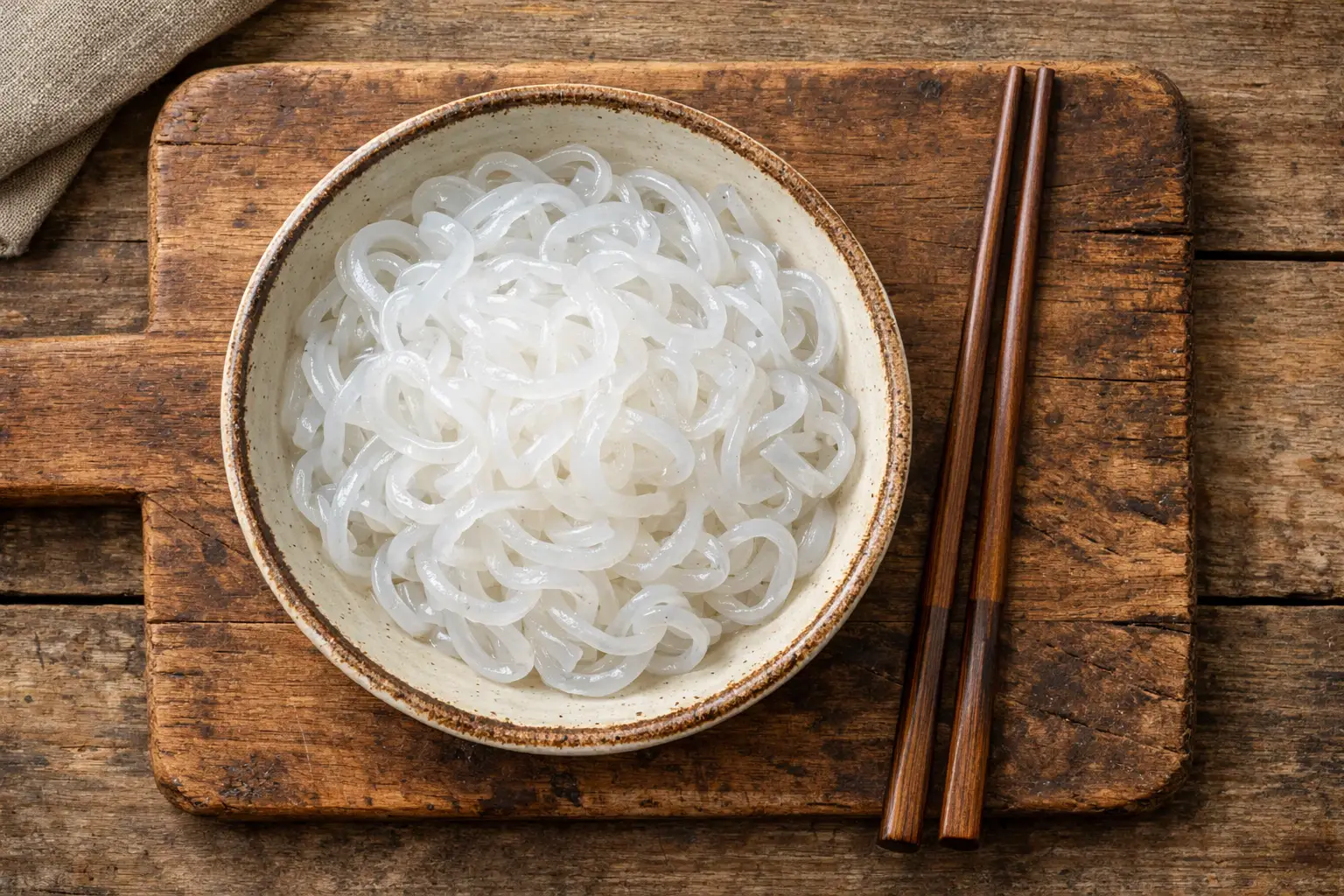
The ultimate low-calorie pasta swap with just 5 calories per serving, powered by glucomannan fiber from the konjac plant.
Quick Nutrition Facts
Per 1 Bag Drained (200g)
| Nutrient | Amount |
|---|---|
| Calories | 5 kcal |
| Protein | 0g |
| Carbohydrates | 3g |
| Fiber | 3g |
| Sugars | 0g |
| Fat | 0g |
| Net Carbs | 0g |
| Sodium | 0mg |
| Calcium | 40mg |
| Iron | 0mg |
Macronutrient Breakdown
 ChatGPT
  Claude
  AI Mode
  Perplexity
NUTRITIONIST INSIGHT
Shirataki noodles are 97% water and 3% glucomannan, a soluble fiber that expands in your stomach to promote fullness. They are one of the only foods where virtually all carbohydrates come from indigestible fiber, making them a true zero net carb option.
Myth Busters
MYTH #1: Shirataki Noodles Have No Nutritional Value
TRUTH: While low in vitamins and minerals, shirataki noodles provide 3g of glucomannan soluble fiber that reduces LDL cholesterol by up to 10% and supports gut health. The key is pairing them with nutrient-dense sauces and proteins.
MYTH #2: Zero-Calorie Foods Don't Exist
TRUTH: Shirataki noodles contain about 5 calories per 200g serving. The glucomannan fiber passes through your digestive system largely unabsorbed. While not technically zero, they are as close to zero-calorie as any whole food can be.
MYTH #3: Shirataki Noodles Cause Digestive Problems
TRUTH: Gradual introduction prevents issues. Start with one serving per day and drink adequate water. Glucomannan is well-tolerated at normal doses of 2-4g daily. Bloating typically occurs only when intake increases too quickly.
MYTH #4: Konjac Fiber Is the Same as Regular Fiber
TRUTH: Glucomannan has exceptional water-absorbing capacity, expanding up to 50 times its weight. This makes it far more effective at promoting satiety than most plant fibers, extending gastric emptying time and reducing appetite.
MYTH #5: Shirataki Noodles Taste Like Regular Pasta
TRUTH: Shirataki has a neutral flavor and slightly chewy, gelatinous texture. They absorb the flavor of sauces and seasonings well. Proper preparation (rinse, boil, dry-roast) removes the natural konjac odor and improves texture significantly.
NutriScore by Health Goals
| Health Goal | NutriScore | Why This Score? |
|---|---|---|
| Weight Loss |  | Only 5 calories per serving. Glucomannan fiber expands in the stomach, promoting fullness and reducing total calorie intake. |
| Muscle Gain |  | Zero protein and negligible calories provide no muscle-building nutrients. Must combine with protein-rich toppings (chicken, tofu, eggs). |
| Diabetes Management | | Near-zero glycemic impact. Konjac glucomannan significantly improves blood glucose control in type 2 diabetes. |
| PCOS Management | | Zero net carbs help maintain stable insulin levels. Excellent pasta replacement for insulin-sensitive diets. |
| Pregnancy Nutrition |  | Safe to eat but provides no essential pregnancy nutrients (folate, iron, protein). Adequate fiber intake supports gestational health, but must pair with nutrient-rich foods. |
| Viral/Flu Recovery | | Too low in calories and nutrients to support recovery. Body needs energy and vitamins during illness. Not recommended as a primary food when sick. |
PERSONALIZED NUTRITION
Track your meals with NutriScan for personalized NutriScores based on your specific health goals!
Blood Sugar Response to Shirataki Noodles
Shirataki noodles have virtually no effect on blood glucose levels due to their near-zero digestible carbohydrate content.
Typical Glucose Response Curve
*This chart shows typical blood glucose response for general healthy individuals. Individual responses may vary. Not medical advice.*
How to Maximize the Blood Sugar Benefit
Konjac glucomannan slows gastric emptying and reduces glucose absorption when consumed as part of a mixed meal:
- 🥦 Stir-fry with vegetables and lean protein - Complete balanced low-GI meal
- 🍅 Marinara sauce with ground turkey - Protein and lycopene with zero-carb base
- 🥜 Peanut sauce with tofu - Healthy fats and plant protein keep glucose flat
- 🍳 Egg drop soup style - Add beaten eggs for protein in a warm broth
Replacing regular pasta with shirataki can reduce the glycemic load of a meal by 80-90%.
Cultural Significance
Shirataki noodles originate from Japan, where they have been consumed for over 1,500 years. The name "shirataki" means "white waterfall," describing the translucent appearance of these noodles.
In Japan:
- Traditional ingredient in sukiyaki, oden, and nikujaga hotpots
- Konjac (konnyaku) is a staple in Japanese cuisine since the 6th century
- Known as a "broom for the stomach" in traditional Japanese medicine
- Gunma Prefecture is the largest konjac-producing region in Japan
Global Adoption:
- Gained worldwide popularity in the 2010s as a keto and low-carb diet staple
- Marketed as "Miracle Noodles" in Western markets
- Popular in China (moyu) and Korea (gonyak) for centuries
- Now produced globally with flavored and fortified varieties
Compare & Substitute
Shirataki vs Other Noodles/Pasta (Per 100g cooked)
| Nutrient | 🍜 Shirataki | 🍝 Regular Pasta | 🍜 Rice Noodles | 🥒 Zucchini Noodles |
|---|---|---|---|---|
| Calories | 2.5 kcal | 131 kcal | 109 kcal | 17 kcal |
| Carbs | 1.5g | 25g | 24g | 3.1g |
| Fiber | 1.5g | 1.8g | 1g | 1g |
| Protein | 0g | 5g | 0.9g | 1.2g |
| Fat | 0g | 1.1g | 0.2g | 0.3g |
| Net Carbs | 0g | 23.2g | 23g | 2.1g |
| GI | ~0 | 45-55 | 53-65 | ~15 |
| Best For | Keto, weight loss, diabetes | Balanced nutrition, athletes | Gluten-free, Asian dishes | Low-carb, added nutrients |
Frequently Asked Questions
Are shirataki noodles really zero calories?
Nearly zero. A 200g drained serving has about 5 calories. The glucomannan fiber is not digested for energy, so the body absorbs almost nothing. Some brands label them as 0 calories due to FDA rounding rules (under 5 calories per serving can be listed as 0).
Can diabetics eat shirataki noodles?
Yes, shirataki noodles are excellent for diabetics. They have virtually no glycemic impact and zero net carbs. Research shows konjac glucomannan actively improves blood glucose control in type 2 diabetes patients by slowing glucose absorption.
Tips for diabetics:
- Use as a direct replacement for regular pasta or rice noodles
- Pair with protein and healthy fats for a balanced meal
- Can be eaten daily without blood sugar concerns
- Monitor portions of sauces and toppings (those add carbs)
Do shirataki noodles help with weight loss?
At 5 calories per serving, shirataki noodles are one of the lowest-calorie pasta options available. Glucomannan fiber promotes satiety by expanding in the stomach, reducing overall food intake.
Best practices: Replace 2-3 pasta meals per week with shirataki. Always add protein and vegetables. Drink plenty of water to help the fiber work effectively.
How do you remove the smell from shirataki noodles?
3-step method:
- Drain the bag and rinse noodles under cold running water for 2-3 minutes
- Boil in water for 2-3 minutes, then drain again
- Dry-roast in a non-stick pan over medium heat for 1-2 minutes until they squeak
This removes the natural konjac odor completely and improves the texture.
Are shirataki noodles safe to eat every day?
Yes, for most people. Start with 1 serving daily and increase gradually. Drink adequate water as glucomannan absorbs liquid. Avoid eating dry glucomannan powder (choking hazard). Those on medications should eat shirataki 1 hour before or after taking medicine, as glucomannan can affect drug absorption.
What do shirataki noodles taste like?
Shirataki noodles have a very mild, almost neutral flavor. Their texture is slightly chewy and bouncy, different from wheat pasta. They excel at absorbing the flavors of whatever sauce or seasoning you use. Dry-roasting after boiling gives them a more noodle-like texture.




Similar Nutritious Foods
4505 Chicharrones Classic Chili Salt
7 Eleven Japan Crispy Corn Cheese
Explore More Nutrition Tools & Resources
AI Calorie Counter App - Snap a Photo, Get Macros
AI Nutritionist App That Reads Your Logged Meals
Best Protein Supplements for Women
Bulking Meal Plan App That Sets Your Surplus
ChatGPT Calorie Counter Alternative That Keeps the Total
ChatGPT Diet Plan Alternative That Tracks What You Eat
ChatGPT Weight Loss Coach Alternative With a Food Log
Fast Food Calorie Counter App That Reads the Tray
Free Calorie Tracker App with AI Photo Scans | NutriScan
Indian Diet Plan App With Veg and Non Veg Meals
Indian Food Calorie Calculator - Get Instant Nutrition Facts for Desi Meals — 2026
Intermittent Fasting for Women, Timer and Meal Log App
Intermittent Fasting Tracker App - Free Fasting Timer
Macro Tracker App That Fills the Numbers From a Photo
Mediterranean Diet Meal Plan App That Counts the Oil
Micronutrient Tracker App for Vitamins and Minerals
MyFitnessPal Alternative That Stays Free | NutriScan
NutriScore App: A Free Grade on Every Meal | NutriScan
Nutrition Label Scanner App for the Amount You Ate
Second Trimester Protein Guide
Vegetarian Meal Plan App With a Protein Target
Voice Calorie Counter - Speak to Track Meals Hands-Free
Water and Calorie Tracker App - Free Water Log