Misir Wat: Calories, Nutrition and Health Benefits
Ethiopia's beloved vegan staple packed with plant-based protein, fiber, and warming berbere spices for heart-healthy nutrition.
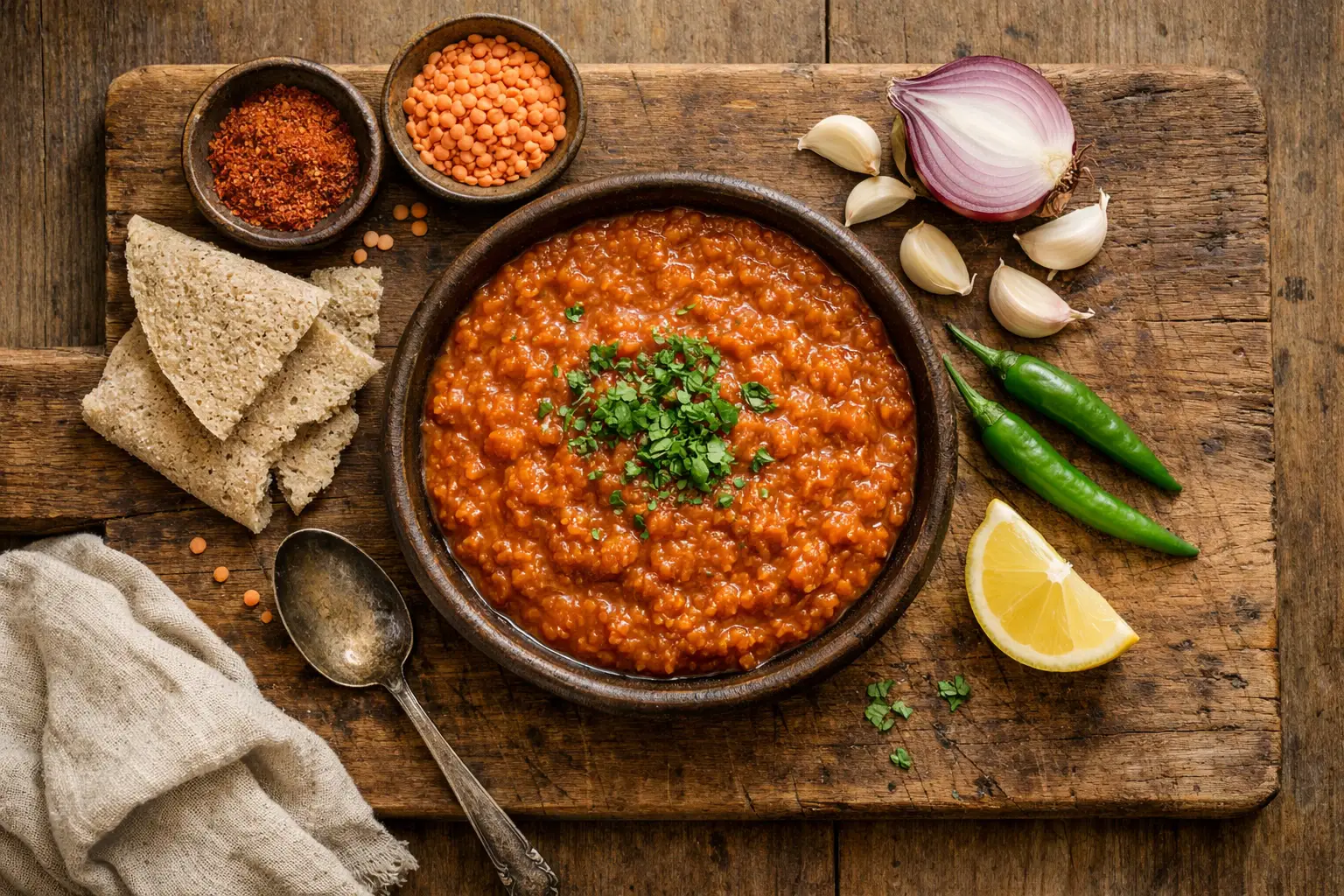
Quick Nutrition Facts
Per 1 Serving (250g)
| Nutrient | Amount |
|---|---|
| Calories | 280 kcal |
| Protein | 15g |
| Carbohydrates | 38g |
| Fiber | 10g |
| Sugars | 3g |
| Fat | 8g |
| Iron | 6.6mg |
| Folate | 179mcg |
| Potassium | 365mg |
| Magnesium | 36mg |
Macronutrient Breakdown
 ChatGPT
  Claude
  AI Mode
  Perplexity
NUTRITIONIST INSIGHT
Misir Wat provides complete plant-based nutrition with 15g protein and 10g fiber per serving. Red lentils have a glycemic index of just 27, making this dish ideal for blood sugar control. The berbere spice blend adds anti-inflammatory benefits.
Myth Busters
MYTH #1: Lentils Are Incomplete Proteins
TRUTH: While lentils are lower in methionine, they provide all essential amino acids and 18g protein per cup cooked. When eaten with grains like injera or rice throughout the day, you get complete protein. No need to combine in the same meal.
MYTH #2: Lentil Stews Are Too High in Carbs for Diabetics
TRUTH: Red lentils have a low glycemic index of 27, meaning they raise blood sugar slowly. Studies show lentil consumption significantly lowers acute blood glucose response compared to starchy foods. The fiber and protein further stabilize blood sugar.
MYTH #3: You Must Soak Lentils Overnight
TRUTH: Red lentils cook in 15-20 minutes without soaking. Unlike beans, split red lentils don't require pre-soaking and are easy to digest. Simply rinse and cook until tender.
MYTH #4: Plant Protein Isn't as Good as Animal Protein
TRUTH: Plant proteins like lentils provide fiber, folate, and polyphenol antioxidants that animal proteins lack. Research links legume consumption to lower heart disease risk and better cholesterol levels.
MYTH #5: Lentils Cause Gas and Bloating
TRUTH: Red lentils are actually easier to digest than other legumes because they're split and hulled. Proper cooking (fully tender), gradual introduction, and adequate water intake minimize digestive issues. Most people tolerate red lentils well.
MYTH #6: Ethiopian Food Is Too Spicy for Healthy Eating
TRUTH: Misir Wat's berbere spice blend contains anti-inflammatory compounds from turmeric, fenugreek, and ginger. Spice level is adjustable. The dish is naturally low in saturated fat and rich in nutrients regardless of heat level.
NutriScore by Health Goals
| Health Goal | NutriScore | Why This Score? |
|---|---|---|
| Weight Loss |  | Only 280 calories with 15g protein and 10g fiber that keep you full for hours. Resistant starch aids fat burning. |
| Muscle Gain |  | Solid plant-based protein (15g) and complex carbs (38g) for energy. Pair with grain for complete amino acid profile. |
| Diabetes Management | | Low GI of 27 helps control blood sugar. High fiber (10g) slows glucose absorption. Excellent diabetic-friendly meal. |
| PCOS Management | | Low GI, high fiber, and plant-based protein support insulin sensitivity. Anti-inflammatory spices benefit hormone balance. |
| Pregnancy Nutrition | | Rich in folate (179mcg) and iron (6.6mg) for fetal development and maternal health. Protein supports growth. |
| Viral/Flu Recovery | | Easy to digest, warm and comforting. Provides sustained energy, immune-supporting nutrients, and anti-inflammatory spices. |
PERSONALIZED NUTRITION
Track your meals with NutriScan for personalized NutriScores based on your specific health goals!
Blood Sugar Response to Misir Wat
Understanding how Misir Wat affects your blood glucose helps with meal planning, especially for diabetes management.
Typical Glucose Response Curve
This chart shows typical blood glucose response for general healthy individuals. Individual responses may vary. Not medical advice.
How to Optimize Blood Sugar Control
Pairing lentils with other foods creates an even more stable glucose response:
- 🥬 Leafy greens (spinach, kale) - Add fiber and minerals
- 🥑 Avocado or olive oil - Healthy fats slow digestion
- 🫓 Whole grain injera or brown rice - Complete protein, sustained energy
- 🧀 Greek yogurt or labneh (side) - Additional protein for fullness
This combination minimizes glucose spikes and provides complete nutrition for sustained energy throughout the day.
Cultural Significance
Misir Wat (also spelled Mesir Wot) is a cornerstone of Ethiopian cuisine, served in homes and restaurants across Ethiopia and the diaspora.
In Ethiopia:
- Traditional fasting dish during Orthodox Christian fasting periods (200+ days annually)
- Served on injera (fermented teff flatbread) with other vegetable dishes (beyaynetu platter)
- Berbere spice blend defines regional flavor profiles
- Red lentils preferred for their quick cooking time and creamy texture
- Central to Ethiopian vegan culture and plant-based eating traditions
Global Impact:
- Ethiopian restaurants popularizing plant-based eating worldwide
- Recognized as healthy comfort food in international cuisine
- Growing trend of Ethiopian meal prep and cooking classes
- Featured in plant-based diet movements and vegan communities
Compare & Substitute
Misir Wat vs Similar Legume Dishes (Per 100g)
| Nutrient | 🍛 Misir Wat | 🍛 Dal Tadka (Indian) | 🍲 Hummus | 🥘 Chana Masala |
|---|---|---|---|---|
| Calories | 112 kcal | 104 kcal | 166 kcal | 150 kcal |
| Carbs | 15g | 13g | 14g | 18g |
| Fiber | 4g | 3.5g | 6g | 5g |
| Protein | 6g | 5g | 8g | 8g |
| Fat | 3g | 4g | 10g | 7g |
| Iron | 2.6mg | 2.1mg | 2.4mg | 2.8mg |
| Folate | 72mcg | 58mcg | 146mcg | 95mcg |
| GI | Low (27) | Low (28) | Low (6) | Low (28) |
| Best For | Weight loss, diabetes | Daily protein, vegan | Snacks, dips | Protein, heart health |
Frequently Asked Questions
Is Misir Wat good for weight loss?
Yes, Misir Wat is excellent for weight loss. At only 280 calories per serving, it provides 15g protein and 10g fiber that promote fullness for hours. The resistant starch in red lentils helps control appetite and aids fat burning.
Best practices: Eat as lunch or dinner, limit added oil/butter, pair with injera or brown rice for complete nutrition, include vegetables for extra fiber.
Can diabetics eat Misir Wat?
Yes, diabetics can safely enjoy Misir Wat. Red lentils have a remarkably low glycemic index of 27, and studies show lentils significantly lower blood glucose response compared to starchy foods.
Tips for diabetics:
- Eat moderate portions (1-1.5 cups)
- Pair with protein and healthy fats for balanced meal
- Monitor blood sugar 2 hours after eating
- Reduce added oil if watching calories
- The high fiber (10g) and protein (15g) naturally stabilize blood sugar
How much protein is in Misir Wat?
A standard serving (250g) of Misir Wat contains 15 grams of plant-based protein. Cooked red lentils provide approximately 18g protein per cup, making this an excellent vegan protein source.
For complete amino acid profile, pair with whole grains like injera, brown rice, or quinoa throughout the day.
What are the main health benefits of Misir Wat?
Key Benefits:
- Blood Sugar Control: Low GI of 27 prevents glucose spikes
- Heart Health: Polyphenol antioxidants and fiber lower cholesterol
- Digestive Health: 10g fiber per serving supports gut health and regularity
- Weight Management: High protein and fiber promote satiety with few calories
- Blood Health: Folate and iron support red blood cell production
- Anti-Inflammatory: Berbere spices (turmeric, ginger, fenugreek) reduce inflammation
Is Misir Wat safe during pregnancy?
Yes, Misir Wat is highly beneficial during pregnancy. Red lentils provide 179mcg folate per cup (essential for preventing neural tube defects) and 6.6mg iron (prevents anemia).
Pregnancy benefits:
- Folate supports fetal brain and spinal cord development
- Iron prevents maternal anemia and fatigue
- Plant-based protein for fetal growth
- Fiber prevents pregnancy constipation
- Low in saturated fat, cholesterol-free
Important: Ensure lentils are fully cooked. Reduce spice level if you experience heartburn (common in pregnancy).
How many calories are in Misir Wat?
A standard serving (250g) of Misir Wat contains approximately 280 calories. The calorie content varies based on preparation:
- Basic recipe (minimal oil): 230-250 calories
- Traditional recipe (moderate oil/butter): 280-300 calories
- Rich version (extra oil, coconut milk): 350-400 calories
For lower calories: Reduce added fats, use vegetable broth instead of oil for sautéing, and rely on spices for flavor. The lentils themselves are naturally low-calorie and nutrient-dense.
What spices are in berbere?
Berbere is Ethiopia's signature spice blend containing 10-15 spices. Core ingredients include dried red chilies, paprika, fenugreek, coriander, ginger, black pepper, cinnamon, cardamom, cloves, and turmeric. Many blends also include ajwain (Ethiopian basil), allspice, and nutmeg. Heat level varies by blend.
Can I meal prep Misir Wat?
Yes, Misir Wat is perfect for meal prep. Store in airtight containers in the refrigerator for 5-7 days or freeze for up to 3 months. The flavors actually improve after 1-2 days. Reheat gently on stovetop or microwave, adding a splash of water if needed. Prepare injera or rice fresh for best texture.


Similar Nutritious Foods
4505 Chicharrones Classic Chili Salt
7 Eleven Japan Crispy Corn Cheese
Explore More Nutrition Tools & Resources
AI Calorie Counter App - Snap a Photo, Get Macros
AI Nutritionist App That Reads Your Logged Meals
Best Protein Supplements for Women
Bulking Meal Plan App That Sets Your Surplus
ChatGPT Calorie Counter Alternative That Keeps the Total
ChatGPT Diet Plan Alternative That Tracks What You Eat
ChatGPT Weight Loss Coach Alternative With a Food Log
Fast Food Calorie Counter App That Reads the Tray
Free Calorie Tracker App with AI Photo Scans | NutriScan
Indian Diet Plan App With Veg and Non Veg Meals
Indian Food Calorie Calculator - Get Instant Nutrition Facts for Desi Meals — 2026
Intermittent Fasting for Women, Timer and Meal Log App
Intermittent Fasting Tracker App - Free Fasting Timer
Macro Tracker App That Fills the Numbers From a Photo
Mediterranean Diet Meal Plan App That Counts the Oil
Micronutrient Tracker App for Vitamins and Minerals
MyFitnessPal Alternative That Stays Free | NutriScan
NutriScore App: A Free Grade on Every Meal | NutriScan
Nutrition Label Scanner App for the Amount You Ate
Second Trimester Protein Guide
Vegetarian Meal Plan App With a Protein Target
Voice Calorie Counter - Speak to Track Meals Hands-Free
Water and Calorie Tracker App - Free Water Log