Mixed Vegetable Sabji: Calories, Nutrition and Health Benefits
India's colorful nutrient powerhouse packed with fiber, vitamins, and antioxidants for every health goal.
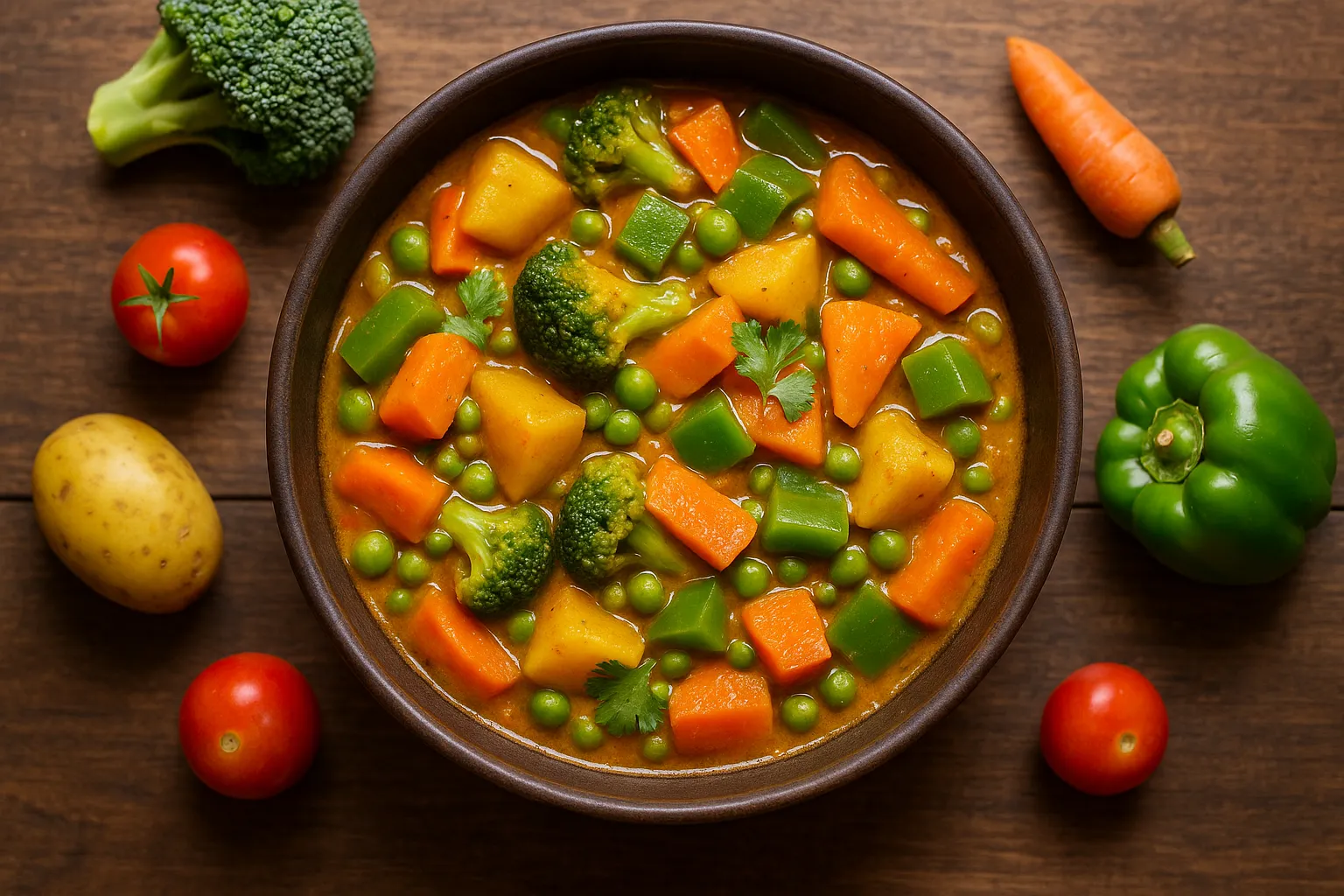
Quick Nutrition Facts
Per 1 Cup Mixed Vegetable Sabji (150g)
| Nutrient | Amount |
|---|---|
| Calories | 96 kcal |
| Protein | 5g |
| Carbohydrates | 20g |
| Fiber | 6g |
| Sugars | 8g |
| Fat | 0.8g |
| Vitamin A | 380mcg |
| Vitamin C | 36mg |
| Potassium | 450mg |
| Magnesium | 42mg |
Macronutrient Breakdown
 ChatGPT
  Claude
  AI Mode
  Perplexity
NUTRITIONIST INSIGHT
Mixed vegetable sabji provides a rainbow of nutrients with minimal calories. One cup delivers 24% of daily fiber needs and 60% of vitamin C - perfect for any health goal.
Myth Busters
MYTH #1: Vegetables Don't Provide Enough Protein
TRUTH: While not a primary protein source, mixed vegetable sabji provides 5g protein per cup from peas, beans, and other vegetables. When paired with dal or paneer, it forms a complete, nutrient-dense meal.
MYTH #2: Cooked Vegetables Lose All Nutrients
TRUTH: Light cooking actually increases availability of some nutrients like lycopene and beta-carotene. Stir-frying with minimal oil preserves vitamin C while improving mineral absorption.
MYTH #3: Vegetables Cause Bloating
TRUTH: Only happens when eating too much fiber too quickly. Start with 1 cup per meal, chew thoroughly, and cook vegetables well. Adding cumin, ginger, or ajwain aids digestion and prevents gas.
MYTH #4: Vegetables Are Only Side Dishes
TRUTH: Mixed vegetable sabji can be a complete meal when paired with protein (paneer, tofu, eggs) and whole grains (brown rice, roti). Provides all essential nutrients with optimal calorie balance.
MYTH #5: Frozen Vegetables Are Less Nutritious
TRUTH: Frozen mixed vegetables retain 80-90% of fresh vegetable nutrients because they're frozen at peak ripeness. Often more nutritious than fresh vegetables stored for days. Convenient and budget-friendly.
MYTH #6: You Need Meat for Iron
TRUTH: Mixed vegetables (especially spinach, peas, beans) provide plant-based iron. Pair with vitamin C-rich vegetables (bell peppers, tomatoes) or lemon juice to enhance iron absorption by up to 300%.
NutriScore by Health Goals
| Health Goal | NutriScore | Why This Score? |
|---|---|---|
| Weight Loss |  | Only 96 calories per cup with high volume and satiety, 6g fiber promotes fullness, low calorie density allows unlimited portions. |
| Muscle Gain |  | Provides micronutrients for recovery, 5g protein as supplement to main protein sources, antioxidants reduce inflammation. |
| Diabetes Management | | Low GI (40-45), high fiber slows glucose absorption, minimal blood sugar impact. |
| PCOS Management | | Anti-inflammatory antioxidants, low GI prevents insulin spikes, high fiber supports hormone balance. |
| Pregnancy Nutrition | | Rich in folate (from green vegetables), vitamin A for fetal development, fiber prevents constipation, safe and nutritious. |
| Viral/Flu Recovery | | High vitamin C (60% DV) boosts immunity, easy to digest, antioxidants support healing, hydrating with high water content. |
PERSONALIZED NUTRITION
Track your meals with NutriScan for personalized NutriScores based on your specific health goals!
Blood Sugar Response to Mixed Vegetable Sabji
Understanding how mixed vegetable sabji affects your blood glucose shows why it's excellent for diabetes and weight management.
Typical Glucose Response Curve
This chart shows typical blood glucose response for general healthy individuals. Individual responses may vary. Not medical advice.
How to Optimize Blood Sugar Control
Fiber in vegetables slows digestion and prevents glucose spikes, making mixed sabji perfect for diabetes management:
- 🍚 Pair with whole grains - Use brown rice or millets instead of white rice
- 🧀 Add protein - Include paneer, tofu, or chickpeas for complete nutrition
- 🥄 Use healthy fats minimally - 1-2 tsp oil or ghee for nutrient absorption
- 🌶️ Add spices - Turmeric, cinnamon, and fenugreek improve insulin sensitivity
This combination creates stable blood sugar for 4-5 hours, preventing cravings and energy crashes.
Cultural Significance
Mixed vegetable dishes have been central to Indian cuisine for centuries, reflecting regional diversity and seasonal availability.
In India:
- Every region has unique sabji styles: North Indian dry sabji, South Indian poriyal, Bengali ghonto, Gujarati undhiyu
- Ayurveda emphasizes "rainbow eating" - different colored vegetables balance doshas
- Seasonal vegetables celebrated in festivals: pumpkin in Navratri, spinach in winter
- Street food staple: served with pav, paratha, or as filling for samosas and kachoris
Global Impact:
- Indian vegetable curries inspire global fusion cuisine
- Sustainable eating: vegetables require minimal resources compared to meat
- WHO recommends 400g (2.5 cups) vegetables daily - mixed sabji makes it achievable
- Rising popularity in plant-based and Mediterranean diets worldwide
Compare & Substitute
Mixed Vegetable Sabji vs Similar Dishes (Per 100g)
| Nutrient | 🥘 Mixed Veg Sabji | 🥗 Fresh Salad | 🍲 Vegetable Soup | 🌯 Stir-Fry Vegetables |
|---|---|---|---|---|
| Calories | 64 kcal | 15 kcal | 38 kcal | 75 kcal |
| Carbs | 13g | 3g | 7g | 12g |
| Fiber | 4g | 2g | 2.5g | 3.5g |
| Protein | 3.3g | 1g | 1.8g | 2.8g |
| Fat | 0.5g | 0.1g | 1.2g | 3.5g |
| Vitamin A | 253mcg | 180mcg | 125mcg | 290mcg |
| Vitamin C | 24mg | 12mg | 8mg | 32mg |
| Best For | Indian meals, weight loss | Raw nutrition, fresh enzymes | Light dinner, hydration | Quick cooking, nutrients |
Frequently Asked Questions
Is mixed vegetable sabji good for weight loss?
Yes, mixed vegetable sabji is one of the best foods for weight loss. One cup has only 96 calories but provides 6g fiber and high volume that keep you full.
Why it works: Low calorie density (0.64 cal/g) means you can eat large portions without excess calories; high fiber promotes satiety; water content (85%) adds volume without calories.
Best practices: Eat 1-2 cups per meal, use minimal oil (1 tsp per serving), pair with lean protein, include variety of colorful vegetables for maximum nutrition.
Can diabetics eat mixed vegetable sabji?
Absolutely! Mixed vegetable sabji is ideal for diabetes management with a low glycemic index (40-45) and high fiber content.
Benefits for diabetics:
- Low GI prevents blood sugar spikes
- 6g fiber per cup slows glucose absorption
- Rich in antioxidants that improve insulin sensitivity
- Minimal carbs (20g per cup) with maximum nutrients
Pair with protein (dal, paneer, chicken) and avoid starchy vegetables like potatoes in large amounts. Always monitor blood sugar response.
How much fiber is in mixed vegetable sabji?
One cup of mixed vegetable sabji contains 6 grams of dietary fiber, providing about 24% of daily fiber needs for most adults.
This fiber mix includes soluble fiber (slows digestion, controls blood sugar) and insoluble fiber (promotes gut health, regularity). Perfect for digestive health and weight management.
What are the main health benefits of mixed vegetable sabji?
Key Benefits:
- Weight Management: Only 96 calories with high satiety and volume
- Digestive Health: 6g fiber per cup supports regular bowel movements
- Immune Support: 60% daily vitamin C boosts immunity
- Eye Health: High vitamin A and beta-carotene protect vision
- Heart Health: Fiber, potassium, and antioxidants reduce cardiovascular risk
- Diabetes Control: Low GI with minimal blood sugar impact
When is the best time to eat mixed vegetable sabji?
Depends on your goal:
- Weight Loss: Lunch and dinner (fills you up with minimal calories). Include 1-2 cups at both meals.
- Muscle Gain: Lunch or dinner with protein (adds micronutrients without excess calories).
- Diabetes: Any meal (helps control blood sugar throughout the day).
- PCOS: Lunch or dinner (anti-inflammatory benefits best with main meals).
IMPORTANT NOTE
Eat vegetables before carbs in a meal to maximize blood sugar control and satiety signals.
Which vegetables should be in mixed sabji?
The best mix balances nutrition, taste, and availability:
Essential Base (Choose 3-4):
- Carrots - Vitamin A, sweetness, color
- Peas - Protein (7g/100g), texture
- Beans - Fiber, crunch
- Cauliflower - Vitamin C, volume
Flavor & Nutrition Boosters (Choose 1-2):
- Bell peppers - Vitamin C, antioxidants
- Tomatoes - Lycopene (cook to increase)
- Spinach - Iron, folate
- Potatoes (limited) - Potassium, satiety
Seasonal variations: Use whatever's fresh and affordable. Frozen mixed vegetables are equally nutritious year-round.
How much mixed vegetable sabji should I eat per day?
General Guidelines:
- 1-2 cups daily - Most adults (96-192 calories, 6-12g fiber)
- 2-3 cups daily - Weight loss goals (high volume, low calories)
- 1 cup daily - With balanced meals (side dish portion)
Avoid excess: More than 3 cups daily can cause bloating from too much fiber if you're not used to it. Gradually increase portions and drink plenty of water.
Track your meals with NutriScan app to optimize vegetable portions for your personal nutrition goals.
Does cooking vegetables reduce nutrients?
Some nutrients decrease with cooking, but many increase or become more available:
Nutrients that increase with cooking:
- Lycopene (tomatoes) - increases 35% when cooked
- Beta-carotene (carrots) - increases absorption by 6x
- Antioxidants - easier to absorb from cooked vegetables
To preserve maximum nutrients:
- Stir-fry or steam instead of boiling
- Cook briefly (5-7 minutes) at medium heat
- Use minimal water to prevent nutrient loss
- Add lemon or tomato for vitamin C preservation
Well-cooked mixed sabji retains 80-90% of nutrients while being easier to digest and more satisfying than raw vegetables.


Similar Nutritious Foods
4505 Chicharrones Classic Chili Salt
7 Eleven Japan Crispy Corn Cheese
Explore More Nutrition Tools & Resources
AI Calorie Counter App - Snap a Photo, Get Macros
AI Nutritionist App That Reads Your Logged Meals
Best Protein Supplements for Women
Bulking Meal Plan App That Sets Your Surplus
ChatGPT Calorie Counter Alternative That Keeps the Total
ChatGPT Diet Plan Alternative That Tracks What You Eat
ChatGPT Weight Loss Coach Alternative With a Food Log
Fast Food Calorie Counter App That Reads the Tray
Free Calorie Tracker App with AI Photo Scans | NutriScan
Indian Diet Plan App With Veg and Non Veg Meals
Indian Food Calorie Calculator - Get Instant Nutrition Facts for Desi Meals — 2026
Intermittent Fasting for Women, Timer and Meal Log App
Intermittent Fasting Tracker App - Free Fasting Timer
Macro Tracker App That Fills the Numbers From a Photo
Mediterranean Diet Meal Plan App That Counts the Oil
Micronutrient Tracker App for Vitamins and Minerals
MyFitnessPal Alternative That Stays Free | NutriScan
NutriScore App: A Free Grade on Every Meal | NutriScan
Nutrition Label Scanner App for the Amount You Ate
Second Trimester Protein Guide
Vegetarian Meal Plan App With a Protein Target
Voice Calorie Counter - Speak to Track Meals Hands-Free
Water and Calorie Tracker App - Free Water Log