Mixed Vegetables: Calories, Nutrition and Health Benefits
Nature's nutrient powerhouse combining diverse vitamins, minerals, fiber, and antioxidants in one colorful, low-calorie package.
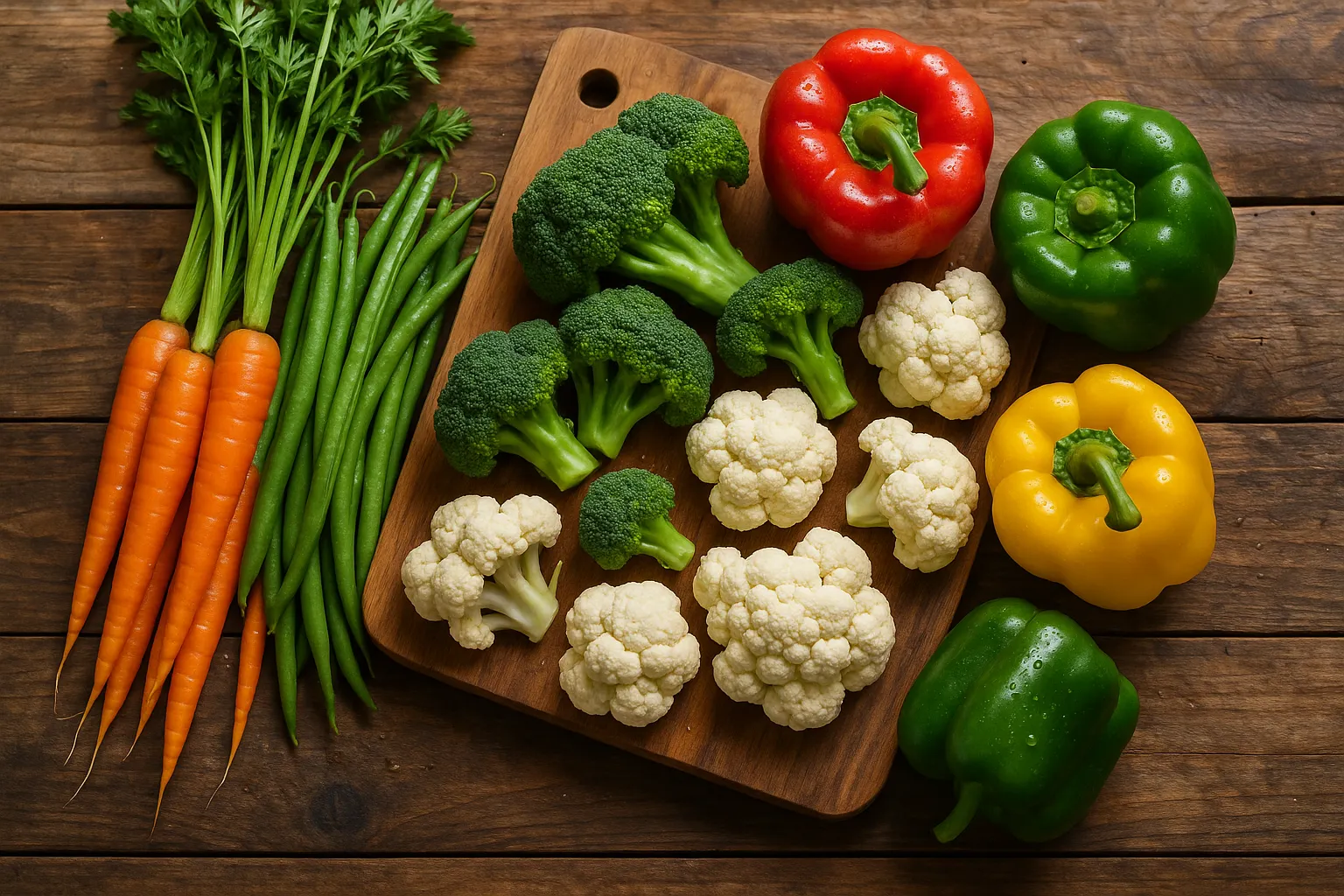
Quick Nutrition Facts
Per 100g Cooked Mixed Vegetables
| Nutrient | Amount |
|---|---|
| Calories | 65 kcal |
| Protein | 2.7g |
| Carbohydrates | 13g |
| Fiber | 4g |
| Sugars | 5g |
| Fat | 0.3g |
| Vitamin A | 450mcg |
| Vitamin C | 18mg |
| Folate | 48mcg |
| Potassium | 280mg |
Macronutrient Breakdown
 ChatGPT
  Claude
  AI Mode
  Perplexity
NUTRITIONIST INSIGHT
Mixed vegetables provide diverse phytonutrients that work synergistically for better health. Aim for 5+ different colored vegetables daily to maximize antioxidant and vitamin variety.
Myth Busters
MYTH #1: Vegetables Don't Provide Enough Calories
TRUTH: While vegetables are low in calories (65 per 100g), this is their strength for weight management. The high fiber (4g) and water content provide satiety without excess calories, making them perfect for filling meals.
MYTH #2: Frozen Vegetables Are Less Nutritious
TRUTH: Frozen vegetables are flash-frozen at peak ripeness, often preserving more nutrients than fresh produce shipped long distances. Studies show frozen vegetables retain vitamins A, C, and folate effectively. Choose plain frozen without added sauces.
MYTH #3: You Need to Eat Vegetables Raw for Maximum Nutrition
TRUTH: Cooking enhances absorption of certain nutrients like lycopene, beta-carotene, and lutein. While vitamin C decreases slightly with cooking, overall nutrient bioavailability often improves. Mix raw and cooked vegetables for optimal nutrition.
MYTH #4: Vegetables Can't Help Build Muscle
TRUTH: While not primary protein sources (2.7g per 100g), vegetables provide essential minerals (potassium, magnesium), antioxidants that reduce exercise-induced inflammation, and fiber for gut health—all crucial for muscle recovery and growth when combined with adequate protein.
MYTH #5: All Vegetables Are Equally Nutritious
TRUTH: Different vegetables provide unique nutrient profiles. Dark leafy greens offer iron and calcium; orange vegetables provide beta-carotene; cruciferous vegetables contain cancer-fighting compounds. Variety matters—eat the rainbow for comprehensive nutrition.
NutriScore by Health Goals
| Health Goal | NutriScore | Why This Score? |
|---|---|---|
| Weight Loss |  | Only 65 calories per 100g, 4g fiber promotes fullness, high water content, unlimited portions recommended. Perfect volume eating. |
| Muscle Gain |  | Low-calorie base allowing more protein calories, minerals support muscle function, antioxidants reduce inflammation. Essential support role. |
| Diabetes Management | | Extremely low GI (15-20), high fiber improves blood sugar control, essential for diabetes meal planning. Unlimited portions. |
| PCOS Management | | Anti-inflammatory compounds, fiber supports insulin sensitivity, low glycemic impact, weight management support. |
| Pregnancy Nutrition | | Folate (48mcg) for fetal development, vitamin A for growth, fiber prevents constipation, iron. |
| Viral/Flu Recovery | | Vitamin C (18mg) boosts immunity, easy to digest, hydrating, provides essential nutrients during appetite loss. |
PERSONALIZED NUTRITION
Track your meals with NutriScan for personalized NutriScores based on your specific health goals!
Blood Sugar Response to Mixed Vegetables
Understanding how vegetables affect your blood glucose shows why they're essential for all health goals.
Typical Glucose Response Curve
This chart shows typical blood glucose response for non-starchy mixed vegetables. Individual responses may vary. Not medical advice.
Pairing for Balanced Meals
While vegetables have minimal blood sugar impact alone, pairing them properly creates balanced, satisfying meals:
- 🍗 Grilled chicken or fish - Complete protein for satiety and muscle maintenance
- 🧀 Paneer or tofu - Plant-based protein and healthy fats
- 🍚 Brown rice or quinoa - Complex carbs for energy, vegetables add volume without excess calories
- 🫘 Dal or chickpeas - Protein and fiber combination for complete nutrition
Fill half your plate with vegetables to naturally control portions of higher-calorie foods while maximizing nutrient intake.
Cultural Significance
Mixed vegetables reflect the agricultural diversity and culinary traditions of cultures worldwide.
In India:
- Sabzi dishes are cornerstones of daily meals across all regions
- Ayurveda emphasizes eating seasonal, local vegetables for balance
- Common combinations: aloo-gobi, bhindi-aloo, mixed vegetable curry
- Street foods like pav bhaji showcase creative vegetable blends
- Each region has signature vegetable preparations: Bengali shukto, Gujarati undhiyu, Kerala avial
Global Impact:
- Mediterranean diet emphasizes vegetable variety for longevity
- Chinese stir-fries maximize vegetable nutrient retention through quick cooking
- Ratatouille represents French vegetable artistry
- Modern meal prep culture relies on pre-cut mixed vegetable convenience
Compare & Substitute
Mixed Vegetables vs Other Vegetable Options (Per 100g Cooked)
| Nutrient | 🥒 Mixed Vegetables | 🥦 Broccoli | 🥕 Carrots | 🍃 Spinach |
|---|---|---|---|---|
| Calories | 65 kcal | 35 kcal | 41 kcal | 23 kcal |
| Carbs | 13g | 7g | 10g | 3.6g |
| Fiber | 4g | 2.6g | 3g | 2.2g |
| Protein | 2.7g | 2.4g | 0.9g | 2.9g |
| Fat | 0.3g | 0.4g | 0.2g | 0.4g |
| Vitamin A | 450mcg | 31mcg | 835mcg | 469mcg |
| Vitamin C | 18mg | 65mg | 3.6mg | 9.8mg |
| Iron | 1.2mg | 0.7mg | 0.3mg | 2.7mg |
| Best For | Variety, convenience | Vitamin C, cancer prevention | Beta-carotene, eye health | Iron, pregnancy |
Frequently Asked Questions
Are mixed vegetables good for weight loss?
Yes, mixed vegetables are one of the best foods for weight loss. With only 65 calories per 100g and 4g fiber, they provide high satiety with minimal calories.
Best practices: Fill half your plate with vegetables at lunch and dinner; eat 300-400g daily for volume eating; choose steamed, roasted, or stir-fried over fried; season with herbs and spices instead of heavy sauces; combine with lean protein for complete meals.
Can diabetics eat mixed vegetables?
Diabetics can and should eat abundant mixed vegetables. Non-starchy vegetables have extremely low glycemic impact (GI 15-20) and high fiber content.
Tips for diabetics:
- Fill half your plate with vegetables at every meal
- No need to limit portions of non-starchy vegetables
- Starchy vegetables (potatoes, corn, peas) should be limited to 1/4 plate
- Vegetables help control blood sugar spikes from other foods
- Aim for 400-500g daily
Vegetables are essential for diabetes management. Consult your healthcare provider for personalized advice.
How much protein is in mixed vegetables?
Mixed vegetables contain 2.7g protein per 100g cooked. While not a primary protein source, vegetables contribute to overall protein intake.
For adequate protein, combine vegetables with: dal/lentils (9g protein per 100g cooked); paneer (18g per 100g); chicken (31g per 100g); tofu (8g per 100g); Greek yogurt as side (10g per 100g).
What are the main health benefits of mixed vegetables?
Key Benefits:
- Weight Management: High fiber, low calories promote satiety and fat loss
- Disease Prevention: Antioxidants reduce cancer, heart disease, and diabetes risk
- Digestive Health: 4g fiber per 100g supports gut health and regular bowel movements
- Immune Support: Vitamins A (450mcg) and C (18mg) boost immunity
- Eye Health: Beta-carotene and lutein protect vision
- Heart Health: Potassium, fiber, and antioxidants support cardiovascular function
- Bone Health: Vitamin K, calcium, and magnesium in leafy greens
When is the best time to eat mixed vegetables?
Vegetables benefit every meal:
- Breakfast: Add spinach/tomatoes to eggs or omelets
- Lunch: Fill half your plate for sustained energy and fullness
- Dinner: Same half-plate rule; helps prevent overeating heavier foods
- Snacks: Raw vegetables with hummus or yogurt dip
No bad time for vegetables—they support all health goals throughout the day. Aim for 5+ servings (400-500g) daily.
Are frozen mixed vegetables as healthy as fresh?
Frozen vegetables are equally nutritious, often superior to out-of-season fresh produce:
Frozen Advantages:
- Flash-frozen at peak ripeness preserves nutrients
- More convenient for busy schedules
- Longer shelf life reduces food waste
- Pre-cut saves preparation time
- Often less expensive than fresh
Choose wisely:
- Select plain frozen vegetables without added sauces, butter, or salt
- Check ingredient list—should only list vegetables
- Avoid "vegetable medleys" with high-calorie additions
Fresh Advantages:
- Better texture for raw salads
- Seasonal variety and local options
- No processing
Recommendation: Use both. Frozen for convenience; fresh for variety and raw preparations.
How should I cook mixed vegetables for best nutrition?
Different cooking methods preserve different nutrients:
Best Methods:
- Steaming (5-7 minutes) - Preserves water-soluble vitamins like vitamin C and B-vitamins
- Stir-frying (3-5 minutes) - Quick cooking with minimal oil enhances fat-soluble vitamin absorption
- Roasting (20-25 minutes at 200°C) - Enhances flavor, caramelizes natural sugars, preserves nutrients
- Microwaving (2-4 minutes with minimal water) - Fastest, preserves most nutrients
Avoid:
- Boiling in excess water (nutrient loss into water)
- Overcooking until mushy (destroys vitamins)
- Deep frying (adds unnecessary calories)
Pro tip: Add a teaspoon of olive oil or ghee to enhance absorption of vitamins A, D, E, and K (fat-soluble vitamins).
Track your meals with NutriScan app to see how vegetables fit your personal nutrition goals.
Can I eat unlimited mixed vegetables?
Generally yes for non-starchy vegetables. The high fiber and water content naturally limit overconsumption.
Practical limits:
- 400-800g daily is optimal for most people
- Very high amounts (1kg+) may cause digestive discomfort, bloating, or gas
- Ensure variety—don't eat only one vegetable type
Starchy vegetables (potatoes, corn, peas) should be limited to 100-150g per meal due to higher carb content.


Similar Nutritious Foods
4505 Chicharrones Classic Chili Salt
7 Eleven Japan Crispy Corn Cheese
Explore More Nutrition Tools & Resources
AI Calorie Counter App - Snap a Photo, Get Macros
AI Nutritionist App That Reads Your Logged Meals
Best Protein Supplements for Women
Bulking Meal Plan App That Sets Your Surplus
ChatGPT Calorie Counter Alternative That Keeps the Total
ChatGPT Diet Plan Alternative That Tracks What You Eat
ChatGPT Weight Loss Coach Alternative With a Food Log
Fast Food Calorie Counter App That Reads the Tray
Free Calorie Tracker App with AI Photo Scans | NutriScan
Indian Diet Plan App With Veg and Non Veg Meals
Indian Food Calorie Calculator - Get Instant Nutrition Facts for Desi Meals — 2026
Intermittent Fasting for Women, Timer and Meal Log App
Intermittent Fasting Tracker App - Free Fasting Timer
Macro Tracker App That Fills the Numbers From a Photo
Mediterranean Diet Meal Plan App That Counts the Oil
Micronutrient Tracker App for Vitamins and Minerals
MyFitnessPal Alternative That Stays Free | NutriScan
NutriScore App: A Free Grade on Every Meal | NutriScan
Nutrition Label Scanner App for the Amount You Ate
Second Trimester Protein Guide
Vegetarian Meal Plan App With a Protein Target
Voice Calorie Counter - Speak to Track Meals Hands-Free
Water and Calorie Tracker App - Free Water Log