Mushroom Coffee Blend: Calories, Nutrition and Health Benefits
Adaptogenic coffee that reduces caffeine jitters while amplifying focus, immunity, and sustained mental clarity without the crash.
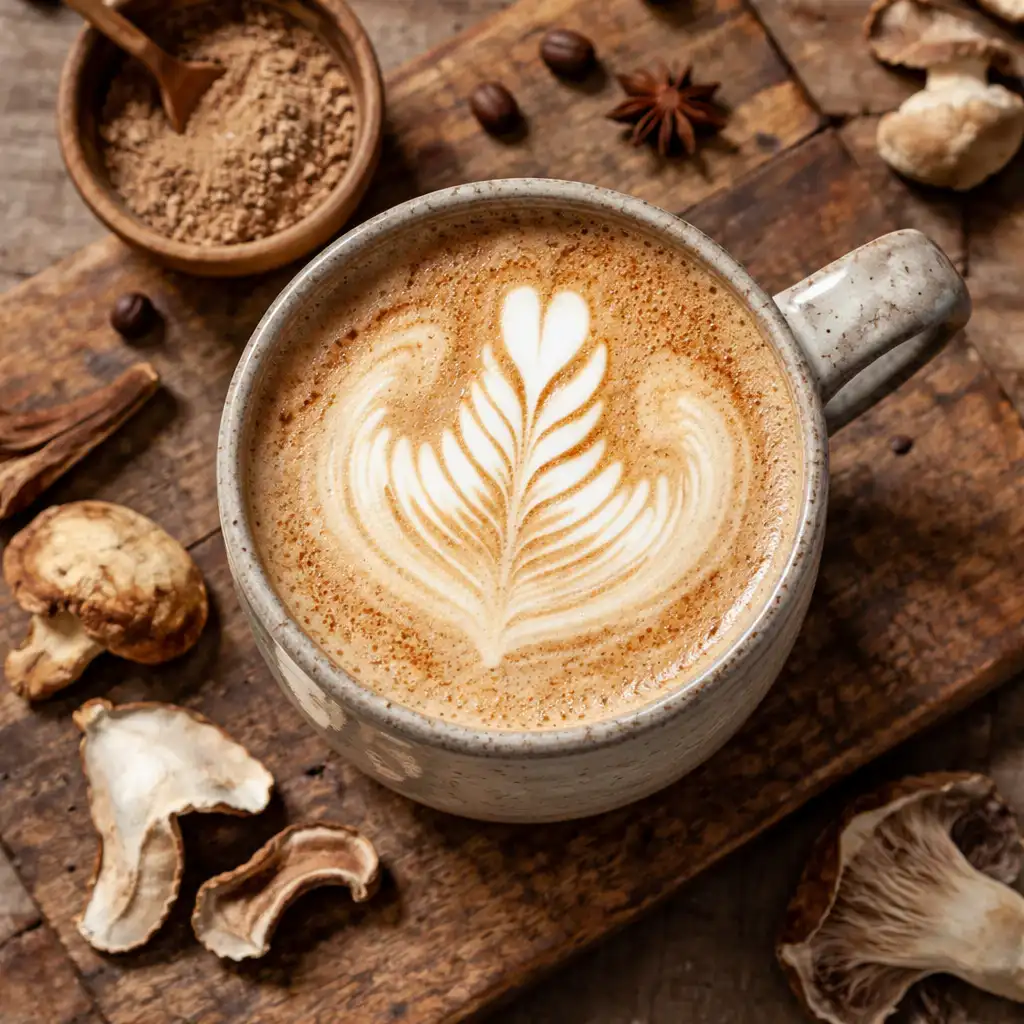
Quick Nutrition Facts
Per 1 Cup (8oz) with 1 tsp Mushroom Powder Blend
| Nutrient | Amount |
|---|---|
| Calories | 5-15 kcal |
| Protein | 0.2-0.5g |
| Carbohydrates | 0.5-1g |
| Fiber | 0g |
| Sugars | 0g |
| Fat | 0g |
| Caffeine | 50-100mg |
| Beta-Glucans | 0.5-1.5g |
| Antioxidants | High |
| Polysaccharides | 0.3-0.8g |
Macronutrient Breakdown
 ChatGPT
  Claude
  AI Mode
  Perplexity
NUTRITIONIST INSIGHT
Mushroom coffee blends synergize lower caffeine (50-100mg vs regular 95-200mg) with L-theanine-like compounds and adaptogens from medicinal mushrooms, producing sustained focus without jitters, anxiety, or energy crashes. This creates a genuinely functional beverage, not just flavored coffee.
Myth Busters
MYTH #1: Mushroom Coffee Doesn't Have Real Coffee Flavor
TRUTH: Quality blends (such as Four Sigmatic, Host, and Ryze) taste 80-90% like premium coffee with subtle earthy undertones. The mushroom powder (typically 50-70% of blend) seamlessly integrates rather than dominates. Customer reviews consistently rate taste comparable to specialty coffee shops.
MYTH #2: Mushroom Coffee Extracts Aren't Bioavailable
TRUTH: Medicinal mushroom extracts use hot-water or dual-extraction processing, making compounds like beta-glucans and triterpenes highly bioavailable. Research confirms measurable increases in antioxidant markers and anti-inflammatory cytokines after mushroom coffee consumption.
MYTH #3: It's Just Marketing—Mushroom Coffee Isn't Backed by Science
TRUTH: Lion's Mane mushroom shows peer-reviewed evidence for nerve growth factor (NGF) support and cognitive benefits in multiple studies; Chaga demonstrates antioxidant capacity exceeding acai berries; Cordyceps shows ATP production supporting athletic endurance. The science is legitimate, not hype.
MYTH #4: Reducing Caffeine Means Less Mental Performance
TRUTH: 50-100mg caffeine from mushroom coffee is the "sweet spot" for focus without jitters or afternoon crash. Adding adaptogens (L-theanine effect from mushrooms) actually smooths the caffeine curve, providing sustained cognition superior to high-caffeine coffee. Lower caffeine + adaptogens = better focus quality.
MYTH #5: Mushroom Coffee Is Expensive and Not Worth the Cost
TRUTH: Mushroom coffee blends ($0.80-1.50 per serving) cost 2-3x regular coffee but provide compound benefits: reduced caffeine dependency, extended energy without crash, and immune/cognitive support typically requiring expensive supplements separately. Annual cost is comparable to basic supplement stacks.
NutriScore by Health Goals
| Health Goal | NutriScore | Why This Score? |
|---|---|---|
| Weight Loss |  | 5-15 calories, zero sugar, zero carbs, adaptogenic compounds support metabolic efficiency and reduce stress-driven overeating through lower cortisol. |
| Muscle Gain |  | Cordyceps mushroom supports ATP production improving workout intensity and recovery, reduced caffeine jitters allow focus on form, but minimal protein content limits primary role. |
| Diabetes Management | | Zero sugar, 0.5-1g carbs per cup, beta-glucans in Chaga support glucose stability, 50-100mg caffeine provides steady energy without spikes, prebiotic compounds support healthy gut microbiota for better insulin sensitivity. |
| PCOS Management | | Zero calories, zero sugar, adaptogenic polysaccharides help regulate stress hormones (PCOS exacerbated by high cortisol), lower caffeine prevents blood sugar dysregulation unlike regular coffee. |
| Pregnancy Nutrition | | 50-100mg caffeine is within safe pregnancy guidelines (max 200mg/day), plus immune-supporting mushroom compounds (Chaga, Reishi) benefit pregnancy immunity; ensure mushroom sourcing is food-grade, consult OB/GYN. |
| Viral/Flu Recovery | | Chaga and Reishi mushrooms demonstrate antimicrobial and immune-modulating properties supporting recovery, easy on throat and digestion during illness, lower caffeine prevents dehydration, polysaccharides feed immune cells. |
PERSONALIZED NUTRITION
Track your meals with NutriScan for personalized NutriScores based on your specific health goals!
Caffeine Response & Sustained Energy
Mushroom coffee delivers extended mental clarity and energy without the afternoon crash typical of regular coffee.
Typical Energy & Caffeine Response Curve
This chart shows typical energy response for general healthy individuals. Individual responses vary based on caffeine sensitivity and baseline intake. Not medical advice.
How to Maximize Cognitive Benefits
Combine mushroom coffee with habits supporting extended focus:
- 🥤 Hydrate with water - Dehydration masks caffeine, adding water to every serving extends absorption efficiency
- 🥞 Eat within 1 hour - Stable blood sugar prevents focus crashes; pair coffee with protein or healthy fat breakfast
- 🚶 Light movement - Adaptogens work best when paired with gentle movement; 5-minute walk after coffee amplifies mental clarity
- ⏰ Drink before 2pm - Even reduced caffeine (50-100mg) is metabolized 5-6 hours; consuming early prevents sleep disruption
This combination creates sustainable energy and focus lasting 5-7 hours versus regular coffee's 2-3 hour peak.
Cultural Significance
Mushroom coffee is an ancient wellness practice gaining modern popularity worldwide.
In Asia:
- Traditional Chinese medicine uses medicinal mushrooms (Reishi, Cordyceps) in tonics for millennia
- Japanese adaptogenic hot beverages date to Edo period wellness culture
- Siberian cultures traditionally consume Chaga mushroom in birch bark tea for immune resilience
- Modern fusion: Asian wellness traditions meeting Western coffee culture through functional blending
Global Expansion:
- 2020s wellness trend gaining 12%+ annual social media growth; Gen Z and Millennials primary adopters
- Specialty coffee shops integrating mushroom blends into menus (even competing with traditional espresso)
- Athletes and biohackers adopting for performance benefits without heavy stimulation
- Corporate wellness programs incorporating mushroom coffee for employee focus and immunity
Compare & Substitute
Mushroom Coffee vs Similar Beverages (Per 8oz cup)
| Nutrient | ☕ Mushroom Coffee | 🫖 Green Tea | ☕ Regular Coffee | 🥤 Energy Drink |
|---|---|---|---|---|
| Calories | 5-15 kcal | 25-35 kcal | 5 kcal | 100-160 kcal |
| Caffeine | 50-100mg | 25-50mg | 95-200mg | 80-300mg |
| Protein | 0.2-0.5g | 0g | 0g | 0g |
| Carbs | 0.5-1g | 2-4g | 0g | 25-35g |
| Sugar | 0g | 0g | 0g | 20-30g |
| Polysaccharides | 0.3-0.8g (beta-glucans) | 0g | 0g | 0g |
| Antioxidants | Very High | Very High | Medium | Low |
| Best For | Sustained focus, immunity | Gentle calm, skin health | Pure caffeine spike | Quick energy (not recommended) |
Frequently Asked Questions
What are mushroom coffee blends and how do they work?
Mushroom coffee blends combine organic coffee (or sometimes chicory for caffeine-free versions) with powdered medicinal mushroom extracts like Lion's Mane, Chaga, Reishi, or Cordyceps. These blends reduce typical coffee's caffeine content (50-100mg vs 95-200mg) while adding adaptogens supporting cognitive function, immunity, and sustained energy without the jittery crash.
Does mushroom coffee improve focus and cognitive function?
Lion's Mane mushroom contains erinacines and hericenones that stimulate nerve growth factor (NGF), promoting brain cell proliferation and neural connectivity. Combined with moderate caffeine from coffee, this creates sustained attention and sharper memory. Regular users report improved concentration lasting 5-7 hours versus regular coffee's 2-3 hour peak.
Which mushrooms should I choose for my specific goal?
Lion's Mane excels for focus and memory; Chaga for immune support and antioxidants; Reishi for calm focused states and sleep quality; Cordyceps for athletic performance and sustained energy. Most commercial blends contain 2-4 mushroom varieties creating synergistic effects. For sleep: Reishi-dominant. For workouts: Cordyceps-dominant. For general wellness: multi-mushroom blends.
Is mushroom coffee safe to drink daily?
Yes, medicinal mushroom powders are food-based and safe for daily consumption. FDA recognizes medicinal mushrooms as generally safe (GRAS status). The reduced caffeine (50-100mg) actually supports safer daily use by reducing dependency, jitters, and sleep disruption compared to regular coffee. Long-term safety data supports multi-year consumption without issues.
Can diabetics drink mushroom coffee?
Yes, excellent beverage for blood sugar management. With 0.5-1g carbs per cup and zero sugar, it provides minimal glycemic impact. Moreover, beta-glucans and polysaccharides in Chaga and other medicinal mushrooms support stable glucose levels and prebiotic effects, potentially improving insulin sensitivity over time.
Does mushroom coffee taste like mushrooms?
Quality blends taste remarkably similar to premium coffee with subtle earthy undertones. The mushroom powder comprises 50-70% of the blend, but through careful processing and roasting, it integrates seamlessly. Some brands emphasize coffee flavor (Four Sigmatic, Host), while others accent the mushroom profile. Reading customer reviews from trusted retailers helps match personal taste preferences.


Similar Nutritious Beverages & Foods
4505 Chicharrones Classic Chili Salt
7 Eleven Japan Crispy Corn Cheese
Explore More Nutrition Tools & Resources
AI Calorie Counter App - Snap a Photo, Get Macros
AI Nutritionist App That Reads Your Logged Meals
Best Protein Supplements for Women
Bulking Meal Plan App That Sets Your Surplus
ChatGPT Calorie Counter Alternative That Keeps the Total
ChatGPT Diet Plan Alternative That Tracks What You Eat
ChatGPT Weight Loss Coach Alternative With a Food Log
Fast Food Calorie Counter App That Reads the Tray
Free Calorie Tracker App with AI Photo Scans | NutriScan
Indian Diet Plan App With Veg and Non Veg Meals
Indian Food Calorie Calculator - Get Instant Nutrition Facts for Desi Meals — 2026
Intermittent Fasting for Women, Timer and Meal Log App
Intermittent Fasting Tracker App - Free Fasting Timer
Macro Tracker App That Fills the Numbers From a Photo
Mediterranean Diet Meal Plan App That Counts the Oil
Micronutrient Tracker App for Vitamins and Minerals
MyFitnessPal Alternative That Stays Free | NutriScan
NutriScore App: A Free Grade on Every Meal | NutriScan
Nutrition Label Scanner App for the Amount You Ate
Second Trimester Protein Guide
Vegetarian Meal Plan App With a Protein Target
Voice Calorie Counter - Speak to Track Meals Hands-Free
Water and Calorie Tracker App - Free Water Log