Navaratna Daal with Pumpkin & Snake Gourd: Calories, Nutrition and Health Benefits
A traditional Indian protein powerhouse combining nine types of lentils with nutrient-rich vegetables for complete nutrition.
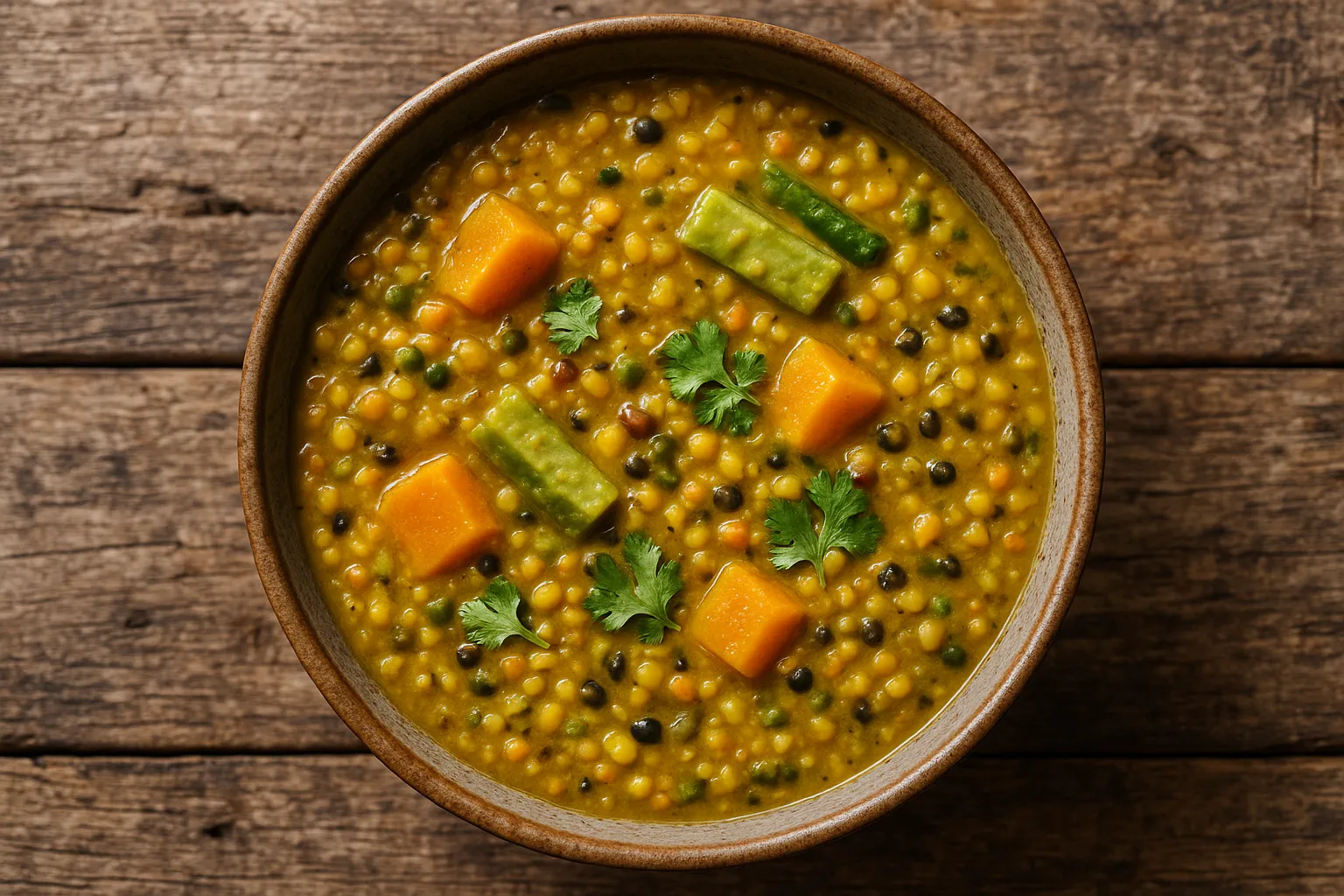
Quick Nutrition Facts
Per 100g Serving (approximately 1/2 cup)
| Nutrient | Amount |
|---|---|
| Calories | 116 kcal |
| Protein | 9g |
| Carbohydrates | 20g |
| Fiber | 8g |
| Sugars | 2g |
| Fat | 0.4g |
| Iron | 3.3mg |
| Folate | 180mcg |
| Magnesium | 36mg |
| Zinc | 1.3mg |
Macronutrient Breakdown
 ChatGPT
  Claude
  AI Mode
  Perplexity
NUTRITIONIST INSIGHT
Navaratna Daal's combination of nine lentil varieties provides all essential amino acids, making it a complete plant-based protein. The very low glycemic index (27-42) makes it exceptional for blood sugar control, while pumpkin adds beta-carotene and snake gourd contributes additional fiber.
Myth Busters
MYTH #1: Dal Is Too High in Carbs for Weight Loss
TRUTH: While dal contains 20g carbs per 100g, the high fiber (8g) and protein (9g) create sustained fullness that prevents overeating. The very low GI (27-42) means minimal fat storage. 116 calories per 100g makes it highly filling with minimal energy.
MYTH #2: Lentils Spike Blood Sugar in Diabetics
TRUTH: The opposite is true. Lentils consistently lower blood glucose and insulin response compared to starchy foods. The GI of 27-42 is among the lowest of all foods. Studies show legumes as part of low-GI diets improve glycemic control in type 2 diabetes.
MYTH #3: You Need Meat for Complete Protein
TRUTH: Navaratna Daal's nine lentil varieties provide all essential amino acids. Lentils contain 23-27% protein when dry, rivaling animal sources. Paired with rice, it creates a complete protein profile perfect for vegetarians and vegans.
MYTH #4: Lentils Cause Digestive Issues
TRUTH: While some people experience initial gas, proper preparation (soaking, cooking thoroughly) reduces this. The 8g fiber actually improves gut health over time by feeding beneficial bacteria. Start with smaller portions if sensitive.
MYTH #5: Pregnant Women Should Avoid Lentils
TRUTH: Lentils are essential during pregnancy due to high folate content (180mcg per 100g) that prevents neural tube defects. They also provide iron to prevent anemia, a common pregnancy concern.
MYTH #6: Dal Has No Micronutrients
TRUTH: Navaratna Daal is rich in iron (3.3mg), zinc (44-54mg/kg), folate (180mcg), and magnesium (36mg). Lentils contain 73-90mg/kg of iron, making them one of the best plant-based iron sources.
NutriScore by Health Goals
| Health Goal | NutriScore | Why This Score? |
|---|---|---|
| Weight Loss |  | 116 calories with 9g protein and 8g fiber creates exceptional satiety. Very low GI prevents fat storage. |
| Muscle Gain | | 9g complete plant protein per 100g; combines with rice for all essential amino acids. Iron supports oxygen transport to muscles. |
| Diabetes Management | | Very low GI (27-42) and studies show lentils improve glycemic control. High fiber slows glucose absorption; can eat 150-200g daily. |
| PCOS Management | | Low GI improves insulin sensitivity crucial for PCOS. High protein and fiber regulate hormones and prevent inflammation. |
| Pregnancy Nutrition | | Rich in folate (180mcg) essential for fetal development, iron prevents anemia, protein supports fetal growth. Safe for daily use. |
| Viral/Flu Recovery | | Easy to digest, provides sustained energy without taxing digestion. Zinc and iron support immune function. Pumpkin's vitamin A boosts immunity. |
PERSONALIZED NUTRITION
Track your meals with NutriScan for personalized NutriScores based on your specific health goals!
Blood Sugar Response to Navaratna Daal
Understanding how Navaratna Daal affects blood glucose reveals why it's exceptional for diabetes management and weight control.
Typical Glucose Response Curve
This chart shows typical blood glucose response. Individual responses may vary. Not medical advice.
How to Optimize Blood Sugar Control
Lentils already have exceptional blood sugar control properties, but pairing strategies further enhance benefits:
- 🍚 Pair with brown rice or millets - Creates complete protein while maintaining low GI
- 🥗 Add leafy greens (spinach, methi) - Extra fiber and micronutrients
- 🥄 Include a small amount of ghee - Healthy fat slows digestion further
- 🧅 Top with raw onions - Chromium aids insulin function
This combination creates the most stable blood sugar response of any meal type, ideal for diabetes and PCOS management.
Cultural Significance
Navaratna Daal holds special place in Indian cuisine, particularly during festivals and celebrations.
In India:
- "Navaratna" means "nine gems" - symbolizes the nine precious stones of ancient Indian astrology
- Traditional recipe combines nine lentil varieties: toor, chana, moong, masoor, urad, moth, rajma, kabuli chana, and lobia
- Served during Navratri festival and special occasions as a complete nutritious meal
- Ayurveda considers dal a sattvic food that promotes clarity and balance
- Different regions add local vegetables: pumpkin, bottle gourd, snake gourd, drumstick
Nutritional Philosophy:
- Ancient wisdom of combining multiple pulses for complete amino acid profile
- Addition of vegetables balances protein with vitamins and minerals
- Represents Indian vegetarian tradition's sophisticated approach to complete nutrition
- Modern research validates traditional preparation methods that reduce anti-nutrients
Compare & Substitute
Navaratna Daal vs Other Protein Sources (Per 100g)
| Nutrient | 🍲 Navaratna Daal | 🥘 Yellow Moong Dal | 🍗 Grilled Chicken | 🥚 Boiled Eggs |
|---|---|---|---|---|
| Calories | 116 kcal | 105 kcal | 165 kcal | 155 kcal |
| Carbs | 20g | 19g | 0g | 1.1g |
| Fiber | 8g | 7.6g | 0g | 0g |
| Protein | 9g | 7g | 31g | 13g |
| Fat | 0.4g | 0.4g | 3.6g | 11g |
| Iron | 3.3mg | 1.4mg | 1.0mg | 1.8mg |
| Folate | 180mcg | 160mcg | 4mcg | 44mcg |
| GI | 27-42 (Very Low) | 25-30 (Very Low) | 0 (No carbs) | 0 (No carbs) |
| Best For | Complete nutrition, low-GI | Lighter dal, easy digestion | Pure protein, muscle gain | High protein, healthy fats |
Frequently Asked Questions
Is Navaratna Daal good for weight loss?
Yes, it's exceptional for weight loss. With only 116 calories per 100g but 9g protein and 8g fiber, it ranks among the most filling foods per calorie. The very low GI (27-42) prevents insulin spikes that trigger fat storage; the high fiber feeds gut bacteria that produce short-chain fatty acids improving metabolism.
Best practices: Eat 150-200g servings with brown rice or roti; have for lunch for sustained afternoon energy; avoid heavy cream or excess oil in preparation (use 1 tsp ghee maximum).
Can diabetics eat Navaratna Daal?
Absolutely - it's one of the best foods for diabetes. Studies show lentils with GI 27-42 consistently lower blood glucose response compared to other carbohydrate sources. Research demonstrates legumes improve HbA1c levels and fasting glucose in type 2 diabetes.
Tips for diabetics: Can eat 150-200g daily; pair with low-GI grains (brown rice, millets); add vegetables for extra fiber; monitor blood sugar initially to confirm individual response; cook until soft for easier digestion.
How much protein is in Navaratna Daal?
Navaratna Daal provides 9g protein per 100g serving. A typical 200g bowl provides 18g protein - about 36% of daily needs for a 50kg person. The nine lentil combination provides all essential amino acids, making it a complete plant protein when paired with rice or roti.
For muscle gain or high-protein diets, combine with rice (adds 2-3g protein per 100g) and serve 250-300g portions for 22-27g protein per meal.
What are the main health benefits of Navaratna Daal?
Key Benefits:
- Blood Sugar Control: GI 27-42 makes it exceptional for diabetes management and insulin sensitivity
- Weight Management: High protein and fiber promote fullness with minimal calories
- Heart Health: Soluble fiber lowers cholesterol; potassium regulates blood pressure
- Digestive Health: 8g fiber per 100g supports gut bacteria and regular bowel movements
- Pregnancy Support: Folate prevents neural tube defects; iron prevents anemia
- Immune Function: Zinc, iron, and diverse phytochemicals boost immunity
When is the best time to eat Navaratna Daal?
Depends on your goal:
- Weight Loss: Lunch (sustained energy prevents evening snacking). Avoid dinner if portion control is difficult.
- Muscle Gain: Post-workout lunch or dinner with rice for glycogen replenishment and protein synthesis.
- Diabetes: Lunch or dinner; better at lunch to utilize energy during active hours. Monitor evening portions.
- Digestion: Lunch is ideal; lentils take 2-3 hours to digest fully.
IMPORTANT NOTE
Avoid heavy dal at night if you have digestive sensitivity; opt for lighter moong dal or smaller portions (100-125g).
What makes Navaratna Daal different from regular dal?
Navaratna ("nine gems") combines nine lentil varieties versus single-lentil dals. This provides diverse amino acid profile (complete protein), varied mineral content (different lentils concentrate different minerals), broader phytonutrient spectrum, and more complex flavor.
The addition of pumpkin (beta-carotene, vitamin A) and snake gourd (fiber, low calories) makes it nutritionally superior to simple dals. It's a complete meal in one bowl.
Can I eat Navaratna Daal daily?
Yes, daily consumption is safe and beneficial for most people. Lentils are staple foods in India and many cultures with no negative long-term effects.
Daily guidelines: 150-200g servings for adults; include variety (rotate with other dals and proteins); ensure proper cooking (reduces anti-nutrients); drink adequate water (fiber needs hydration); if new to lentils, start with 100g portions and increase gradually.
Track with NutriScan app to see how Navaratna Daal fits your personal nutrition goals.
How do I reduce gas from lentils?
Preparation tips: Soak lentils 4-8 hours before cooking (releases gas-causing compounds); rinse thoroughly after soaking; cook completely until soft; add asafoetida (hing) or ginger during cooking (traditional digestive aids); start with small portions (75-100g) if new to lentils; increase fiber intake gradually over 2-3 weeks.
Most people adapt within 2-3 weeks as gut bacteria adjust to higher fiber intake.


Similar Nutritious Foods
4505 Chicharrones Classic Chili Salt
7 Eleven Japan Crispy Corn Cheese
Explore More Nutrition Tools & Resources
AI Calorie Counter App - Snap a Photo, Get Macros
AI Nutritionist App That Reads Your Logged Meals
Best Protein Supplements for Women
Bulking Meal Plan App That Sets Your Surplus
ChatGPT Calorie Counter Alternative That Keeps the Total
ChatGPT Diet Plan Alternative That Tracks What You Eat
ChatGPT Weight Loss Coach Alternative With a Food Log
Fast Food Calorie Counter App That Reads the Tray
Free Calorie Tracker App with AI Photo Scans | NutriScan
Indian Diet Plan App With Veg and Non Veg Meals
Indian Food Calorie Calculator - Get Instant Nutrition Facts for Desi Meals — 2026
Intermittent Fasting for Women, Timer and Meal Log App
Intermittent Fasting Tracker App - Free Fasting Timer
Macro Tracker App That Fills the Numbers From a Photo
Mediterranean Diet Meal Plan App That Counts the Oil
Micronutrient Tracker App for Vitamins and Minerals
MyFitnessPal Alternative That Stays Free | NutriScan
NutriScore App: A Free Grade on Every Meal | NutriScan
Nutrition Label Scanner App for the Amount You Ate
Second Trimester Protein Guide
Vegetarian Meal Plan App With a Protein Target
Voice Calorie Counter - Speak to Track Meals Hands-Free
Water and Calorie Tracker App - Free Water Log