Oats: Calories, Nutrition and Health Benefits
The ultimate heart-healthy whole grain packed with protein, fiber, and cholesterol-lowering beta-glucan for every wellness goal.
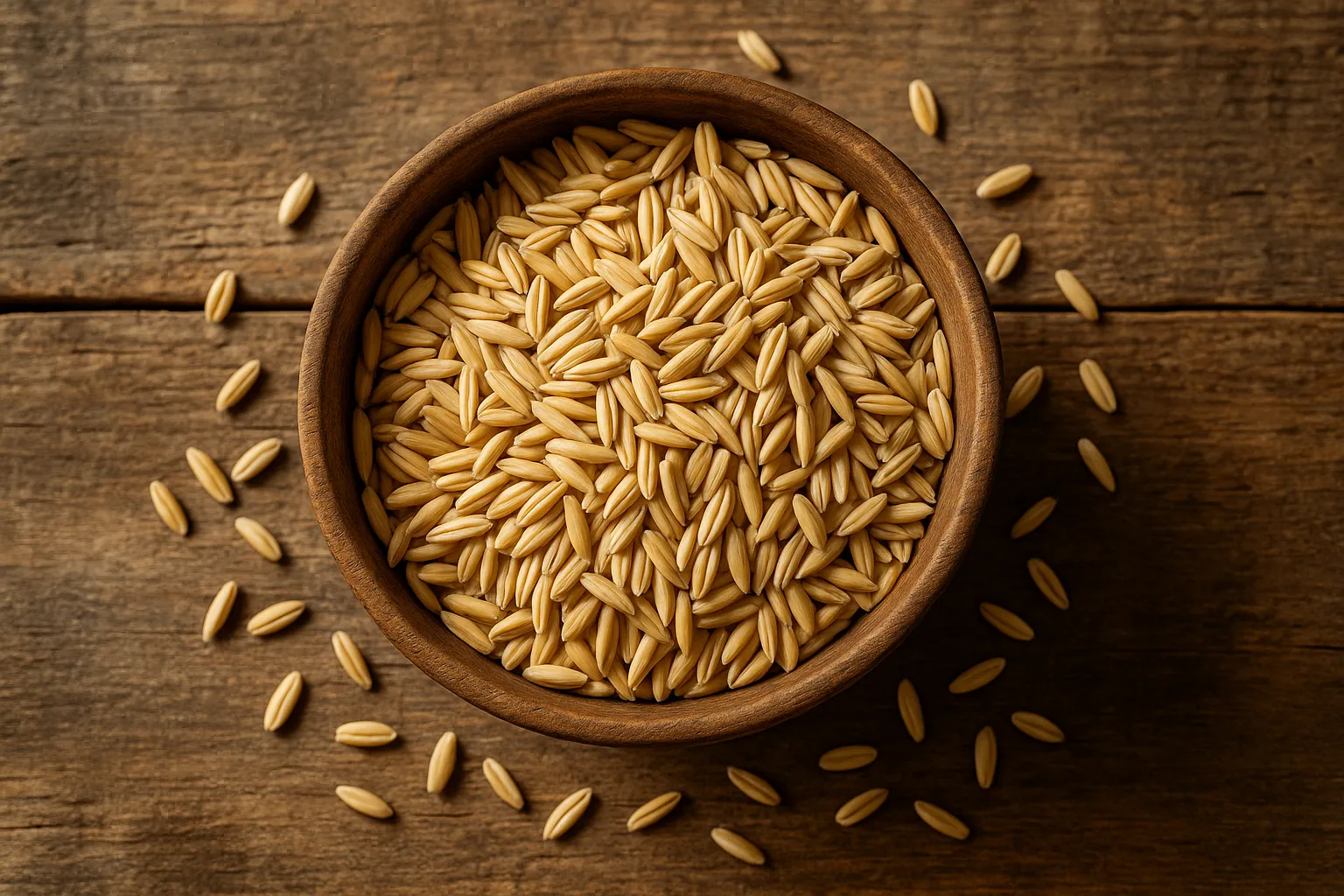
Quick Nutrition Facts
Per 100g (Dry Oats)
| Nutrient | Amount |
|---|---|
| Calories | 389 kcal |
| Protein | 16.9g |
| Carbohydrates | 66.3g |
| Fiber | 10.6g |
| Sugars | 0.8g |
| Fat | 6.9g |
| Beta-Glucan | 3-4g |
| Iron | 4.7mg |
| Magnesium | 177mg |
| Phosphorus | 523mg |
Macronutrient Breakdown
 ChatGPT
  Claude
  AI Mode
  Perplexity
NUTRITIONIST INSIGHT
Oats contain 3-4g of beta-glucan per 100g, a soluble fiber proven to lower LDL cholesterol by 5-10%. Just 40g daily (1/2 cup dry) provides heart-protective benefits recognized by FDA.
Myth Busters
MYTH #1: Oats Cause Weight Gain Because They're High in Calories
TRUTH: While oats are calorie-dense (389 cal/100g dry), they're exceptional for weight loss. The 10.6g fiber and beta-glucan create lasting fullness that reduces overall calorie intake. A typical 40g serving is only 156 calories but keeps you satisfied for 3-4 hours.
MYTH #2: Instant Oats Are as Healthy as Steel-Cut Oats
TRUTH: Instant oats have higher glycemic index (GI 66 vs 42 for steel-cut) due to processing. Steel-cut oats cause smaller blood sugar spikes and sustain energy longer. However, all types retain beta-glucan fiber benefits - choose based on your time and blood sugar goals.
MYTH #3: You Can't Eat Oats on Low-Carb or Keto Diets
TRUTH: Standard oats don't fit strict keto (20g carbs/day), but 15-20g portions can work for moderate low-carb diets (50-100g carbs/day). The high fiber (10.6g) means net carbs are 55.7g per 100g. Focus on portion control rather than complete elimination.
MYTH #4: Oats Don't Have Enough Protein to Be a Complete Meal
TRUTH: Oats contain 16.9g protein per 100g, higher than most grains including quinoa (14g). While not a complete protein, pairing with Greek yogurt, milk, or nuts creates a balanced, protein-rich breakfast with 15-20g total protein.
MYTH #5: Eating Oats Raw or Overnight Is Dangerous
TRUTH: Soaking oats overnight is safe and beneficial. It breaks down phytic acid for better mineral absorption, pre-digests starches for easier digestion, and retains all nutrients. Cooking is optional, not required.
MYTH #6: All Oats Spike Blood Sugar Equally
TRUTH: Processing matters significantly. Steel-cut oats (GI 42) cause minimal spikes, rolled oats (GI 55) are moderate, and instant oats (GI 66) digest fastest. Pairing with protein or fat lowers glycemic response for all types.
NutriScore by Health Goals
| Health Goal | NutriScore | Why This Score? |
|---|---|---|
| Weight Loss |  | High fiber (10.6g) and beta-glucan create exceptional satiety. 40g serving provides sustained energy without cravings. |
| Muscle Gain |  | 16.9g protein per 100g supports muscle recovery. Complex carbs replenish glycogen. Pair with protein powder post-workout. |
| Diabetes Management | | Beta-glucan slows glucose absorption and improves insulin sensitivity. Choose steel-cut (GI 42), avoid instant varieties. |
| PCOS Management | | Low glycemic impact reduces insulin spikes. Beta-glucan supports hormone balance. Limit to 40g servings. |
| Pregnancy Nutrition | | Rich in folate, iron (4.7mg), and fiber for pregnancy health. Prevents constipation and provides sustained energy. |
| Heart Health | | FDA-approved heart health claim: 3g beta-glucan daily reduces LDL cholesterol 5-10%. Lowers cardiovascular disease risk. |
PERSONALIZED NUTRITION
Track your meals with NutriScan for personalized NutriScores based on your specific health goals!
Blood Sugar Response to Oats
Understanding how oats affect your blood glucose helps you choose the right type and pairing strategy.
Typical Glucose Response Curve (Steel-Cut Oats)
This chart shows typical blood glucose response for steel-cut oats. Instant oats spike higher. Individual responses vary. Not medical advice.
How to Flatten the Spike
Adding protein and healthy fat to oats significantly reduces blood sugar spikes and extends satiety:
- 🥜 Nuts or nut butter (almonds, walnuts, peanut butter) - Adds healthy fats and protein
- 🥛 Greek yogurt or milk - Provides protein and slows digestion
- 🥚 Protein powder - Boosts protein to 20-25g per serving
- 🥑 Chia or flax seeds - Adds omega-3s and extra fiber
This combination reduces peak glucose by 20-30% and sustains energy for 4-5 hours.
Cultural Significance
Oats have been cultivated for over 3,000 years, originating as a weed among wheat and barley in the Fertile Crescent.
Historical Impact:
- Ancient Greeks and Romans considered oats "barbaric" food for livestock
- Scottish and Irish cultures embraced oats as a staple grain in harsh climates
- Porridge became the breakfast of choice for laborers and warriors
- Quaker Oats (1877) revolutionized oat consumption globally
In India:
- Oats arrived during British colonial period
- Traditionally used in Anglo-Indian cuisine
- Modern adoption for weight loss and diabetes management
- "Oats upma" and "oats dosa" blend Western grain with Indian flavors
Global Impact:
- World production: 25 million tons annually
- Leading producers: Russia, Canada, Australia
- Gluten-free oats serve celiac community (when certified)
Compare & Substitute
Oats vs Similar Whole Grains (Per 100g)
| Nutrient | 🌾 Oats | 🌾 Quinoa | 🍚 Brown Rice | 🌾 Barley |
|---|---|---|---|---|
| Calories | 389 kcal | 368 kcal | 370 kcal | 354 kcal |
| Carbs | 66g | 64g | 77g | 73g |
| Fiber | 10.6g | 7g | 3.5g | 17g |
| Protein | 16.9g | 14.1g | 7.9g | 12.5g |
| Fat | 6.9g | 6.1g | 2.9g | 2.3g |
| Iron | 4.7mg | 4.6mg | 1.5mg | 3.6mg |
| Magnesium | 177mg | 197mg | 143mg | 133mg |
| Best For | Cholesterol, heart health | Complete protein, gluten-free | Diabetics, gentle digestion | Highest fiber, blood sugar |
Frequently Asked Questions
Are oats good for weight loss?
Yes, oats are exceptional for weight loss despite being calorie-dense. A 40g serving (156 calories) provides 4.2g fiber and 6.8g protein that create lasting fullness. The beta-glucan fiber slows digestion and reduces appetite for 3-4 hours.
Best practices: Eat 40-50g servings, choose steel-cut or rolled oats, add protein (Greek yogurt, protein powder), avoid sugar toppings, use water or unsweetened milk.
Timing: Best at breakfast or pre-workout (2 hours before exercise) for sustained energy without blood sugar crashes.
Can diabetics eat oats?
Diabetics can safely eat oats when chosen and prepared correctly. Steel-cut oats (GI 42) and rolled oats (GI 55) have moderate glycemic impact, while beta-glucan fiber improves insulin sensitivity.
Tips for diabetics:
- Choose steel-cut > rolled > instant oats
- Portion: 40-50g dry (measured before cooking)
- Always pair with protein or healthy fat
- Best timing: breakfast or lunch, not dinner
- Monitor blood sugar 2 hours after eating
Avoid instant oats (GI 66) and flavored varieties with added sugars. Studies show 3g beta-glucan daily improves blood sugar control.
How much protein is in oats?
Oats contain 16.9g protein per 100g (dry), making them one of the highest-protein grains. A typical 40g serving provides 6.8g protein.
While oats aren't a complete protein (low in lysine), combining with:
- Greek yogurt (10g protein) = 16-17g total protein
- Milk (8g protein/cup) = 14-15g total protein
- Protein powder (20-25g) = 26-32g total protein
- Nuts (6-8g per 30g) = 12-15g total protein
This creates a balanced, muscle-building breakfast with 15-30g complete protein.
Do oats really lower cholesterol?
Yes, oats lower LDL ("bad") cholesterol by 5-10% when consumed regularly. Beta-glucan fiber (3g daily) binds bile acids in the gut, forcing the liver to use cholesterol to produce more bile.
FDA-approved heart health claim: Foods containing at least 0.75g beta-glucan per serving can claim to reduce heart disease risk.
How much to eat: 60-75g dry oats daily (1.5-2 servings) provides the 3g beta-glucan threshold. Effects visible in 4-6 weeks of consistent consumption.
Works best when combined with reduced saturated fat intake. Always consult healthcare provider for cholesterol management.
What's the difference between steel-cut, rolled, and instant oats?
All oat types start as oat groats but differ in processing, which affects texture, cooking time, and glycemic response:
Steel-Cut Oats (Irish Oats):
- Groats cut into 2-3 pieces
- Cooking time: 20-30 minutes
- GI: 42 (low)
- Texture: Chewy, nutty
- Best for: Blood sugar control, sustained energy
Rolled Oats (Old-Fashioned):
- Groats steamed and flattened
- Cooking time: 5-10 minutes
- GI: 55 (medium)
- Texture: Creamy, soft
- Best for: Balance of nutrition and convenience
Instant Oats:
- Pre-cooked, dried, and finely cut
- Cooking time: 1-2 minutes
- GI: 66 (medium-high)
- Texture: Mushy, soft
- Best for: Quick preparation (when low-GI isn't critical)
Nutrition verdict: All retain beta-glucan benefits. Choose based on time and blood sugar goals.
Can I eat oats every day?
Yes, eating oats daily is safe and beneficial for most people. Daily consumption supports heart health, weight management, and blood sugar control.
Recommended daily intake:
- General health: 40-60g dry oats (1/2-3/4 cup)
- Cholesterol reduction: 60-75g dry oats for 3g beta-glucan
- Weight loss: 40-50g with protein to control calories
- Diabetes: 40g with protein/fat to minimize blood sugar impact
Potential concerns:
- High-fiber intake (10g+) may cause bloating initially - increase water intake
- Gluten cross-contamination (choose certified gluten-free if celiac)
- Phytic acid reduces mineral absorption (soaking overnight helps)
Track your meals with NutriScan app to optimize portion sizes for your health goals.


Similar Nutritious Foods
4505 Chicharrones Classic Chili Salt
7 Eleven Japan Crispy Corn Cheese
Explore More Nutrition Tools & Resources
AI Calorie Counter App - Snap a Photo, Get Macros
AI Nutritionist App That Reads Your Logged Meals
Best Protein Supplements for Women
Bulking Meal Plan App That Sets Your Surplus
ChatGPT Calorie Counter Alternative That Keeps the Total
ChatGPT Diet Plan Alternative That Tracks What You Eat
ChatGPT Weight Loss Coach Alternative With a Food Log
Fast Food Calorie Counter App That Reads the Tray
Free Calorie Tracker App with AI Photo Scans | NutriScan
Indian Diet Plan App With Veg and Non Veg Meals
Indian Food Calorie Calculator - Get Instant Nutrition Facts for Desi Meals — 2026
Intermittent Fasting for Women, Timer and Meal Log App
Intermittent Fasting Tracker App - Free Fasting Timer
Macro Tracker App That Fills the Numbers From a Photo
Mediterranean Diet Meal Plan App That Counts the Oil
Micronutrient Tracker App for Vitamins and Minerals
MyFitnessPal Alternative That Stays Free | NutriScan
NutriScore App: A Free Grade on Every Meal | NutriScan
Nutrition Label Scanner App for the Amount You Ate
Second Trimester Protein Guide
Vegetarian Meal Plan App With a Protein Target
Voice Calorie Counter - Speak to Track Meals Hands-Free
Water and Calorie Tracker App - Free Water Log