Palak Soup: Calories, Nutrition and Health Benefits
Nutrient-rich Indian spinach soup that's warming, comforting, and packed with iron, vitamins, and antioxidants for immune health and vitality.
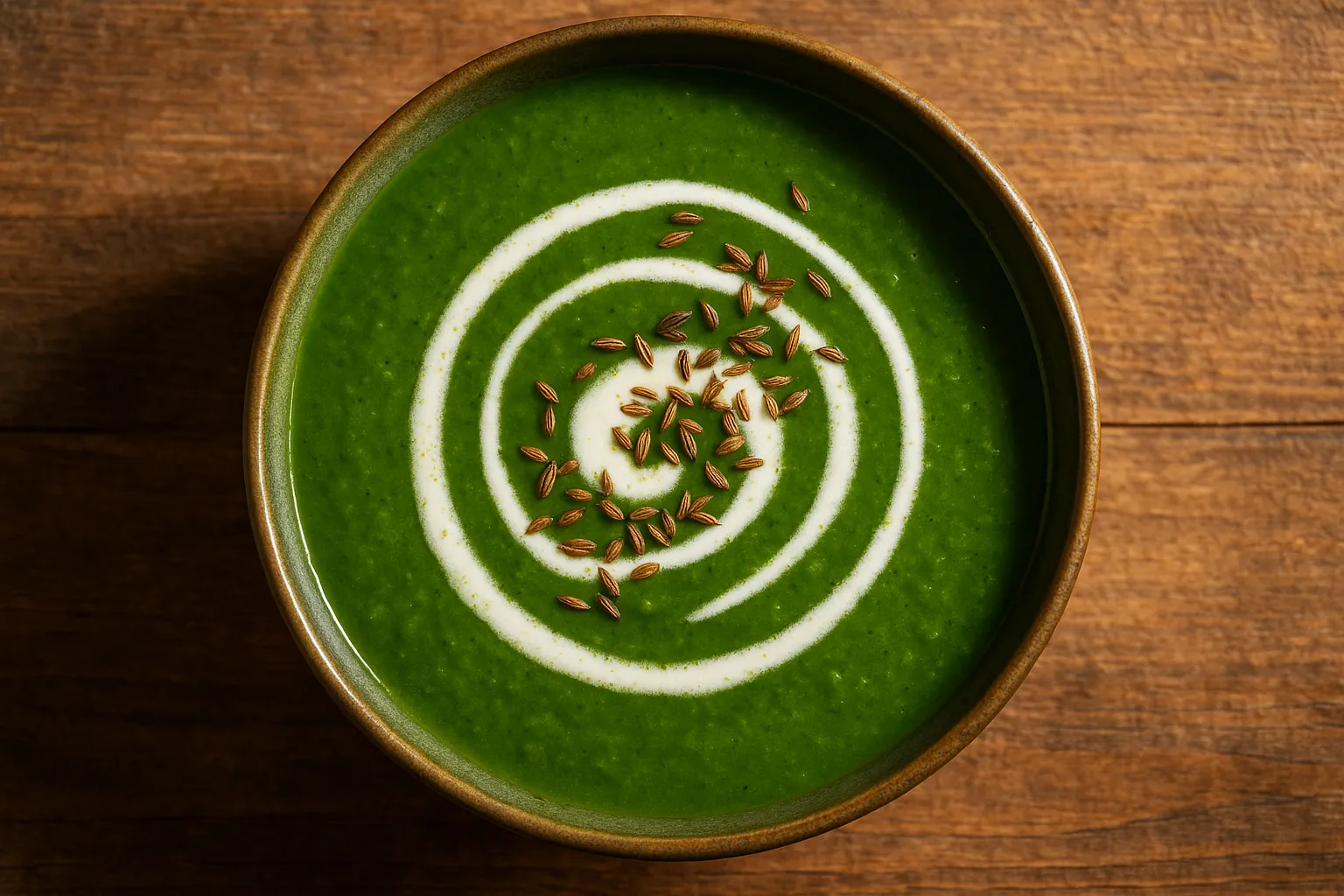
Quick Nutrition Facts
Per 100g (1 cup)
| Nutrient | Amount |
|---|---|
| Calories | 42 kcal |
| Protein | 2.8g |
| Carbohydrates | 5.8g |
| Fiber | 2.4g |
| Sugars | 1.2g |
| Fat | 1.2g |
| Iron | 2.7mg |
| Vitamin A | 469mcg |
| Vitamin C | 28mg |
| Vitamin K | 483mcg |
| Folate | 194mcg |
| Calcium | 99mg |
Macronutrient Breakdown
 ChatGPT
  Claude
  AI Mode
  Perplexity
NUTRITIONIST INSIGHT
Palak soup delivers 483mcg of vitamin K (400% DV) crucial for bone health and blood clotting. Add a squeeze of lemon to boost iron absorption by up to 3-4 times.
Myth Busters
MYTH #1: Palak Soup Causes Kidney Stones
TRUTH: While spinach contains oxalates, moderate consumption (1-2 cups daily) doesn't significantly increase kidney stone risk in most people. Those with existing kidney stones should consult their doctor, but healthy individuals can enjoy palak soup regularly.
MYTH #2: Spinach Soup Blocks Iron Absorption
TRUTH: Though spinach contains both iron and oxalates, pairing with vitamin C sources like lemon juice enhances iron absorption. The vitamin C in palak soup itself helps counteract oxalate effects.
MYTH #3: Reheating Palak Soup Makes It Toxic
TRUTH: Reheating palak soup is safe. The myth stems from nitrate concerns, but studies show reheating vegetable soups doesn't produce harmful nitrites when stored properly. Refrigerate within 2 hours and reheat only once.
MYTH #4: Palak Soup Has No Protein
TRUTH: Palak soup provides 2.8g protein per 100g, which is significant for a vegetable-based dish. Combined with the iron content, it supports muscle health and blood formation, especially when paired with protein-rich meals.
MYTH #5: You Must Add Cream for Nutrition
TRUTH: Traditional cream adds calories and fat without enhancing core nutrients. Plain palak soup retains all vitamins, minerals, and antioxidants. If desired, add a small swirl (1 tsp) for taste without compromising health benefits.
MYTH #6: Frozen Spinach Loses All Nutrients
TRUTH: Frozen spinach retains 80-90% of nutrients. For soups, frozen palak is equally nutritious and more convenient than fresh. Studies show minimal nutrient loss when vegetables are frozen shortly after harvest.
NutriScore by Health Goals
| Health Goal | NutriScore | Why This Score? |
|---|---|---|
| Weight Loss |  | Only 42 calories with 2.4g fiber promotes satiety; high water content fills stomach; nutrient-dense for calorie deficit. |
| Muscle Gain |  | Low protein (2.8g); better as side dish. Pair with chicken, paneer, or lentils for complete protein profile. |
| Diabetes Management | | Low GI (15), minimal blood sugar impact, 5.8g carbs, fiber regulates glucose absorption. |
| PCOS Management | | Anti-inflammatory properties, low glycemic load, supports hormone balance through folate and iron. |
| Pregnancy Nutrition | | 194mcg folate prevents neural tube defects, iron for blood volume expansion, vitamin K for fetal development. |
| Viral/Flu Recovery | | 28mg vitamin C boosts immunity, easy to digest, warm and soothing, antioxidants fight inflammation. |
PERSONALIZED NUTRITION
Track your meals with NutriScan for personalized NutriScores based on your specific health goals!
Blood Sugar Response to Palak Soup
Understanding how palak soup affects your blood glucose shows its excellent compatibility with diabetes and weight management diets.
Typical Glucose Response Curve
This chart shows typical blood glucose response for general healthy individuals. Individual responses may vary. Not medical advice.
How to Optimize Nutrition Pairing
Palak soup pairs excellently with protein and whole grains for balanced meals:
- 🍞 Whole grain bread - Adds complex carbs and extends satiety
- 🧀 Paneer cubes - Boosts protein content to 15-20g per serving
- 🥚 Poached egg - Complete protein and healthy fats
- 🌾 Quinoa or brown rice - Adds complete protein and fiber
These combinations create balanced meals that sustain energy, promote fullness, and support muscle recovery.
Cultural Significance
Palak soup is a modern adaptation of traditional Indian spinach dishes, blending Ayurvedic wisdom with contemporary health-conscious cooking.
In India:
- Palak (spinach) used in Ayurveda for blood purification and strength
- Traditional palak preparations include palak paneer, palak dal, and palak roti
- North Indian cuisine favors cream-based palak; South Indian prefers lighter preparations
- Monsoon season palak is considered most nutritious and flavorful
Global Adaptations:
- French cream of spinach soup uses similar techniques with European herbs
- Chinese spinach egg-drop soup adds protein through beaten eggs
- Mediterranean versions include garlic, olive oil, and lemon zest
- Western health trends embrace palak soup for detox and weight loss diets
Compare & Substitute
Palak Soup vs Similar Healthy Soups (Per 100g)
| Nutrient | 🥬 Palak Soup | 🥕 Carrot Soup | 🍅 Tomato Soup | 🥦 Broccoli Soup |
|---|---|---|---|---|
| Calories | 42 kcal | 35 kcal | 38 kcal | 48 kcal |
| Carbs | 5.8g | 7.2g | 6.5g | 6.2g |
| Fiber | 2.4g | 1.8g | 1.2g | 2.6g |
| Protein | 2.8g | 0.8g | 1.5g | 3.1g |
| Fat | 1.2g | 0.9g | 1.8g | 1.5g |
| Iron | 2.7mg | 0.4mg | 0.6mg | 0.9mg |
| Vitamin A | 469mcg | 852mcg | 42mcg | 78mcg |
| Vitamin C | 28mg | 3mg | 15mg | 64mg |
| Best For | Iron, folate | Eye health | Lycopene | Vitamin C, fiber |
Frequently Asked Questions
Is palak soup good for weight loss?
Yes, palak soup is excellent for weight loss. With only 42 calories per 100g and 2.4g fiber, it creates fullness without adding significant calories. The high water content increases meal volume while keeping calorie density low.
Best practices: Consume 1-2 cups as meal starter or light dinner; avoid cream additions; pair with protein-rich foods; prepare without excess oil or butter.
Can diabetics eat palak soup?
Yes, diabetics can safely consume palak soup. With a glycemic index of 15 and only 5.8g carbs per 100g, it has minimal impact on blood sugar levels.
Tips for diabetics:
- Consume as part of balanced meals with protein and healthy fats
- Monitor portions if adding potatoes or cream
- Best timing: lunch or dinner as appetizer or main course
- Enhance with garlic and ginger for additional blood sugar benefits
The fiber content helps slow glucose absorption, making it an ideal choice for diabetes management.
How much iron does palak soup provide?
Palak soup provides approximately 2.7mg of iron per 100g (15% of daily value). While plant-based iron (non-heme) has lower absorption than animal sources, pairing palak soup with vitamin C significantly enhances absorption.
To boost iron absorption: Add lemon juice, tomatoes, or bell peppers; avoid tea/coffee within 1 hour of consumption; combine with protein sources.
What are the main health benefits of palak soup?
Key Benefits:
- Iron-Rich: 2.7mg iron supports blood health and prevents anemia
- Bone Health: 483mcg vitamin K (400% DV) essential for bone mineralization
- Immune Boost: 28mg vitamin C strengthens immune function
- Eye Health: 469mcg vitamin A supports vision and eye moisture
- Pregnancy Support: 194mcg folate prevents birth defects
- Weight Management: Low calorie, high fiber promotes satiety
When is the best time to drink palak soup?
Depends on your goal:
- Weight Loss: Evening meal (6-7 PM) or lunch starter. The warm, low-calorie soup reduces overall meal intake.
- Anemia: Mid-morning or afternoon with vitamin C source (lemon, orange). Avoid with tea/coffee.
- Immunity: Any time, preferably warm. Morning consumption may enhance vitamin absorption.
- Pregnancy: Lunch or early dinner for folate benefits without evening indigestion.
IMPORTANT NOTE
Consume palak soup fresh for maximum nutrient retention. Vitamin C degrades with prolonged storage.
Can I drink palak soup every day?
Yes, you can consume palak soup daily in moderation (1-2 cups). Most people tolerate daily consumption well and benefit from consistent nutrient intake.
Considerations:
- Kidney stones: Those with history should limit to 2-3 times weekly due to oxalates
- Blood thinners: High vitamin K may interact with warfarin; consult doctor
- Thyroid: Large amounts of raw spinach affect thyroid; cooking (as in soup) neutralizes this concern
Recommendation: Rotate with other vegetable soups (tomato, carrot, broccoli) for dietary variety and balanced nutrition.
Does adding cream make palak soup unhealthy?
Cream adds calories and saturated fat without enhancing core nutrients. Plain palak soup retains all vitamins, minerals, and health benefits.
Comparison (per 100g):
- Plain palak soup: 42 calories, 1.2g fat
- With 2 tbsp cream: 85 calories, 6.5g fat
Healthier alternatives: Greek yogurt (adds protein), coconut milk (dairy-free creaminess), or cashew paste (blended for texture).
How do I make palak soup at home?
Simple Recipe:
- Sauté 1 tsp cumin seeds, ginger-garlic paste, and chopped onions
- Add 300g fresh palak (spinach), cook until wilted (5 min)
- Add 2 cups water/vegetable broth, salt, pepper, and simmer (10 min)
- Blend until smooth, add lemon juice, and serve hot
Pro tips: Blanch spinach briefly to reduce oxalates; add roasted cumin powder for enhanced flavor; garnish with roasted seeds for crunch.


Similar Nutritious Foods
4505 Chicharrones Classic Chili Salt
7 Eleven Japan Crispy Corn Cheese
Explore More Nutrition Tools & Resources
AI Calorie Counter App - Snap a Photo, Get Macros
AI Nutritionist App That Reads Your Logged Meals
Best Protein Supplements for Women
Bulking Meal Plan App That Sets Your Surplus
ChatGPT Calorie Counter Alternative That Keeps the Total
ChatGPT Diet Plan Alternative That Tracks What You Eat
ChatGPT Weight Loss Coach Alternative With a Food Log
Fast Food Calorie Counter App That Reads the Tray
Free Calorie Tracker App with AI Photo Scans | NutriScan
Indian Diet Plan App With Veg and Non Veg Meals
Indian Food Calorie Calculator - Get Instant Nutrition Facts for Desi Meals — 2026
Intermittent Fasting for Women, Timer and Meal Log App
Intermittent Fasting Tracker App - Free Fasting Timer
Macro Tracker App That Fills the Numbers From a Photo
Mediterranean Diet Meal Plan App That Counts the Oil
Micronutrient Tracker App for Vitamins and Minerals
MyFitnessPal Alternative That Stays Free | NutriScan
NutriScore App: A Free Grade on Every Meal | NutriScan
Nutrition Label Scanner App for the Amount You Ate
Second Trimester Protein Guide
Vegetarian Meal Plan App With a Protein Target
Voice Calorie Counter - Speak to Track Meals Hands-Free
Water and Calorie Tracker App - Free Water Log