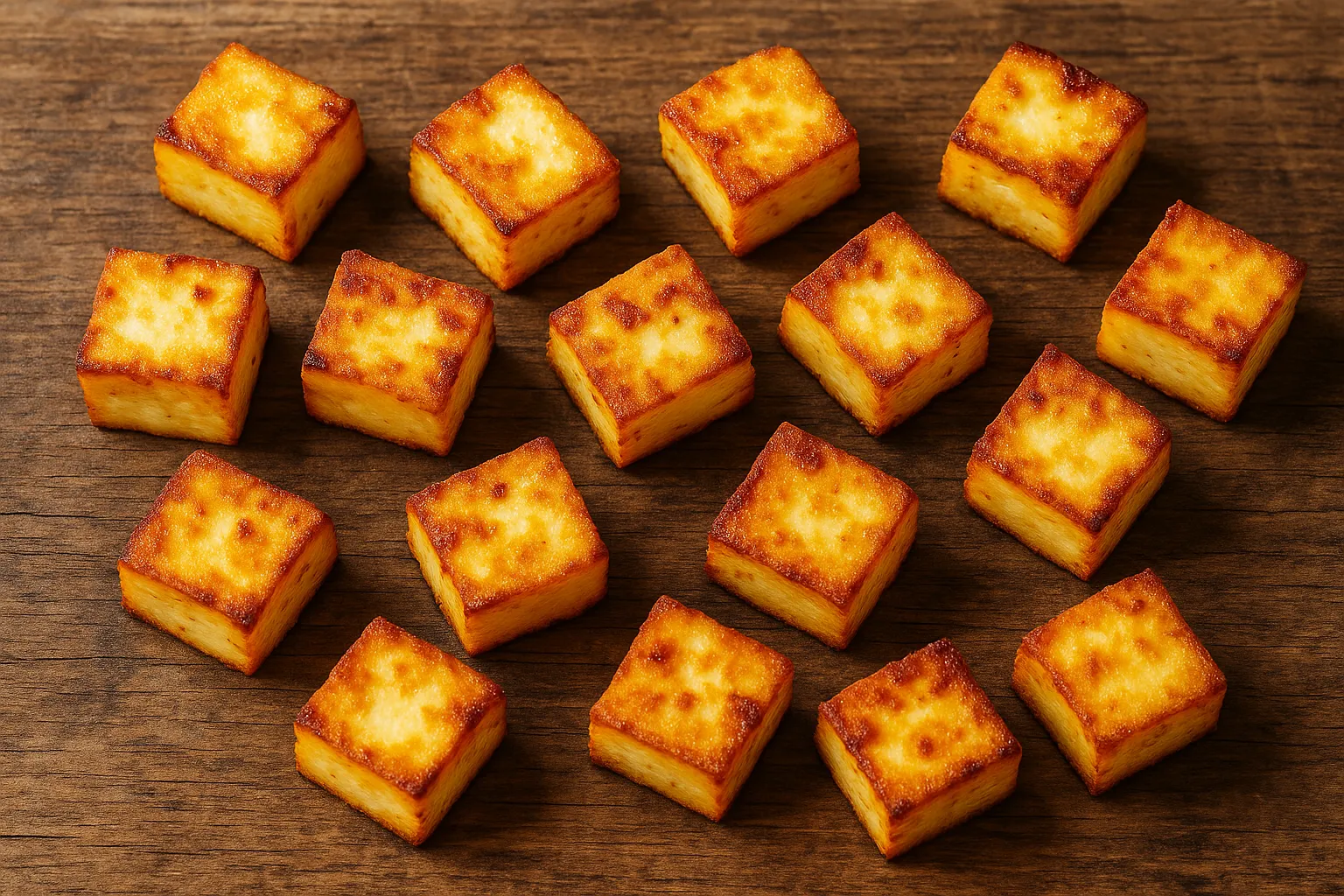
Paneer (Crispy): Calories, Nutrition and Health Benefits
India's favorite protein powerhouse with a golden crispy exterior - packed with muscle-building protein, bone-strengthening calcium, and satisfying taste for every health goal.
Quick Nutrition Facts
Per 100g Crispy Paneer
| Nutrient | Amount |
|---|---|
| Calories | 365 kcal |
| Protein | 18.3g |
| Carbohydrates | 4.2g |
| Fiber | 0g |
| Sugars | 2.8g |
| Fat | 32.1g |
| Calcium | 480mg |
| Phosphorus | 215mg |
| Vitamin B12 | 0.8mcg |
| Sodium | 360mg |
Macronutrient Breakdown
 ChatGPT
  Claude
  AI Mode
  Perplexity
NUTRITIONIST INSIGHT
Crispy paneer delivers 18.3g of complete protein per 100g - one of the best vegetarian protein sources. The calcium content (480mg) supports bone health, while the crispy preparation makes it more satisfying, helping with portion control despite higher calories.
Myth Busters
MYTH #1: Paneer Causes Weight Gain
TRUTH: Paneer itself doesn't cause weight gain; excess calories do. While crispy paneer has 365 calories per 100g (due to frying), the high protein content increases satiety and metabolism. For weight loss, limit portions to 50-75g and use air-frying or shallow frying instead of deep frying.
MYTH #2: Paneer Is Too High in Fat
TRUTH: Yes, crispy paneer contains 32g fat per 100g, but much of it is healthy saturated fat from milk. Dairy fats in moderation don't harm heart health and actually support hormone production. Choose grilled paneer (20g fat) if fat intake is a concern.
MYTH #3: Diabetics Should Avoid Paneer
TRUTH: Paneer is excellent for diabetics with only 4.2g carbs per 100g. The high protein slows digestion and prevents blood sugar spikes. Crispy paneer has minimal impact on blood glucose, making it a diabetes-friendly protein choice.
MYTH #4: Paneer Lacks Complete Protein
TRUTH: Paneer provides all 9 essential amino acids, making it a complete protein source comparable to meat. With 18.3g per 100g, it rivals chicken breast (23g) and surpasses most plant proteins. Perfect for vegetarian muscle building.
MYTH #5: Frying Destroys Paneer's Nutrition
TRUTH: Frying adds calories and fat but doesn't destroy protein, calcium, or B vitamins. The protein and calcium content remain unchanged. Only vitamin content may reduce slightly. Air-frying preserves nutrition better than deep frying.
MYTH #6: Paneer Is Not Safe During Pregnancy
TRUTH: Paneer made from pasteurized milk and cooked thoroughly is safe and beneficial during pregnancy. It provides essential protein, calcium, and B12 for fetal development. Always ensure proper cooking and storage.
NutriScore by Health Goals
| Health Goal | NutriScore | Why This Score? |
|---|---|---|
| Weight Loss |  | 365 calories per 100g is high. High protein aids satiety, but control portions (50-75g). Air-fry or grill for fewer calories. |
| Muscle Gain |  | Excellent protein source (18.3g per 100g) with complete amino acids. Healthy fats support hormone production. Ideal post-workout: 150-200g daily. |
| Diabetes Management | | Very low carb (4.2g), high protein prevents blood sugar spikes. Protein-rich foods improve glycemic control. Watch portion sizes for calories. |
| PCOS Management |  | Low carb, high protein supports insulin sensitivity. Calcium and vitamin D help hormone balance. Limit to 100g due to higher calories and fat. |
| Pregnancy Nutrition | | Excellent protein (18.3g), calcium (480mg) for fetal bones, B12 for neural development. Ensure pasteurized milk; cook thoroughly. |
| Viral/Flu Recovery | | High protein aids immune function and tissue repair. Easy to digest when soft. B12 and zinc support recovery. Moderate due to higher fat content. |
PERSONALIZED NUTRITION
Track your meals with NutriScan for personalized NutriScores based on your specific health goals!
Blood Sugar Response to Crispy Paneer
Understanding how crispy paneer affects your blood glucose helps you make informed meal planning decisions.
Typical Glucose Response Curve
This chart shows typical blood glucose response for general healthy individuals. Individual responses may vary. Not medical advice.
Why Paneer Keeps Blood Sugar Stable
High-protein, low-carb foods like paneer have minimal impact on blood glucose due to slow digestion and sustained energy release:
- 🥗 Add vegetables - Combine with fiber-rich vegetables (spinach, bell peppers) for even better blood sugar control
- 🍚 Balance with carbs - If eating with rice or roti, paneer's protein slows carb absorption
- 🥄 Smart portions - 100-150g paneer provides sustained energy without glucose spikes
- ⏰ Meal timing - Perfect for lunch or dinner; protein helps maintain stable overnight blood sugar
This stable response makes paneer ideal for diabetes management and sustained energy throughout the day.
Cultural Significance
Paneer has been central to Indian cuisine for over 500 years, with origins traced to Persian and Afghan influences during the Mughal era.
In India:
- Essential protein source in vegetarian-dominant regions (Punjab, Haryana, Delhi, Uttar Pradesh)
- Key ingredient in celebratory dishes: Paneer Tikka, Palak Paneer, Shahi Paneer, Paneer Butter Masala
- Street food favorite: Paneer Rolls, Paneer Sandwiches, Paneer Pakora (crispy paneer fritters)
- Religious significance: Widely consumed during festivals and religious fasting (Navratri, Ekadashi)
- Home preparation: Traditionally made fresh at home from curdled milk, representing purity
Global Impact:
- Recognized as "Indian cottage cheese" worldwide; now featured in fusion cuisines (paneer burgers, pizza toppings)
- Popular meat substitute in Western vegetarian/vegan restaurants
- Growing export market: India's paneer industry valued at ₹10,000+ crores
- Health trend: High-protein vegetarian option in fitness and bodybuilding communities globally
Compare & Substitute
Paneer vs Similar Protein Foods (Per 100g)
| Nutrient | 🧀 Paneer (Crispy) | 🧀 Paneer (Regular) | 🥚 Boiled Eggs | 🍗 Chicken Breast | 🌱 Tofu |
|---|---|---|---|---|---|
| Calories | 365 kcal | 265 kcal | 155 kcal | 165 kcal | 144 kcal |
| Carbs | 4.2g | 3.6g | 1.1g | 0g | 2.8g |
| Fiber | 0g | 0g | 0g | 0g | 1.2g |
| Protein | 18.3g | 18.3g | 13g | 31g | 15.8g |
| Fat | 32.1g | 20.8g | 10.6g | 3.6g | 8.7g |
| Calcium | 480mg | 480mg | 50mg | 11mg | 350mg |
| Vitamin B12 | 0.8mcg | 0.8mcg | 1.1mcg | 0.3mcg | 0mcg |
| Best For | Muscle gain, taste | Weight loss, all goals | Weight loss, budget | Muscle gain, low-fat | Vegan protein |
Frequently Asked Questions
Is crispy paneer good for weight loss?
Crispy paneer is moderate for weight loss due to higher calories (365 per 100g) from frying. However, the high protein (18.3g) increases satiety and metabolism, helping control hunger.
Best practices for weight loss: Limit portions to 50-75g per meal; use air-frying or shallow frying instead of deep frying (saves ~100 calories); pair with fiber-rich vegetables; eat during lunch or dinner, not late night; track intake with NutriScan app.
Better alternatives: Regular paneer (265 kcal), grilled paneer, or paneer bhurji (scrambled) for similar protein with fewer calories.
Is paneer good for muscle gain?
Yes, paneer is excellent for muscle gain with 18.3g complete protein per 100g. It provides all essential amino acids needed for muscle protein synthesis, calcium for muscle function, and healthy fats for hormone production.
Muscle gain tips: Consume 150-200g daily (provides 27-36g protein); best timing is post-workout within 2 hours; combine with complex carbs (brown rice, quinoa) for optimal recovery; include in 3-4 meals throughout the day for sustained protein supply.
Crispy paneer's extra calories can support bulking phases, but grilled or regular paneer works equally well for lean muscle gain.
Can diabetics eat crispy paneer?
Yes, diabetics can safely eat crispy paneer. With only 4.2g carbs and 18.3g protein per 100g, it has minimal impact on blood sugar and actually helps stabilize glucose levels.
Diabetes-friendly tips: Portion size: 100-150g per meal; pair with low-GI vegetables (broccoli, cauliflower, spinach); avoid eating with high-carb foods (white rice, naan); best timing is lunch or dinner; monitor blood sugar 2 hours after eating; choose homemade paneer to control salt and oil.
The high protein slows digestion and prevents blood sugar spikes, making paneer one of the best protein choices for diabetics.
How much protein is in paneer?
Paneer contains 18.3g of complete protein per 100g, making it one of the richest vegetarian protein sources. This complete protein includes all 9 essential amino acids needed for muscle building, tissue repair, and immune function.
Protein comparison: 100g paneer = protein in 2.5 boiled eggs; 100g paneer = 70% protein of 100g chicken breast; 200g paneer (typical meal portion) = 36g protein, meeting ~50% of daily protein needs for average adults.
For high-protein diets, consume 150-200g paneer daily along with other protein sources.
Is paneer good during pregnancy?
Yes, paneer is excellent during pregnancy providing high-quality protein (18.3g), calcium (480mg) for fetal bone development, vitamin B12 for neural development, and phosphorus for cell growth.
Pregnancy benefits: Supports fetal growth and maternal tissue repair; prevents calcium deficiency and related complications; aids in healthy weight gain; provides sustained energy; supports milk production preparation.
Safety guidelines: Always use pasteurized milk paneer; cook thoroughly (avoid raw paneer dishes); consume 100-150g daily; choose fresh, homemade paneer when possible; store refrigerated and consume within 2-3 days.
Consult your healthcare provider about portion sizes based on your individual pregnancy needs.
What is the difference between regular and crispy paneer?
Regular Paneer: 265 calories, 20.8g fat per 100g; soft, spongy texture; raw or lightly cooked; better for weight loss and low-calorie diets.
Crispy Paneer: 365 calories, 32.1g fat per 100g; golden, crunchy exterior with soft interior; deep-fried or pan-fried with oil; better for taste, satisfaction, and muscle gain (bulking).
Protein and calcium remain same in both versions (18.3g protein, 480mg calcium per 100g). The difference is calories and fat from oil absorption.
Healthier crispy option: Air-fry paneer cubes with 1 tsp oil instead of deep frying (saves 80-100 calories); shallow fry with minimal oil; coat with cornflour or besan for crispy texture with less oil; grill with spices for smoky flavor without extra calories.
Choose based on your health goals: weight loss = regular/grilled paneer; muscle gain/satisfaction = crispy paneer in moderation.


Similar Nutritious Foods
4505 Chicharrones Classic Chili Salt
7 Eleven Japan Crispy Corn Cheese
Explore More Nutrition Tools & Resources
AI Calorie Counter App - Snap a Photo, Get Macros
AI Nutritionist App That Reads Your Logged Meals
Best Protein Supplements for Women
Bulking Meal Plan App That Sets Your Surplus
ChatGPT Calorie Counter Alternative That Keeps the Total
ChatGPT Diet Plan Alternative That Tracks What You Eat
ChatGPT Weight Loss Coach Alternative With a Food Log
Fast Food Calorie Counter App That Reads the Tray
Free Calorie Tracker App with AI Photo Scans | NutriScan
Indian Diet Plan App With Veg and Non Veg Meals
Indian Food Calorie Calculator - Get Instant Nutrition Facts for Desi Meals — 2026
Intermittent Fasting for Women, Timer and Meal Log App
Intermittent Fasting Tracker App - Free Fasting Timer
Macro Tracker App That Fills the Numbers From a Photo
Mediterranean Diet Meal Plan App That Counts the Oil
Micronutrient Tracker App for Vitamins and Minerals
MyFitnessPal Alternative That Stays Free | NutriScan
NutriScore App: A Free Grade on Every Meal | NutriScan
Nutrition Label Scanner App for the Amount You Ate
Second Trimester Protein Guide
Vegetarian Meal Plan App With a Protein Target
Voice Calorie Counter - Speak to Track Meals Hands-Free
Water and Calorie Tracker App - Free Water Log