Paneer Tikka: Calories, Nutrition and Health Benefits
India's beloved grilled cheese appetizer packed with protein, calcium, and aromatic spices for vegetarian nutrition excellence.
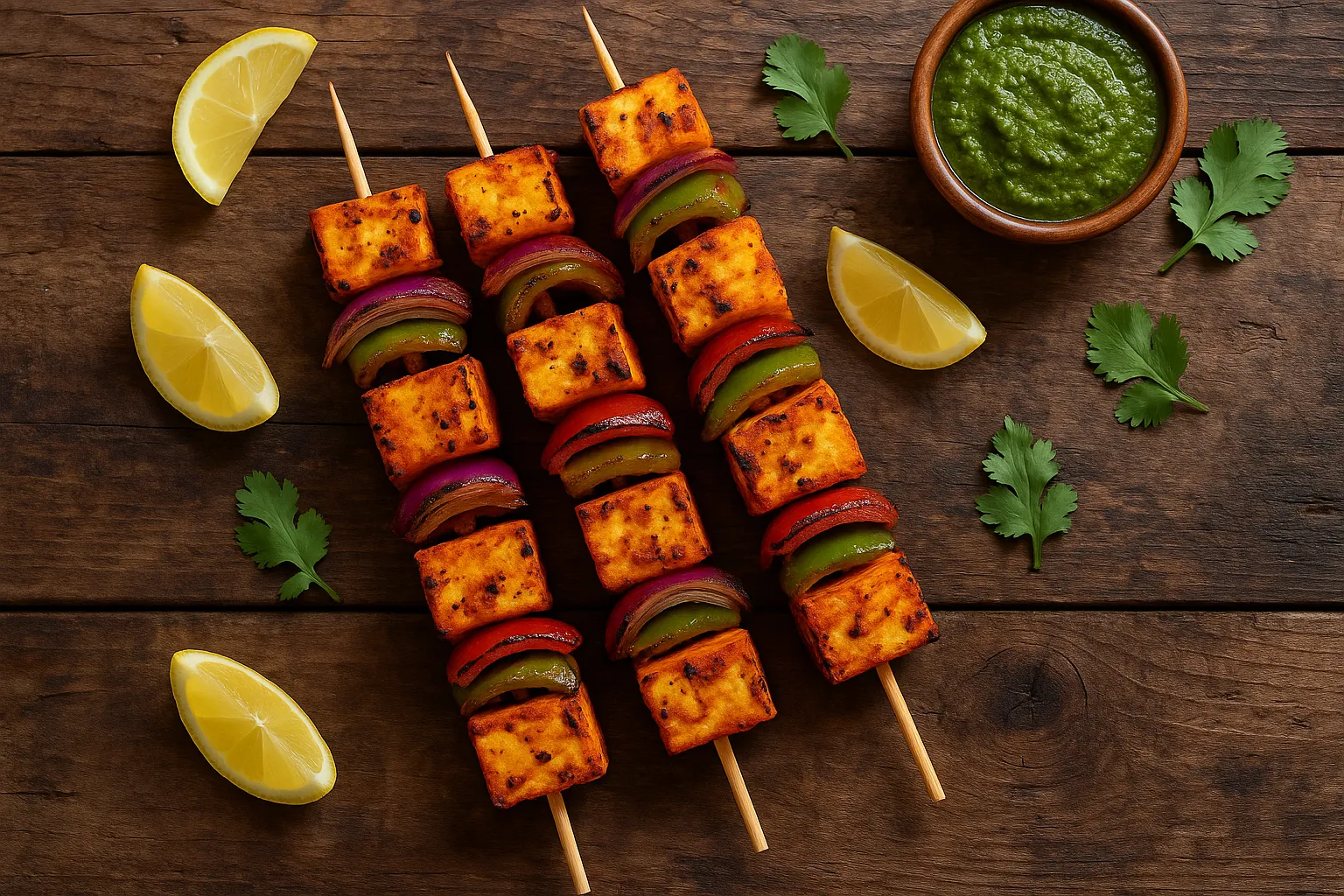
Quick Nutrition Facts
Per 1 Serving (6 pieces, 120g)
| Nutrient | Amount |
|---|---|
| Calories | 264 kcal |
| Protein | 21.6g |
| Carbohydrates | 4.8g |
| Fiber | 1.2g |
| Sugars | 2.4g |
| Fat | 18g |
| Saturated Fat | 10.8g |
| Calcium | 600mg |
| Vitamin D | 0.6mcg |
| Iron | 1.4mg |
| Sodium | 480mg |
Macronutrient Breakdown
 ChatGPT
  Claude
  AI Mode
  Perplexity
NUTRITIONIST INSIGHT
Paneer tikka combines complete protein (21.6g per serving) with 600mg calcium for bone health. The yogurt marinade adds probiotics for gut health, while grilling reduces fat compared to fried preparations.
Myth Busters
MYTH #1: Paneer Tikka Is Too High in Calories for Weight Loss
TRUTH: At 264 calories per serving with 21.6g protein, paneer tikka is quite reasonable for weight loss when eaten in moderation. High protein foods increase satiety and preserve muscle mass during calorie deficit. It's far healthier than fried snacks or sweets. Pair with vegetables for a complete, filling meal.
MYTH #2: Paneer Causes Weight Gain and Should Be Avoided
TRUTH: Paneer itself doesn't cause weight gain; excess calories do. Protein-rich foods like paneer increase metabolism and reduce appetite. The grilled tikka preparation is healthier than heavy curries. When portion-controlled and part of a balanced diet, paneer tikka supports body composition goals.
MYTH #3: Paneer Is Unhealthy Because of High Saturated Fat
TRUTH: While paneer contains saturated fat, recent research shows dairy fat may not increase heart disease risk as previously thought. Paneer provides calcium, vitamin D, and conjugated linoleic acid (CLA) with potential health benefits. Moderate consumption as part of balanced diet is perfectly healthy.
MYTH #4: Restaurant Paneer Tikka Is as Healthy as Homemade
TRUTH: Restaurant versions often use excessive oil, butter basting, and high-sodium marinades that triple calories. Homemade paneer tikka with yogurt marinade and minimal oil is significantly healthier, offering the same taste with better nutrition profile. Make at home when possible.
MYTH #5: Paneer Tikka Has No Nutritional Value Beyond Protein
TRUTH: Beyond 21.6g protein, paneer tikka provides 600mg calcium (60% DV) for bone health, probiotics from yogurt for gut health, vitamin D for immunity, phosphorus for energy metabolism, and antioxidants from spices like turmeric and capsaicin from chili powder.
MYTH #6: Vegetarians Get Inferior Protein from Paneer Compared to Chicken
TRUTH: Paneer provides complete protein with all essential amino acids, similar to animal proteins. Dairy proteins are high-quality and effectively support muscle building. With 21.6g per serving, paneer tikka rivals chicken tikka (24g per serving) while providing additional calcium benefits.
NutriScore by Health Goals
| Health Goal | NutriScore | Why This Score? |
|---|---|---|
| Weight Loss |  | 264 calories with 21.6g protein promotes fullness and preserves muscle. Grilled preparation healthier than fried. Limit to 1 serving, pair with vegetables. |
| Muscle Gain |  | Excellent vegetarian protein source (21.6g per serving), complete amino acid profile, calcium supports muscle contraction. |
| Diabetes Management | | Low carbs (4.8g), high protein and fat stabilize blood sugar. Dairy protein improves glycemic control. Avoid sweet marinades. |
| PCOS Management | | High protein with low carbs supports insulin regulation. Moderate saturated fat; balance with healthy fats from nuts and avocado. |
| Pregnancy Nutrition | | Calcium crucial for fetal bone development, protein for growth, vitamin D for calcium absorption. Safe when made with pasteurized milk. |
| Viral/Flu Recovery | | High protein supports tissue repair, calcium and vitamin D boost immunity, probiotics from yogurt marinade support gut health. |
PERSONALIZED NUTRITION
Track your meals with NutriScan for personalized NutriScores based on your specific health goals!
Blood Sugar Response to Paneer Tikka
Understanding how paneer tikka affects blood glucose helps optimize meal planning, especially for diabetes and PCOS management.
Typical Glucose Response Curve
This chart shows typical blood glucose response for general healthy individuals. Individual responses may vary. Not medical advice.
How to Optimize Blood Sugar Response
Protein and fat in paneer tikka naturally stabilize blood sugar, but pairing with fiber enhances the effect:
- 🥗 Side salad with mint chutney - Adds fiber and digestive enzymes
- 🥒 Cucumber raita or kachumber - Cooling accompaniment with minimal carbs
- 🍅 Grilled vegetables - Bell peppers, zucchini, onions for added nutrients
- 🫓 Small portion of roti (optional) - Whole grain for sustained energy
This combination keeps blood sugar stable while providing complete nutrition with all macronutrients and micronutrients.
Cultural Significance
Paneer tikka is a beloved North Indian appetizer that has become globally recognized as the vegetarian answer to chicken tikka.
In India:
- Originated in Punjab; now popular across India and worldwide
- Staple at Indian weddings, parties, and restaurants
- Tandoori preparation traditionally in clay oven (tandoor) at high heat
- Part of Indian vegetarian cuisine evolution for protein-rich options
- Modern variations: paneer tikka masala, paneer tikka pizza, wraps
Culinary Impact:
- Adapted globally: air fryer versions, BBQ-style, fusion recipes
- Key ingredient in Indo-Chinese cuisine (paneer chili)
- Demonstrates how traditional vegetarian cuisines provide complete nutrition
- Symbol of India's vegetarian culinary excellence
Compare & Substitute
Paneer Tikka vs Similar Protein Dishes (Per 100g)
| Nutrient | 🧀 Paneer Tikka | 🍗 Chicken Tikka | 🍄 Mushroom Tikka | 🍖 Tofu Tikka |
|---|---|---|---|---|
| Calories | 220 kcal | 150 kcal | 45 kcal | 120 kcal |
| Protein | 18g | 28g | 3.5g | 12g |
| Carbs | 4g | 2g | 6g | 3g |
| Fat | 15g | 4g | 0.5g | 7g |
| Calcium | 500mg | 15mg | 3mg | 350mg |
| Iron | 1.2mg | 1mg | 0.5mg | 2.7mg |
| Vitamin D | 0.5mcg | 0.2mcg | 0mcg | 0mcg |
| Best For | Vegetarian protein, calcium needs | High protein, low fat | Weight loss, very low calorie | Vegan protein, iron needs |
Frequently Asked Questions
Is paneer tikka good for weight loss?
Paneer tikka can support weight loss when consumed in moderation. One serving (6 pieces) provides 264 calories with 21.6g protein that promotes fullness and helps preserve muscle mass during calorie deficit. The grilled preparation is far healthier than fried paneer dishes.
Best practices: Limit to 1 serving (6 pieces); choose tandoori style without butter basting; pair with salad or grilled vegetables; avoid creamy dips and opt for mint chutney; eat as main protein rather than appetizer to control portions.
Track portions with NutriScan app to ensure it fits your calorie goals.
Can diabetics eat paneer tikka?
Yes, diabetics can eat paneer tikka. With only 4.8g carbs per serving and 21.6g protein plus 18g fat, it has minimal impact on blood sugar. The high protein and fat content actually helps stabilize glucose levels.
Tips for diabetics:
- Choose preparation without sweet marinades or honey
- Pair with non-starchy vegetables and salad
- Avoid serving with naan or paratha; if needed, use small whole wheat roti
- Monitor your individual response; most diabetics tolerate it well
Research shows dairy protein improves insulin sensitivity and glycemic control in diabetics when part of healthy diet.
How much protein is in paneer tikka?
A serving of paneer tikka (6 pieces, 120g) contains 21.6g of complete protein with all essential amino acids. This makes it an excellent vegetarian protein source, comparable to chicken tikka which has about 24g per 100g serving.
For muscle building, one serving of paneer tikka provides substantial protein. Pair with dal or lentils to reach 30-40g total protein per meal.
What are the main health benefits of paneer tikka?
Key Benefits:
- High-Quality Vegetarian Protein: 21.6g per serving for muscle building and repair
- Bone Health: 600mg calcium (60% DV) plus vitamin D for strong bones
- Muscle Function: Calcium and protein work together for contraction and recovery
- Gut Health: Probiotics from yogurt marinade support digestive health
- Weight Management: Protein increases satiety and boosts metabolism
- Immunity: Vitamin D, calcium, and probiotic bacteria support immune function
Is paneer tikka healthier than paneer butter masala?
Yes, paneer tikka is significantly healthier than paneer butter masala. Here's the comparison per serving:
Paneer Tikka (6 pieces):
- 264 calories
- 21.6g protein
- Grilled with minimal oil
- Lighter yogurt-based marinade
Paneer Butter Masala (1 serving):
- 400-500 calories
- 15g protein
- Heavy cream and butter base
- More saturated fat and sodium
Tikka preserves more protein, has less fat, and the grilling process is healthier than the cream-based gravy. Choose tikka for better nutrition and lower calories.
How often can I eat paneer tikka?
Frequency guidelines:
- 3-4 times weekly - General health, muscle building
- 2-3 times weekly - Weight loss, calorie restriction
- 4-5 times weekly - High protein needs, vegetarian athletes
- 2 times weekly - High cholesterol (due to saturated fat)
Serving size: One serving = 6 pieces (120g). Always pair with vegetables for complete nutrition and avoid making it your only protein source; vary with dal, legumes, and soy products.
Paneer is safe for daily consumption in moderate amounts, but variety ensures you get diverse nutrients from different protein sources.
Is restaurant paneer tikka as healthy as homemade?
Restaurant paneer tikka is generally less healthy than homemade versions. Restaurants often:
- Use excessive oil and butter basting (adds 100-150 extra calories)
- Add food coloring for bright red appearance
- Use high-sodium marinades
- May use processed paneer with additives
Homemade advantages:
- Control oil quantity (minimal spray vs. heavy basting)
- Use fresh, natural ingredients
- Adjust sodium and spices to preference
- Ensure quality paneer made from pasteurized milk
Solution: Make paneer tikka at home using air fryer or oven for healthiest preparation. If eating out, choose tandoori-style and ask for less oil.
What's the best time to eat paneer tikka?
Optimal timing depends on your goal:
- Weight Loss: Lunch or early dinner (3-4 hours before bed). High protein promotes satiety and reduces evening snacking.
- Muscle Gain: Post-workout (within 2 hours) or lunch. Protein supports muscle recovery and growth.
- Diabetes: Lunch preferred over dinner. Protein helps stabilize afternoon blood sugar.
- General Health: Any meal, but avoid late night (within 2 hours of sleep) due to high fat content.
Pair with vegetables and avoid heavy carbs like naan for best results regardless of timing.


Similar Nutritious Foods
4505 Chicharrones Classic Chili Salt
7 Eleven Japan Crispy Corn Cheese
Explore More Nutrition Tools & Resources
AI Calorie Counter App - Snap a Photo, Get Macros
AI Nutritionist App That Reads Your Logged Meals
Best Protein Supplements for Women
Bulking Meal Plan App That Sets Your Surplus
ChatGPT Calorie Counter Alternative That Keeps the Total
ChatGPT Diet Plan Alternative That Tracks What You Eat
ChatGPT Weight Loss Coach Alternative With a Food Log
Fast Food Calorie Counter App That Reads the Tray
Free Calorie Tracker App with AI Photo Scans | NutriScan
Indian Diet Plan App With Veg and Non Veg Meals
Indian Food Calorie Calculator - Get Instant Nutrition Facts for Desi Meals — 2026
Intermittent Fasting for Women, Timer and Meal Log App
Intermittent Fasting Tracker App - Free Fasting Timer
Macro Tracker App That Fills the Numbers From a Photo
Mediterranean Diet Meal Plan App That Counts the Oil
Micronutrient Tracker App for Vitamins and Minerals
MyFitnessPal Alternative That Stays Free | NutriScan
NutriScore App: A Free Grade on Every Meal | NutriScan
Nutrition Label Scanner App for the Amount You Ate
Second Trimester Protein Guide
Vegetarian Meal Plan App With a Protein Target
Voice Calorie Counter - Speak to Track Meals Hands-Free
Water and Calorie Tracker App - Free Water Log